
AR Pistol, Carbine, or Rifle: Sizes, Calibers, and Configurations
Written by John Wren|
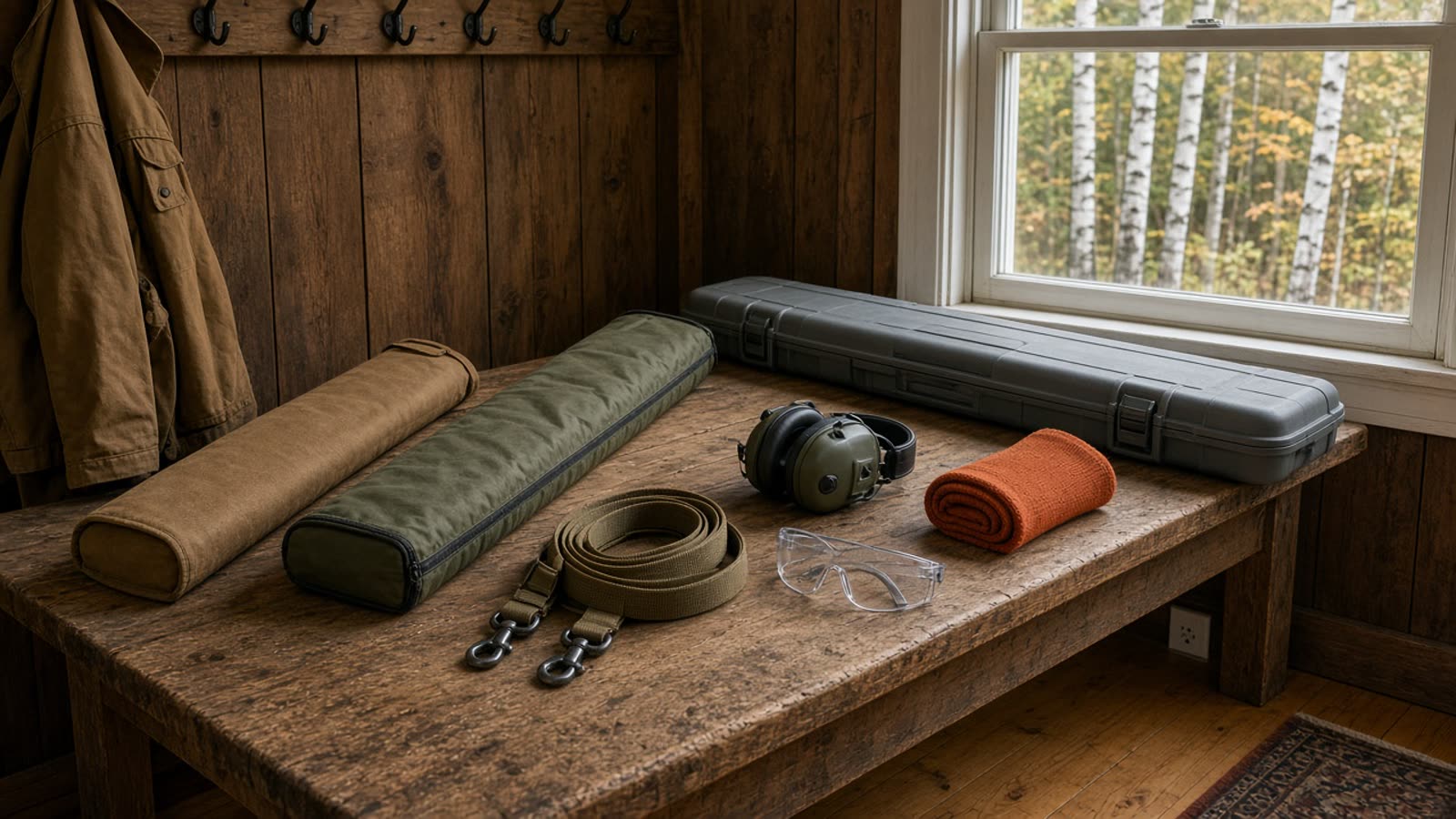
Buy a 16-inch small-frame carbine, or an 18- or 20-inch rifle, chambered for a cartridge that is legal where you hunt. An AR pistol is a different transfer and a poor first hunting gun. A large-frame gun in .308 or 6.5 Creedmoor does not share magazines or bolts with an AR-15. The rifle and the ammunition stay at a licensed dealer.
Key takeaways
- A carbine is 16 inches. A rifle is 18 or 20. A pistol is a different transfer.
- Small-frame AR-15 parts do not fit a large-frame .308.
- .300 Blackout must never be fired in a 5.56 barrel.
- 6.5 Creedmoor is a large-frame cartridge. 5.56 is the small-frame default.
An AR-style firearm is a family of guns, not one model in a glass case. The same manual of arms shows up as a pistol, a 16-inch carbine, and an 18- or 20-inch rifle, on a small frame and on a large frame, in cartridges that do not share a bolt or a magazine. A hunter at a licensed dealer should buy the size the season and the transfer allow, chambered for a cartridge that is legal on the ground you hunt, as a complete gun. The rifle and the ammunition stay at that counter.
Short version. Buy a 16-inch small-frame carbine if you want the ordinary over-the-counter AR and you have already checked that the cartridge is legal for the animal. Buy an 18- or 20-inch rifle, small-frame or large-frame, when the cartridge was built for a longer barrel and you will carry the length. Leave a pistol for a different job than a deer season. A large-frame gun in .308 Winchester or 6.5 Creedmoor is a different receiver, a different magazine, and a different weight from an AR-15. Five small-frame brands a counter actually stocks is the brand trip. ArmaLite AR-10 pattern versus DPMS LR-308 pattern is the large-frame parts trip. Do not mix them up in the same sentence at the register.
Which size should a hunter buy: pistol, carbine, or rifle?
Buy the carbine or the rifle. A pistol is a different object, and it is a poor substitute for the gun you will carry into a season.
A pistol in this family has a barrel under 16 inches and no shoulder stock. Dealers sell them with a bare buffer tube or a brace. A brace is not a stock. Whether a braced pistol is legal where you live, and whether you may hunt with it, is a question for that dealer and for the regulation on the unit you hunt. Do not pin a stock onto a pistol barrel at the kitchen table to “make a hunting rifle.” A stock on a barrel under 16 inches is a short-barreled rifle, and that is a different federal transfer from the gun you thought you bought.
A carbine is the size most hunters mean when they say they want an AR. The barrel is 16 inches, which is the short end of an ordinary rifle transfer in the United States, or it is a 14.5-inch barrel with a muzzle device pinned and welded so the barrel measures 16 inches. Overall length has to clear 26 inches as well. Ask the dealer to say, out loud, whether the gun in your hands transfers as a rifle. A 16-inch small-frame gun with a mid-length gas system is the configuration you will see most often in a hunting rack. It is short enough for a blind and a truck, and long enough that a 5.56 load still behaves like a rifle cartridge.
A rifle in this family has an 18-inch or 20-inch barrel. Twenty inches with rifle-length gas is the original AR-15 layout. Eighteen inches is the compromise a lot of hunting guns use when you want a little more velocity than a carbine without the full rifle length. On a large frame, 18 or 20 inches is where .308 Winchester and 6.5 Creedmoor keep the speed you bought the heavier gun to get. A 16-inch large-frame carbine still works. It is louder, it flashes more, and it gives some of that speed back.
Barrel length is not a style choice on 5.56. The cartridge was developed in a 20-inch barrel. A 16-inch carbine keeps most of what a hunting or practice load was meant to do. A 10-inch pistol barrel gives up enough velocity that the same load is a different, harsher round: more blast, more flash, and less of the speed the bullet wanted. That gap is the reason a short 5.56 is a specialty gun and a 16-inch carbine is the one to start with.
| Size | Barrel you should expect | What the transfer usually is | Who should buy it |
|---|---|---|---|
| Pistol | Under 16 inches, no stock | A pistol, or a short-barreled rifle if a stock is attached | Someone who already knows the rule for that configuration. Not a first deer gun. |
| Carbine | 16 inches, or 14.5 pinned and welded to 16 | An ordinary rifle, where that transfer is legal | The hunter who wants one AR that fits a truck, a blind, and a practice pile. |
| Rifle | 18 or 20 inches | An ordinary rifle | The hunter whose cartridge wants the length, and who will carry it. |
Confirm the barrel measurement and the transfer with the dealer before you pay. A pinned muzzle device counts only if it is actually pinned and welded.
What changes between a small-frame AR-15 and a large-frame AR-10?
The frame is the decision that comes before the brand. A small-frame gun is what people mean by AR-15. A large-frame gun is what people mean by AR-10, and that name hides two receiver patterns that do not mix.
The magazine well is the part you can see from the counter. A small-frame well takes an AR-15 magazine, the length built around a cartridge of about 2.26 inches. A large-frame well takes a bigger magazine, built around a cartridge closer to 2.8 inches. A .308 magazine does not go into an AR-15 well. A 5.56 magazine does not feed a .308. The bolt is bigger on the large frame. The barrel extension is bigger. The handguard, the barrel nut, and the charging handle are often bigger. A few small parts cross over, including some triggers, safeties, and grips. Receivers, bolts, and magazines do not.
Weight follows the steel. An empty 16-inch 5.56 carbine, before a scope, often sits around 6 to 7.5 pounds. An empty .308 large-frame gun often sits around 8 to 10 pounds before the optic, and a long hunting barrel plus a proper scope pushes it further. That is a real difference at the end of a day on a ridge. It is also why a large-frame gun can be the right deer or elk rifle and the wrong all-day timber carbine.
“AR-10” on a hang tag is not a parts standard. ArmaLite’s pattern and the DPMS LR-308 pattern look alike and still will not marry an upper from one to a lower from the other. Before you buy a spare magazine, a handguard, or a second upper, ask which pattern the gun is. The pattern split is the whole reason a .308 AR turns into a paperweight when the wrong upper goes on the lower. For a first large-frame hunting gun, buy a complete rifle in one pattern and stay inside that pattern.
Small-frame shopping is a different aisle. Colt, Smith & Wesson, Ruger, Daniel Defense, and Springfield Armory all sell 5.56 carbines a dealer will transfer, and they are not the same rifle. That brand comparison belongs after you have already decided the gun is a small-frame carbine, not a large-frame .308.
| Small frame | Large frame | |
|---|---|---|
| What people call it | AR-15 | AR-10, and the pattern still has to be named |
| Usual first cartridge | 5.56 NATO | .308 Winchester |
| Magazine | AR-15 length | A large-frame magazine in the matching pattern |
| Empty weight, before an optic | Often 6 to 7.5 pounds | Often 8 to 10 pounds |
| A second upper | Only with the bolt and the magazine that cartridge wants | Only inside the same receiver pattern, with headspace checked |
Which calibers belong on a small frame?
Start with the stamp on the barrel. The frame only tells you the magazine length. The barrel, the bolt, and the magazine tell you the cartridge.
5.56 NATO is the default small-frame chamber. A 5.56 chamber will fire .223 Remington. A rifle marked only .223 Remington should not fire 5.56 NATO. The 5.56 round is loaded to a higher pressure and a longer throat than a strict .223 chamber was cut for. .223 Wylde is a chamber cut so both are appropriate. Read the barrel. If the stamp says 5.56 NATO or .223 Wylde, .223 Remington practice loads are normal. If the stamp says .223 Remington and nothing else, keep 5.56 on the shelf.
.300 AAC Blackout is the small-frame cartridge people add second, and it is the one that punishes a mix-up. It uses the same bolt face as 5.56, and it will often sit in a 5.56 magazine. The case is a .223 case necked up to a .30-caliber bullet. That is why a .300 Blackout cartridge can chamber in a 5.56 barrel. Firing it there can wreck the gun and injure the shooter. The barrels are not interchangeable. A .300 Blackout upper is a different barrel, a different zero, and a cartridge that was designed around a short barrel, often in the 9-inch neighborhood, which is a pistol or a short-barreled rifle unless the gun you buy is a legal 16-inch carbine. Supersonic .300 Blackout and subsonic .300 Blackout are different loads. Subsonic is a suppressed, close-range load. It is not a substitute for a deer cartridge at 200 yards.
6.5 Grendel and 6.8 Remington SPC stay on a small frame and then leave the 5.56 parts bin. Each wants its own bolt and its own magazines. Both were meant to give an AR-15-length gun a heavier, more efficient bullet than 5.56, which is why hunters look at them for deer where a bottleneck cartridge is legal and the shot is inside a few hundred yards. They are not “a 5.56 upper with a different barrel nut.” Order the complete upper the maker built for that cartridge, and do not drop a 5.56 bolt into it.
Straight-wall deer cartridges are the other small-frame reason to leave 5.56. Some states limit a deer season to straight-wall ammunition, and some limit magazine capacity or ban a semi-automatic rifle in a given season. .350 Legend and .450 Bushmaster are the two you will actually find on a small-frame hunting gun. They need their own barrels and their own magazines. .450 Bushmaster also needs its own bolt. .350 Legend was designed around a standard AR-15 bolt face, and you should still confirm that with the maker of the upper in your hands rather than assuming every “.350” parts kit agrees. Neither cartridge belongs in a 5.56 barrel. 5.56 itself is a varmint and practice cartridge on this platform. It is a poor deer cartridge, and in a lot of seasons it is not a legal one.
7.62x39 shows up in small-frame guns too. It needs its own bolt and, usually, its own magazine. It is not a 5.56 gun with a stamp ground off. If the dealer cannot tell you which bolt is in the gun, do not buy the gun.
Which calibers belong on a large frame?
.308 Winchester is the large-frame default, and 7.62x51 NATO is the military cousin you will see on the same hang tag. Read the stamp. A barrel marked .308 Winchester is the hunting chamber most dealers mean. Do not feed it whatever rifle cartridge happens to be the same diameter. The bullet diameter is not the cartridge.
6.5 Creedmoor is the other large-frame hunting chamber you should recognize. It uses the same magazine length family as .308 and a bolt face in the same class, and it is still a different barrel. Case length is why it does not fit a small frame: a 6.5 Creedmoor cartridge is too long for an AR-15 magazine. Anyone who tells you to “just run 6.5 Creedmoor in the AR-15” is talking about a different cartridge, or they are wrong. On a large frame, 6.5 Creedmoor recoils less than .308 and drifts less in wind. .308 hits harder up close and is easier to find on a rural counter. That trade is the same one a bolt gun makes. .308 against 6.5 Creedmoor in one stock class is the cartridge argument. The semi-auto version adds weight, a gas system, and a receiver pattern you have to keep straight.
Other large-frame hunting chambers exist: .243 Winchester, 7mm-08, .260 Remington, 6mm Creedmoor. Treat every one of them as its own barrel. If a gunsmith rebarrels a .308 to 6.5 Creedmoor, headspace is part of the job, not a hope. Buy the complete rifle when you can. .30-06 Springfield does not fit a standard large-frame AR magazine. If the cartridge you already handload is .30-06, a .308 hunting rifle or a bolt gun in the cartridge you own is a more honest shopping trip than forcing a long action into an AR magazine well.
Barrel length matters more here than it does on a plinking 5.56, because you bought the large frame for the bullet’s speed and its weight. A 16-inch .308 carbine is handy and loud. An 18- or 20-inch barrel is the hunting length if the shot might stretch and you can stand the rifle’s length in the blind. A short large-frame pistol gives up the reason you stepped up from 5.56.
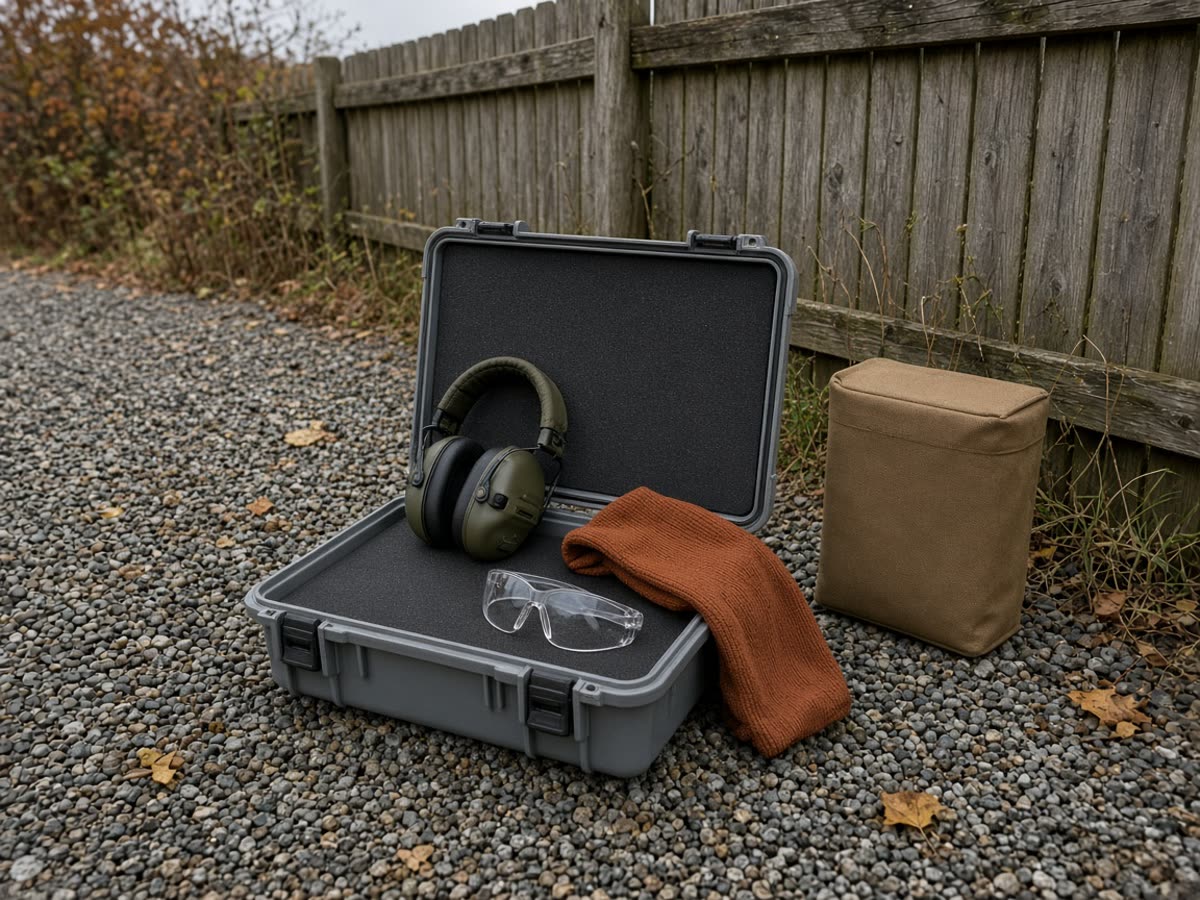
When is a pistol-caliber carbine part of this family?
A 9mm gun shaped like an AR is a cousin, not a caliber swap. Most of them are straight blowback. They do not use the direct-gas bolt of a 5.56 carbine. The magazine is a pistol magazine, often a Glock-pattern stick, or a Colt-pattern 9mm magazine, sometimes dropped in with a magwell adapter. The buffer is heavier. The barrel is chambered for 9mm and nothing else. A 5.56 magazine, a 5.56 bolt, and a 5.56 barrel do not become a pistol-caliber carbine because you wanted cheaper practice.
The honest job of that gun is close range. A 9mm bullet from a 16-inch carbine is faster than the same bullet from a handgun, and it is still a handgun cartridge. It is easier to shoot than a short 5.56, cheaper to practice, and useless as a deer rifle. Past a hundred yards you are asking it to do a job it does not have. A Ruger PC Carbine and a lever gun in a pistol cartridge are pistol-caliber carbines too, and they are not ARs. If the shape you want is the AR manual of arms, buy the blowback gun the dealer sells as a 9mm AR, and keep its magazines in a different pouch from every rifle magazine you own.
How do barrel length and gas length change one cartridge?
Two 16-inch 5.56 carbines can still be different guns. Gas length is the port’s distance down the barrel, and it changes how hard the rifle cycles.
Pistol-length gas belongs on short barrels. Carbine-length gas is the older layout, and you will still find it on some 16-inch guns and on a lot of shorter ones. Mid-length gas is the 16-inch hunting carbine most people should ask for, because the port sits farther out and the rifle shoves the shoulder less. Rifle-length gas belongs on a 20-inch barrel. Putting rifle-length gas on a barrel that is too short, or pistol-length gas on a long barrel, is how a gun short-strokes or beats itself up. Buy the gas length the barrel maker paired with that barrel. Do not “correct” it with a random buffer the week before a season.
Direct impingement and a piston are two ways to run that gas. They are not two sizes and they are not two calibers. If the question is a wet hunt and a rifle you already trust, direct impingement against a piston is the piece to read. Do not bolt a piston kit onto a hunting upper the week of the sit.
A suppressor changes the gas the gun sees. A hunting carbine that has never worn a can does not need an adjustable gas block to go deer hunting. A gun you will suppress is a gun you should set up for that can before the season, on paper, with the load you will actually shoot. The ammunition for that test stays at the licensed counter with the rifle.
Which configuration should you order at the counter?
Order a complete gun in one cartridge before you order a box of uppers. A first AR should leave the dealer as a pistol, a carbine, or a rifle, with one barrel stamp, one bolt, and magazines that match. A second upper is a second sport. It is reasonable later. It is a bad first purchase.
Ask four configuration questions while the gun is still on their side of the counter.
What is the stock, and what buffer tube is under it? A carbine tube wears an adjustable stock. A rifle tube wears a fixed stock and a longer buffer. Mil-spec tubes and commercial tubes are a hair different in diameter, and the stock has to match the tube. Set the length of pull in the coat you hunt in, then leave it. An adjustable stock that creeps shorter in a scabbard changes your eye relief. A fixed stock, or a stock you can lock, is the hunting answer on a gun that wears a scope.
Is the handguard free-floated? A free-float rail is what you want if a scope or a red dot is the sight and you do not want a sling stud or a bipod bending the barrel. A clamshell handguard with a fixed front sight is a legitimate carbine, and it is in the way of some low scopes. Decide that before the optic is mounted.
What is on the muzzle? A plain thread, a flash hider, a brake, or a pinned device that exists only to make 14.5 inches into 16. A brake on a hunting carbine is a favor to the people next to you at the bench and a punishment to your own ears in a blind. A flash hider or a plain cap is the quieter social choice. The pin-and-weld has to be permanent if that is what makes the barrel legal as a rifle.
What does your state do with magazines and with semi-automatic rifles in that season? A fixed magazine, a capacity limit, or a straight-wall rule changes the gun you should be holding. The dealer in that state has had the argument already. Use them. Then read the regulation yourself before you hunt.
The optic follows the size. A 16-inch deer carbine inside timber and out to a couple hundred yards is a red dot or a low-power variable. That choice is about the shot, not about the brand of the rifle. A longer timber rifle that you will leave at one magnification is a fixed 4x or a 3-9 parked low. Fixed 4x against a 3-9 is the glass for that slower gun. AR optics is the wider carbine list if you are still choosing a mount.
How do you keep bolts, magazines, and uppers from getting mixed?
Mark them, and store them so a tired person cannot grab the wrong one. The dangerous pair is .300 Blackout and 5.56, because the cartridge, the bolt, and often the magazine will cooperate right up until the bullet meets the wrong bore.
Give .300 Blackout its own magazines and mark them in a way you can see in bad light. A dedicated .300 Blackout magazine feeds that fatter bullet more reliably than a 5.56 magazine does, and the external difference is what keeps a loaded magazine off the wrong rifle. A paint pen on the magazine, a different color body, and a tag on the upper are all cheaper than a burst case. Do the same for 6.5 Grendel, 6.8 SPC, .350 Legend, and .450 Bushmaster. Those already need different magazines or bolts. The label is so a guest does not “help” by mounting the upper that was on the bench.
A large-frame magazine will not fit a small-frame gun, which is a mercy. The remaining mistake is pattern, not caliber: an ArmaLite-pattern magazine in a DPMS-pattern gun, or the other way around. Buy one brand of magazine that the dealer has watched feed the rifle you are taking home, and stay with it. Ten mixed magazines from a bargain bin are how a .308 hunting rifle becomes a jam on the third shot.
A second upper on one lower is legal to own when both configurations are legal. It is still two guns from the standpoint of zero, headspace, and the cartridge in the magazine. Confirm zero on paper for each upper with the ammunition that upper is chambered for. A zero you proved on the 5.56 barrel says nothing about the Grendel barrel you installed in the parking lot. If you will not keep the uppers, the bolts, and the magazines physically apart, own one cartridge.
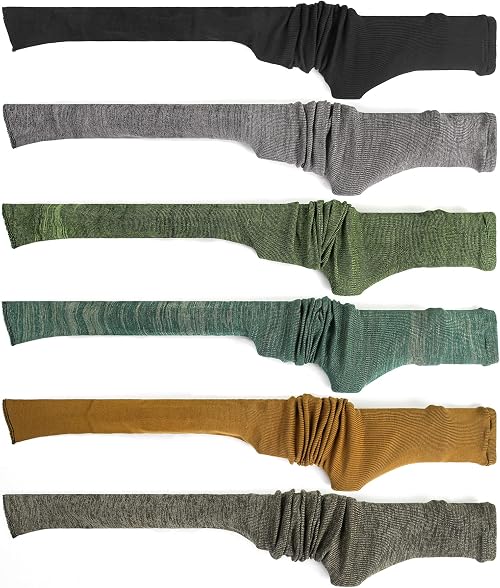
Write the cartridge on a tag that stays with the barrel. A knit sock is a reasonable place to keep that tag, because the sock is what you pull off before you shoot and put back on before the barrel shares a case with a scope. A sock does not make a wrong cartridge safe. A marked sock makes the mix-up obvious.
What case, sling, and protection fit more than one size?
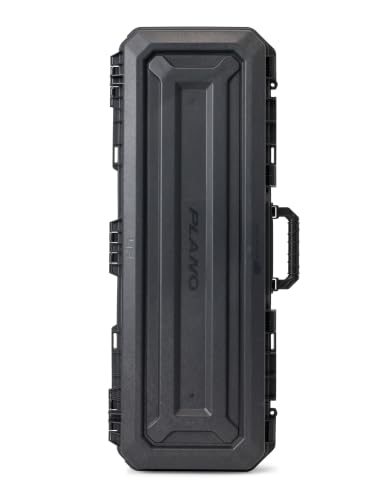
Buy the case for the longest gun you will own, the sling for the stock you will actually carry, and the muffs for the loudest cartridge in the family. A 20-inch rifle with a scope needs more case than a 16-inch carbine. A pistol needs less length and the same lock. One 42-inch case that accepts the long rifle also accepts the carbine. The reverse is how a scope gets snapped in a trunk.
The Plano All Weather AW2 is a 42-inch single-rifle case with a pressure valve and foam you can pluck. It is the case to measure against a large-frame hunting rifle before you assume a carbine sleeve is enough. Pluck only what you must. A soaked foam pad belongs out of the case overnight, not sealed in a warm truck. The rifle is unloaded before it goes in. A safe at the house is where the guns live between trips. Ownership habits still start with a case you will latch.
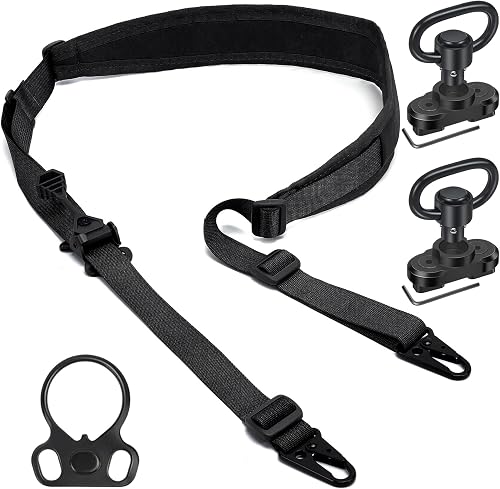
A two-point sling fits a carbine stock and a large-frame rifle stock if the swivels match the gun. The WarBull sling uses QD swivels, so it comes off when you case the rifle and goes back on without a screwdriver in the dark. Mount the sockets where the sling does not crush your hand on the grip and does not lever against a scope. Carry the rifle on the shoulder you will use when you sit. A one-point sling is a different tool, and it lets a carbine muzzle swing more than a hunter wants in brush. Check the live price. The sling is the carry. The rifle is the dealer’s.
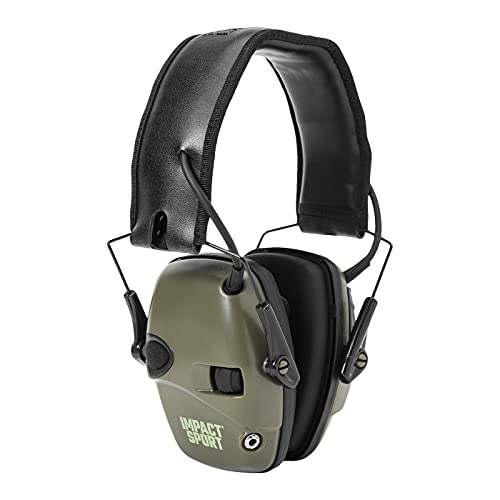
Ears and eyes go on before the first confirmation shot, and they matter more as the frame gets larger. A .308 large-frame gun indoors is a different noise from a 5.56 carbine, and a short barrel is worse than a long one. Howard Leight Impact Sport muffs are the electronic pair with directional microphones, an NRR of 22, and an auto shutoff, running on two AAA cells. Put them on with the stock you will hunt, including a large-frame stock, and make sure the cup clears the comb. Ear protection is where a second pair belongs in the bag. Foam plugs under the muffs are the honest answer for a braked .308.
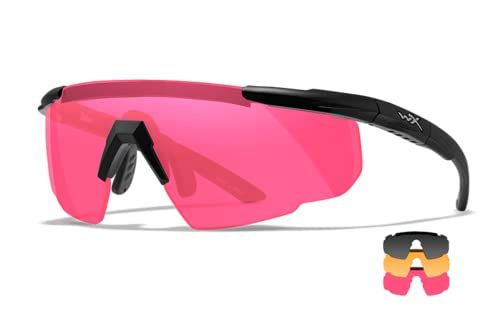
Wiley X Saber Advanced glasses meet the shooting-glass job: a wrap that seals, a lens you can see a front sight through, and a rating you can point at when the range asks. Wear them for every cartridge in the family, including the 9mm carbine, because a blowback gun still throws brass. Shooting glasses covers the rest of the drawer. A bore snake sized to the barrel you actually own belongs in the same bag. An AR cleaning kit is organized by caliber. A 5.56 snake does not clean a .308 bore, and a .30 snake does not belong in a 5.56 barrel.
Confirm the gun you take home on paper, with the ammunition you will hunt, at the distance you will trust. A carbine and a rifle in the same cartridge do not share a point of impact just because they share a lower. A large-frame .308 and a small-frame 5.56 are not a conversation about “the same zero with more gun.” Unload before the case. Keep the muzzle in a safe direction while you do it. Then latch the case, coil the sling where it cannot smash a lens, and leave the ammunition where the dealer sold it until you are on a range with a backstop.
Frequently asked questions
Is an AR pistol a hunting rifle?
No. An AR pistol has a barrel under 16 inches and no shoulder stock, and it is a different transfer from a hunting carbine. A stock on that short barrel makes a short-barreled rifle. Buy a 16-inch carbine or an 18- or 20-inch rifle for a season, and ask the dealer what the gun in your hands actually transfers as.
What barrel length should a deer hunter buy?
Buy a 16-inch carbine, or a 14.5-inch barrel pinned and welded to 16 inches, when you want the ordinary over-the-counter rifle. Buy an 18- or 20-inch barrel when the cartridge was developed for that length and you will carry it. A pistol-length 5.56 gives up too much velocity for a first hunting gun.
Can I shoot .223 Remington in a 5.56 AR?
Yes, if the barrel is stamped 5.56 NATO or .223 Wylde. A barrel stamped only .223 Remington should not fire 5.56 NATO. Read the stamp before you leave the counter with a box of either cartridge.
Will an AR-15 upper fit an AR-10 lower?
No. The magazine well, the bolt, and the barrel extension are different sizes. A small-frame upper does not close on a large-frame lower. On the large frame, an ArmaLite AR-10 upper also does not marry a DPMS LR-308 lower.
Is 6.5 Creedmoor an AR-15 cartridge or a large-frame cartridge?
6.5 Creedmoor is a large-frame cartridge. It is too long for an AR-15 magazine. It belongs in a .308-class receiver with a 6.5 Creedmoor barrel, not in a 5.56 upper.
Can .300 Blackout be fired in a 5.56 barrel?
No. A .300 Blackout cartridge can chamber in a 5.56 barrel because it uses the same bolt face, and firing it there can destroy the gun and injure the shooter. Keep .300 Blackout in its own marked upper and its own marked magazines.
Does a 9mm AR use the same magazines as a 5.56 carbine?
No. A 9mm AR is usually a blowback gun that feeds from pistol magazines, not from a 5.56 magazine, and it uses a different bolt and barrel. Keep those magazines in a separate pouch.
Where do I buy the rifle and the ammunition?
At a licensed firearms dealer. The case, the sling, the muffs, the glasses, and the rifle sock are the accessories. The pistol, the carbine, the rifle, and the ammunition stay at the counter.