
Fixed 4x vs a 3-9 for a timber rifle
Written by John Wren|
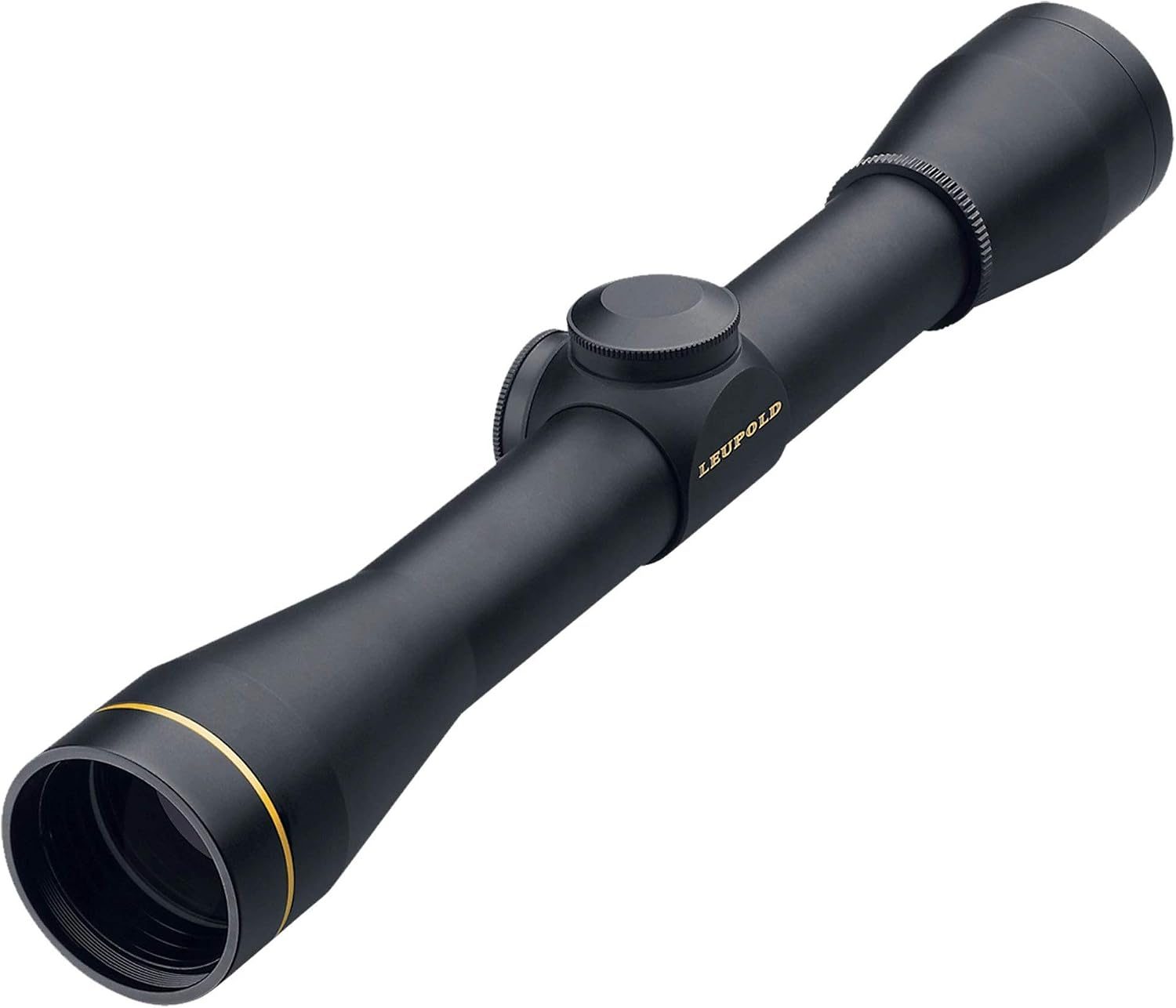
Buy a fixed 4x wide duplex for a rifle that lives in timber. Buy a Leupold VX-Freedom 3-9x40 duplex if the same rifle also looks across a cut, and leave it near 4x while you walk. The rifle stays at a licensed dealer.
Key takeaways
- A fixed 4x is one picture every time you shoulder the rifle.
- A 3-9 duplex is for a rifle that also hunts a cut or a field edge.
- Park the variable near 4x. Nine power is a look.
- A duplex is the timber reticle. Leave the hash-mark ladder on the rack.
A timber rifle is a gun you carry in woods where a deer can be 40 yards in the laurels or 160 yards across a skid trail. It does not need a reticle that looks like a ladder, a set of exposed turrets, or a top end you will never use with a hood up. The honest choice is a fixed 4x or a 3-9 you are willing to leave near 4x until you actually need to look. Both can wear a plain duplex. The duplex is the point. The Christmas tree is the thing to leave on the rack.
Short version. Buy a fixed 4x if this rifle lives in timber and you want one picture every time you shoulder it. Buy a 3-9 duplex if the same rifle also hunts a cut, a food-plot edge, or a bean field you can see across, and if you will park the power ring low while you walk. A Leupold FX-II 4x33 with a wide duplex is the classic fixed scope when a shop still has one. The variable to order is a Leupold VX-Freedom 3-9x40 duplex. The rifle and the ammunition stay at a licensed dealer. Hunting scopes is the longer glass conversation. This note is the timber fork.
Who should hunt timber with a fixed 4x?
Hunt with a fixed 4x if the rifle's whole life is woods, creek bottoms, and the first opening past the thicket. Four power is enough to see a deer's shoulder at the distances timber actually gives you, and it is low enough that you still have a field of view when the deer is close and moving. You never discover, at the moment of truth, that you left the scope on 9x in the truck and the deer is a brown smear filling the tube.
The classic of that idea is a Leupold FX-II 4x33, model 58550 when you can find the matte wide-duplex version: one power, a 33mm objective, a 1-inch tube, about four inches of eye relief, and a wide duplex that is thick posts and a fine center. Leupold's figures for that scope put the field around 24 feet at 100 yards and the weight around 9 ounces. That is a short scope. It sits low on a timber rifle, fits a scabbard, and does not ask you to manage a power ring with cold fingers. Shops that still have a fixed 4x on the shelf are where you buy it. Ask for a duplex. A hash-mark reticle in a fixed scope is the same mistake as a hash-mark reticle in a variable, only you cannot zoom it into usefulness.
Fixed power also removes a class of zero mistakes. There is no erector travel between 3x and 9x to confirm. You zero the picture you will hunt, and that picture is the only picture. People who grew up on a 4x remember the deer at the size the deer actually was. That memory is the skill. A variable can learn it too, if you stop treating the power ring as a toy.
Who should hunt timber with a 3-9?
Hunt with a 3-9 if the rifle leaves the timber. A cutover, a power-line edge, a pasture corner, and the far side of a bean field are all still "deer hunting," and they are where 4x starts to feel small when you are trying to count points or see a twig on the line. Three power, used while you walk, is a wider picture than a fixed 4x. Nine power, used for a few seconds when the deer is standing, is how you decide the shot is there. Then you come back down if the deer is about to move.
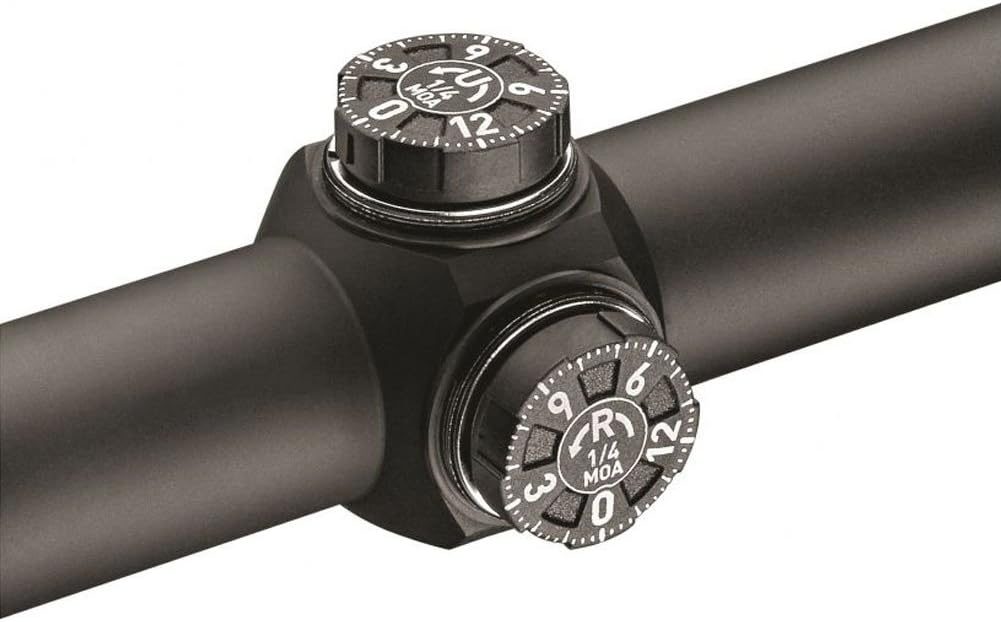
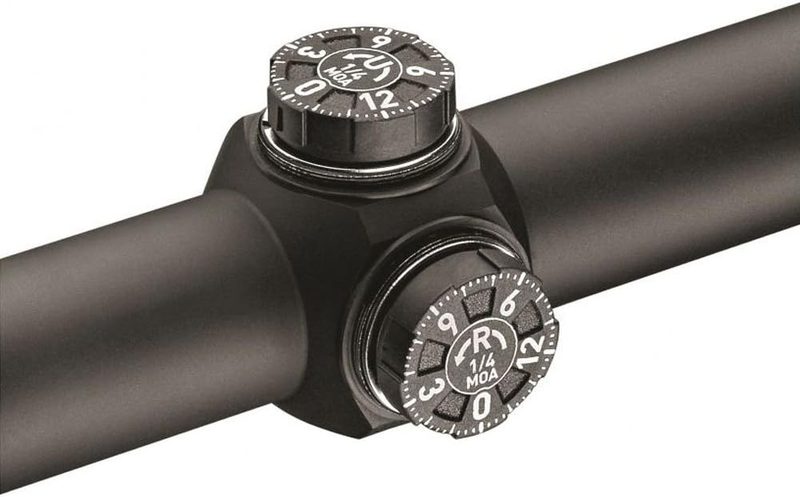
The Leupold VX-Freedom 3-9x40 duplex is the variable that matches that job. Matte, a 1-inch tube, a 40mm objective, and a duplex reticle in the second focal plane. Leupold lists the field at about 33.7 feet at 3x and about 13.6 feet at 9x, both at 100 yards, with eye relief that runs from a little over four inches down toward three and a half as you roll the power up. Weight is about 12 ounces before rings. Capped turrets in quarter-MOA clicks are the timber setup. You zero them, cap them, and hunt the duplex. A custom dial is a different rifle, the one you range and turn. Timber does not give you that kind of time, and a dial cut for the wrong cartridge is a confident miss.
The trap is leaving the ring on 9x. At nine power the field collapses, the eye box gets picky under a hood, and a deer at 40 yards becomes a hide with no edges. Paint a witness on the power ring at 4x, or pick a number you can feel with a glove, and return there after every look. A 3-9 hunted at 4x is a fixed scope that can grow when you ask. A 3-9 hunted at 9x is a worse timber scope than the fixed 4x you talked yourself out of.
| Question | Fixed 4x | 3-9 duplex | Our call in timber |
|---|---|---|---|
| Woods and creek bottoms | One picture, no power ring | Fine if you park it near 4x | Fixed 4x |
| A cut or a field edge | You can shoot it, seeing is harder | Roll up, look, come back down | 3-9 |
| Reticle | Wide duplex | Duplex, capped turrets | Duplex either way |
| Left on high power | Cannot happen | You lose the close deer | Fixed 4x forgives you |
| Weight on a still-hunt | About 9 ounces in an FX-II | About 12 ounces before rings | Fixed 4x |
Weights and fields are the published figures for the FX-II 4x33 and the VX-Freedom 3-9x40 duplex. Rings and a base add their own ounces. Confirm the current scope with the shop before you order a base.
Why a Christmas-tree reticle is the wrong glass in the woods
A Christmas-tree reticle is a center dot or cross surrounded by hashes, dots, and a ranging ladder, often in the first focal plane, often with exposed turrets you are invited to spin. It is built for a shooter who knows the distance, knows the drop, and has time to hold a specific mark. Timber deer rarely offer that. They offer a shoulder, a few seconds, and a background of branches. A duplex does the job: thick posts that you can find in low light, thin wires at the middle, one aiming point you zeroed.
Holdover marks you have not shot are fiction. A tree that was drawn for one bullet at one speed will point at the wrong place on a different load, and in brush you will not have a rangefinder session to rescue it. A rangefinding scope is a different hunt, the open-country one where you will practice the buttons. Long-range scopes are the same fork. If your timber rifle is also your prairie rifle, buy the 3-9 duplex first and add the complicated scope when the country actually gets long. Do not make the woods rifle wear both jobs in one reticle.
Illumination is optional in the daytime timber and useful at the end of legal light if you have tested it. A glowing tree of hashes at dusk is clutter. A glowing center, or a duplex you can still see, is the tool. If the scope has no illumination, hunt the hours when you can see the wires. Last light is a light problem and a legal-shooting-hours problem. Solve both before you blame the glass.
How a duplex at 4x actually aims a deer
Zero the center at 100 yards with the load you will hunt, from the rest you trust. With most deer cartridges that zero puts you a little high at closer timber ranges and still on the vitals out toward the distances a 4x is honest about, once you have seen the group. Do the seeing on paper. A range day before rifle season is bags, glasses, and a target you can call. Confirm on a weekday if the weekend line is a crowd. The rifle stays at a licensed dealer.
At 4x you hold the fine center where you want the bullet, and the thick posts pull your eye there without covering the deer. That is the whole method. You do not dial. You do not count hashes. If the deer is farther than you have practiced, you pass or you get closer. A fixed 4x makes that honesty obvious. A 3-9 can hide it, because nine power makes a far deer look like a decision even when you have never shot that far with the rifle.
Quartering deer, brush on the line, and a deer that is looking at you are identification problems before they are reticle problems. Four power shows you enough to refuse a bad shot. Nine power shows you more, for a moment, if the eye relief still works with your hood. Accuracy work includes calling the shot you did not take. A first deer checklist still starts with a rifle you have already shot at the distance you will hunt.
How do you mount a 1-inch hunting scope so it stays zeroed?
Both of these scopes are 1-inch tubes. A 40mm objective on a bolt rifle usually wants medium rings so the bell clears the barrel. A smaller 33mm objective often clears in low or medium rings, depending on the contour of the barrel and the height of the bases. Dry-fit at the shop. A scope that kisses the barrel is a ruined tube and a ruined zero. Buy the rings and the bases as a set that matches the rifle, from the counter that will mount them. Torque is the number printed for those rings. Over-tight rings oval a tube. Under-tight rings slip the first time a deer cartridge shoves the rifle.
Set eye relief in the coat you will wear, scope at the power you will hunt. On a 3-9, check it at 4x and again at 9x, because the eye box shrinks as the power comes up. On a fixed 4x, set it once and mark the rings if you want to see a slip later. A lever gun with a top-eject action needs mounts that keep the brass path clear. A bolt gun needs bases that match the receiver holes. Neither of those is a guess you make from a photo. The smith or the counter has done your action before. Let them.
Then leave the mount alone. A weekend of "just checking the screws" with the wrong driver is how zeros walk. If a screw was supposed to get thread locker, the shop already did it. Your job in October is to shoulder the rifle and see the same picture you zeroed. Pattern the gun you will hunt while you still have a Saturday. A timber rifle that has not been shot since last winter is a new rifle.
How do you keep the glass usable at last light?
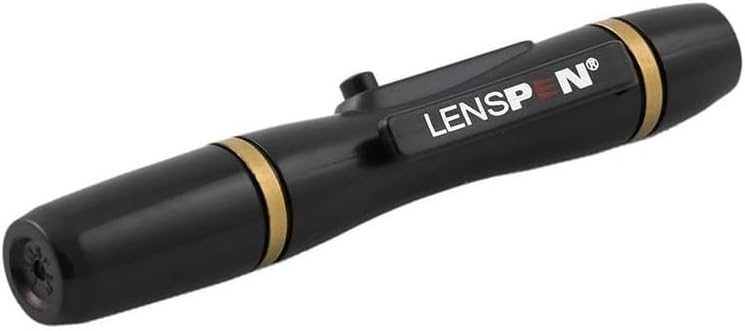
A duplex you cannot see is a dirty lens, a fogged lens, or a scope pointed at a sky that has already gone. Brush grit off the objective before you wipe. A carbon pen is the pocket cleaner: a LensPen NLP-1, brush on one end, a carbon tip that does not pour solvent into the seals. Use it on the outside of the glass. Caps stay on until you are hunting. A scope that rides in a case with the caps off collects the same dust you just cleaned.
Internal fog is a failed seal. Do not open the scope. Send it back or take it to the shop that sold it. External fog from walking into a warm blind is a caps-off, patience problem. Give the glass a minute. Wiping a cold lens with a shirt drives oil into the coating. Glasses stay on at the bench when you confirm the zero, because a hunting rifle is still a rifle.
Light transmission arguments are real and also easy to overbuy. A fixed scope has fewer lenses in the path than a zoom, which is why an old 4x often looks bright next to a cheap 3-9 set at 4x. The VX-Freedom is a hunting scope with a 40mm objective, which gathers more light than a 33mm fixed scope once the sun is down. In the last minutes of legal light, objective size and clean glass matter more than a brochure percentage. If you cannot see the duplex, you cannot shoot, and the regulation may already say you should be unloaded. Know the clock for your county.
Which scope should you buy for this timber rifle?
Buy a fixed 4x, a wide duplex on a 1-inch tube, if the rifle stays in the woods and you want the picture to be the same every time. Ask a shop for an FX-II 4x33 if they still have the matte duplex on the shelf. Buy the VX-Freedom 3-9x40 duplex if the rifle also has to look across a cut or a field, and if you will park it near 4x while you walk. Cap the turrets. Skip the hash-mark ladder. Skip exposed target knobs. Skip a 4-16 that turns every sapling into a tunnel.
Mount either scope in rings that clear the objective, torqued for that mount, with eye relief set in your coat. Zero at 100 yards on a rest you can repeat. Clean the outside of the lenses with a pen, and keep the rifle at a licensed dealer. A .308 rifle is a common timber gun. An AR-10 pattern fight is a different receiver and a different week. The timber rifle in the scabbard wants simple glass and a zero you already believe.
Frequently asked questions
Is a fixed 4x enough for a timber deer rifle?
Yes, when the rifle stays in woods and creek bottoms and you have zeroed that picture at the distance you will shoot. Four power shows a shoulder and a twig, and there is no power ring to leave in the wrong place.
When is a 3-9 the better timber scope?
A 3-9 is the better scope when the same rifle also hunts a cut, a field edge, or any shot where you need a longer look to count points or see brush on the line. Park it near 4x while you walk, and use 9x for the look.
What is a Christmas-tree reticle, and why skip it in timber?
A Christmas-tree reticle is a center aiming point surrounded by hashes and a ranging ladder, often with turrets meant to be spun. A timber shot is a shoulder and a few seconds. A duplex you have zeroed matches that shot.
Should I leave a 3-9 on 9x while I walk?
No. Leave the scope near 4x while you walk. Nine power shrinks the field and the eye box, and a close deer becomes a hide with no edges. Return the ring after every look.
Where do I buy the rifle?
At a licensed firearms dealer. Order the VX-Freedom 3-9x40 duplex if that is the scope, or ask the shop for a fixed 4x duplex if that is the scope. The rifle and the ammunition stay at the counter.
Do I need target turrets on a timber rifle?
No. Capped hunting turrets that you zero and leave alone are the timber setup. Exposed target knobs belong on a rifle you dial, after you have confirmed the clicks on paper.