
The Best Shoes to Wear When You’re Outside All Day
Written by John Wren|
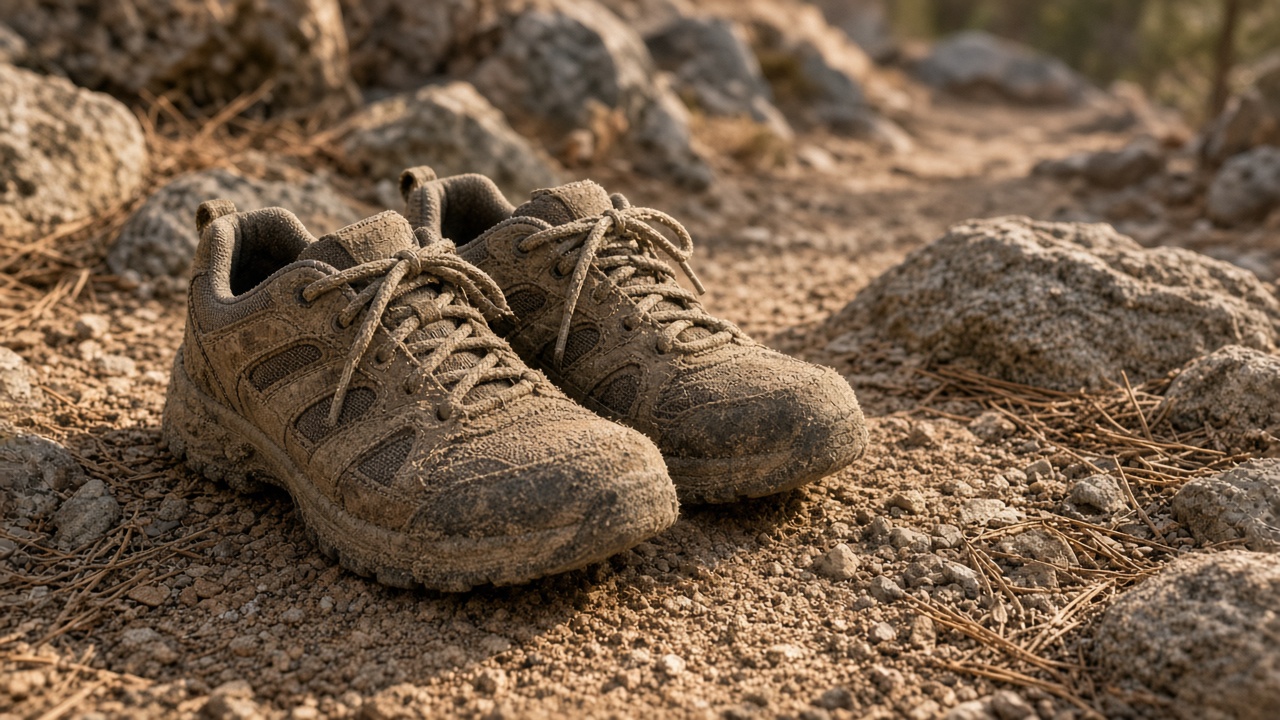
Match the shoe to the surface and the hours. Break it in. Wear a sock that is not cotton. A trail runner for miles, a cushioned shoe for standing, a proven leather boot when the pack is real.
Key takeaways
- Standing days want cushion; trail days want lugs you have proven.
- Membranes are not submarines. Drainable shoes win in warm wet country.
- Socks and break-in prevent more pain than a new logo.
- Retire packed-out foam before a planned long day.
All-day outdoor shoes are a job match, not a trophy closet. A trail runner that feels lively at mile two can feel like a paper cup at hour ten on gravel. A leather backpacking boot that is perfect under a pack can be a radiator if you are standing in a farm lane in July. In 2026 the honest question is still: what is the ground, how long are you on it, and what happens if it gets wet.
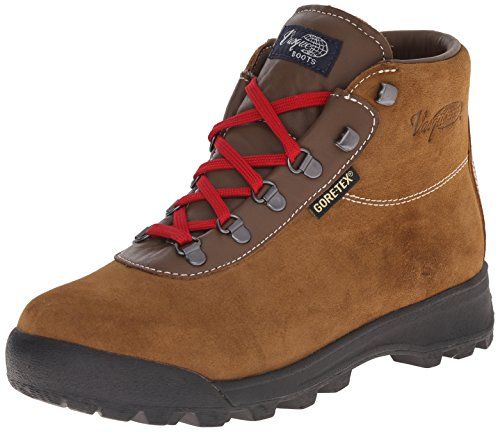
Short version. Match the shoe to the day’s surface and the load on your back, not to a photo. Cushion and a fit you already know beat a brand-new pair on a long Saturday. Socks and break-in prevent more pain than a logo. Vasque Sundowner GTX is the traditional leather trail boot we actually name. Hiking pants is the other half of all-day comfort. Check live prices. We do not invent numbers.
This is not a fake best-ten list. Sandals, court sneakers, and fashion boots all “work outside” until they do not. The failures are predictable: no tread on wet wood, no structure on a sidehill, no drainage in a creek, and a heel that was never walked in before the event.
Match the day: standing, walking, or carrying
Standing on hard ground — a range, a dock, a festival lane, a farm gate — wants cushion and a stable heel more than aggressive lugs. A trail shoe with a moderate rocker and a real midsole usually beats a minimal sneaker. If you will not leave a 40-foot circle, you do not need a backpacking boot. You need something that does not flatten by lunch.
Walking miles on mixed trail wants a trail runner or a light hiker you have already proven. Lugs matter on dirt and wet grass. A road-running foam that loves pavement can feel vague on off-camber roots. If the day includes a pack, the boot or shoe needs a heel that does not slip when the load shifts. Slip is a blister with a delay.
Carrying weight on rock or a hunt is the leather or stout synthetic boot conversation. That is not the same as “I am outside.” Upland hunting boots is the hunting-boot fork. Do not take a cushy lifestyle sneaker into talus because it looked outdoor-adjacent in a catalog.
Wet, dry, and the myth of one shoe
Gore-Tex and similar membranes help in cold rain and wet brush when you will not be dunking the boot. They are not a submarine. Once water comes over the cuff, you are wearing a bucket. In warm wet country, a quick-drain trail shoe and a sock you can wring out often dries faster than a sealed leather boot. Know the weather, not the marketing sentence.
Farm mud and boat decks are their own surfaces. Deep lugs pack with clay and become skates. Siped rubber that likes wet wood is a deck shoe problem. Hiking lugs that eat dirt can be wrong on a slick gunwale. If the day is a dock and a lawn, a shoe that does both poorly is worse than changing pairs at the truck.
Sandals have a real job: camp, river, a hot walk on known ground. They are not all-day tools on scree, snake country, or a job site with nails. Closed toes save you from the stupid injuries. Snake boots if the grass is the kind that hides fangs. Mesh trail shoes breathe. They also drink grit. Gaiters are allowed to be boring.
Fit, socks, and the break-in you cannot skip
Buy the pair that fits the foot you have after a workday, not the foot you had at 8 a.m. in a cold shop. Leave room to splay. A heel that lifts will make a hot spot by mile four. Lacing is a skill: lock the heel, do not crush the instep, and re-tie when the foam settles. Fancy BOA systems do not excuse a last that is wrong for you.
Socks are equipment. Cotton holds water and wrinkles. A merino or synthetic hiking sock you already like is worth more than a second pair of novelty shoes. Carry a dry pair if the day is long and wet. Change them at lunch. That one habit has saved more events than a new insert.
Break in leather on errands and short walks. Do not debut a stiff boot on a ten-hour trail day. Soft trail runners need less ceremony, but they still need a day on similar ground. If a seam prints on your ankle at mile one, it will own you at mile eight. Return it. Pain is data.
A named trail boot when the day is actually a hike
When the day is a trail with a pack and you want a traditional leather backpacking boot, the Vasque Sundowner GTX is the pair we will name because we already ran that page. It is not a swamp hunt boot and it is not an alpine tank. It is a classic trail boot that still asks for a break-in and a sock that fits. Check the live listing. We do not invent prices.
If the pack is heavy and the mountain is steep, that is a stiffer boot conversation — the Tibet-class fork on the Vasque page, not a second impulse pair from a search ad. If the day is a city-to-trail hybrid and you want less leather, a trail runner you have already trusted is the other honest answer. Two pair in the truck is not excess. It is how a wet morning does not ruin a dry afternoon.
Trail gear you actually need is the rest of the kit that fails when people obsess over shoes and forget water and a layer. Shoes get you there. They do not replace a map or a headlamp.
How all-day shoes actually fail
Midsoles pack out. A shoe that felt plush in year one becomes a slab. If your knees complain on pavement you used to ignore, the foam may be done. Outsoles glaze on rock. Lugs disappear. That is not a moral failing. It is a consumable. Replace the pair before a planned long day, not after.
Wet lining that never dries becomes smell and skin trouble. Pull the insoles. Dry them out of the sun-baked car. A boot left sealed in a trunk is a biology experiment. Leather wants a clean and a conditioner on a schedule you will keep. Neglect is how a good pair dies standing up.
Wrong tool: fashion Chelsea boots on a wet boardwalk, basketball shoes on a shale slope, cheap slip-ons on a farm with manure and hidden steel. Pride is how people finish the day limping. The fix is usually the boring pair you already own, cleaned and laced, not a midnight order.
A few real days, not a ranking
Festival or zoo or county fair: cushioned shoe, closed toe, sock you forget about, extra pair in the bag if you are the adult in charge of kids. Getting kids outdoors if the day is actually theirs. Standing in line is harder on feet than a slow trail.
Trail day with a light pack: proven trail runner or light hiker, dry socks, and a plan for water. What to pack for a hike is the pack list. Do not add a brand-new boot the morning you leave the trailhead.
Water day that still includes a walk: a shoe you can get wet or a change at the truck. Boat decks want rubber that grips wet. Trails want lugs. Rarely does one pair love both. water skills if the day is skills on the water, not a shoe ad.
The pair that finishes the day
The best all-day outdoor shoe is the one that matches ground and hours, fits the foot you have at 3 p.m., and has already been walked in. Name a boot when the trail is real. Wear a runner when the miles are light. Change socks. Retire foam that has gone dead. Check live prices if you replace a pair. We do not invent numbers. Leave the fake top-ten on the other sites.
A last packing thought: the shoes on your feet, a dry sock, a spare lace, and enough sense to sit down when a hot spot starts. Ten minutes with a bandage is cheaper than a month of a ruined toenail. That is the whole lecture.
Insoles, lacing, and the mid-day reset
A stock insole is a starting point. If your arch is done by hour six on hard ground, a supportive aftermarket insole you have already worn on errands can be the whole fix. Do not stack a brand-new insole and a brand-new shoe on the same Saturday. Change one variable. If the insole prints a ridge on your foot at mile two, it will own you at mile ten. Return it.
Re-lace at lunch. Foam settles. Feet swell. A heel that was locked at 8 a.m. can lift at 2 p.m. Sit down, empty grit, and tie again. That five-minute reset is cheaper than a blister you will feel for a week. Gaiters help on sand and snow. They do not replace a tongue that dumps dirt into the boot. Learn your pair’s bad habit and pack for it.
Toenails are gear maintenance. Trim them before a long downhill. A black nail is often a shoe that is too short or a lacing job that let the foot slam forward. Size and lock the heel. Do not invent a medical mystery when the last is just short.
Job-site, ranch, and range days
A construction-adjacent outdoor day wants a toe that will forgive a dropped tool and a sole that does not become a skate on wet plywood. That is not a trail runner’s job. A ranch day wants something you can scrape and that will not dissolve in a wet lot. A range day wants a shoe you can stand in for hours on gravel. Cushion and a stable heel beat a hiking lug you do not need.
If your week mixes those days, two pairs in the truck is the honest kit. The trail shoe stays clean enough to hike. The work pair takes the abuse. One pair asked to do every job will do the important one badly on the day it matters. That is how people show up to a ridge in a flattened lifestyle sneaker.
Winter standing is a different stack: insulation, a dry sock, and a sole that still grips packed snow. Summer standing is breathability and a sock you can change. Do not buy a winter boot for a July fair because it looked “outdoor.” Heat rash and a soaked liner will end the day before the concert.
Also in the magazine
Keep going with the Vasque Sundowner review, hiking pants, trail gear you cannot skip, and hiking pack essentials. We only link pages that already live here. Check live prices. We do not invent numbers.
Frequently asked questions
What shoe is best for being outside all day?
The pair that matches the ground and the hours. A trail runner for miles, a cushioned shoe for standing, a broken-in boot for a packed trail. Not a ranked list of ten logos.
Are waterproof boots always better?
No. Membranes help in cold rain. In warm wet country a drainable shoe often dries faster once water comes over the cuff.
Should I wear new shoes on a long day?
No. Break in leather first. Even soft trail shoes need a shorter day on similar ground.
Do socks really matter that much?
Yes. Cotton and a wrinkle will end a day. A dry spare pair is part of the kit.
When do I want the Vasque Sundowner?
When the day is a traditional trail with a pack and you want a leather Gore-Tex backpacking boot. It is not a swamp hunt boot.
Can sandals work all day?
On known warm ground and in camp, sometimes. Not on scree, snake grass, or a site with sharp debris.