
Best Upland Hunting Boots (2026)
Written by Ben Jackson|
Buy an Irish Setter Wingshooter-class 8- or 9-inch leather for most prairie walks. Buy Vaprtrek if you want less weight. Buy Kenetrek Mountain Extreme 400 if the country is a sidehill. Rubber stays in the truck for water. Break them in. Merino socks. Check live prices.
Key takeaways
- Upland is a walk, not a sit in 2,000-gram rubber.
- 7–9 inches, little or no insulation, a sole that does not clack.
- Wingshooter-class leather for most fields.
- Kenetrek when the cover is actually a mountain.
Upland hunting boots are a lighter leather you will walk miles in behind a dog: briars, CRP, a fence row, a wet morning that is dew and not a swamp. They are not 2,000-gram rubber you sit in. They are not a fashion “hunt boot” with a camo print and a 400-gram sticker you cannot feel. In 2026 the honest Amazon on-ramp is still an Irish Setter Wingshooter-class 8- or 9-inch leather, a Vaprtrek if you want a lighter synthetic walker, and a Kenetrek if the grouse cover is actually a mountain.
Short version. Buy the Wingshooter if you want the upland last people still break in and resole. Buy Vaprtrek if weight on a long walk is the job. Buy Kenetrek Mountain Extreme 400 if the country is scree and a dog that climbs. Buy Elk Tracker if you already hunt deer in Irish Setter and you want one walking leather that also does a late pheasant. Pair with blister logic and a sock you will actually hunt in. Check live prices. We do not invent numbers.
This page is upland. Snake boots if the cover is fangs you cannot see. Women’s lasts if the heel is the problem. A swamp sit is still rubber. A prairie walk is leather you can flex.
Who needs an upland boot, and who should stay in rubber?
Walk if the hunt is a dog, a field, a cover strip you will cover twice. Sit rubber if the “upland” is a flooded timber hole you renamed. A Wingshooter in standing water over the leather line is a wet sock with a warranty. Cold-weather hunting boots is the sit-and-wait sibling. This page is miles.
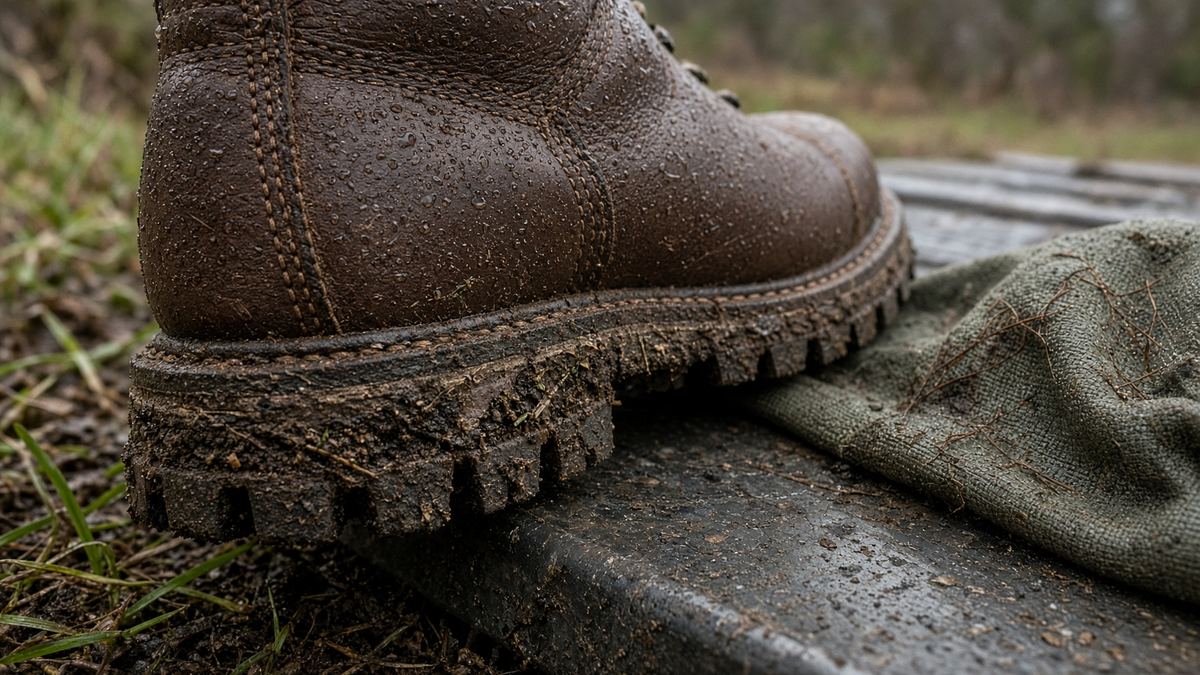
Height: 7 to 9 inches is the upland window. It keeps grass seed and gravel out without cooking a calf the way an 18-inch snake shaft will on a September quail walk. Insulation: none, or a light 200–400 grams for a late South Dakota morning. A 1,200-gram stand boot behind a running dog is a sauna you will take off at the truck and then hunt in sneakers. Do not do that.
Wingshooter and Vaprtrek — the Irish Setter walk
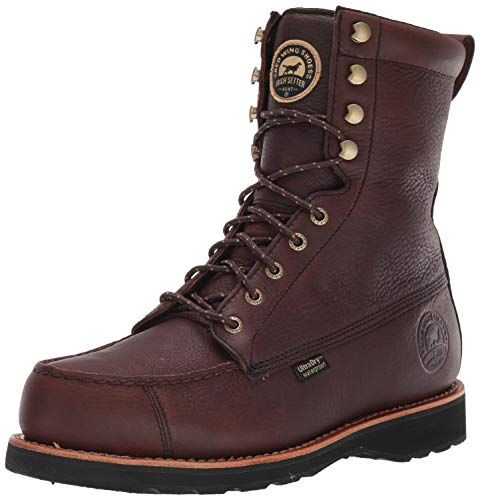
Wingshooter is the classic: full-grain leather, UltraDry-class membrane, a prairie-style sole that does not clack like a mountain lug on frozen dirt, a Goodyear welt you can talk about resoling. It is not light like a trail runner. It is light like a hunting boot that is not rubber. Break it in. A first 8-mile CRP day in new leather is a heel you will tape in the stubble.
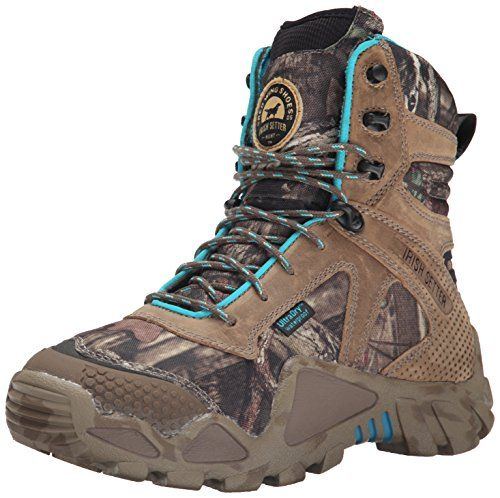
Vaprtrek is the lighter, more synthetic Irish Setter walking boot: less romance, less weight, a last a lot of people already hunt deer in. It is how you cover ground without pretending you bought a 1950s moc-toe. Confirm the SKU height. A 17-inch Vaprtrek is a different walk than a 7-inch. This page wants the walker, not the swamp chimney.
Socks: merino. Liner if volume allows. Winter hunting socks if the late season is ice in the grass, not if September is 78 degrees. Cotton is a blister. Always.
Kenetrek and Elk Tracker — when the cover stands up
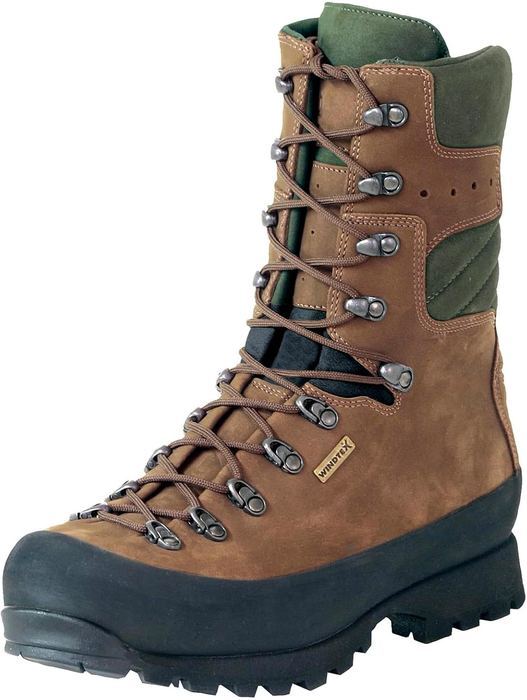
Kenetrek Mountain Extreme 400 is not a pheasant-field slipper. It is the boot you wear when grouse country is a sidehill, a talus, a pack, and a dog that does not stay in the CRP. 400 grams so you can hike. A stiff shank so a rolled ankle is less likely. It is expensive. It is the wrong boot for a pancake-flat South Dakota section. It is the right boot for a Montana walk that would eat a Wingshooter sole in a season.
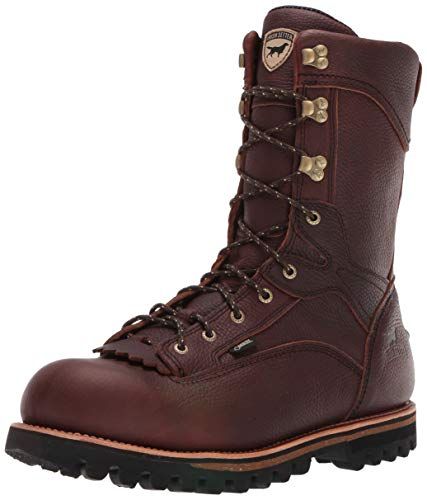
Elk Tracker is the Irish Setter walking deer boot: taller than a 7-inch upland, more hunt-camp than prairie fashion. If you already own them for November timber, they will hunt a late rooster. They will feel heavy on an early quail double. That is the trade. One pair that does two jobs beats two pairs you leave in a closet.
| Boot | Best job | Watch-out |
|---|---|---|
| Irish Setter Wingshooter 8–9" | Prairie, CRP, the classic upland walk | Break in. Not a swamp boot. |
| Irish Setter Vaprtrek | Lighter miles, a synthetic walker | Confirm height. Skip the 17" if you walk fields. |
| Kenetrek Mountain Extreme 400 | Hills, grouse, scree | Overboot for pancake CRP |
| Irish Setter Elk Tracker | One leather for deer and late birds | Heavier than a true upland last |
Confirm insulation grams and shaft height on the current listing. Check live prices. We do not invent numbers.
Our pick: Wingshooter-class leather for most bird walks. Vaprtrek if the scale matters. Kenetrek if the mountain is the cover. Harness the dog. Tape the hot spot on Tuesday. Check live prices. We do not invent numbers.
A first bird walk that is still a boot you broke in
Tuesday: gravel loop, hunt socks, moleskin in the pocket. If a hot spot shows, tape it. Saturday is a bad classroom. Blister rules still apply: friction, moisture, a heel that lifts. A first 8-mile CRP day in new leather is a toenail and a shortened hunt. Do not donate opening morning to a welt.
Dog: a bell, a GPS if you already use one, water for both of you. A boot that cannot keep up with a running dog is a boot you will take off. Vaprtrek if the scale is the walk. Wingshooter if you want leather that will still look like a boot in year five. A vest or a pack that does not slap a kidney on a trot. A water bottle you can reach without a circus.
Fence rows: a sole that does not skate on frozen dirt. A mountain lug that clacks will educate every rooster in the strip. Prairie soles exist for a reason. Kenetrek on pancake CRP is a hiking boot you overbought. Save it for the sidehill grouse. Check live prices. We do not invent numbers.
Care, resoles, and when the boot is done
Mud off the same day. Leather conditioner the maker does not hate, twice a season. Pull the insoles. A wet Wingshooter stuffed in a truck cab is a science project and a smell. Cedar trees in the garage are how welts last. A glued fashion boot is done when the sole is slick. A welted Irish Setter can talk to a cobbler. Ask before you assume Amazon will replace a five-year walk.
Replace when the shank folds, the membrane weeps on dew, or the heel lifts no matter the sock. Hunt the last season as a backup, not as the only pair on a paid lodge day. Snake country is a different shaft. Do not pretend a 9-inch upland boot is fang insurance in palmetto. Wear the snake boot there. Wear the Wingshooter in the grass.
Women: if the heel slips in a men’s D, a women’s last is the product, not another pair of socks. A narrower heel is not a smaller men’s boot. Try before a season. Check live prices. We do not invent numbers. Walk them. That is the review.
Prairie, grouse hills, and the boot that does not do both
South Dakota CRP and a fence row: Wingshooter or Vaprtrek, little insulation, a sole that does not clack. Montana sidehill grouse: Kenetrek 400, a shank, a pack. A Florida bobwhite walk in palmetto: look at snake boots first, then upland leather if the cover is actually grass. One boot for every bird in North America is a catalog sentence. Two pairs in a truck is how people hunt.
Late season ice in the grass: a light 400 grams or a thicker sock, not a 1,200-gram stand boot behind a running lab. Early September heat: uninsulated, vented socks, a spare pair in the vest. Winter socks in September is a blister machine. Match the sock to the month.
Public land: farther, more miles, more dew. Private: sometimes a shorter walk and a wet ditch. Rubber in the truck for the ditch. Leather for the field. Public land is a walking problem. The boot is part of the skill. A noisy lug on frozen dirt is a rooster you will not see.
When to skip an “upland” listing
A 17-inch camo chimney titled upland. A 2,000-gram rubber “bird boot.” A fashion moc-toe with no membrane and a fashion sole. A used pair with a folded shank. A women’s foot forced into a men’s D “because hunting boots run big.” The last is the product. Skip it. Buy the walker. Break it in. Tape the spot. Check live prices. We do not invent numbers. A dog that still hunts when you are limping is a dog you owe a better Tuesday.
Gaiters: useful in burrs. Not a substitute for height. A 6-inch “hunt shoe” plus a gaiter is still a hunt shoe. Nine inches is the grass-seed window. Burrs in a tongue will educate you once. Then you will buy the height. Then you will still pick burrs. That is upland. The boot just makes the miles possible. Walk them. Hunt the wind. Pick up the bird. That is 2026 in CRP, including the 2,000-gram rubber you left in the truck.
The dog, the burr, and the Tuesday you actually walked
A boot that cannot keep up with a dog is a boot you will curse at mile four. Condition the dog and the leather on the same week. Short covers first. Water for both. Burrs in a tongue once, then you buy height or a gaiter, then you still pick burrs. That is the sport. A vest that does not slap. A whistle you can reach. A boot you already broke in. Check live prices. We do not invent numbers.
Night retrieve: a lamp that is not the truck high-beams on a neighbor’s house. White off when you can. The boot still has to walk you out. A folded shank at dark is a story. Replace it before a paid day. Walk the Tuesday. Hunt the Saturday. That is upland leather in 2026, including the 2,000-gram rubber you left for the ditch.
A last word on upland leather
Wingshooter-class 8- or 9-inch leather for most CRP. Vaprtrek if the scale is the walk. Kenetrek if the cover stands up. Rubber in the truck for water. Cold sits are a different boot. Break them in on Tuesday. Tape the spot. Merino. Pick the burrs. Check live prices. We do not invent numbers. Walk them. That is the review, including the 2,000-gram chimney you did not wear behind a running dog.
Frequently asked questions
What are the best upland hunting boots?
An Irish Setter Wingshooter-class 8- or 9-inch leather for most prairie and CRP walks. Vaprtrek if you want less weight. Kenetrek if the cover is actually a mountain.
Do upland boots need insulation?
Usually no, or a light 200–400 grams for a late-season frost. A 1,200-gram stand boot behind a running dog will cook you.
Leather or rubber for pheasant hunting?
Leather for walking fields. Rubber only if you are in water or sitting. Many people keep rubber in the truck for the creek crossing and leather for the walk.
How tall should upland boots be?
Seven to nine inches keeps grass seed out without turning into a snake boot. Seventeen-inch shafts are a different hunt.
How do I break in upland boots?
Wear them around the shop, then a two-mile gravel loop with hunt socks, then a short hunt. Tape hot spots before opening morning.
Are snake boots good for upland?
Only if the cover is actually snakes. They are hotter and stiffer. See our snake-boot page if fangs are the hazard.