
Best Women’s Hunting Boots (2026)
Written by Kara Parker|
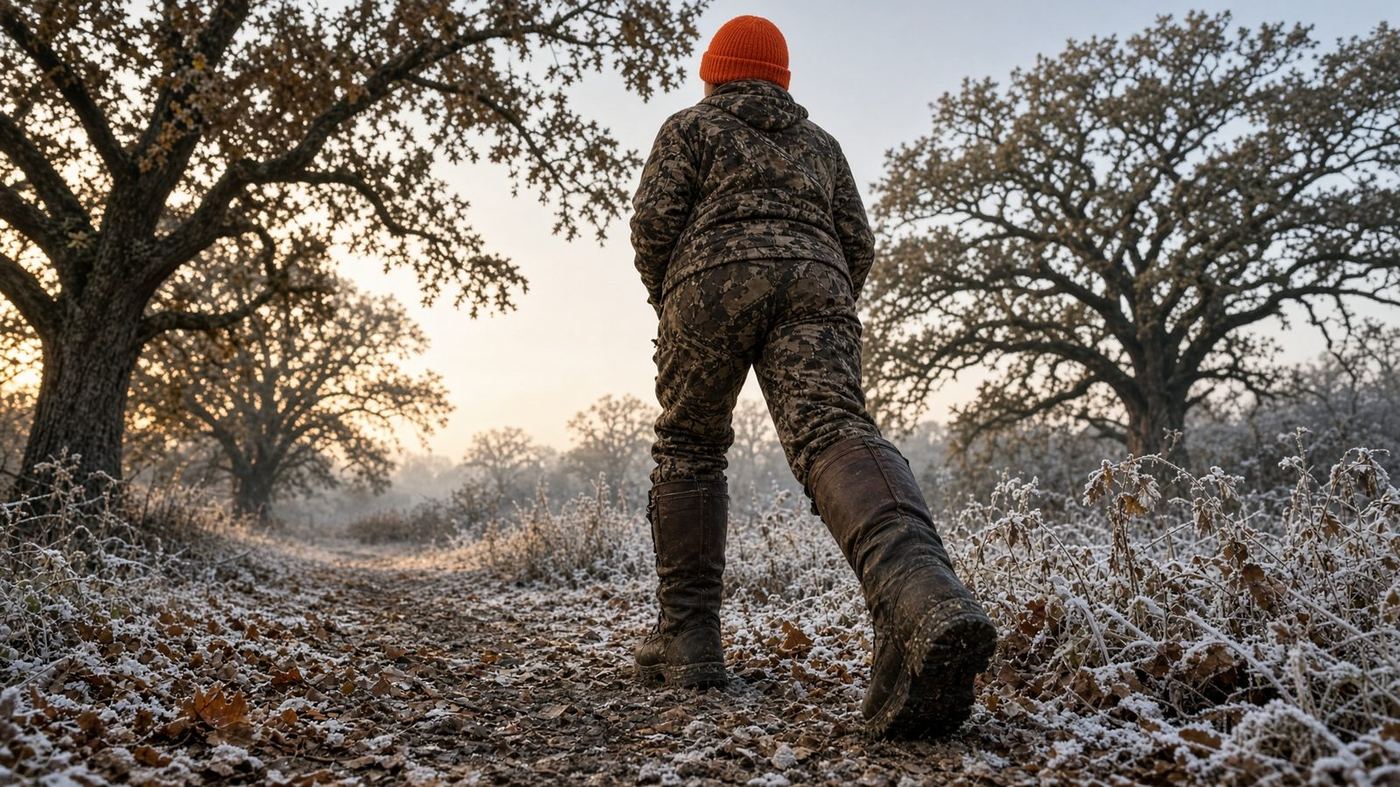
Buy a women’s-last hunting or mountain boot (Irish Setter Vaprtrek, Danner Mountain 600) if you walk. Buy a waterproof hiker (Columbia Newton Ridge) for a short timber sit. Do not stuff a women’s heel into a men’s 8.
Key takeaways
- Heel lock matters more than camo print.
- 400g walks; 800–1,200g sits.
- Hiking boots can hunt a farm. Rubber hunts water.
- Break leather in before opening day.
Women’s hunting boots fail in two boring ways: a men’s last stuffed with a women’s heel, and a hiking boot sold as a hunt boot because someone printed camo on it. A hunting boot still has to be quiet, tall enough for the job, and insulated for the sit you will actually do. The last has to lock a narrower heel. Everything else is catalog copy.
Short version. Buy Irish Setter Vaprtrek or Danner Mountain 600 if you will walk. Buy Columbia Newton Ridge or Timberland White Ledge if you need a waterproof hiker that can hunt a timber sit a half-mile from the truck. Buy XPETI Thermator when the budget is the constraint and the stand is not a mountain. Do not buy a fashion “hunt boot” with a 400-gram claim you cannot feel after forty minutes. Men’s cold-weather hunting boots is the rubber-swamp sibling — try those lasts if your calf fits.
This page is a women’s last first. Blister logic is the same: friction, moisture, a heel that lifts. Florida hunts are a snake-and-water problem — see snake boots if that is the hazard, not a 2,000-gram leather mountain boot.
How should a women’s hunting boot actually fit?
Heel locked. Toes can tap the front when you kick a wall, then settle back. If the heel slips in a “women’s” boot, the last is still wrong. Width: a wide forefoot in a narrow last is a numb toe by 9 a.m. Lace-to-toe systems help. A six-inch hiker is not a briar boot. Eight to ten inches is a hunt boot you can walk. Sixteen-inch rubber is the swamp — often in unisex pull-on sizing.
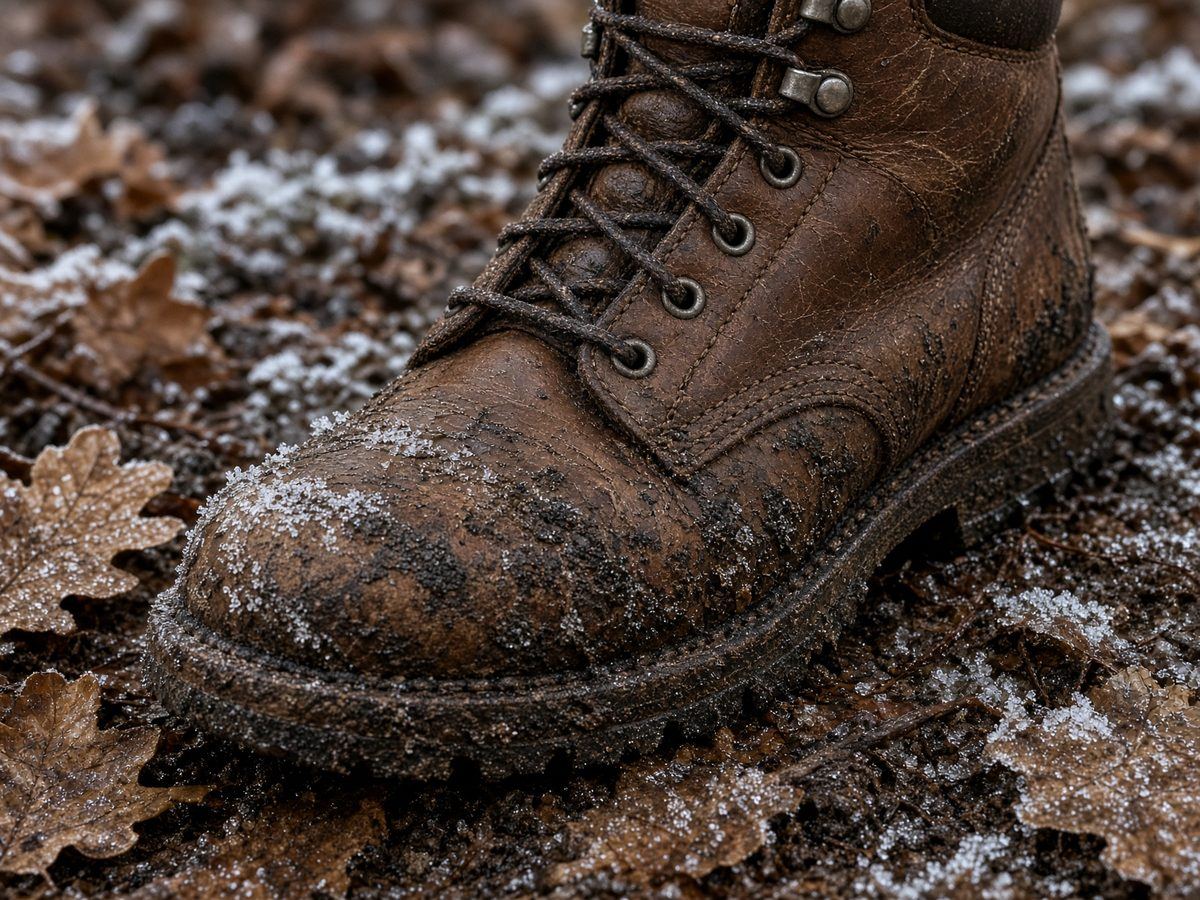
Irish Setter Vaprtrek and Danner Mountain 600 — the walking pair
Vaprtrek is the lighter Irish Setter hunt boot: scent-control story, enough height, a walking chassis that is not a 4-pound mountain boot. Danner Mountain 600 is the hiking-first boot that still belongs on a ridge hunt if the insulation SKU matches the morning. Both need break-in. Both beat a fashion boot on a two-mile walk-in.
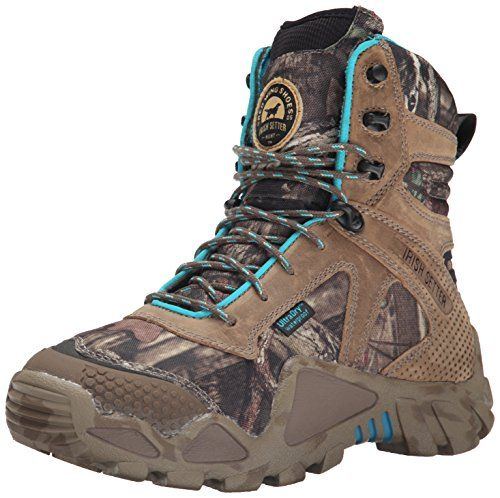
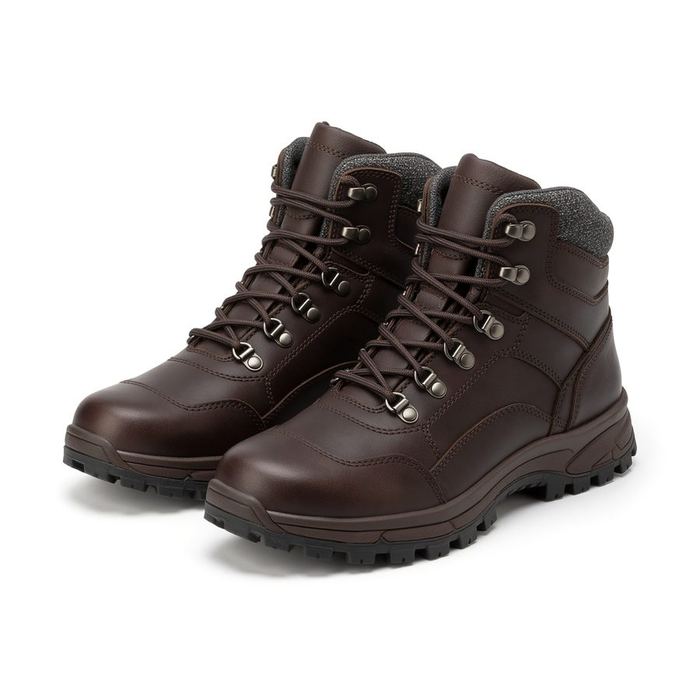
Wear the socks you will hunt in. Winter hunting socks are merino, not cotton. Too much sock in a tight Danner last is a black toenail on the downhill. Too little sock in a generic last is a blister on the heel you cannot lace down.
Columbia Newton Ridge and Timberland White Ledge — the hiker that hunts
These are waterproof hikers that a lot of women already own and then hunt in. That is allowed. They are not 18-inch swamp boots and they are not Kenetrek. They are the boot for a farm, a timber sit, a public-land walk that is still a hike. Newton Ridge is the known Columbia pattern. White Ledge is the Timberland that shows up in “I already have these” stories.
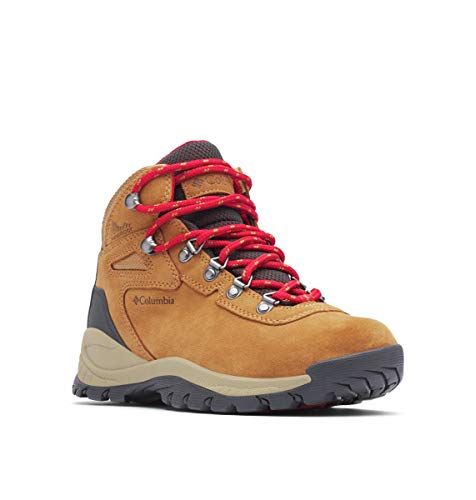
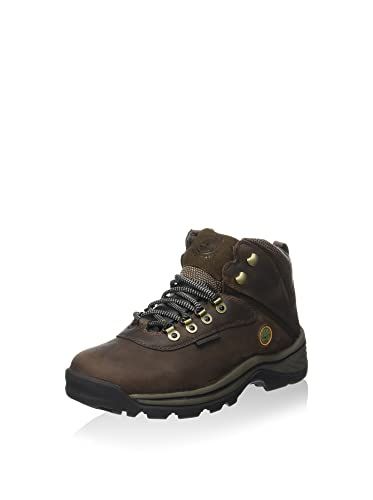
Quiet soles on frozen oak leaves matter. Aggressive lugs that clack will educate every doe in the county. If the hunt is a food plot in standing water, these are the wrong tool — go rubber. If the hunt is a ridge, they are a fair first pair while you save for Vaprtrek or Danner.
XPETI Thermator — budget insulated
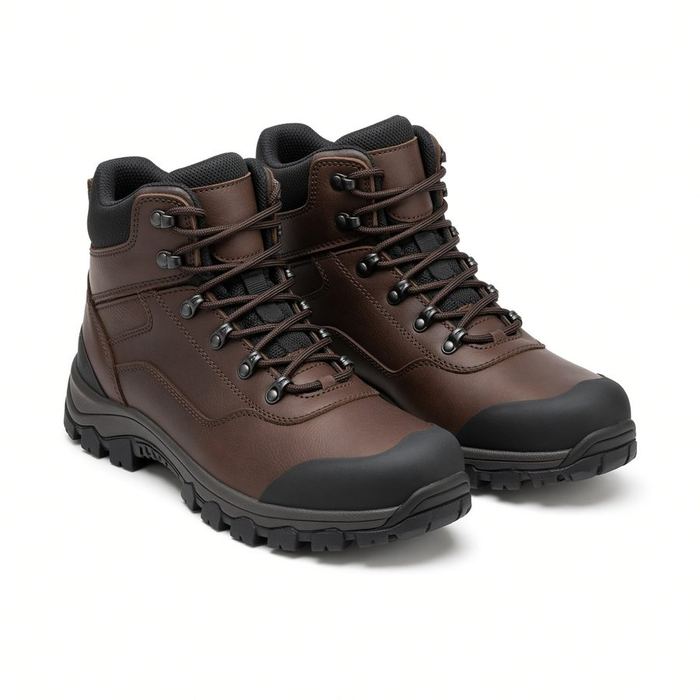
Thermator-style boots are how a first season gets insulation without a Danner invoice. Treat them as a stand-and-short-walk boot. The last is generic. The insulation is the reason they exist. If they hunt a season and die, they still paid for the tag. If you live in them 60 days a year, step up.
Our pick for most women who walk to a deer stand: Irish Setter Vaprtrek, broken in, merino socks. Our pick for a hiking-first hunter: Danner Mountain 600. Our pick for the first season: Columbia Newton Ridge. Keep rubber in the truck for the flooded morning.
| Boot | Best for | Last idea | Watch-out |
|---|---|---|---|
| Irish Setter Vaprtrek | Walk-in deer | Hunt last | Break them in |
| Danner Mountain 600 | Ridges, hiking-first hunts | Mountain hiker | Pick the insulated SKU on purpose |
| Columbia Newton Ridge | Farm, timber, first season | Hiker | Not a swamp boot |
| Timberland White Ledge | Hiker you already trust | Hiker | Not quiet rubber |
| XPETI Thermator | Budget insulation | Generic | Stand / short walk |
What women’s hunting-boot mistakes cost a season?
Buying a men’s 8 and stuffing a women’s heel into it is how blisters start before legal light. A narrower heel and a different calf are not marketing. They are anatomy. If the last is unisex and your heel lifts, you do not have a waterproofing problem. You have a last problem. Return them. Hunt the pair that locks the heel.
Insulation is still grams. Four hundred walks. Eight hundred sits. Two thousand is a January stand boot that will cook you on a hike. Women run colder in the toes more often, which is a sock and a chemical-toe-warmer problem as much as a boot problem. A merino liner plus a hunting sock beats a cotton crew in a 2,000-gram boot you cannot lace.
Break-in is not optional because the boot is “women’s.” Leather still needs miles. Walk the gravel loop in the socks you will hunt in. Moleskin the hot spot on Tuesday, not opening morning. Rubber pull-ons still slip. A thicker sock takes up volume. Do not size up two full sizes “for thick socks.” That is a blister machine in any gender last.
When to spend Danner money: western miles, scree, a shank you will actually use. When to spend Irish Setter Vaprtrek money: the walk-in deer hunt that is still a hunt. When to spend Columbia Newton Ridge money: the first season, the farm, the timber sit a half-mile from the truck. Men’s cold-weather hunting boots is the sibling page for the rubber swamp pair — many women hunt Muck and Lacrosse in men’s sizing when the calf fits. Try both.
Care: condition leather twice a year. Pull liners. Do not cook boots on a heater. A boot tree in the garage is how a $200 pair lasts. Replace them when the welt opens or the insulation packs flat. Do not take a dying pair on a paid hunt, even if they “still look fine” on the kitchen floor.
A fit-and-sock protocol that survives opening morning
Measure both feet in the afternoon. Hunt socks on. Kick a wall: toes tap, then settle back. Heel locked when you walk stairs. If the heel slips in the store, it will blister in the dark. Width: a wide forefoot in a narrow last is a numb toe by 9 a.m. Lace-to-toe systems help. A six-inch hiker is not a briar boot. Eight to ten inches is a hunt boot you can walk. Sixteen-inch rubber is the swamp — often in unisex pull-on sizing, and that is allowed if the calf and heel actually work.
Socks are half the boot. Winter hunting socks are merino, not cotton. A liner plus a hunter sock if volume allows. Too much sock in a tight Danner last is a black toenail on the downhill. Too little sock in a generic last is a blister on the heel you cannot lace down. Change socks at lunch if you hiked in. The dry pair in a zip bag is not a luxury. It is the second half of the sit.
Blister logic is the same as a hike: friction, moisture, a heel that lifts. Moleskin the hot spot on the gravel loop, not after you have already sat a stand with a raw heel. Powder the insides of rubber. Pull liners at the truck. Do not store leather folded in a hot cab. That cooks the glue.
Quiet soles on frozen oak leaves matter more than a camo print. Aggressive lugs that clack will educate every doe in the county. If the hunt is a food plot in standing water, Newton Ridge is the wrong tool — go rubber. If the hunt is a ridge, they are a fair first pair while you save for Vaprtrek or Danner. Florida hunts are a snake-and-water problem. See snake boots if that is the hazard, not a 2,000-gram leather mountain boot you will cook in by 8 a.m.
Two pairs, replacement, and what we skipped
Serious hunters own two pairs and switch at the truck: a walking leather and a rubber sit boot. That is not excess. That is matching the ground. A single “do everything” boot is how you either blister on the ridge or soak in the swamp. If the budget is one pair this year, pick the ground you will actually hunt, not the catalog photo of a mountain you will not walk.
Replacement: welt opening, insulation packed into a cold pancake, lining showing sock, sole slick on wet leaves. Resolable leather can live a decade. Glued fashion boots live until the crease cracks. Hunt the last season in them as a backup, not as your only pair on a paid out-of-state hunt. If you can see sock through the lining, you are done.
What we skipped: upland boots for walking fields behind a dog, turkey boots sold as a separate religion, and “fashion hunt” Chelsea boots with a membrane claim you cannot feel. Upland hunting boots are a softer sole and a shorter shaft. Do not hunt pheasants in 2,000-gram rubber unless you enjoy soaking in your own sweat. Check live prices. We do not invent numbers. Try the last. Return the pair that lifts at the heel. That is the whole review that a product photo cannot do for you.
First-season math: Columbia Newton Ridge, merino socks, moleskin in the pack, a rubber pair borrowed or bought used for the flooded morning. Step to Irish Setter or Danner when the miles get real. Keep the XPETI in the mix when the stand is a short walk and the invoice has to stay a first-season invoice. A boot you will actually wear beats a mountain boot you are afraid to scuff.
Opening-morning packing that is not a fashion show
Boots, hunt socks, liner, moleskin, a dry pair in a zip bag, powder for rubber, and a second pair in the truck if you own it. That is the kit. Camo print is not the kit. Lace them in the garage so you are not inventing a knot in the dark. If a hot spot showed on Tuesday’s gravel loop, it will show at 6 a.m. Cover it before you leave the driveway.
Quiet walk in: no clacking lugs on frozen dirt, no headlamp in a doe’s face, no new boot squeak you could have found on a sidewalk. A first-season Newton Ridge that is broken in will kill more deer than a Danner you are afraid to scuff. Wear the boot. Hunt the stand. Check live prices when you replace them. We do not invent numbers.
Frequently asked questions
Can I hunt in women’s hiking boots?
For a short walk to a timber stand, yes — Columbia Newton Ridge and Timberland White Ledge are that idea. For swamps, buy rubber. For ridges, buy a hunting or mountain last (Irish Setter, Danner).
Do women’s hunting boots need insulation?
If you sit, yes. Four hundred grams walks. Eight hundred to 1,200 grams sits. Pair insulation with merino socks. A cold toe is often a sock problem.
Should I just buy men’s hunting boots in a smaller size?
Only if the last actually fits your heel and calf. A men’s 8 with a women’s heel that lifts is a blister. Try women’s lasts first. Rubber pull-ons are often unisex.
How do I break them in?
House, gravel, two-mile loop in hunt socks. Moleskin hot spots before opening day. Leather still needs miles even if the box says women’s.
Waterproof or rubber?
Membrane leather for dry cold and walking. Rubber for standing water and mud. Many hunters own both and switch at the truck.
What socks should I wear?
Merino or a merino blend. Add a liner if volume allows. Skip cotton. Size the boot to the socks you will hunt in, not a summer store visit.