
Best Hunting Boots for Cold Weather (2026)
Written by John Wren|
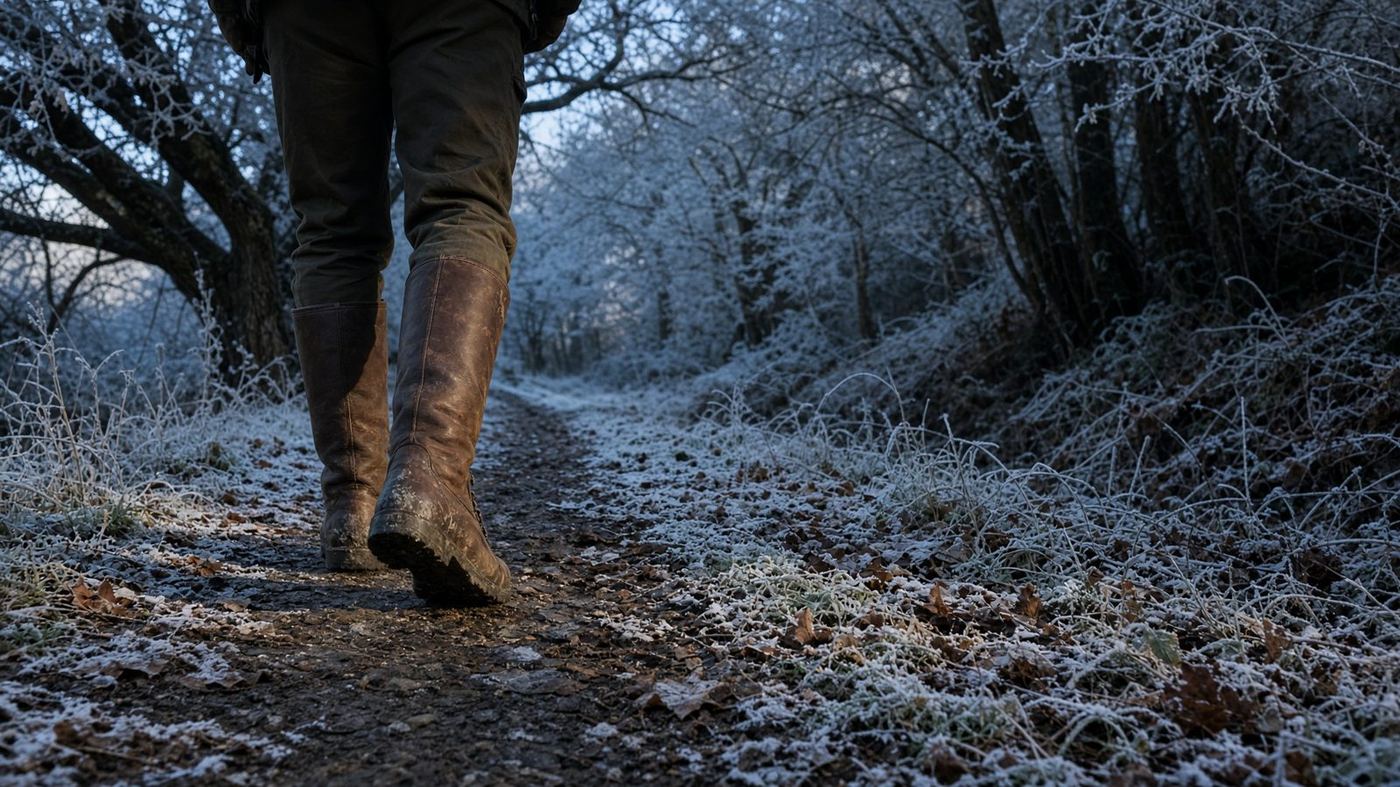
Buy leather mountain boots (Kenetrek, Irish Setter) if you walk ridges. Buy tall rubber insulated boots (Muck, Lacrosse) if you hunt water, mud, or a food plot. Four hundred grams walks; 1,200 grams sits.
Key takeaways
- Height and sole matter more than camo print.
- 400g insulation walks; 800–1,200g sits; 2,000g is a January stand boot.
- Break leather in before opening day. Rubber is ready the morning you pull it on.
- Merino socks and a locked heel prevent more lost sits than a new membrane.
A hunting boot is not a hiking shoe with more leather. It is insulation, a puncture guard, and a quiet platform you will stand on for six hours while your toes decide whether the season is over. In 2026 the cold-weather hunting boot market still splits the same way it did a decade ago: tall leather mountain boots you break in for a month, and tall rubber boots you pull on in the truck and hunt wet ground the same morning.
Short version. Buy a leather mountain boot like the Kenetrek Mountain Extreme 400 or the Irish Setter Elk Tracker if you will walk ridges, climb, and hunt dry cold. Buy a rubber insulated boot like the Muck Woody Max or Lacrosse Alphaburly Pro if you sit in a swamp, flooded timber, or a food plot that turns to soup at 4 a.m. Do not buy a fashion “hunt style” boot with a fashion membrane and a 400-gram claim you cannot feel after forty minutes.
Match the boot to the stand, not the catalog photo. A still-hunt in Florida palmetto is a snake-and-water problem. A first deer hunt in a November Midwest frost is an insulation-and-silence problem. Women’s hunting boots belong in the same conversation if the last is actually built for a narrower heel; stuffing a women’s foot into a men’s 10D is how blisters start before legal light.
Insulation is sold in grams of Thinsulate or equivalent. Four hundred grams is a walking boot. Eight hundred to 1,200 grams is a stand boot. Two thousand grams is a sitting-still-in-January boot, and it will cook you if you hike a mile in it. Rubber boots trap heat and sweat. Leather boots breathe and then freeze the sweat if you packed too hot. That is the whole physics argument, and ignoring it is how people quit a hunt at 9 a.m. with “cold feet” that were really wet feet.
How should you actually pick a hunting boot?
Height first. Sixteen to eighteen inches is the swamp standard because it keeps splash and ticks off the calf. Eight to ten inches is a mountain boot that you can hike. A six-inch “hunt boot” is a hiking boot that marketing painted camo. If you hunt briars, ticks, or standing water, buy tall. If you hunt western scree and you will cover six miles before you glass, buy the shorter leather chassis and accept that your socks will get grass seed in them.
Sole second. A mountain boot wants a stiff shank and a Vibram-style lug you can edge on frozen oak leaves. A rubber boot wants a siped, quiet sole that does not sound like a serving tray on frozen mud. Aggressive lugs that clack on a food-plot trail will educate every doe in the county. Quiet rubber on a dry limestone ridge at 10 a.m. will squeak. You cannot have one sole for both jobs, which is why serious hunters own two pairs and switch at the truck.
Third is the last. Kenetrek runs a performance mountain last. Muck runs a pull-on calf. Irish Setter sits between them. If you have a high instep, try before you ship. If you have a wide forefoot, look at EE and do not believe the internet size chart that was written for a 2014 last. A boot that is “almost” right will take a toenail on the downhill of a drag.
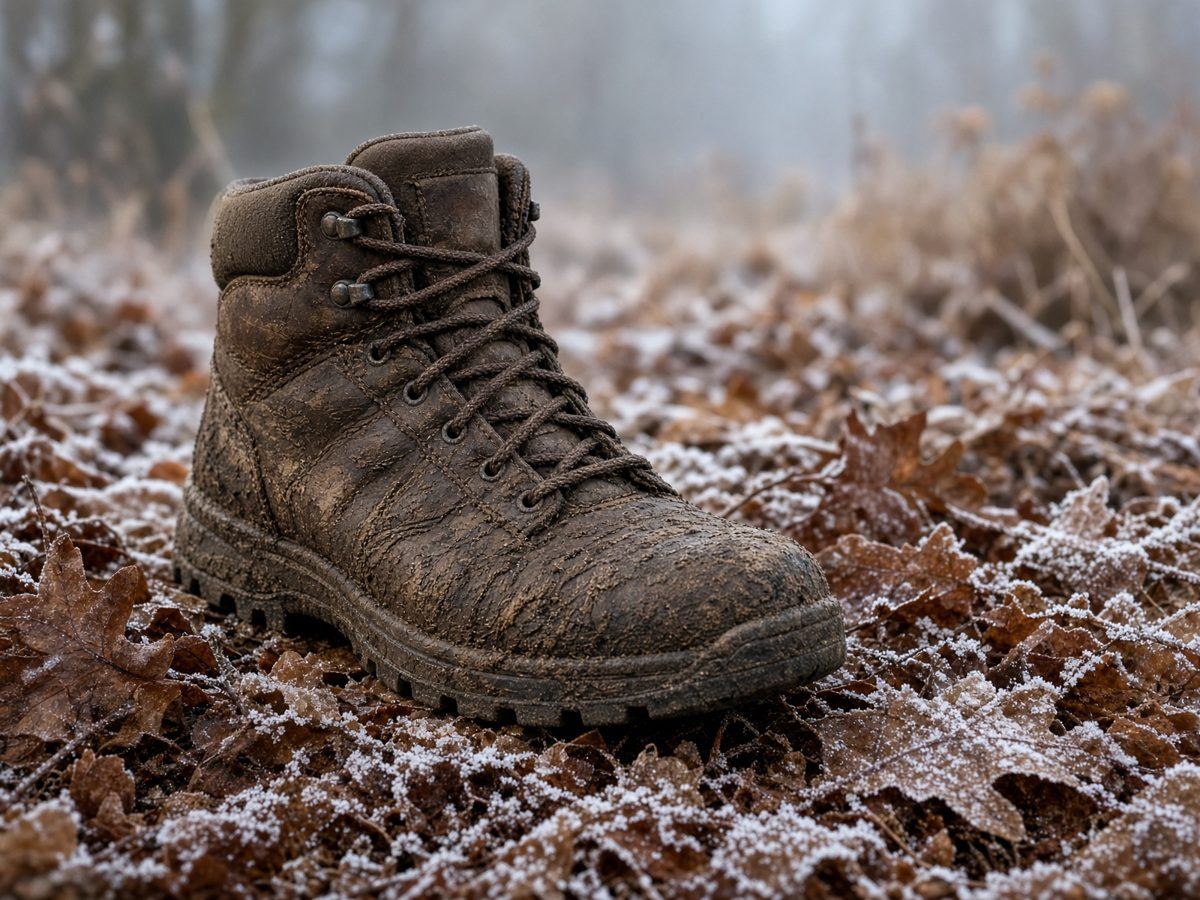
Irish Setter Elk Tracker — best walking leather
The Elk Tracker is the boot we send people to when they will cover ground. Scent-control leather, a real welt, a 12-inch height, and enough insulation to hunt a frost morning without turning the hike in into a sauna. It is not a swamp boot. It is the boot you wear when the stand is a mile in and the ridge is frozen. Irish Setter has been building this pattern long enough that replacement insoles and resoles are a real conversation, not a wish.
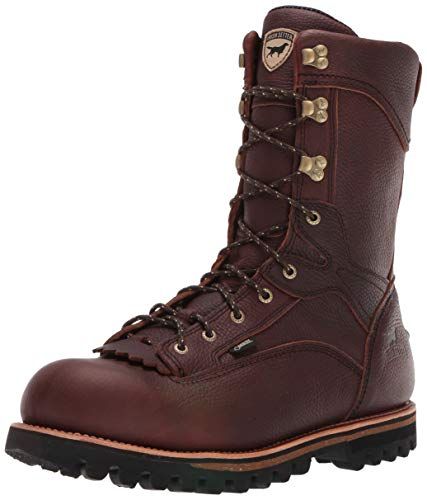
Break them in. A leather hunting boot that feels perfect in the store will chew your heel on day three if you skip the walks. Wear them around the shop, then on a two-mile gravel loop, then on the real ridge with the socks you will hunt in. If a hot spot shows, moleskin it before opening morning, not after. Pair them with a merino liner and a heavier hunting sock, not a cotton gym sock. For blister logic on long approaches, the same rules as preventing blisters on a hike apply: friction, moisture, and a heel that lifts.
The Elk Tracker is the wrong answer for a flooded timber hole. Water over the leather-rubber line and you are wearing a wet sock with a warranty. Keep a rubber pair in the truck for those mornings. For winter sit-and-wait from camp, winter hunting from an RV is the sibling problem: the boot that walks to the stand is not always the boot that sits in it.
Kenetrek Mountain Extreme 400 — best mountain hunt boot
Kenetrek built a following among elk and sheep hunters who treat boots like tools. The Mountain Extreme 400 is the insulated walking version: a stiff alpine-ish chassis, a high rubber rand, and 400 grams of insulation that does not turn the boot into a snowmobile boot. It is expensive. It is also the boot that still looks like a boot after a week of scree. The 400-gram spec is the point — you can hike. The 1,000-gram versions of this idea are for the glassing knob you already walked to, not the walk.
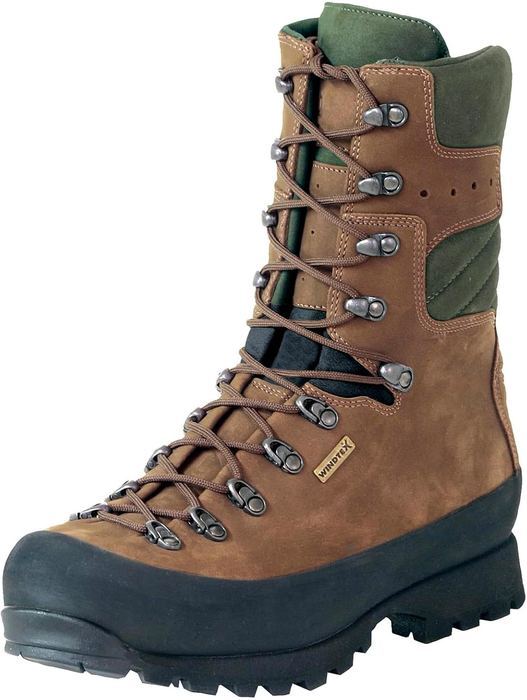
If your hunt is a glass-and-stalk on public land, this is the one. If your hunt is a box blind over a corn pile, you are paying for a shank you will not use. For the public-land version of this argument, why public land hunting builds better skills is the sibling read — the boot is part of that skill, because a blown stalk from noisy rubber is a wasted tag. Lace them with the lock-eyelet trick: tight through the instep, slightly easier up the shaft so your calf can flex on the climb.
Muck Woody Max and Lacrosse Alphaburly — the swamp pair
Rubber wins when the ground is wet. Period. Neoprene insulation, a pull-on shaft, and a sole you can rinse with a hose. The Woody Max is the farm-and-food-plot tank: a chore boot that happens to hunt. The Alphaburly Pro is the taller, more “hunt camp” rubber boot with a better calf and a sole that stays quieter on frozen mud. Both will keep you hunting a flooded oak flat that would destroy a welted leather boot in a weekend.
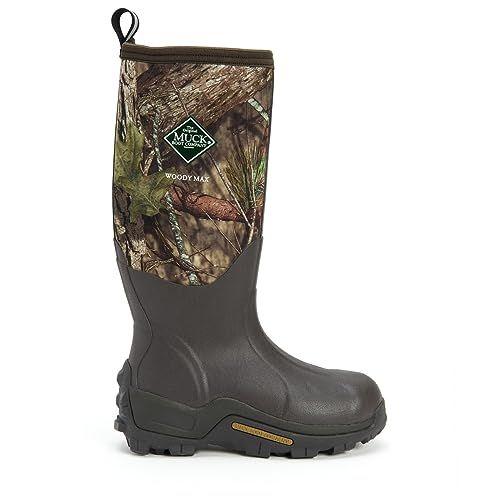
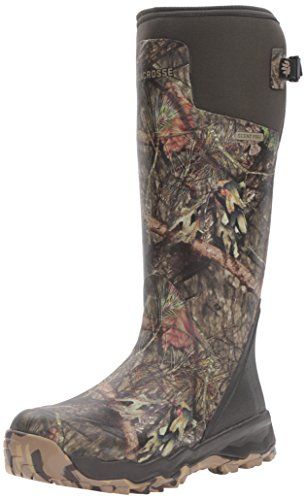
They will not hike like Kenetreks. Your foot will slide a little. That is the trade. Wear a thick sock, add a felt or removable liner if your model takes one, and accept that a five-mile ridge walk in rubber is a mistake. Powder the insides. Pull the liners at the truck. Do not store them folded over in a hot cab — that cooks the neoprene crease into a crack. For winter hunting socks, a thick merino in rubber is how you take up slip without buying a size that your heel cannot hold.
Kamik — the budget cold boot
Kamik is how a lot of people hunt their first cold season without financing Kenetrek. The insulation is honest for the price. The leather-and-rubber mix is not a mountain boot. It is a get-to-the-stand boot. If that is the job, stop apologizing. A first-year deer hunter sitting a timber stand in a $120 insulated boot with good socks will kill more deer than a first-year hunter in unpaid-for alpine boots they are afraid to scuff.
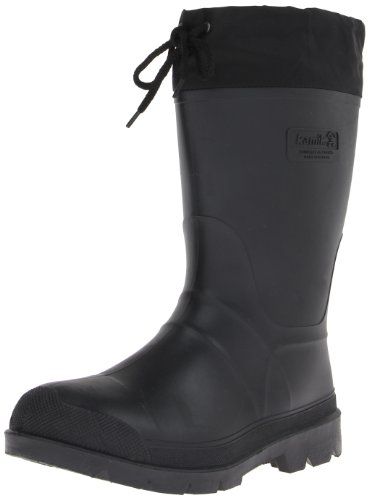
Where it loses: durability at the flex point, and a last that is generic. Where it wins: you can own a real insulated boot and still buy a hunting pack and a tag. Replace them when the insulation packs into a cold pancake, not when a stranger on a forum tells you they were never “real” boots. For most first-year deer hunters sitting a timber stand, that is the correct math.
Socks, fit, and the silent walk
A $400 boot with a $4 cotton sock is a $4 boot. Merino or a merino blend. Liner plus hunter sock if your volume allows. Too much sock in a tight last is how toenails go black on a downhill. Too little sock in a rubber boot is how blisters form on the heel you cannot lace down. Change socks at lunch if you hiked in. The dry pair in a zip bag in your pack is not a luxury. It is the second half of the sit.
Fit check: heel locked, toes can tap the front when you kick a wall, then settle back. If your toes jam going downhill, size up a half and add a thicker sock, or buy the wide last. Do not size up two full sizes “for thick socks.” That is a blister machine. Hunt the socks you sized in. Switching to a thicker pair on opening morning changes the last you paid for.
Quiet: no clacking lugs on frozen dirt. No squeaky rubber on a dry food-plot trail at 10 a.m. Powder the insides. Condition the leather twice a year with a product the maker does not hate. Rinse the rubber. Dry them with the liner pulled, not stuffed in a truck cab with the heater on high — that cooks the glue. A boot tree in the garage is how leather lasts a decade.
When is the boot done?
When the welt opens, when the insulation packs into a cold pancake, or when the sole is slick on wet oak leaves. A resolable leather boot can live a decade. A glued rubber boot lives until the calf cracks. Hunt the last season in them as a backup, not as your only pair on a paid hunt. If you can see sock through the lining, you are done. If the shank has collapsed and the boot folds like a cheap sneaker on a rock, you are done. Do not “just get through this season” on a paid out-of-state hunt. That is how you buy a story about the bull you could not catch up to.
| Boot | Best for | Insulation idea | Walkability |
|---|---|---|---|
| Kenetrek Mountain Extreme 400 | Ridges, elk, long walks | 400 g mountain | Best |
| Irish Setter Elk Tracker | All-day walk-in deer | Moderate leather | Very good |
| Lacrosse Alphaburly Pro | Swamp and timber | Rubber + neoprene | Stand / short walk |
| Muck Woody Max | Food plots, mud, farm | Rubber + neoprene | Chore boot that hunts |
| Kamik | First cold season, budget | Value insulation | Fair |
Insulation grams vary by SKU and year. Read the current spec, not a 2019 chart. Check live Amazon prices. We do not invent numbers.
What we skipped on purpose
Snake boots belong on a Florida or Texas hog hunt, not on a general cold-weather list — see snake boots if that is the actual hazard. Women’s-specific lasts belong on the women’s hunting boot page, not as an afterthought here. Lightweight “turkey” boots are a different sole and height. If you turkey hunt in March mud, the rubber pair above still wins. Upland hunting boots are a softer sole and a shorter shaft for walking fields behind a dog. Do not hunt pheasants in 2,000-gram rubber unless you enjoy soaking in your own sweat.
Our pick for most cold-weather deer hunters who walk: Irish Setter Elk Tracker, broken in, merino socks, a second pair of liners in the pack. Our pick for wet-ground sitters: Lacrosse Alphaburly Pro. Spend the Kenetrek money when the mountain is the hunt. Keep the Kamik in the mix when the budget is the constraint and the stand is a short walk from the truck.
Frequently asked questions
How many grams of insulation do I need in a hunting boot?
Four hundred grams is a walking boot for frost mornings. Eight hundred to 1,200 grams is a stand boot. Two thousand grams is for sitting still in real winter. If you will hike more than a mile, stay on the low end and add a better sock rather than buying a snowmobile boot.
Leather or rubber hunting boots?
Leather for ridges, dry cold, and long walks. Rubber for swamps, flooded timber, food plots, and any morning you will step in water before legal light. Many serious hunters own both and switch at the truck.
How do I break in leather hunting boots?
Wear them around the house, then on short gravel walks, then on a two-mile loop with the socks you will hunt in. Fix hot spots with moleskin before opening day. Do not save the first real miles for a paid hunt.
Should hunting boots be waterproof?
Yes, but waterproof is not the same as insulated. A membrane leather boot sheds rain and still breathes a little. A rubber boot is a bucket. In standing water, rubber wins. In cold dry wind, a membrane leather boot is usually more comfortable.
What socks should I wear with hunting boots?
Merino or a merino blend. Add a liner if volume allows. Skip cotton. In rubber boots, a thicker sock takes up the slip. In a tight mountain last, too much sock jams your toes downhill.
When should I replace hunting boots?
When the welt opens, the insulation packs flat, the lining shows sock, or the sole is slick on wet leaves. Resolable leather can last a decade. Glued rubber lasts until the calf cracks. Do not take a dying pair on a paid hunt.