
Your Checklist for a Successful First Deer Hunt
Written by John Wren|
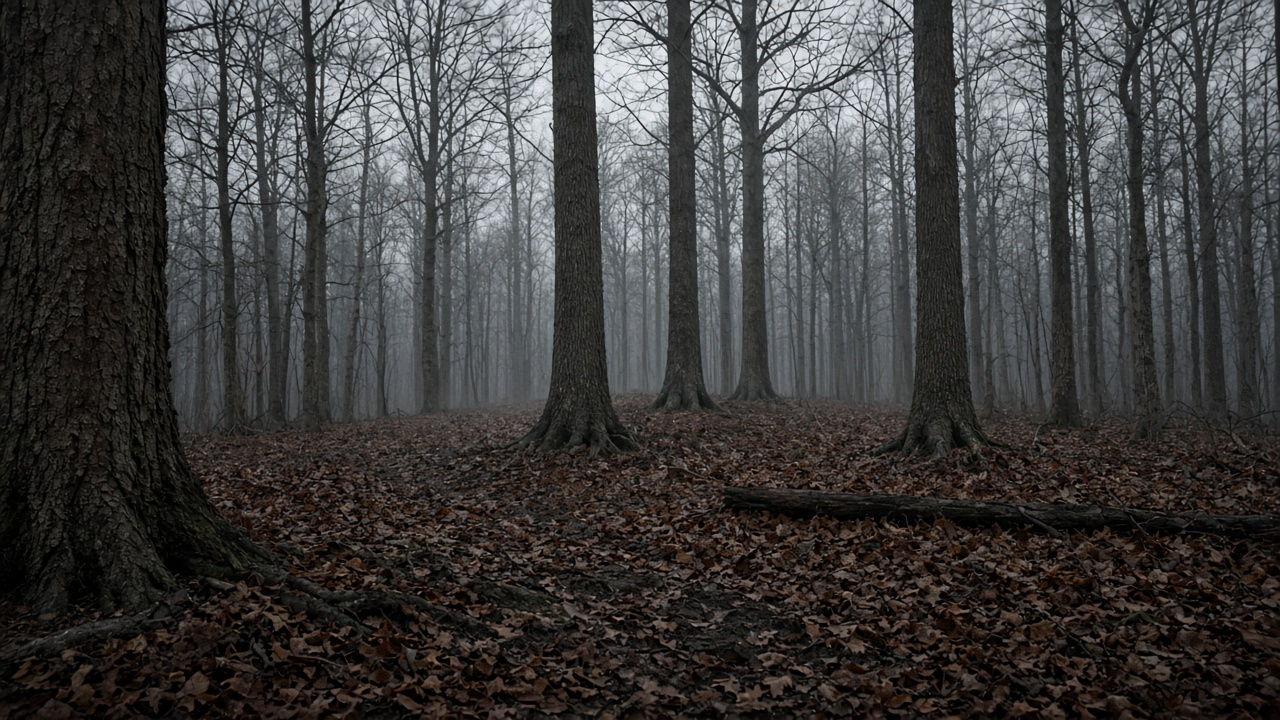
License and a legal stand. Confirm zero from a field rest. Carry a lamp for the walk, not the deer. Plan the drag before the shot. No invented rifle ASINs.
Key takeaways
- Paper first.
- Zero before Saturday.
- The pack-out is the hunt.
- No tag can still be a good first day.
A first deer hunt is a license, a place you may stand, a rifle or a bow you have confirmed, and a plan to get an animal out. It is not a catalog of camo. In 2026 the useful checklist is still paper, a zero, a sit you can do still, and the humility to tag nothing and still call it a hunt.
Short version. Legal first. Zero second. Pack and a lamp third. accuracy work before the Saturday if the rifle still needs practice. public-land hunting if the dirt is public. We will not invent a rifle ASIN. The lamp we already name is for the walk in the dark, not a spotlight on a deer.
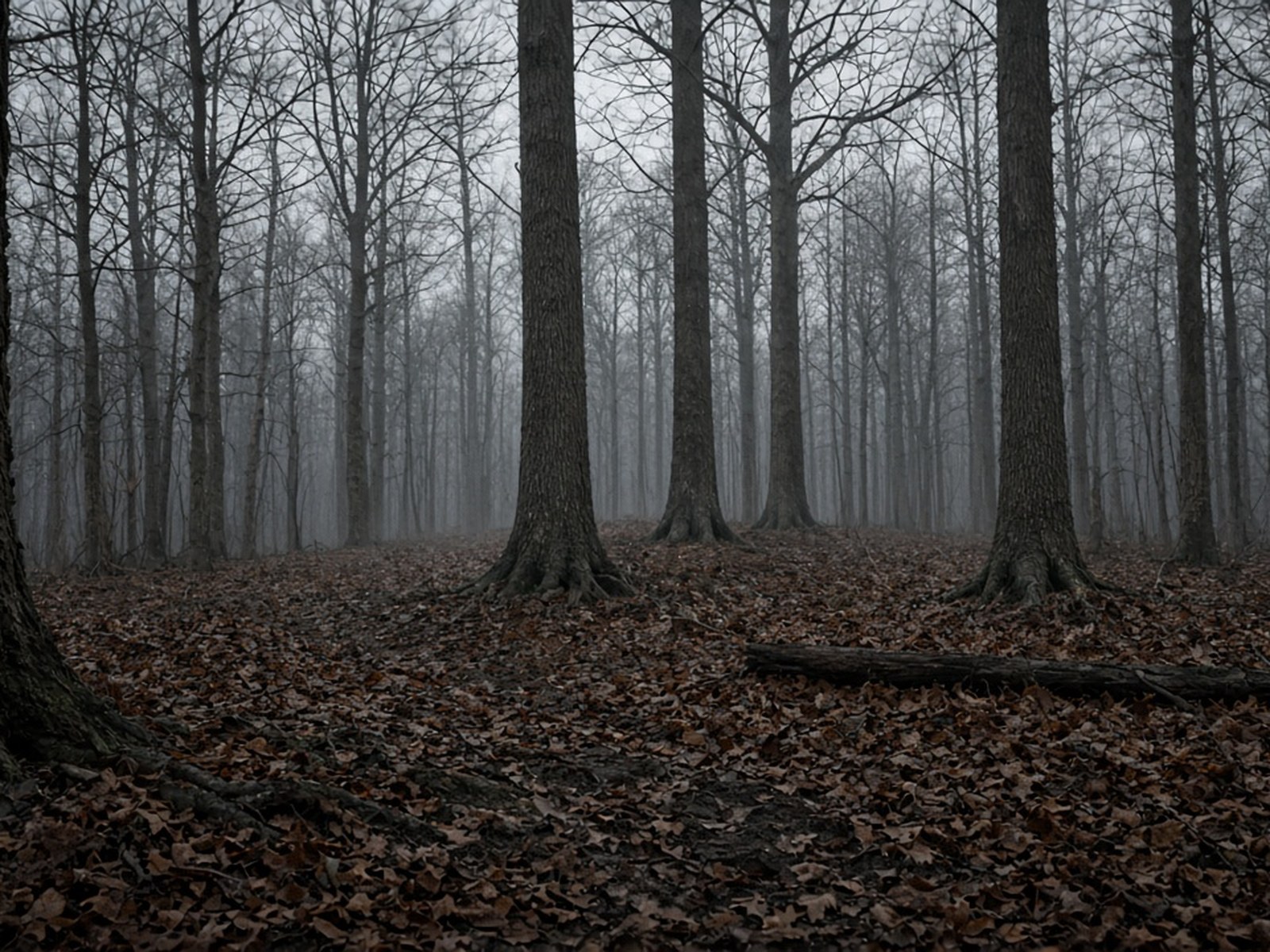
Paper, place, and a person who knows
License, tag, hunter-ed if the state wants it, and a map that is this year. A handshake farm is a phone call, not a pin. Public land is a parking lot that fills and a walk that starts earlier than you like. Tell someone the lot and the time. A first hunt with no check-in is a missing-person plan.
Florida is a different first hunt if the first hunt is Florida and the animal and the heat are different. a safe that closes if the rifle lives in a safe that actually closes when you get home.
The shot you will get
A bench group is homework. Sit, kneel, a rest on a pack. If you cannot do those, the first deer is not a range problem — it is a practice problem. We will not name a gun on Amazon. Buy from a dealer. Confirm the zero before the Saturday, not in the dark with a flashlight and hope.
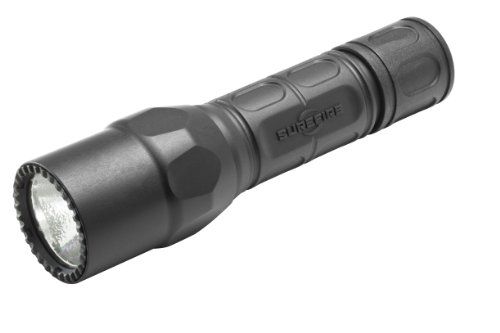
The SureFire G2X LE is the walk-in lamp we already name. It is not a hunting light you put on an animal. Check live prices. We do not invent numbers.
The pack-out is the hunt
A knife you have used, gloves, bags, and a plan for a quarter that is heavier than the story. If you cannot get it out, do not start the shot. A partner who has boned an animal is worth more than a new binocular. a kit for a scrape if the other kit is a scrape and not a trophy photo.
leave tank for the drive if the day should leave you able to drive. A first hunt that ends at 2 a.m. in a ditch is a failed checklist even if the tag is filled.
The sit you can actually do
A first hunt dies in a stand you cannot sit still in. Practice a two-hour sit at home. Eat. Do not fidget a bottle every four minutes. A thermacell and a new cushion will not fix a person who has never sat. The woods will wait while you learn a chair. Public land will not wait while you learn a parking lot — arrive earlier than the internet said.
Wind in your face on the walk in. Sun at your back if you can get it without skyline. A first hunter who walks the ridge at 10 a.m. is a flag. The checklist includes the approach, not only the tag in the pocket.
Kids on a first hunt need a shorter sit and a job that is not the bolt. Kids outdoors is the longer habit. A child who is cold and bored will not become a hunter because you lectured. Bring the sit down to their tank. Leave tank applies to the adult who has to drive home too.
If you connect
Wait. Then look. Then the work. A first animal is a lot of animal. Gloves, a knife you have used on a chicken at home, and a person who has been there. If you are alone, have already watched the process you will do, not a highlight reel. Heat in the South is a clock. Cold in the North is a clock. Meat care is the checklist item people skip in the photo.
If you do not connect, walk out on the time you wrote. A first hunt that becomes a lost-in-the-dark story is a failed checklist. The lamp we name is for that walk. Check live prices. We do not invent numbers. It is not a light you put on a deer.
Unload for the ride. A chambered rifle in a truck is how first hunts become reports. The safe at home is the last line on the card.
The first-deer card
Paper. Place. Check-in. Zero confirmed from a field rest. Sit you can do. Pack-out plan. Lamp for the walk. Unload for the ride. No invented rifle ASINs. That is the card. A blank tag can still be a good first day.
Clothes, food, and the quiet that is a skill
Cotton when it is wet is a cold first hunt. A layer you can vent on the walk in and close on the sit is the kit. A new camo pattern is not. Break the clothes in so they do not sound like chips. Eat before you sit. A stomach that talks is a flag. The checklist includes breakfast, not only a tag. A rangefinder you have used on a known fence post is useful. One you open in the stand for the first time is a rattle. Accuracy work is the same homework as the sit. Weather that is a front is a scent day. Weather that is a heat wave is a short sit. Change the plan. A first hunter who insists on the Pinterest sit in the wrong wind is practicing being seen.
If you hunt public, the other people are part of the checklist. A truck already in the lot means a different walk or a different day. Wave. Do not sneak past a sit you can see. Public land is a manners test. The lamp we name stays off the animal and on the path. Check live prices. We do not invent numbers. Unload for the ride. Tell the person at home you are out. That last text is a checklist item people skip when they are excited. A first hunt in Florida heat is a different card. A first hunt from a winter RV is a heavier card. The paper and the zero do not change. The tank does. Write three lines after: what you heard, what was loud, what you will do earlier. That notebook is how a first hunt becomes a second. The feed is how it becomes a costume.
Kids on a first hunt need a shorter sit and a job that is not the bolt. Kids outdoors is the longer habit. A child who is cold and bored will not become a hunter because you lectured. Bring the sit down to their tank. The adult who has to drive home has a tank too. Leave something in it. A first hunt that ends at 2 a.m. in a ditch is a failed checklist even if the tag is filled. Practice a two-hour sit at home. Eat. Do not fidget a bottle every four minutes. The woods will wait while you learn a chair. Public land will not wait while you learn a parking lot — arrive earlier than the internet said. Wind in your face on the walk in. Sun at your back if you can get it without skyline. A first hunter who walks the ridge at 10 a.m. is a flag. The checklist includes the approach, not only the tag in the pocket.
The range day that belongs on the checklist
A first hunt without a confirmed zero from a field rest is a hope. Sit on the ground or on a stick you will actually have. Do not only shoot off a bench you will not take into the woods. Three shots that print where you called them is the card. If they do not, you do not hunt tomorrow. You go back to the rest. Accuracy work is the same homework as the sit.
Ammunition is the load you zeroed, in a box you can count. Do not mix a bargain box “just for the woods.” A first animal is not a place to invent ballistics. Carry enough for a follow-up and a miss you will walk up to. You do not need a bandolier. You need a number you decided at the truck.
A sling you have walked with keeps a barrel out of the dirt. A case for the ride keeps a chamber empty. Unload is a checklist item, not a mood. The lamp we name is for the walk, not a light on an animal. Check live prices. We do not invent numbers. No invented rifle ASINs live here. Makers and a range you already used are the gun half.
Weather that rewrites the sit
A front that slams the night before is a scent day. A heat wave is a short sit and a water problem. Ice on the stand is a stay-home if you have never clipped in. The checklist includes the forecast you read that morning, not the one you read on Tuesday. Change the tree. Change the time. A first hunter who insists on the Pinterest oak in the wrong wind is practicing being seen.
Rain that is a drip is still a hunt if you have a layer that does not sound like chips. Rain that is a flood is a truck day. Lightning is a down-from-metal day. Florida heat is a different card. A winter RV hunt is a heavier card. The paper and the zero do not change. The tank does.
Food is quiet food. A wrapper that screams in a stand is a flag. Eat before you climb. A stomach that talks at 8 a.m. is a flag you packed the night before. Water you will drink beats a giant jug you will not open because it is loud. The checklist is boring on purpose.
Landowners, public lots, and the text home
Private land is a name and a thank-you even if the cooler is empty. Close the gate you found closed. Do not cut a lock you “thought was yours.” A first hunt that burns a permission is a last hunt on that ground. Public land is a truck already in the lot. Wave. Walk a different finger. Public land is a manners test with a tag in your pocket.
Tell the person at home the lot, the time you will text, and who to call if you do not. That last text is a checklist item people skip when they are excited. A first hunt that ends at 2 a.m. in a ditch is a failed checklist even if the tag is filled. Leave tank includes the drive. Tired people clip deer on the highway too.
Write three lines after: wind, what moved, what you will do earlier. That notebook is how a first hunt becomes a second. The feed is how it becomes a costume. A blank tag can still be a good first day if you sat the sit you wrote and you unloaded for the ride.
Kit that belongs here
Named tools only. Check live prices. We do not invent numbers. Disclosure lives on affiliate disclosure.
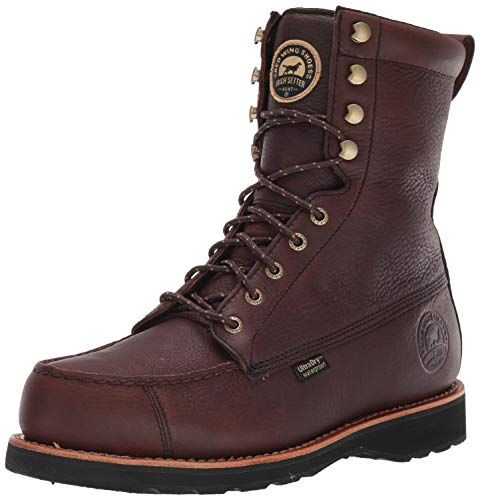
Also in the magazine
Keep going with accuracy practice, public land skills, if the camp is a winter RV, and OC is not a hunting tool. We only link pages that already live here.
Frequently asked questions
What is the first item on a first-deer checklist?
Legal paper and a place you may stand. Then a zero you confirmed. Then a pack-out plan.
Do you name a rifle on Amazon?
No. Firearms belong with dealers. We will not invent a gun ASIN.
Which lamp are you naming?
SureFire G2X LE for the walk, not a light on a deer. Check live prices.
What if I do not fill a tag?
It can still be a successful first hunt if you were legal, quiet, and home on time.
Do I need a partner?
A check-in at minimum. A person who has boned an animal is better.
Public or private first?
Whichever you can be legal and still on. Public fills parking lots. Private is a phone call, not a pin.