
Encouraging Responsible Firearm Ownership: Tips and Advice
Written by John Wren|
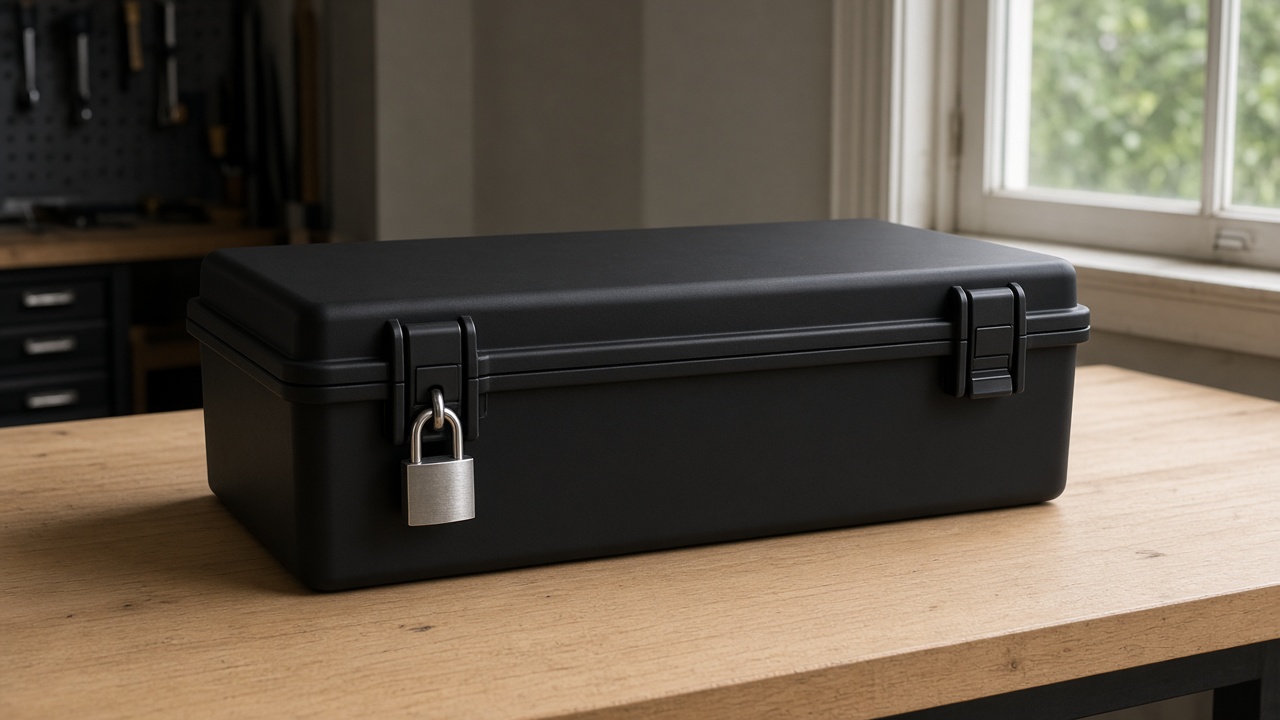
Be boring in public. Unload for obstacles and vehicles. Lock guns that are not under your control. Offer procedures instead of verdicts. Leave if a camp will not take a rule.
Key takeaways
- People copy the competent friend more than they copy a poster.
- A cable lock travels. A safe finishes the house.
- Ask how we unload before the crossing, not after.
- If the camp is drinking, the gun work is over.
Camp culture has always run on trust. Hunters and range friends rely on each other around guns, trucks, and tired people. Conversations about storage and handling can feel like a lecture. They are still part of owning the thing. In 2026 the useful work is not a speech from a tailgate. It is a set of visible habits other people can copy, plus a few calm questions when the habit is missing.
Short version. Unload for the climb, the creek, and the cab. Store locked when the gun is not under your control. Know who is in the house and who will be. Talk to new hunters like they are partners, not projects. budget gun safes and why a safe exists are the hardware pages. This page is the culture. We do not invent laws. Read yours. We do not invent prices.
This is not a product roundup and not a politics page. It is field manners for people who already own guns or who hunt with people who do. If you want a shopping list, those safe pages exist. If you want the camp to stay a camp, start with the habits you can see from the next chair.
Habits people can see without a speech
A hunter who opens the action before crossing a fence is teaching. A hunter who points the muzzle at a safe piece of dirt while they talk is teaching. A hunter who does not chamber until the shot is a real possibility is teaching. You do not need a clipboard. You need to be boring in public.
Vehicles are where good habits go to die. A loaded gun sliding under a seat is not “ready.” It is a future story. Unload. Case or rack in a way that matches the law you actually have. Know the difference between a range trip and a hunt, and do not mix the two in a hurry. Fatigue at the end of the day is when people skip the step they would lecture someone else for skipping.
Range days are the rehearsal. Eyes and ears go on before the first string. reflex sights if the carbine wears a window. The optic is not PPE. Neither is confidence. If you bring a new shooter, you are the safety plan. That includes a gun they can run and a rule that they can put it down without shame.
Storage is ownership
A gun you cannot lock is a gun you have not finished buying. Kids, guests, contractors, and the worst day of someone else’s life all pass through houses. A locked case, a safe, or a lock that actually prevents a ready trigger is the adult version of “I am careful.” Careful is not a lock. Why own a gun safe if you want the reasons in a list. the budget safe page if you want a budget hardware conversation. Check live listings. We do not invent numbers.
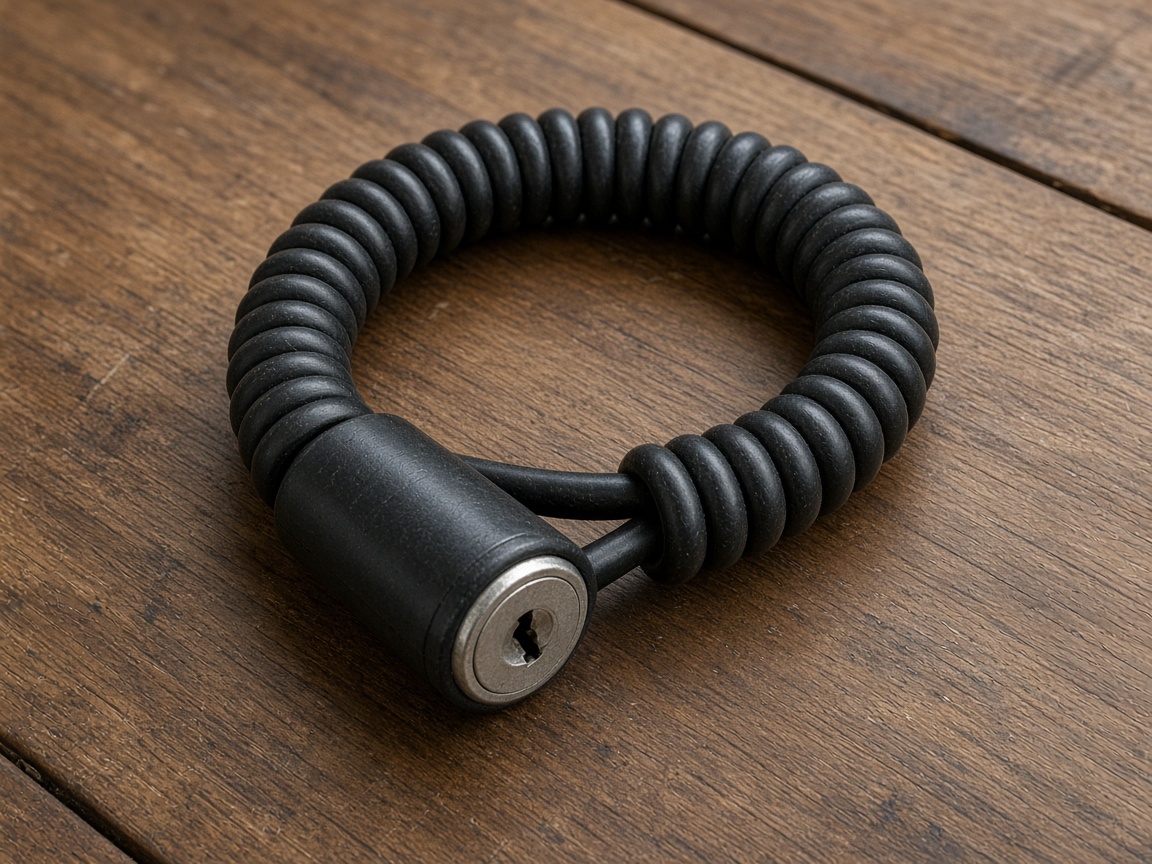
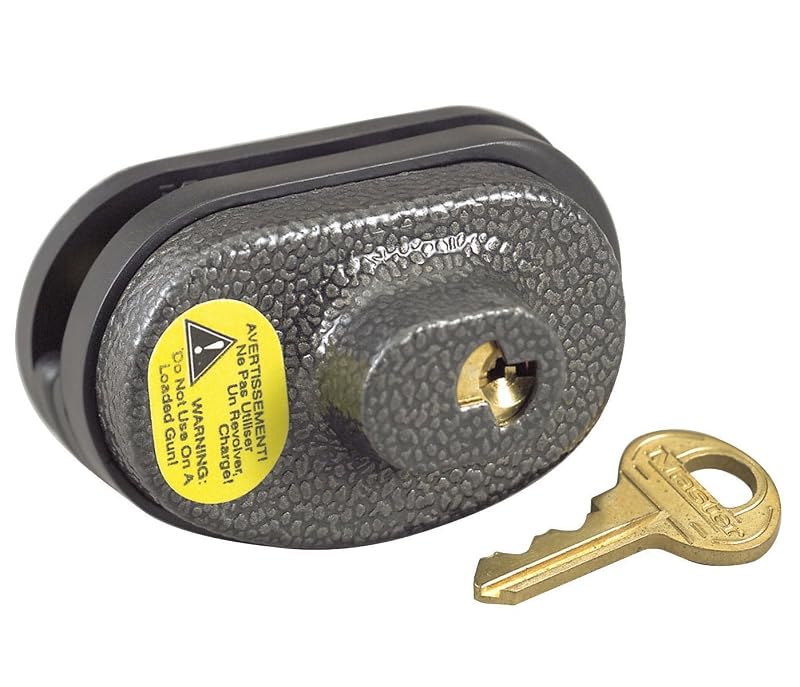
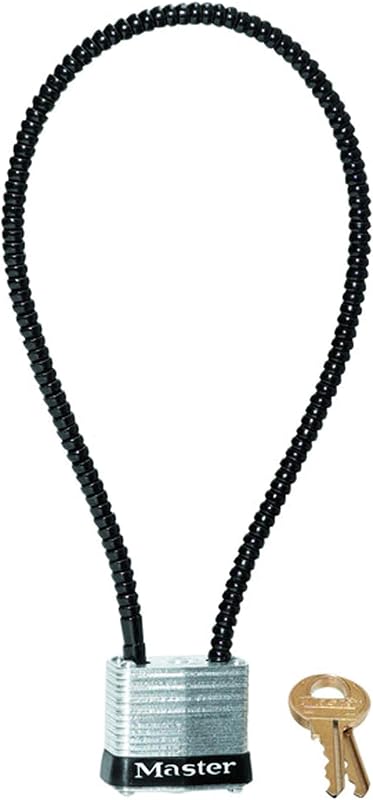
A cable lock in a kit is how a truck, a motel, or a borrowed cabin still has a standard. It is not a substitute for a safe at home. It is the travel habit. Keep the key where a curious kid is not the first finder. That sentence is obvious and still how people fail.
Ammunition storage is part of the same job. You do not need a bunker. You need a plan that is not a sock drawer. If the household includes people who should not have independent access, the plan has to survive a bad week, not only a good Tuesday.
How to talk without starting a feud
Direct criticism in a hunting camp can bounce off pride. A calm question often works better: “How do you want to unload before we cross this?” or “Where do you want the guns while we eat?” You are offering a procedure, not a verdict on someone’s character. If they have a good procedure, follow it. If they have none, offer yours as the default for the day.
New hunters need the rule before the story. Show the open action. Show the safe direction. Show the empty chamber check that is a look, not a vibe. getting kids outdoors and quail hunting with kids if the new hunter is young. Do not hand someone a loaded gun as a joke. Do not let a joke be the first contact. Humor comes after the procedure is dull.
If someone is drinking, the gun work is over. That is not a personality test. That is the camp rule. Say it once, early, as the rule of the property — not as a reaction when a can is already open. People accept fences they can see.
Field problems that are really culture problems
A loaded climb over deadfall is how people meet a muzzle. Unload. Pull the bolt or open the gun. Hand it across if that is the safer move. Time you “save” by staying hot is the time a coroner does not care about. Public land makes this sharper because the next person may be close. Public land hunting is the skills page for that country.
Dogs, kids, and extra friends change the geometry. A gun in a blind with a bored teenager behind you is a supervision problem. ground blinds if the hide is the plan. The chair is not a holster. Muzzle discipline does not take a break because the deer is late.
Night and lights have their own rules. Know whether your state cares about lighted aiming devices on game. safe night hunting if the hunt is after dark. The listing on a sight is not the law. Read the regulation. Then handle the gun like the dark makes every mistake bigger — because it does.
The house is the long season
Most of a gun’s life is not a hunt. It is a Tuesday. That is why storage and a household plan matter more than a campfire speech. If you cannot say, out loud, who can access what and how, you do not have a plan. Write it. Tell the adults. Revisit it when a teenager, a roommate, or a bad week arrives.
Guests who do not hunt still need a sentence: the cases stay closed, the safe stays shut, and we do not handle guns as a tour. Curiosity is human. Access is optional. If someone wants to learn, schedule a range day with the same habits you want copied. Do not improvise in the living room.
If you are the experienced one in a group that is sloppy, you can leave. That is allowed. You can also offer to run the unloading procedure for the truck. What you should not do is silently hope. Silence is how camps get a reputation.
Be the person worth copying
People copy the competent friend more than they copy a poster. Keep your own guns boring: clean enough, stored, unloaded in motion, and identified before the muzzle ever moves toward a target. Bring an extra pair of ears. Offer a spare lock. Share the safe page if someone asks for hardware. Do not dump a lecture on a person who asked for a sandwich.
If you run a camp, put the rules on the wall. Unload here. Cases there. No alcohol with guns. It feels formal. It also means you are not inventing the rule in an argument. Formal is kindness when people are tired.
Responsible ownership is not a brand. It is a loop: handle, store, talk, repeat. The loop is how new hunters become the boring adults the next truck needs. That is the whole advice.
Trust is a procedure
Unload for the obstacles. Lock what you are not controlling. Ask calm questions. Leave if the camp will not take a rule. Read the law you actually live under. Use the budget safe page when the hardware is the hole. Check live prices. We do not invent numbers. We also do not invent a lock that replaces a habit.
The next clear morning will still start with a truck and a coffee. Make the first thing you do with a gun the same thing every time. People will copy it. That is how you encourage responsible ownership without giving a speech that nobody wanted.
A first gun in a hunting household
If someone in the house is about to buy a first gun, slow the purchase down to a class, a lock, and a place it will live. The range day comes before the hunt. The hunt comes before the story. A first gun that lives in a closet “until we get a safe” is an unfinished purchase. Finish it. The budget safe page exists for that hole. Check the live listing. We do not invent numbers.
Teach the look-into-the-chamber habit as a look, not a glance. Teach the muzzle as a direction you chose, not a direction that happened. Teach that a gun on a table is still a gun. Holidays and guests are when those lessons get tested. Put the extra chairs in the living room. Put the guns where the plan already said they go.
If the new owner is a teen, the plan has to include who holds keys and what “earning” access means. Vague trust is not a plan. Written rules feel stiff and still beat a shrug. Revisit the rules when the person, the house, or the worst week changes.
Travel, motels, and someone else’s cabin
A cabin you do not control still needs your standard. Case the guns. Lock them. Know the local rule for vehicles and for lodging. A cable lock and a hard case are how you keep the standard when the closet is a joke. Do not leave a gun in a room-service hallway in a duffel because “we will only be at dinner.” That sentence has a whole genre of endings.
Airline and crossing-state rules are not campfire trivia. Read the carrier and the state you are entering. This page will not invent a checklist that covers every counter. It will say: if you cannot say the rule out loud before you pack, you are not packed. Delay the trip before you invent a procedure at the ticket counter.
When you arrive at someone else’s camp, ask where guns live before you unload the cooler. Offer your lock if their plan is a corner of a bedroom. You are not accusing them. You are keeping the standard you already use at home. People who care will meet you there. People who laugh are giving you information about the weekend.
Kit that belongs here
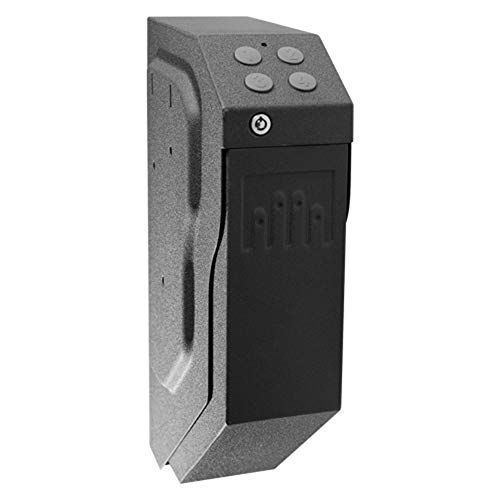
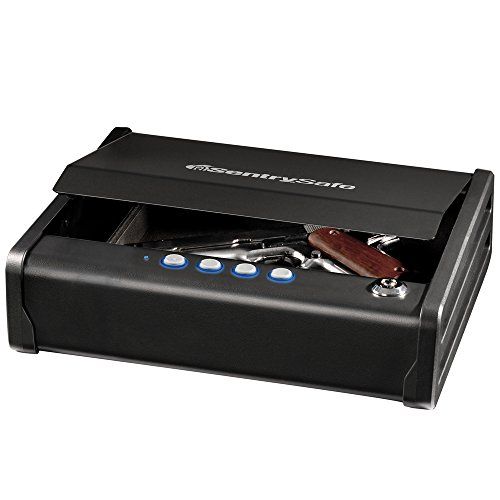
Named tools only. Check live prices. We do not invent numbers. Disclosure lives on affiliate disclosure.
Also in the magazine
Keep going with budget gun safes, why own a gun safe, public land hunting, and quail hunting with kids. We only link pages that already live here. Check live prices. We do not invent numbers.
Frequently asked questions
How do I talk to another hunter about gun safety?
Offer a procedure, not a verdict. Ask how they want to unload before a crossing. If they have no plan, offer yours as the default for the day.
Is a cable lock enough at home?
It is a travel habit and a backup. Home storage still wants a locked case or safe that matches who lives in the house.
When should a gun be unloaded in the field?
For fences, deadfall, vehicles, and any climb where a fall is likely. Time saved by staying hot is not a prize.
What if the camp is drinking?
The gun work is over. Say it as a property rule early, not as an argument after the fact.
Do I need a safe if I live alone?
Guests, contractors, and worst-case days still exist. A lock is part of finishing the purchase.
Is this page telling me which gun to buy?
No. It is camp culture and storage habits. Hardware pages exist if you need a safe conversation.