
Why Public Land Hunting Builds Better Skills
Written by John Wren|
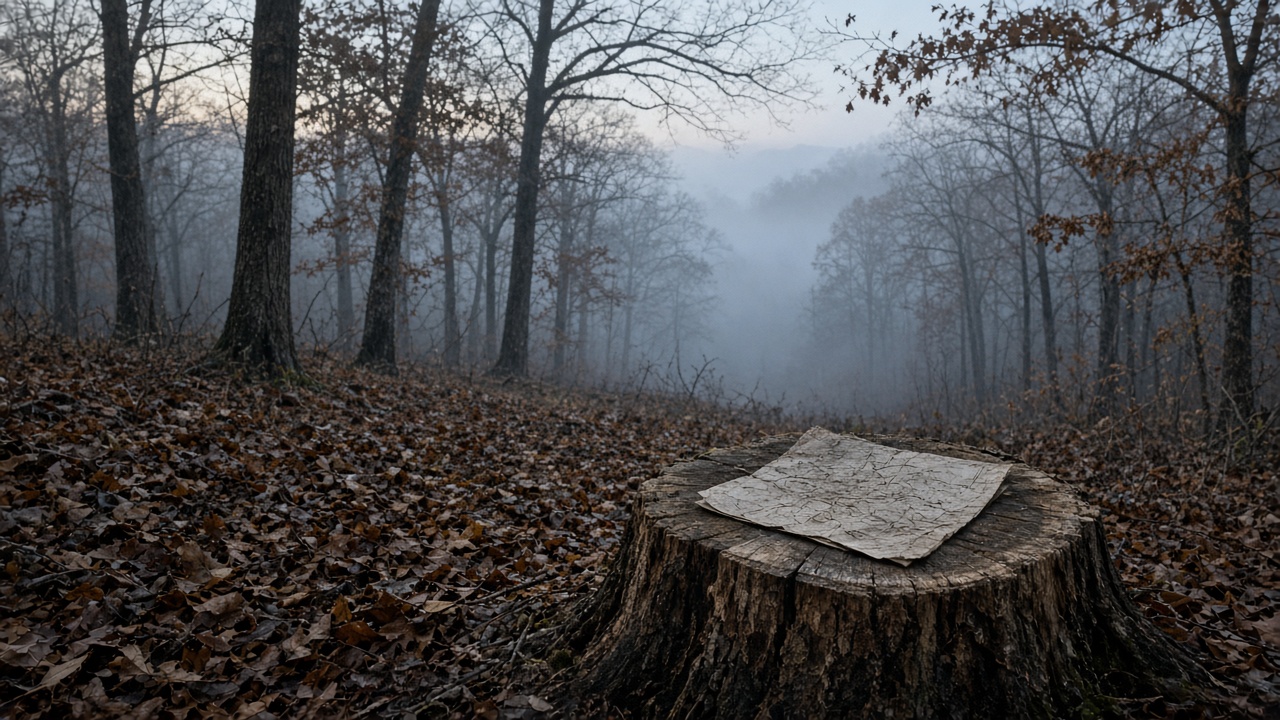
Shared ground makes better hunters. Learn the map, give other people space, pack out what you shoot, and change the plan when the lot is a circus. The access fee is sweat and honesty.
Key takeaways
- A pin is not a plan if you cannot reverse it in the dark.
- People are part of the habitat. Manners are fieldcraft.
- If you cannot pack it out, you do not have a shot.
- The off-season walk is the hidden season.
Public land hunting is a skills class the mountain does not grade on a curve. You share the parking lot, the ridge, and the last hour of light with people you did not invite. The deer have heard more truck doors than a private lease. The country is bigger than a food plot. In 2026 that pressure is still the point: if you can hunt honestly on ground anyone can walk, you can hunt. If you can only hunt a groomed acre, you have a different hobby.
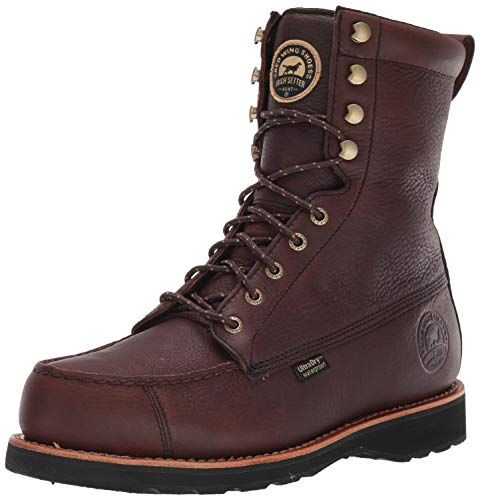
Short version. Public ground trains navigation, patience, packing out, and manners. You learn to read pressure, to sit when sitting is the move, and to leave a place cleaner than the last party. Upland hunting boots is the boot fork when the miles are real. responsible firearm habits is the camp-culture page. This is not a secret honey-hole list. It is why the hard hunts make better hunters.
None of this is a sermon against private land. Private land is a privilege and sometimes a kindness. The argument is simpler: public land will not hide weak habits. That is a gift, even when it feels like a closed gate.
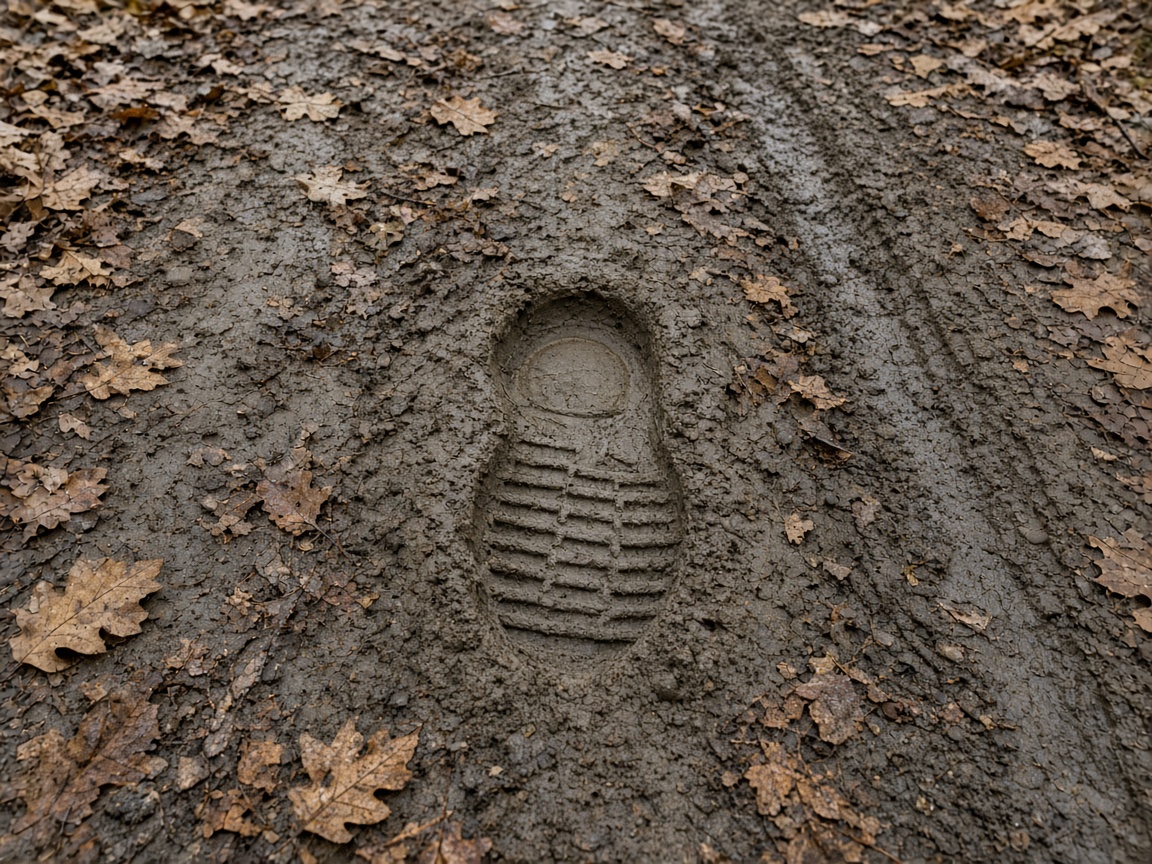
Navigation you cannot outsource to a food plot
Public units are maps, not driveways. You will miss a spur. You will find a creek that is bigger than the line on the phone. You will walk out in the dark if the evening sits were honest. Learn the ridges, the roads that are actually open, and the closure that is not a suggestion. A pin is not a plan if you cannot reverse it with a dead battery.
Pressure changes where animals sit. The easy edge by the lot is a parade. The extra mile, the nasty thicket, the forgotten bench — those are skills you earn with legs and a map. You will still get skunked. Skunked on public land after a real walk is still a better day than a bored sit over someone else’s corn.
Mark the truck like you mean it. Mark the last sure water. Mark the boundary. Trespass on purpose is theft. Trespass by sloppy GPS is still a problem. Know which app layer is the current unit. Know the paper backup if the agency still prints one.
People are part of the habitat
You will hear a slam at 5:40 a.m. You will see a headlamp on the ridge you wanted. That is public land. The skill is adjusting without turning the morning into a feud. Go around. Sit longer. Come back midweek. Hunt the weather that keeps the fair-weather crowd in bed. Complaining in the lot does not move a deer.
Manners are fieldcraft. Do not walk a line of sitters at first light. Do not glass a person like they are a rack. Do not park across two spots. A nod and space are how crowded units stay usable. The hunter you crowd today is the one who finds you on a gut pile tomorrow and remembers.
Kids on public land need the same manners plus a shorter loop. Quail hunting with kids if the day is a family bird hunt. Teach the quiet lot, the closed gate, and the reason we do not shoot a ridge we have not identified. Public land is a classroom with live ammunition and live strangers. That is not a reason to stay home. It is a reason to be deliberate.
Packing out is the exam
On a lease, a cart and a short drag can hide a weak pack. On public land the animal might be a mile of downfall from the road. If you are not willing to bone, quarter, and carry, you are not ready for the shot. That sentence is ethics, not toughness theater. Know your out before you hunt the basin.
Water, a layer, a lamp, and a way to mark the load are the same hiking problems with blood on them. Hiking pack essentials applies. So does trail gear. The difference is time: daylight ends, meat warms, and the walk gets longer. Start the pack-out with a plan, not a panic. Take a photo of the scene for your own memory, then work.
Leave no trophy trash. Gut piles belong where the rules say, away from water and trails when you have a choice. Flagging that stays forever is litter. If you tape a route, pull the tape on the way out. The next hunter should not inherit your plastic.
Scouting that is not a parade
Preseason walks teach the roads that are closed, the thorns that eat pants, and the water that is actually there. Glass from a distance when you can. Do not educate every deer on the unit in August if you will hunt them in November. E-bikes and side-by-sides have made more country reachable. They have also made more country loud. Your legs still go places motors should not.
In-season scouting is often just hunting with your eyes. If you bump an animal, learn the exit and come back with more patience. If you see a circus at the popular trailhead, drive to the next one. Flexibility is a public-land skill. A private blind can reward stubbornness. A public ridge rewards people who will change the plan.
ground blinds if you still want a chair and a hide. On public land a blind is a guest that must come out and must not block a trail. Permanent junk blinds are how agencies write new rules. Do not be the reason.
The shot is slower than the highlight
Identify the target, the background, and the animal beyond. Public land means a person or a house can sit in a place that looked empty on the map. Know the zone. Know the caliber or choke that matches the shot you will actually take. pump shotguns if the gun is a working pump. This page will not name a magic load. It will say: if you cannot take the shot safely, you do not have a shot.
Tracking on public land is a manners problem too. If a blood trail meets another hunter, talk like an adult. If you lose a trail at dark, mark it, return with help, and do not invent a story that makes the animal smaller. The skill is persistence plus honesty. The woods remember both.
Safety orange, a clear muzzle, and a chamber that is empty when the climb is a scramble are the same rules as any hunt. They matter more when the next hunter is 80 yards away and wearing the same camo. Responsible firearm habits is how you talk about that without starting a fight.
Seasons, tags, and the long game
Learn the draw, the leftover, and the walk-in. Learn which units are a lottery and which are a sweat equity play. A year you do not draw is a year you can still scout, still shoot, still hike. Public-land hunters who only exist in the 12 days they have a tag stay beginners. The off-season walk is the hidden season.
Weather is a filter. Wind, heat, and a frozen two-track will thin the lot. That is your opening. It is also how people get stuck. A winch fantasy is not a plan. If the road is a maybe, walk. The extra mile from a sane parking spot is cheaper than a recovery bill.
Respect closures, fires, and the reason a gate is shut. Public land stays open when enough people treat it like it might close. Pack your trash and someone else’s can if you have room. That is not branding. That is rent.
The better skill is the one you cannot buy
Public land hunting builds better skills because the country will not do the easy parts for you. You navigate, you share, you pack out, you change the plan, and you still go home empty some days. That emptiness is information. So is the animal you earned the hard way. Neither requires a lease. Both require honesty.
If the miles are the part that is failing, start with upland boots and hiking for the long game. If the camp culture is the part that is failing, start with responsible firearm habits. Check live prices if boots or a lamp is the honest hole. We do not invent numbers. We also do not invent a secret unit. The skill is the access.
Access that stays access
Walk-in areas, block-management fields, and wildlife-management areas all have a rule sheet. Read it the week before, not in the lot with a flashlight. Some units ban certain hides, certain times, or certain retrieval tools. The skill is treating the sheet like part of the hunt. The hunter who never reads it is the hunter who writes a letter to the agency later and wonders why the map shrank.
Park once, well, and without blocking a gate. A truck in a bad spot is how landowners and managers sour on the whole sport. If the lot is full, the skill is leaving for another unit — not inventing a shoulder on a two-track. Full lots are information. They are not a dare.
Pick up the water bottle that is not yours if you have a hand free. It is a small rent. So is not cutting a new trail through a restoration planting because the old trail was muddy. Public land stays huntable when enough people act like it might close. That is not branding. That is the long game.
The empty day is still a skills day
You will hike out with a clean tag. That is normal. The skill is using the empty day: a better map in your head, a note about wind, a boot that needs a resoling, a sit that was too short. People who only count meat stay beginners. People who count what they learned come back dangerous in the good way.
Talk honestly in the lot. A made-up story about a giant just over the ridge educates nobody and crowds the next morning. A true sentence about pressure on the easy edge helps the next hunter choose the extra mile. Public land culture is either a rumor mill or a craft. You pick which one you feed.
If the empty day was also a safety scare — a lost ridge, a too-late return, a shot you should not have taken — write that down too. Change the kit or the route. Hiking for the long game is how the miles get easier. The country does not owe you a deer for the lesson. The lesson is the payment.
Kit that belongs here
Named tools only. Check live prices. We do not invent numbers. Disclosure lives on affiliate disclosure.
Also in the magazine
Keep going with upland hunting boots, responsible firearm habits, pump shotguns, and hiking pack essentials. We only link pages that already live here. Check live prices. We do not invent numbers.
Frequently asked questions
Why does public land hunting build better skills?
Because the country will not hide weak navigation, weak packing, or weak manners. You share the ground and you carry your own luck.
Is private land hunting less valid?
No. Private land is a privilege. Public land is the class that exposes habits. Many hunters do both.
How do I deal with other hunters on the same ridge?
Give space, change the plan, and skip the lot argument. Flexibility is a public-land skill.
What should I pack differently on public land?
Assume a longer carry, a darker walk, and no cart at the truck. If you cannot pack the animal out, you are not ready for the shot.
Can I leave a blind on public land?
Follow the local rules. In most places a junk permanent hide is how new rules get written. Take it out.
What if I do not draw a tag?
Scout, shoot, hike, and learn the unit anyway. The off-season walk is part of the hunt.