
Water Skills That Build Outdoor Confidence
Written by John Wren|
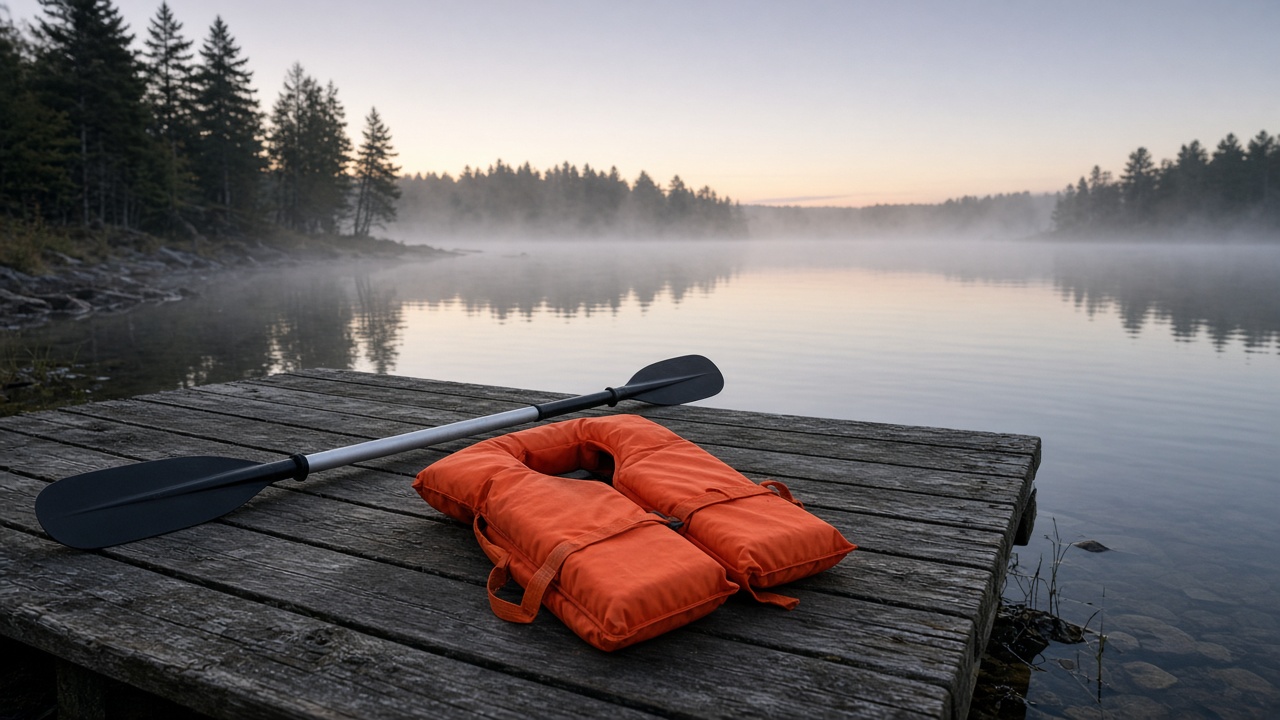
Practice a clothed float, wear a jacket that fits sitting down, and learn to get back on your hull on a warm day. Read wind and current. Leave early. Gear catalogs do not replace those loops.
Key takeaways
- Swim in the clothes you will wear, not only in a pool suit.
- The PFD goes on before the lines come off.
- Reboard on a warm afternoon until it is ugly and familiar.
- Wind, current, and stacking firsts are how competent people still get in trouble.
Water confidence is not a personality. It is a short list of skills you have practiced on a calm day so a messy day does not invent you. A launch that looks like glass can grow a chop in twenty minutes. A current you cannot see from the parking lot can decide whether a swim is a story or a rescue. In 2026 the useful work is still boring: swim enough, wear the PFD, learn to get back on the thing you fell off, and read wind before you argue with it.
Short version. If you cannot float and move in the clothes you will wear, stay near a beach with a watcher. If you boat or paddle, the jacket stays on, not in the hatch. Practice a reboard on a warm afternoon. Learn what your hull does when the breeze stands up. How windy is too windy is the wind lecture. fishing kayaks is the fishing-kayak fork. Check live prices if you later buy a jacket. We do not invent numbers.
This page is not a product roundup and not a swim-coach diploma. It is the field judgment that keeps a Saturday from becoming a sheriff’s report. Confidence that comes from gear catalogs dies at the first unexpected gust. Confidence that comes from repetition tends to stay.
Swim enough for the clothes you actually wear
Pool laps in a suit are not the same as a fall in shorts, shoes, and a surprise. If your outdoor life includes boats, paddleboards, or slick rocks, practice a clothed float and a short swim at a supervised place. Know whether your shoes help or hinder. Know how a cotton hoodie behaves when it drinks a lake.
Cold water is a different animal. The first minute can take your air. That is cold shock, not a lack of toughness. If the season is early or the river is snowmelt, dress for the swim you do not plan to take and stay closer to help. A beautiful sunny air temperature is not the water temperature. Put a hand in before you brag.
Kids and new adults need a watcher who is not also scrolling. getting kids outdoors if the project is getting them outside. Water skills for children start with comfortable faces in the water and a PFD that fits, not with a rental that is two sizes loose. Pride is how families skip the jacket because “we are just going out for a minute.”
The jacket is a skill, not a costume
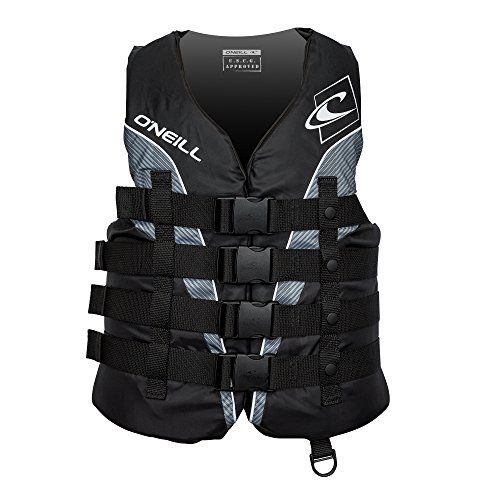
A PFD you will wear is the one that fits over the layer you actually have on. Try it sitting in the boat, not standing in a store aisle. Zip, buckle, and hitch the straps so it cannot ride up over your ears in a swim. life jackets is the personal-flotation page we already keep. This note is the habit: on before the dock lines come off.
Inflatable belts have a job for adults who will maintain the cartridge and who can swim. They are not a kids’ solution and they are not a “I forgot the real jacket” solution. If you cannot remember the last time you inspected the inflator, wear foam. Foam does not care about your to-do list.
Practice a fall with the jacket on in controlled water. Learn how to keep your face up. Learn how to swim to a hull without exhausting yourself on a sprint. The skill is not looking ready. The skill is breathing and thinking after the surprise.
Get back on the thing you fell off
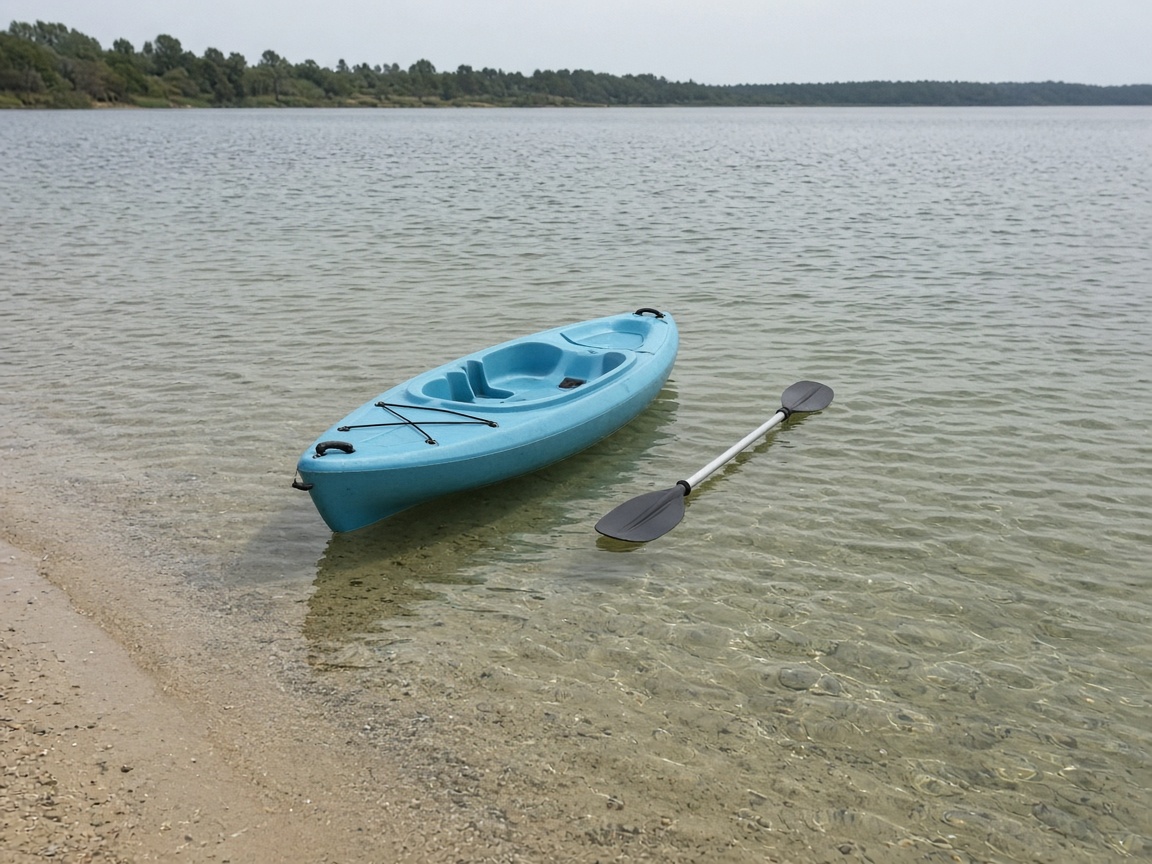
Kayaks, canoes, and boards all have a reboard problem. Sit-on-tops are honest about it. Sit-insides can become a swimming lesson plus a flooded cockpit. Practice the reboard on a warm day next to a friend, not during the first squall of the year. Know whether you need a stirrup, a paddle-float, or a simple belly-flop onto a wide deck.
beginner paddle boards is the beginner board page. The same rule applies: leash if the water and the local custom say so, jacket always, and a self-rescue you have done recently. A board that sails away while you swim is two problems. A leash is not a PFD. Do not confuse them.
Boats with high sides need a ladder you can use with dead legs. If the only reboard is “be young and strong,” the boat is lying. Test the ladder in a swimsuit at the dock. If you cannot get back in when you are not scared, you will not get back in when you are.
Read the water before you argue with it
Wind against current builds a steep, ugly chop. Wind with a long fetch builds waves that do not match the parking-lot forecast. Look at the water, not only the phone. Whitecaps on a small lake are information. A dark line of wind on the surface is information. People ignoring both is also information — do not copy them.
Rivers have strainers, ledges, and downstream consequences. If you cannot see around the bend, get out and look. That is not timid. That is how adults still have weekends. Tide and dam schedules are not optional trivia. A “quick paddle” below a dam is a known way to meet a siren.
Weather you can see is the one that matters. If the sky is building and you are an hour from the ramp, turn around while turning around is still easy. the wind guide when the question is specifically too windy for the boat you have. Skill does not cancel physics. It just lets you leave earlier.
Small-boat habits that feel like confidence later
Tell someone your ramp, your direction, and your return window. A float plan can be a text. File it like you mean it. Carry a way to call that is not only a phone in a soggy pocket. A whistle on the jacket is the cheapest signal you will actually have.
Load the boat so it still behaves. Overloaded transoms and bow-high runs are how calm days get weird. Keep a spare paddle or a way to move if the motor quits. Kill-switch lanyards exist because people fall out and the boat does not. Wear yours. It is not a lecture for other people.
Alcohol and “just one” on the water is how skills evaporate. Confidence is judgment. Judgment is the first thing in the cooler that is not ice. Eat. Drink water. The hero photo can wait until the lines are on the cleats.
A practice day that is not a mission
Pick a warm afternoon with a watcher on shore. Swim the clothes. Capsize the kayak on purpose. Climb back on. Do it again until it is ugly and familiar. Then do a short outing that stays inside a distance you can swim with the jacket. That is how you enlarge the circle. Not by buying a longer hull first.
Night and cold are graduate courses. Do not stack them with a new boat and a new lake. If you want night, stay on known water with lights that work and a jacket you will not debate. If you want cold, dress for the swim and keep the outing short. Stacking firsts is how competent people still get in trouble.
When the skill is dull, you are ready for a slightly bigger day. When the skill is theoretical, you are ready for the dock. That sentence has saved more pride than it has cost.
Confidence is a loop you keep closing
Swim enough. Wear the jacket. Practice the reboard. Read wind and current. Leave early. Tell someone. That is water confidence in 2026. The catalog can wait. The lake will not grade your gear list. It will grade whether you can breathe, think, and get back on.
If you want the shopping forks after the skills are real, start with fishing kayaks and life jackets. Check live prices. We do not invent numbers. A calm Saturday used as practice is worth more than a dramatic Sunday used as a lesson.
Groups, kids, and the weakest swimmer
A group is only as safe as the person who is least practiced and least honest. Ask who is comfortable before you leave the ramp. Assign a buddy who is actually watching, not a buddy who is also fishing a hundred yards away. If someone is quiet after a splashy start, that is information. Shorten the loop. Pride is how a “fine” paddler becomes a rescue.
Kids need a jacket that fits this year, not last year’s. They need a rule about standing in the boat that does not depend on your mood. They need a way back onto the dock that is not a jump. Practice a fall in shallow, supervised water so the first surprise is not deep and cold. A whistle on the zipper is a signal they can use when a voice does not carry.
New adults are often more dangerous than kids because they will not admit the gap. Give them a jacket without a debate. Give them the inside seat. Give them permission to stay on the sand. A person who sits out a windy hour is a person you still have as a friend next summer.
What you do in the first minute
If someone is in the water and the hull is still yours, stop the prop, throw flotation, and talk them toward the boat or the board. Do not become a second swimmer unless you are trained and the situation demands it. Point someone on shore at a specific job: call, count heads, watch the person in the water. Vague shouting is not a plan.
If you are the person in the water, fight the first panic breath. Get your face up. Get to the hull or the jacket’s intended float. Wave or whistle when you can spare the air. A sprint you cannot finish is how people slip under. Slow is a skill. You practiced it on the warm day. Use it.
Afterward, end the outing. Cold, shame, and leftover adrenaline make the next hour sloppy. Get people dry and on shore. Talk about what you will practice next time while it is still a story and not a legend. That conversation is how a scare becomes a skill instead of a reason nobody goes back.
If the scare involved a motor, pull the kill-switch story apart while it is fresh: was the lanyard on, was the prop clear, did anyone count heads before the jokes started. Write the one change you will make next time on a card in the dry box. Skills stick when they become a written habit, not a campfire exaggeration.
Kit that belongs here
Named tools only. Check live prices. We do not invent numbers. Disclosure lives on affiliate disclosure.
Also in the magazine
Keep going with the wind guide, first-time dock setup, fishing kayaks, and life jackets. We only link pages that already live here. Check live prices. We do not invent numbers.
Frequently asked questions
What water skill matters first?
A calm float and swim in the clothes you will wear, plus a PFD you will actually put on.
Do I need a PFD if I can swim?
Yes. Injury, cold, and surprise change the swim. The jacket is for the day you are not your best self.
How do I practice a kayak reboard?
On a warm day with a friend nearby. Capsize on purpose. Climb back on until it is familiar. Do not wait for a squall.
When should I stay off the water?
When wind, current, or weather is already past your practiced circle — or when you would be stacking firsts at night or in cold water.
Are inflatable belt packs enough?
Only for adults who maintain them and can swim. Foam is the honest default if you have not inspected the inflator.
Does a bigger boat replace these skills?
No. A bigger boat changes the problems. You still need a reboard plan, a jacket habit, and the sense to leave early.