
Smart Dock Setup Tips for First-Time Boat Owners
Written by John Wren|
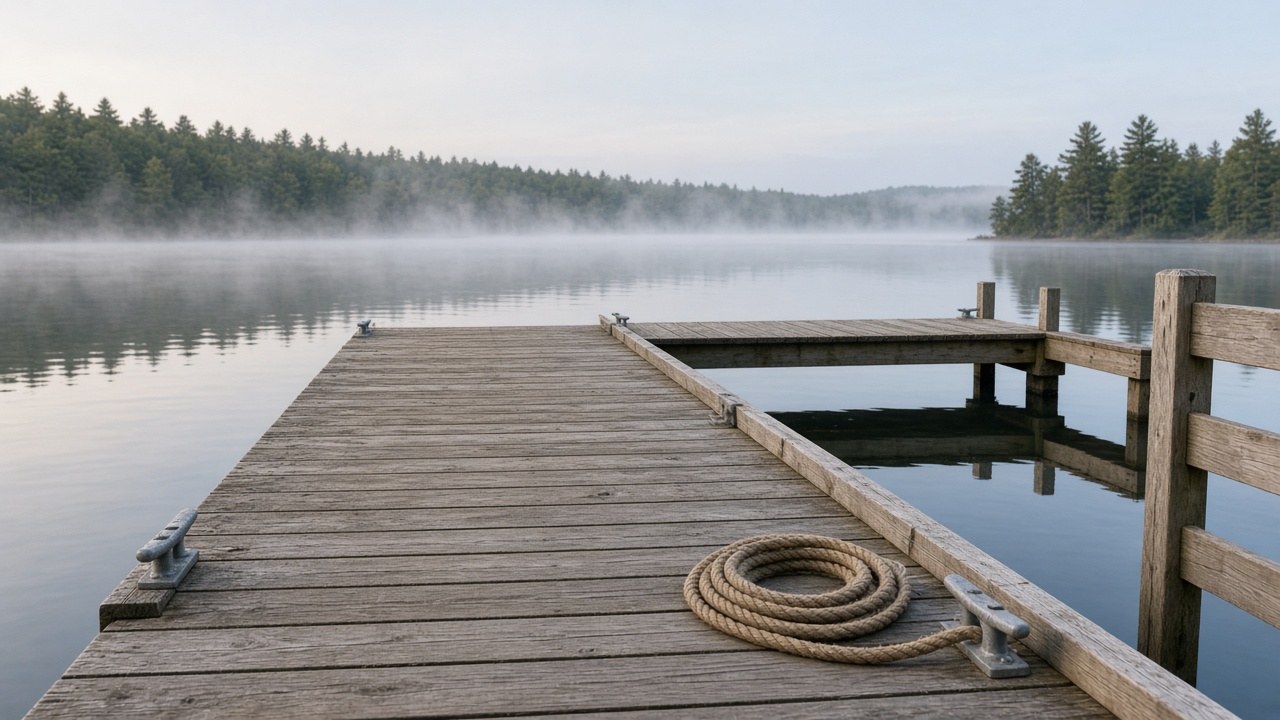
Through-bolt the cleats, place fenders where the hull actually rubs, keep one clear path, and light the step. Treat power like weather. Read local shoreline rules before you build.
Key takeaways
- Cleats fail at the screws. Through-bolt them.
- One walking lane beats three decorative crates.
- Light the feet, not the lake.
- Wind days are inspections, not dares.
A first dock is a workplace that happens to be pretty. Every launch, every return, every fuel can and wet line will tell you whether the setup was a photo or a plan. In 2026 the beginner job is still: keep people from falling, keep the boat from beating itself to death, and keep power and storage from becoming a surprise in the rain. You do not need a marina catalog. You need a few honest stations and a habit of walking the planks before you need them in the dark.
Short version. Start with cleats that are through-bolted, fenders that actually meet the hull, and a step that a tired guest can use. Add light that helps feet without blinding a night return. Keep power GFCI-protected if you have it, and keep cords out of the walking lane. How windy is too windy is when the slip teaches you which cleat was theater. Water skills is the jacket habit that still applies at the dock. Check live prices if you later buy a fender or a cooler. We do not invent numbers.
Permits, HOA rules, and shoreline law are local. This page will not invent them. Read yours before you build or bolt anything. A clever dock that is illegal is not clever.
Cleats, lines, and the boat that stays put
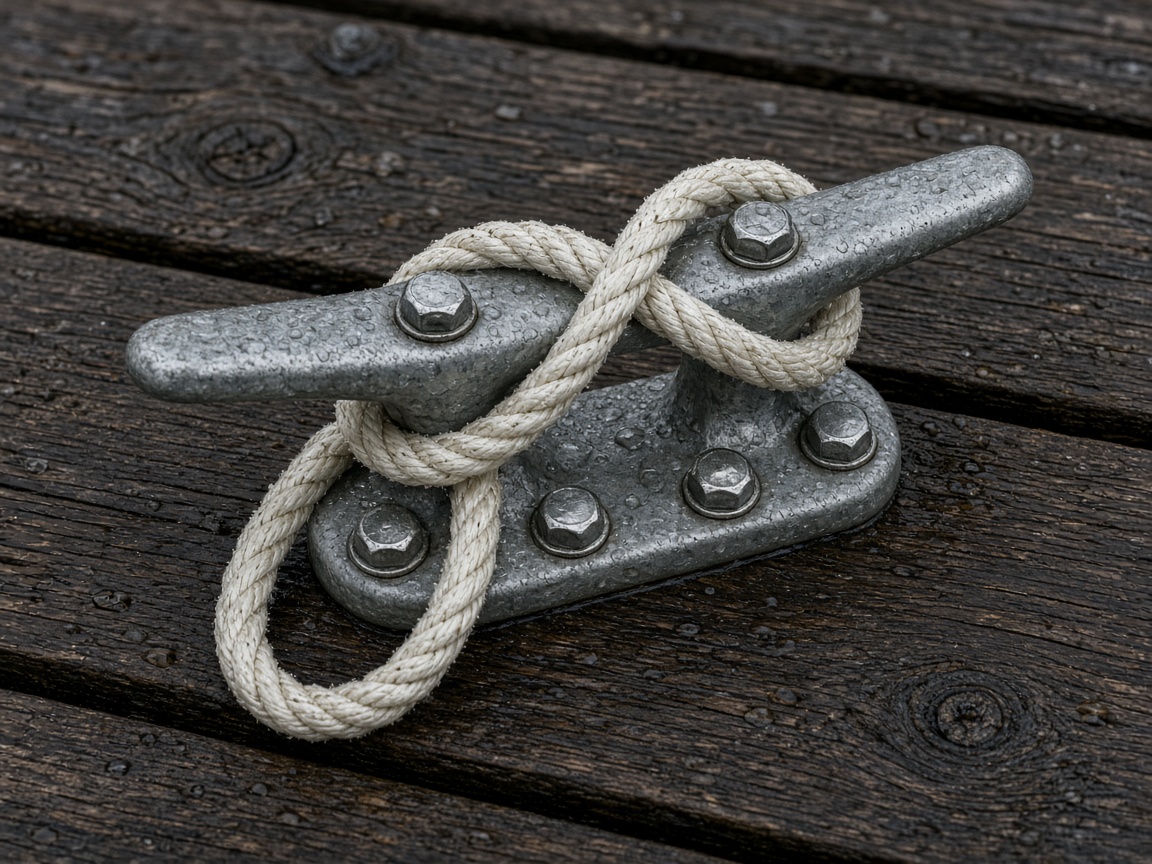
Cleats fail at the screws. Through-bolt them to something real, not to a weathered 2x that has been sipping the lake for a decade. Place them where the boat’s fairleads actually want to pull. A decorative cleat in the middle of a walkway is a shin finder. A missing midship cleat is how people invent a bad spring line with a knot they do not trust.
Lines should be sized for the boat you have, not the leftover rope in the shed. Learn a cleat hitch that you can undo with cold hands. Learn a spring line so the hull does not surge forward and kiss the piling every time a wake arrives. If the slip is tidal or the reservoir moves, plan for the range. A line that is perfect at noon can be a tightwire at dusk.
Bumpers and fenders belong at the points of contact, not in a pile “for later.” Adjust them for the boat you have today. A neighbor’s bigger beam will need a different height. Walk the dock after the first windy night. The scuff on the gelcoat is the setup talking.
A walking lane that works at night
Keep one clear path from the shore to the boat. Coiled hoses, a tackle crate, and a board that flexes are how guests go swimming dressed. If the dock is seasonal, check every fastener after winter. A loose plank is a lawsuit that has not met a lawyer yet. You do not need that sentence to be a surprise.
Steps and ladders need to work for tired legs. A swim ladder that folds and rusts shut is decoration. Test it in the daylight. Water skills if the real fear is getting back on something after a fall. At the dock, the same physics apply. Kids need a rule about running. Adults need a rule about “just this one box” in the lane.
Light the path, not the lake. Fully shielded, warm, and low. A flood that paints the water will ruin your night eyes and annoy everyone in the creek. A small fixture at a step is enough. Solar stake lights that die by 9 p.m. are how people learn the plank with an ankle. If you boat after dark, use light you can count on.
Power, water, and the quiet hazards
If you have shore power, treat it like a house circuit that lives in weather. GFCI, covers that still close, and cords that are rated for the job. Do not daisy-chain cheap cubes. Do not run a cord across the walking lane under a rug that hides it. Electricity and a wet dock are a known bad pairing. If you are not sure, hire the person who is sure.
Water on the dock is for rinsing and drinking, not for inventing a slip-and-slide. A hose that lives in a reel stays out of the lane. Fuel belongs in approved cans, in a place that cannot fall in, and in a habit that does not include smoking. None of that is rustic charm.
Storage boxes are useful until they become a wall you climb. Keep the walking width. Keep weight off the end of a floating dock if the design did not plan for a freezer. Coolers if the box is the camping kind. Ice melt is water on the planks. Plan for that too.
Fixed, floating, and the water that moves
Floating docks forgive changing water if the connections are sound. They also move under your feet in a chop. Non-slip and a handhold matter more than a pretty stain. Fixed docks are honest about height: great at one lake level, a climb at another. First-time owners often inherit one and then blame the boat. Blame the range.
Pilings, wheels, and gangways all have wear parts. Walk them monthly in season. After a storm, walk them before you trust them with a guest. A dock that shifted two inches is still a dock that shifted. Lines that were perfect may now saw on an edge.
Kayaks and paddleboards want a simple place to land that is not the boat’s boarding zone. Fishing kayaks if the fleet is growing. A second cleat and a soft side save more gelcoat than a speech. Keep PFDs where people will actually put them on — not in a bin under a pile of life jackets from 1998 that no longer buckle.
Seasonal habits that keep the dock honest
Spring is fasteners, buoyancy, and a look at the shore connection. Midseason is algae, a slimy step, and the fender that migrated. Fall is what you will pull, what you will leave, and whether ice is a real local story. If the dock comes out, label the hardware. Future you is a worse mechanic than you think.
Neighbors share wakes and noise. A polite conversation about Friday night speed in the creek does more than a flag. Your setup should not throw extra wake into someone else’s slip. How you leave the no-wake zone is part of dock ownership. So is how you tie up when you will be gone two weeks. A boat that works loose is everyone’s problem.
Wind days are inspections. the wind guide if you are deciding whether to leave the slip at all. While you stay, watch how the boat lies. Add a line. Move a fender. That is a smarter afternoon than forcing a picnic cruise because the cooler is packed.
A first-year checklist that is not a catalog
Through-bolted cleats. Lines you can undo. Fenders at the contact points. A clear walking lane. A ladder that works. Light on the step. Power that is not a science project. A place for the fuel can that is not the walkway. A throw-able float and a rule about jackets for kids on the dock. That is a first-year setup.
Add a small kit: tape, a spare cleat hitch you can copy from a card, gloves, and a knife that is not at the bottom of the lake. Add a camera in your head: walk the dock every time you arrive, the way a pilot walks a wing. The one loose board is the one that gets a guest.
Skip the year-one water slide, the ungrounded string lights, and the freezer on the last float. Earn those after the boat has spent a season without new scars. The dock is infrastructure. Treat it like a short bridge you own.
Pretty is allowed. Unsafe is not.
A smart first dock is a walking lane, honest hardware, and light that helps feet. The rest is taste. Learn your water’s range, your boat’s manners, and the rules that already exist. Then the Saturday launch is a habit, not a scramble. Check live prices if a fender or a jacket is the next hole. We do not invent numbers. We also do not invent your shoreline permit.
If the wind is the part you keep misreading, read the wind guide before you untie. If the people on the dock are the part you keep worrying about, start with water skills. The slip will teach the rest.
Storms, wakes, and the night you are not there
Before a blow, add a line, check chafe, and take off the toy that will become a sail. Canvas that can catch wind should come down if the forecast is real. A boat that is “probably fine” is the boat that kisses a piling at 3 a.m. while you sleep. If you will be out of town, ask a neighbor to walk the slip after the first night of wind. Reciprocate. Docks are a small town even when the houses are far apart.
Wakes from people who did not read the creek are a setup problem too. Spring lines reduce the surge. Extra fendering at the contact points reduces the scar. You cannot educate every weekend warrior from your cleat. You can make the slip less of a drum. A polite flag or a conversation at the ramp still works more often than a feud.
Ice, if you have it, is a local conversation with people who have lost hardware. Do not invent a bubbler plan from a video filmed on a different lake. If the dock comes out, take the time to label piles. If it stays, inspect after every hard freeze. A piling that moved is a docking geometry that changed.
Teaching guests the dock in two minutes
Guests need three sentences: where to step, what not to run on, and where the jacket lives. Show the ladder. Show the cleat they should not trip over. If they want to help with a line, give them one job, not five. A first-time helper with two lines is how boats get a new stripe.
Kids on a dock need a life jacket rule that does not depend on whether you are watching this second. The water is still the water when you are untying. A throwable should be in reach of an adult, not under a pile of towels. Practice a “stop” voice that you will actually use. The dock is fun. It is also a hard edge over deep water.
At night, the two-minute tour includes the light switch and the one plank that still lies. Hand a guest a dim light if they will walk alone to the car. A phone flashlight that paints the lake and leaves the plank dark is how ankles happen. Light the feet. Then go eat. The dock will still be there.
Kit that belongs here
Named tools only. Check live prices. We do not invent numbers. Disclosure lives on affiliate disclosure.

Also in the magazine
Keep going with the wind guide, water skills, fishing kayaks, and coolers. We only link pages that already live here. Check live prices. We do not invent numbers.
Frequently asked questions
What does a first-time boat dock need?
Through-bolted cleats, lines you can undo, fenders at the contact points, a clear walking lane, a working ladder, and light on the steps.
Do I need shore power in year one?
No. If you add it, treat it like a wet house circuit: GFCI, proper cords, no daisy-chained cubes.
How do I stop the boat from rubbing?
Spring lines and fenders at the real contact points. Walk the slip after the first windy night and adjust.
Should I light the whole dock?
Light the path and the step. A flood that paints the water ruins night eyes and does not make the planks safer.
Can I put a freezer or a slide on a floating dock?
Not in year one unless the dock was designed for that load. Keep weight and toys off the walking lane.
What rules apply to building a dock?
Local ones. Permits, HOA, and shoreline law are not optional trivia. Read them before you bolt anything.