
How Windy Is Too Windy for Boating? A Quick Guide
Written by John Wren|
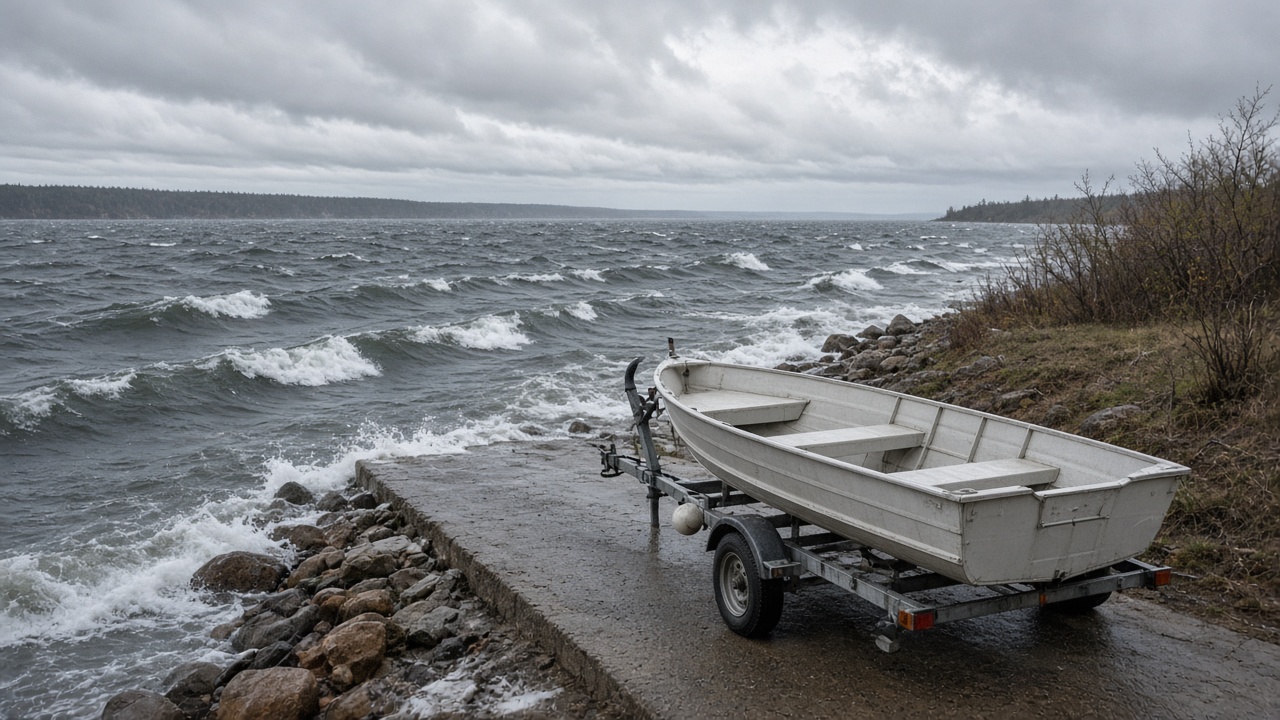
Use knot ranges as a starting conversation, then look at fetch, duration, and the water in front of you. Most recreational boats should stay in when a fresh or strong breeze is already working a wide stretch of water.
Key takeaways
- A knot number without fetch is half a forecast.
- Your limit sits below the boat’s theoretical limit.
- Decide twice: at home with a marine source, at the ramp with your eyes.
- A stay-tied day is still a useful dock day.
Wind limits are not a single number on a mug. A 12-knot breeze on a small protected pond is a different day than 12 knots on a wide sound with a three-mile fetch. Your hull, your experience, your guests, and whether the wind is building or dying all matter more than a screenshot of “partly sunny.” In 2026 the useful habit is still: look at the water, know your boat’s bad manners, and have a number where you stay tied — then honor it.
Short version. Light air under about 10 knots is the classroom for most small recreational boats. A moderate breeze starts to stack chop. A fresh breeze is when many weekenders should stay in the slip or hug a lee shore. A strong breeze is a dock day unless you already run that boat in that water for a living. Water skills is the skill side. dock setup is the slip side. We do not invent forecasts. Check a marine source the morning you go.
This is a judgment guide, not a license. Local knowledge and the boat’s manual sit above a magazine paragraph. If a small-craft advisory is up, that is not a dare. It is the grown-up sentence.
A working scale, with the caveats attached
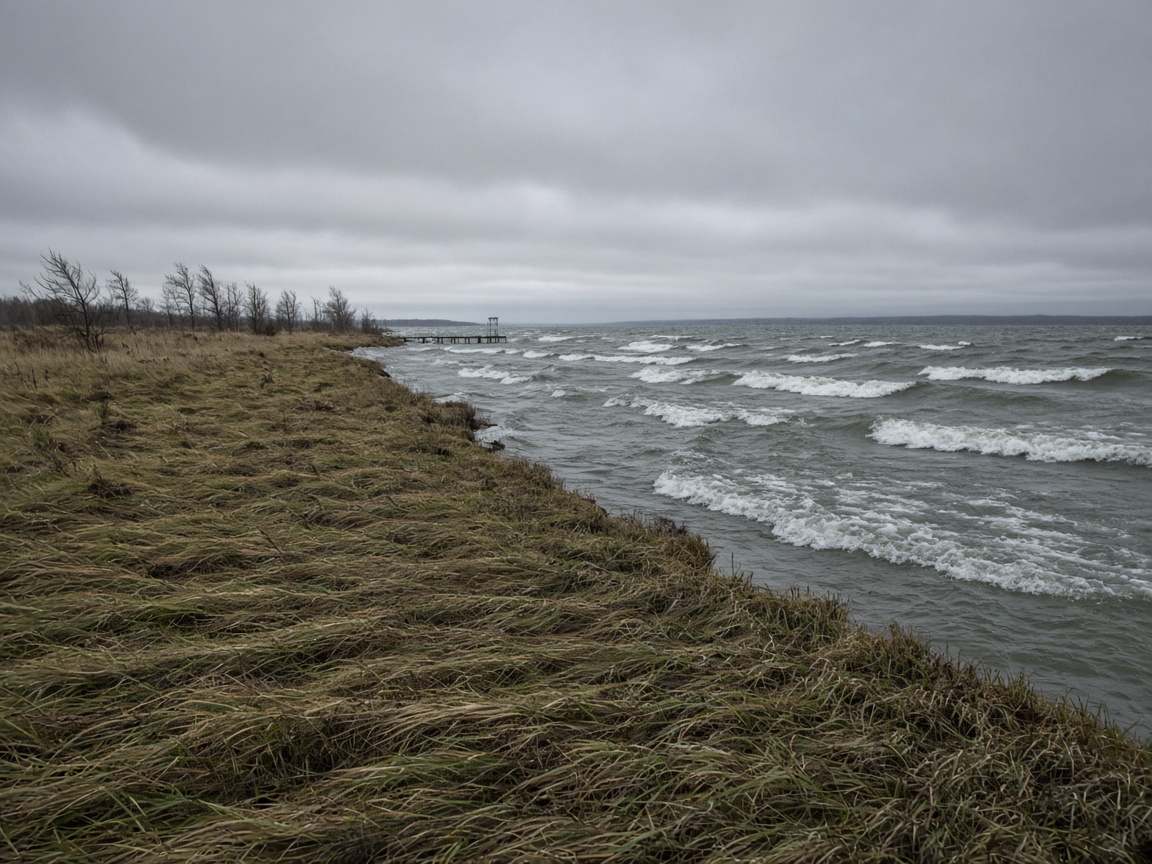
People like ranges because they are shareable. Treat them as a starting conversation, not a law. About 0–10 knots: calm to a light breeze. Most kayaks, jon boats, and family runabouts are in their happy place if the water has room. This is when you practice docking and reboards. Do not waste a glass day only making a long crossing you could do later in worse air.
About 11–16 knots: a gentle to moderate breeze. Small open boats start to feel chop. Spray appears. Guests who said they were “fine with boats” get quiet. Experienced people still go, but they pick a shorter loop and a bailout. If your boat is a light kayak or a tiller skiff, this is where you decide whether the fetch is a pond or a bay.
About 17–21 knots: a fresh breeze. Waves on open water often build into the two-to-four-foot conversation, and handling gets sloppy. Most recreational crews should stay docked or stay in a tiny, known pocket. About 22–27 knots is a strong breeze. That is a stay-tied day for the ordinary weekend boat. Above that you are in weather, not recreation. None of these ranges replace the hull you have or the sea you can see.
Fetch, duration, and the lie of a single knot number
Fetch is how far the wind has been working the water. A 15-knot wind that just switched may leave a harbor looking honest while the big lake is already a mess. A 15-knot wind that has blown all night will have stacked a sea that does not match the “only 15” on the app. Duration matters. So does opposing current. Wind against tide or river flow builds a steep, uncomfortable chop that feels worse than the number.
Land shapes the day. A lee shore is where the wind blows you onto trouble. A windward shore can be a punching match to get home. Islands and points hide a different wind on the other side. If you cannot see the open water from the ramp, walk to a view before you commit. The first mile is when turning around is still cheap.
Shallow water stands waves up. A bay that is four feet deep can feel nastier than a deeper lake at the same speed of wind. That is why a number that was fine last month on a reservoir can be wrong on a coastal flat. Local knowledge is not snobbery. It is the difference between a story and a tow.
The boat you have, not the boat on the internet
A heavy displacement cruiser and a 12-foot aluminum skiff do not share a wind budget. Low freeboard ships water. High-sided pontoon boats catch wind like a sail and dock like a barn door. Kayaks vanish in troughs and weathercock. Personal watercraft can handle chop and still beat up a rider who has never practiced a slow return. Size is not virtue. Stability and experience are.
A fishing kayak changes the conversation toward sit-on-tops, PFDs, and reboards. A kayak in 15 knots on a wide lake is a different risk than a 21-foot walkaround in the same number. Do not copy the biggest boat in the parking lot. Copy the people who come back early when the dark line shows up on the water.
Load matters. A boat that is fine with two adults can be wrong with a cooler, kids, and a dog on the bow. Weight that is too far forward or aft changes how the hull takes a chop. If the boat feels light and skittery in a breeze you used to ignore, believe the boat. Leave the extra guests at the dock. They will forgive you. A wave through the transom will not.
Skill, guests, and the day that is not about you
Your personal limit should be below the boat’s theoretical limit. Tired, new, or showing off are all ways the number moves the wrong direction. If you have not docked this hull in a crosswind, do not pick a windy Saturday as the lesson. Practice in 8 knots. Graduate later.
Guests change the math. Children, people who cannot swim well, and anyone who is already nervous shrink the window. Water skills is the confidence page: jackets on, reboard practiced, no stacking of firsts. A windy day is a bad day to introduce a first-timer to “real boating.” It is a good day to stay, talk at the dock, and go for a walk.
Solo is stricter. A problem that is funny with a second pair of hands is a swim when you are alone. If you go, tell someone the plan and the time you will check in. Wear the kill switch. Wear the jacket. Those are not slogans. They are how a gust does not write the rest of the afternoon.
Go, shorten, or stay — a decision you make twice
Make the first decision in the driveway with a marine forecast, not a lifestyle app. Make the second decision at the ramp when you can see whitecaps, flags, and other boats coming in early. Coming in early is data. So is an empty lake that is usually busy. Pride is staying on the plan you made at breakfast.
If you go, pick a loop with an exit. Stay near a lee if you have one. Keep the crossing short. Reef the plan, not only the canvas. A shorter fishing drift in protected water is still a day. A long open-water run because the cooler is packed is how coolers get famous for the wrong reason. The cooler page if you care about the box. The box is not a reason to stay out.
Turning around is a skill. Do it before the inlet gets worse. Do it before the crew is sick. Do it before you are negotiating a downwind docking you have never practiced. There is no prize for using the whole weather window.
When the dock is the adventure
A stay-tied day can still be useful. Check lines, fenders, and whether the boat is sitting honestly. Smart dock setup is the first-timer dock page. Wind is when you learn which cleat actually works and which fender is theater. A boat that slams in the slip in 20 knots will slam worse in a storm if the setup is sloppy.
Trailering in wind is its own sport. A light boat on a tall trailer becomes a sail on the highway. Kayak trailers if the project is the trailer. If the launch ramp is a crosswind circus, wait for a lull or pick another day. A crushed gelcoat at the ramp is a wind story too.
Small-craft advisories, gale warnings, and lightning are not vibes. They are the stay-home sentence. If you do not know what the flag or the radio product means in your water, learn that before you need it. Apps help. Eyes and a second source help more.
A number you will honor
Write your own limit for this boat, this lake, this crew. Put it under the official ranges, not over them. Look at fetch and duration. Look at the water. Leave early. Stay tied when the number you chose is up. That is how windy is too windy in 2026: not a dare, not a single knot, a habit you keep when the sky is still pretty.
If the skills under the wind still feel thin, start with water skills and a calm afternoon. Check live prices if a jacket or a fender is the next honest purchase. We do not invent numbers. We also do not invent a safe knot count for a boat we have not seen.
Kayaks, boards, and small open boats
A kayak weathervanes. A paddleboard becomes a sail. A tiller skiff with a steering-age kid in the bow becomes a different math problem than the same skiff with two adults sitting low. If you paddle, your “too windy” number is usually lower than a neighbor’s cabin cruiser. That is not timid. That is geometry. Stay inside a swim you could finish with the jacket on, or stay off.
Offshore wind on a lake can look like a gift on the way out and a punishment on the way home. Plan the return as the hard half. If you cannot imagine the return at the forecast’s high number, do not take the outbound gift. Boards should stay close to a beach you can wash onto. Leashes help you keep the board. They do not help a winded swimmer in a long fetch.
Motors do not cancel waves. They just get you into the bad part faster. A short boat that pounds will beat up guests and then beat up the decision to stay. If the ride is already a series of slams in the first mile, you have your answer. Turn around while the inlet is still the inlet you know.
How to read a forecast without worshiping it
Use a marine source and a second look: flags, webcams, and the water you can see. “Gusting to” is the number that docks boats, not the average that makes a pretty graph. If the gusts are already in fresh-breeze territory and the fetch is open, stay tied. If the wind is dying after a long blow, the leftover sea can still be the problem. The app will look friendly. The water will not.
Lightning and fog are not wind, and they still veto a trip. Stacking a building storm on a moderate breeze is how people write the worst stories. One problem is a judgment call. Two problems is a dock day. You can fish a lee or clean the slip. You cannot out-debate a squall line.
Write your personal limit on a card in the console: this hull, this lake, this crew. Update it after a day that felt too big. Limits that only live in your head drift toward whatever the weekend guests want. A written number is a friend when the sky is still blue and the flags are already loud.
Kit that belongs here
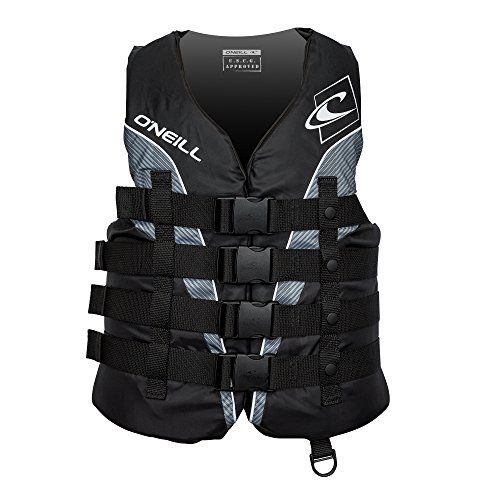
Named tools only. Check live prices. We do not invent numbers. Disclosure lives on affiliate disclosure.
Also in the magazine
Keep going with water skills, first-time dock setup, fishing kayaks, and kayak trailers. We only link pages that already live here. Check live prices. We do not invent numbers.
Frequently asked questions
How windy is too windy for boating?
It depends on fetch, hull, crew, and whether the wind has been blowing all night. Many weekenders should stay in by a fresh breeze. A strong breeze is a dock day for ordinary recreational boats.
Is 15 knots safe?
Sometimes on a small protected pond. Often not on a wide sound with a long fetch. Look at the water and your boat, not only the number.
What is fetch?
The distance of water the wind has been working. Longer fetch and longer duration make a bigger, meaner sea at the same knot count.
Should I go out in a small-craft advisory?
Treat it as a stay-tied day unless you already run that boat in that water with a real reason and a real plan.
Does a bigger boat make wind irrelevant?
No. It changes the problems. Docking, guests, and a lee shore still exist.
What if the forecast changes after I launch?
Use the second decision at the water. Shorten the loop or go in. There is no prize for using the whole window.