
Beginner-Friendly Outdoor Activities Beyond Camping
Written by John Wren|
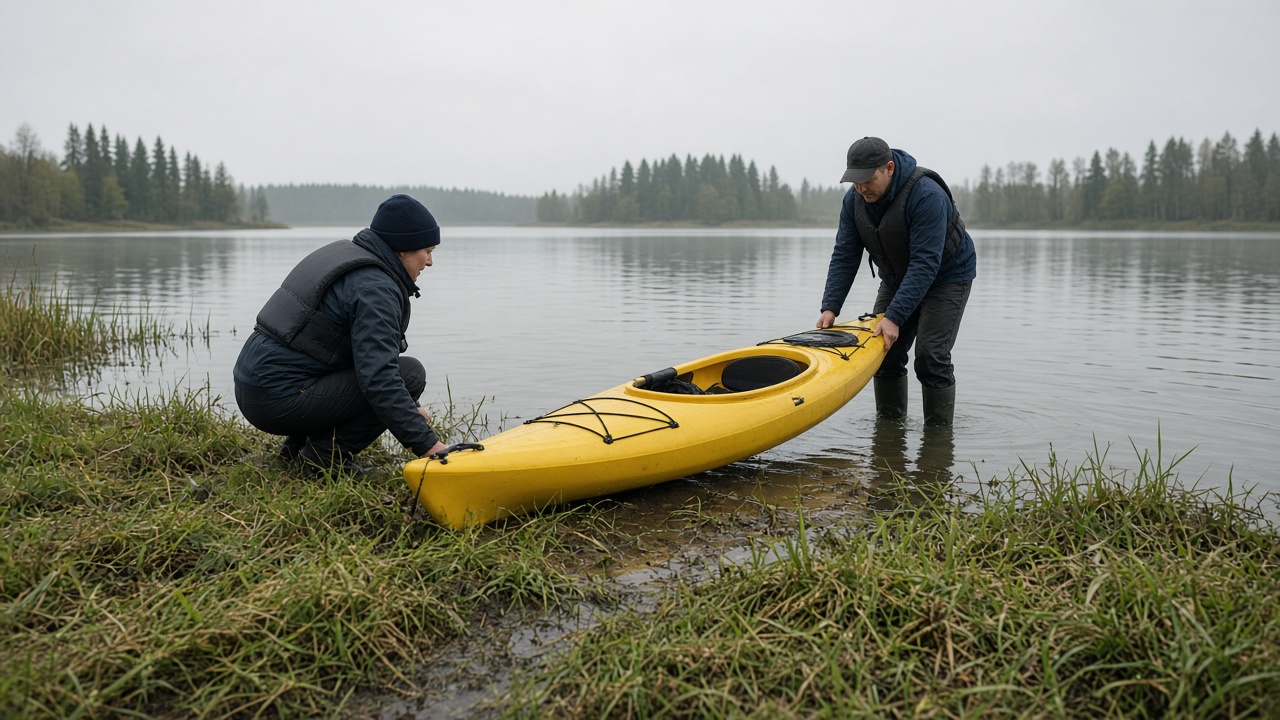
Pick one short loop. Wear shoes you know. Bring water and a small first-aid kit. Learn the day before you learn the overnight.
Key takeaways
- One new activity a day. Do not stack firsts.
- Protected water before open water.
- A first-aid pouch earns its space on beginner days.
- Camping is optional until the day itself feels easy.
Camping is a fine door. It is not the only door. Plenty of people want more time outside and freeze at the thought of a two-night tent, a bear canister lecture, and a 40-liter pack they have never worn. In 2026 the honest beginner list is still shorter than the lifestyle blogs: walk an easy trail, paddle a protected pond, fish a bank, ride a bike path, and watch birds like it is a job. Sleep at home until the day itself feels easy.
Short version. Pick one activity. Keep the loop short. Wear shoes you already know. Bring water and a way to get a blister or a scrape under control. field first aid is the kit we will name. water skills if the day is a boat or a kayak. This is not a fake top-ten of adrenaline. It is how people actually start.
You can camp later. You will camp better if you already know how you do on your feet, on the water, and in the weather for four hours.
Easy walking is still the best first sport
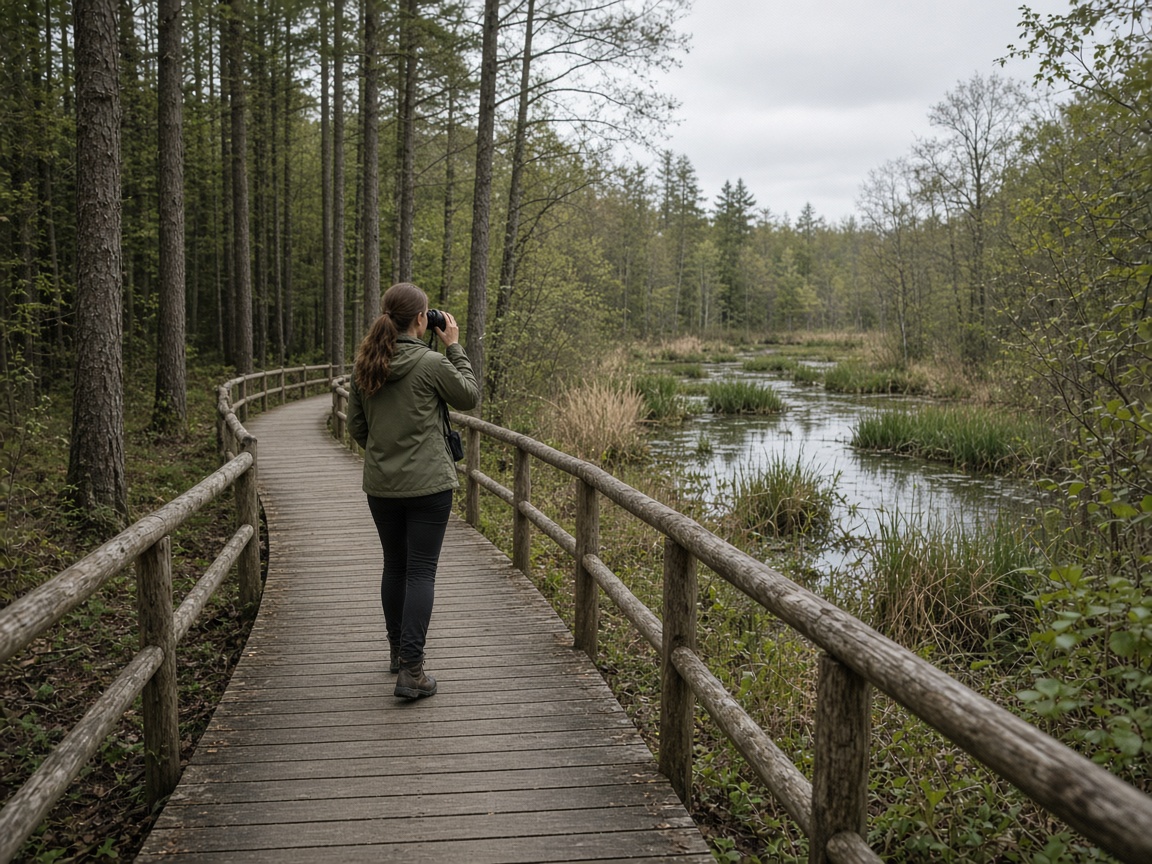
A maintained trail, a rail path, or a refuge boardwalk is a beginner activity with a high ceiling. You practice pace, water, and the habit of turning around before you are a problem. Two miles out and back on kind ground teaches more than a nine-mile “easy” loop you copied from a stranger.
Shoes matter more than a new pack. all-day outdoor shoes is the all-day match: ground, hours, wet or dry. Debuting a stiff boot on your first real trail is how people decide they hate hiking. Wear the pair that already fits. Carry a dry sock if the grass is wet.
Navigation can be a printed map plus the obvious blazes. A live phone is a helper, not the only plan. Tell someone the lot and the time you will be back. That is beginner fieldcraft, not drama.
Protected water before open water
A sit-on-top on a small lake with a visible take-out is a kinder first paddle than a tidal river. Practice getting back on the boat in waist-deep water before you leave the cove. Wear a jacket that floats. wind limits on the water if you are tempted to “see how it feels” when flags are straight out.
Lessons are cheaper than pride. A one-hour intro from a shop that actually teaches a wet exit will save a season. Do not stack firsts: first kayak, first wind, first guest, first beer. One new thing a day.
planning a kayak day is the longer kayak page. Beginners do not need a fishing crate on day one. They need a boat that is stable, a leash on the paddle, and a plan that ends before arms go stupid.
Bank fishing is a full outdoor day
A pier, a pond, or a river bank you can leave on foot is a beginner day with a reason to sit still. License, local rules, and a way to unhook a fish without wrecking it are the skills. You do not need a boat. You need shade, water, and the patience to not wander onto private ground.
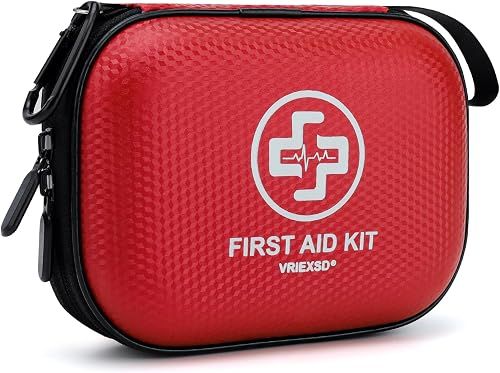
Kids do well here if the loop is short and the snacks are real. getting kids outdoors if the day is actually theirs. A first-aid kit earns its space when a hook finds a finger. That is an honest product hook, not a mall backpack.
Catch-and-release is a skill. So is keeping a legal fish cold. If you do not have a plan for the animal, do not take the animal. The beginner win is a quiet hour that makes you want a second hour, not a pile of gear you will not use.
A bike path is not a race
Rail trails and park loops are how adults remember they like bikes. Helmet, a lock if you will leave the bike, and a pace you can talk at. beginner adventure riding if you later want dirt. a lock that actually holds if you will lean the bike at a store. Day one is not a group ride that drops you on a climb.
Lights if you might finish late. A spare tube if you already know how to use it. If you do not, walk the bike and call it information. Beginners quit when the first mechanical feels like a test they failed. It is just a mechanical.
Watching is a sport if you treat it like one
A marsh boardwalk at first light, a notebook, and cheap binoculars will change how a person walks. You slow down. You hear things. wildlife tracking is the tracking cousin. You do not need a life list. You need to stand still long enough that a bird forgets you.
Stay on the path. Do not push a nest for a photo. The beginner outdoor ethic is the same as the advanced one: the place is not a set. You are a guest with a thermos.
A few more doors that are not camping
A ranger-led walk, a community paddle night, a state-park fishing clinic, a snowshoe afternoon on a packed trail — all of these are beginner outdoor days. snowshoe basics when the ground is white. a dark sitting circle if you want a dark pad without a backpacking trip. The common rule is a short loop and an exit that does not require a hero story.
Climbing gyms and indoor walls are practice. Outdoor rock is a class with a teacher. Do not skip to a cliff because a video made it look like a ladder. The same is true of cold water and of horses. higher-pulse days if you later want a higher pulse. Start where you can fail safely.
Start, then camp if you still want to
Beginner-friendly outdoor time is a walk, a pond, a bank, a path, and a pair of binoculars. Camping can wait until those days feel ordinary. Pack water, a layer, and a small kit that can handle a scrape. Check live prices if you buy the first-aid pouch. We do not invent numbers. We also do not invent a need for a 65-liter pack on week one.
The person who does four easy outdoor days this month will camp better in October than the person who bought a tent and never left the driveway.
Weather is the first teacher
A beginner day in a hard rain is how people decide they hate the outdoors. Pick a forecast you can learn in, not a forecast you can survive. Light wind, mild temperature, and an exit that is a car — that is a classroom. Storms, heat advisories, and a dark early sunset are graduate courses. You can walk in a drizzle with a layer. You should not learn to kayak in a warning.
Heat is the other quitter. A short loop at 8 a.m. beats a heroic noon. Shade is part of the route. If there is no shade, there is no summer beginner hike after 10. Water you will drink matters more than a new hydration bladder you have not used. A bottle in the hip belt is fine. The habit is the sip, not the logo.
Winter beginners get to be proud of a two-mile packed trail. That is a real day. Ice is a skill. Microspikes on a city park hill are a better first than a mountain road you cannot reverse. Tell someone the lot. Come back before the light dies. The unique joy of a first cold walk is that you still have feeling in your fingers when you start the car.
Who you go with changes the activity
A patient friend is worth more than a new gadget. A competitive friend is how a beginner paddle becomes a race and a quiet person shuts down. Say the plan out loud: two hours, this put-in, jackets on, home for lunch. If the other adult wants a bigger day, they can have it on their own Saturday. You are allowed to be new.
Groups of four or more need a leader who counts heads. Meet at the same car. Leave a note. Do not assume the last person saw the turn. Beginner days fall apart in parking lots and at the first unmarked fork, not on the summit you never reach.
Going alone is allowed on easy, known ground if someone has the plan. It is not allowed on a first kayak in moving water. Match solitude to skill. The outdoor life has room for both. Week one is usually better with a witness who will not mock a short loop.
The three things that are enough
Shoes, water, and a small kit that can handle a scrape — that is the beginner shopping list. A daypack can be a school backpack you already own. A rain layer can be the jacket in the hall closet. You will learn what fails. Then you replace the one thing that failed. That is how kit stays honest instead of becoming a pile of unused novelty.
Phones die. A paper name of the park and a time you will check in is the backup. A battery pack is fine if you already have one. It is not a reason to skip telling a human. Screens also steal the day. Put the phone away for a mile and see if you still like the activity. If you only liked the photo, pick a different door.
Money is a gate people pretend is not there. State parks, city lakes, and library binocular-loan programs exist. Start where the fee is a sandwich, not a weekend package. The outdoor habit that sticks is the cheap repeat, not the expensive debut.
How you know you are ready for more
When a four-hour walk feels ordinary, you can add a night in a tent. When a pond paddle feels boring, you can add a bigger lake on a calm morning. When a bank-fishing hour feels short, you can add a boat with someone who already knows the ramp. Ready is a feeling of extra capacity, not a purchase.
If you are still scared, stay on the short loop. Fear that is information is useful. Fear that is a feed telling you that you are behind is noise. There is no outdoor ranking. There is only the next Saturday you actually go.
Write the loop on a card in the car: miles, water, and the time you will be back. That scrap of paper is how a beginner day stays a beginner day and not a search.
Also in the magazine
Keep going with water skills, all-day outdoor shoes, field first aid, and beginner riding. We only link pages that already live here. Check live prices. We do not invent numbers.
Frequently asked questions
Do I have to camp to be an outdoor person?
No. Walking, paddling a pond, bank fishing, a bike path, and birding are full days.
What should I buy first?
Shoes you already trust, water, and a small first-aid kit. Not a 65-liter pack.
Is a kayak a good first activity?
On protected water with a PFD and a practiced reboard, yes. Not on a windy open lake.
Can kids start this way?
Yes. Short loops, snacks, and an exit before they melt.
When should I try camping?
After a few easy outdoor days feel ordinary. You will pack better.
Why name a first-aid kit?
Hooks, scrapes, and blisters show up on beginner days. We name one kit we already use on other pages. Check live prices.