
Beyond Landmarks: Italy’s Natural Beauty
Written by John Wren|
Pick one range or shoreline, start early, and walk it in shoes you already trust. Respect wind, storms, and closed trails. The landmarks can wait.
Key takeaways
- One region per trip beats five highlights.
- Cinque Terre paths are real hikes in real heat.
- Lake wind is a weather decision, not a rental receipt.
- No souvenir product card belongs on this page.
Italy’s outdoor country is not a postcard add-on to the cities. The Dolomites, the big northern lakes, the Cinque Terre paths, the Apennine beech woods, and the island coasts are the trip if you let them be. In 2026 the useful way to travel here is still the field way: pick one range or one shoreline, walk it in the shoes you already trust, and leave the checklist that tries to do Rome, Venice, and a summit in the same week.
Short version. Treat Italy like public land with better espresso. The beauty is real. So are summer crowds, afternoon storms in the mountains, and closed gates on a Sunday. All-day outdoor shoes if the day is hours on stone and dirt. trail kit if the trail is the point. This is not a hotel ranking. It is how an outdoor person actually uses the country.
You do not need a secret village. You need a morning start, a refillable bottle, and the humility to turn around when the via ferrata is above your skill. The landmarks will still be there when you come down.
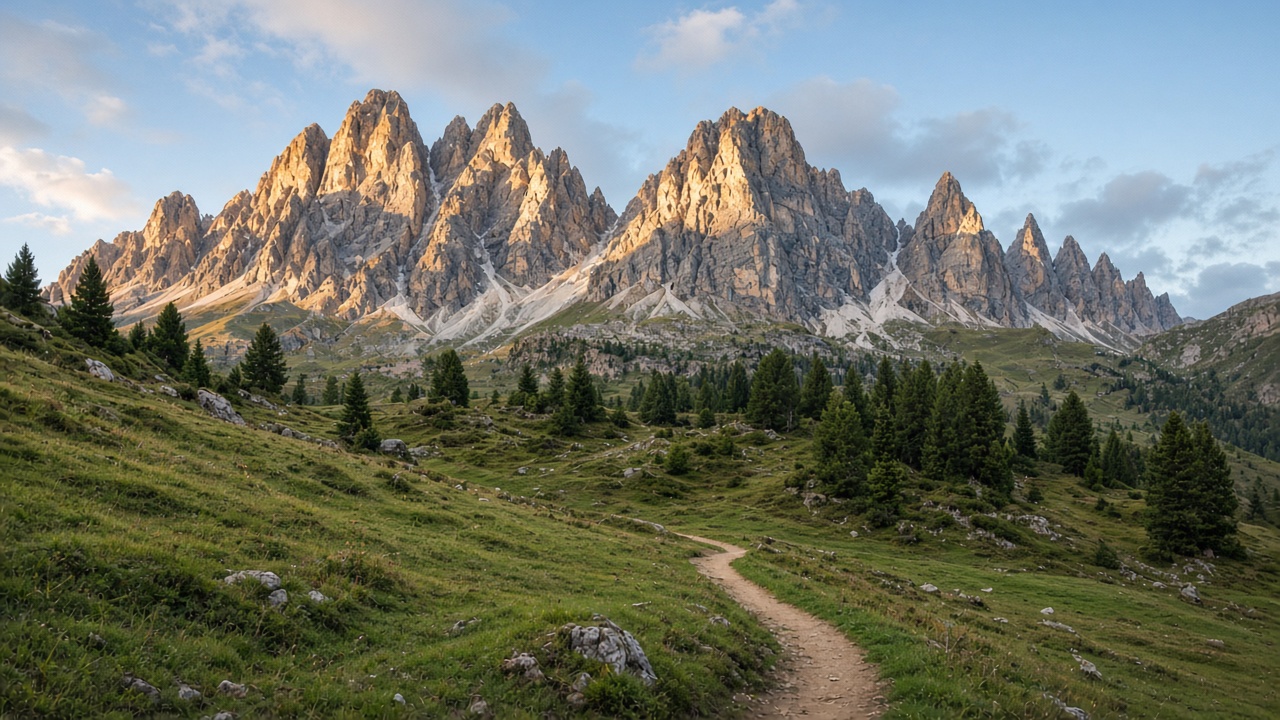
The Dolomites and the Alps are walking country first
The pale towers look like a poster until you are on a steep scree traverse with a thunderstorm building over the next rifugio. That is the real Italy for a hiker: marked trails, serious weather, and huts that feed you if you booked or arrived early enough. Do not treat a via ferrata like a theme-park ladder. Helmet, kit, and a mountain sense you already proved at home are the entry fee. If you have never clipped steel, hire a guide or pick a walking pass.
Altitude is not a vibe. Sleep one night high before you make a long day. Carry a layer that is not the shirt you sweated through at the car. Afternoon cells in July are ordinary. Start early. Be off the exposed ridge before the sky goes dark. The hut hot chocolate is a reward, not a rescue plan.
Winter is a different country. Ice, short days, and avalanche terrain are not “the same trail with snow.” If you came to ski-tour or snowshoe, that is a skill trip. snowshoe basics is the beginner snowshoe page we already keep. Do not invent a summer itinerary in February because the photo looked friendly.
Northern lakes are water days, not just villa days
Como, Garda, Maggiore, and the smaller basins are working water. Ferries, wind, and a steep shore mean a kayak or a small boat is a weather decision. A glassy morning can be a punching chop by lunch when the thermal wind arrives. when wind is too much for a boat is the same judgment you use at home: fetch, duration, and the hull you have. A rental sit-on-top is not a reason to ignore whitecaps.
Wear a jacket that actually floats. Italian rental counters are not a substitute for the habit. water skills if you want the skill side of reboards and calm practice. Swim only where it is allowed and where you can see a way out. A beautiful limestone drop into deep water is still a swim you have to finish.
Walk the shore paths when the water is wrong. The lakes reward a mixed day: a morning paddle in a pocket, an afternoon on a marked trail above the town, a late ferry instead of a tired drive. That is better travel than circling for a parking space at the famous villa.
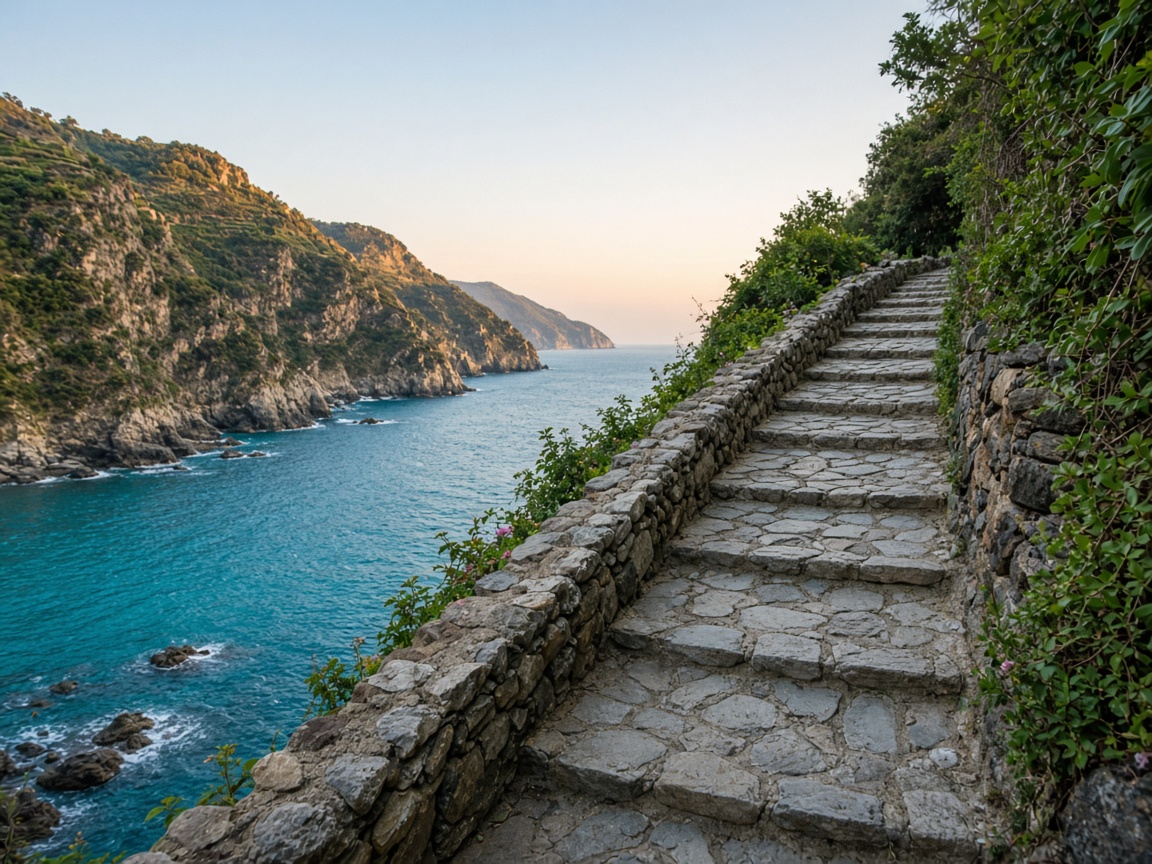
Cinque Terre and the Ligurian paths are stone, heat, and people
The coastal footpaths are not a casual boardwalk. They are stone steps, drop-offs, and summer heat that will cook a person who packed a city sandal. Closed sections after slides are common. Check the park notices the morning you go. If a trail is shut, walk a different village pair. Do not hop a barrier for a photograph.
Start at first light if you came in high season. Carry water you will drink. The “short” village-to-village walk is still a real hike when it is 90 degrees and the stones reflect. what to pack for a hike applies: water, a layer for the train home, and shoes you have already walked in. A fashion sneaker on polished rock is how people finish the day in a clinic.
The sea is the other half. Swim from a legal access, watch the ferry wake, and skip the cliff jump you saw on a phone. The Cinque Terre are crowded because they are beautiful. Your job is not to find an empty cove at noon in August. Your job is to move early, pay the park fee, and leave the place as you found it.
Central forests and the Apennines are the quiet Italy
Umbria, Abruzzo, and the beech woods of the Apennines are where an outdoor person can still hear a jay. Wolves and bears exist in some parks. That is not a horror story. It is a reason to store food, keep a dog close, and stay on the plan you filed with yourself. National park rules are not decorations.
Spring and fall are the walking seasons. Summer thunderstorms and winter snow close high trails. A hut that is open in August may be locked in November. Carry a paper idea of the loop, not only a live map. a low-impact dark site if you camp a dark site and want the sky. Low-impact camping is the same lecture we give at home: small pad, pack it out, no new fire rings where they are banned.
Hill towns are not the enemy. They are water, food, and a bed after a ridge day. The mistake is treating the town as the whole trip and the ridge as a backdrop. Walk out. Come back dusty. That is the point of being here instead of another capital-city weekend.
Islands and the south are heat, wind, and salt
Sardinia, Sicily, and the smaller islands are wind and limestone and water that looks friendly and still slaps a swimmer. Scirocco days are not paddle days. A boat hire is a skipper conversation, not a coupon. first dock habits if you are thinking about a first hull. Do not assume a Mediterranean afternoon is a pond.
Etna and the other volcano walks are ash, altitude, and rules that change with the mountain. Guided access exists for a reason. If the park says the crater rim is closed, it is closed. Lava is not a trail surface you invent. Bring a buff for dust and shoes you do not mind ruining.
The south also has hunting seasons and rural roads that are not a bike path. Share them like public land. A wave to a farmer costs nothing. A drone over a flock will get you a conversation you will not enjoy.
How to travel like a field person, not a checklist
One region per trip beats five highlights. Trains and buses work if you pick a base and walk from it. A car helps in the Apennines and Sardinia. It is a burden in Cinque Terre. Shoulder season — May, June, September, early October — is when the trails feel like trails. August is a crowd management problem. January is winter in the mountains even when Rome is mild.
Pack the same boring kit you would pack for a long Saturday at home: proven shoes, a filter or a bottle, a lamp, a layer, and a first-aid thought. field first aid if you want the kit page. We are not selling a suitcase of novelty souvenirs. We are saying the country rewards the person who already knows how to walk.
Language is manners. A few words at a hut or a trailhead kiosk is fieldcraft. So is paying for the park, the ferry, and the coffee instead of treating rural Italy like a free set. Public paths stay open when enough visitors behave like guests.
The beauty is the walk
Italy’s natural country is not a lesser version of the museums. It is the trip: stone underfoot, a storm you respect, a lake you read, a coastal path you start early. Skip the fake secret list. Pick a range. Walk it honestly. Come home tired in the good way. days that do not leave you drained if you want the energy page that sits next to this one.
No Amazon card belongs on a destination essay. Check live prices if you replace shoes or a lamp before you fly. We do not invent numbers. We also do not invent a hidden valley. The access is the marked trail and the morning alarm.
Eat like the walk is the point
A hut lunch is part of the mountain, not a side quest. Arrive early enough that you are not the person arguing about a reservation you did not make. Carry a salty snack anyway. Ridge days go longer than the menu. Water from a known fountain or a bottle you filled at breakfast beats hoping the next village is open on a Monday. Rural Italy still takes a real lunch hour. Plan the ridge around it, not through it.
Wine at 1,800 meters is a story people tell and a descent they regret. Save the bottle for the valley. Sugar and salt on the move are the field version of a trattoria. If you are new to hut culture, watch how locals stack packs, pay, and leave the table for the next party. That is trail manners with better bread.
Markets in a hill town are resupply. They are not a reason to skip the morning start. Buy fruit and a piece of cheese after the walk, not instead of it. The outdoor trip dies when every day becomes a food tour with a short stroll attached. Flip it: walk first, then eat like you earned it.
Trains, buses, and the car you might not want
The Dolomites and the lakes have buses that actually go to trailheads if you read the current timetable, not a screenshot from 2019. Cinque Terre is a train problem. A car in those villages is a fine. The Apennines and Sardinia still reward a small car and the patience to reverse on a two-track. Pick the tool that matches the region instead of renting a crossover “just in case” for a week you will spend on ferries.
Strikes and Sunday schedules are part of the weather. Have a walking loop from the bed that does not require a connection. The best travel day is often the one where the bus did not come and you still had a ridge from the door. That is why a base town with a marked path matters more than a famous hotel with no dirt.
Luggage is the silent enemy. A giant roller bag will punish you on cobbles and on a hut weekend. A pack you already hike in is the through-line. If you need city clothes, keep them to one layer in a stuff sack. Italy’s outdoor country is kinder to the person who looks a little dusty.
Hunting season, dogs, and the path as a workplace
Autumn in the woods can be a hunting season. Wear a color that is not camouflage. Stay on the marked line. A bell on a dog is manners in sheep country. An off-leash chase is how outdoor visitors become a story at the cafe that does not go your way. Close the gate you opened. That is the same public-land lecture we give at home, with better stone walls.
Drones over a village or a flock will get you a conversation with someone who works that hillside. So will a speaker on a via ferrata. The beauty people come for is quiet enough to hear a cowbell. Leave it that way. Pack your trash past the first bin if the bin is full. A wrapper on a Dolomite saddle is still litter.
If a trail is a working farm road, you are the guest. A tractor has the right to be slow. A smile and a step aside cost nothing. That is how an outdoor person travels in a country that is still used, not only visited.
Also in the magazine
Keep going with all-day outdoor shoes, trail kit you cannot skip, wind limits for boats, and outdoor days that do not drain you. We only link pages that already live here. Check live prices. We do not invent numbers.
Frequently asked questions
Is Italy only cities and landmarks?
No. The Dolomites, lakes, coastal paths, Apennines, and islands are full trips if you give them a week.
When should I hike Cinque Terre?
Early, with water and real shoes, and only on open park trails. High season noon is a crowd and a heat problem.
Can I kayak the northern lakes casually?
On a calm morning in a protected pocket, yes. Treat afternoon wind like you would at home. Wear a real PFD.
Do I need via ferrata experience?
Yes, or a guide. Steel on a cliff is not a sidewalk.
What season is best for walking?
Late spring and September are kinder than August heat and winter snow in the high country.
Why is there no product list here?
This is a destination field note. Shoes and a lamp belong on the kit pages, not as fake souvenirs.