
How to Use Snowshoes: A Beginner’s Guide for Hiking in the Winter
Written by Ben Jackson|
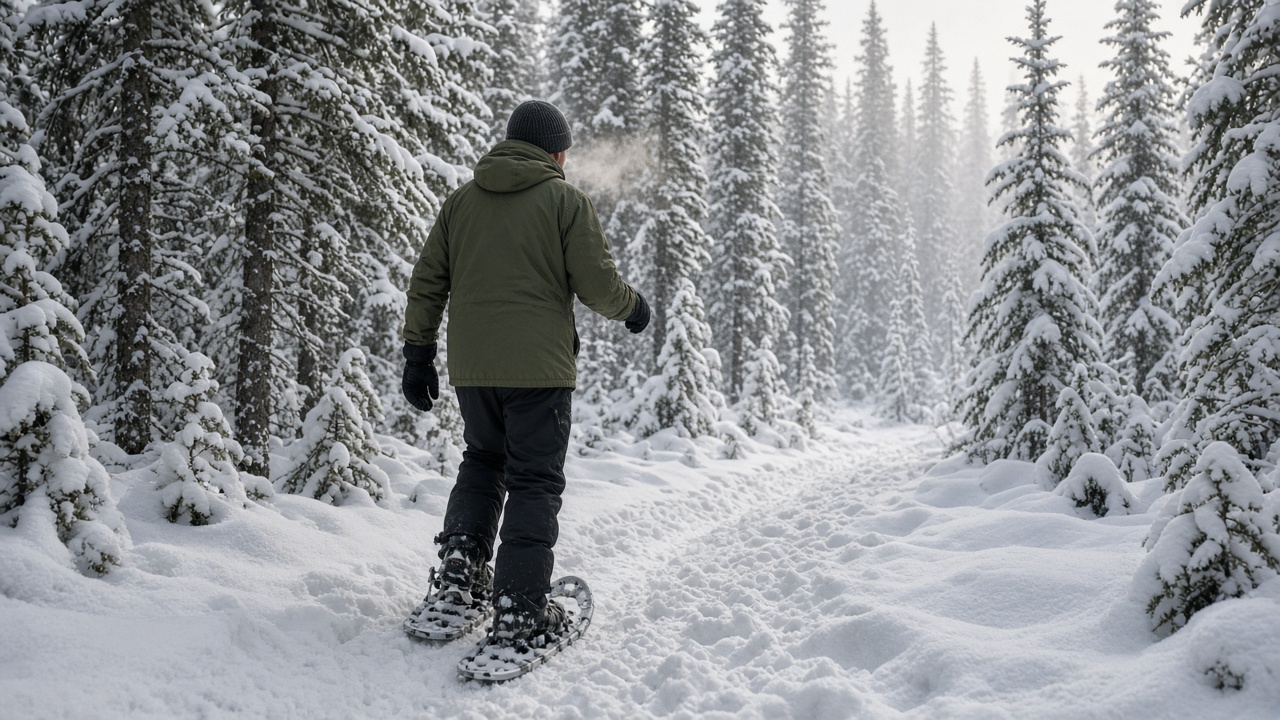
Practice the binding at home. Wear a hiking boot that already fits — we named the Vasque Sundowner GTX. Use poles. Kick a platform on the up. Stay off avalanche slopes. The lot is still the destination.
Key takeaways
- Bindings first, with gloves.
- The boot under the shoe is the product we named.
- Kick-step on the climb.
- Avalanche terrain is a different class.
Snowshoes are a binding you can close with gloves, a stride that is a little wide, and poles that keep you upright when the crust lies. They are not a pass into avalanche terrain. In 2026 the useful beginner version is still: click in on flat snow, walk a packed road, learn the kick-step on a small hill, and turn around before the slope becomes a class you have not paid for.
Short version. Bindings first. Poles second. Kick-step on the up. We will not invent a snowshoe ASIN. The boot under the binding is the product we will name. covered skin while you kneel if the fingers are the other half. the lot is the destination if the lot is the destination. Check live prices. We do not invent numbers.
Bindings you can close with gloves
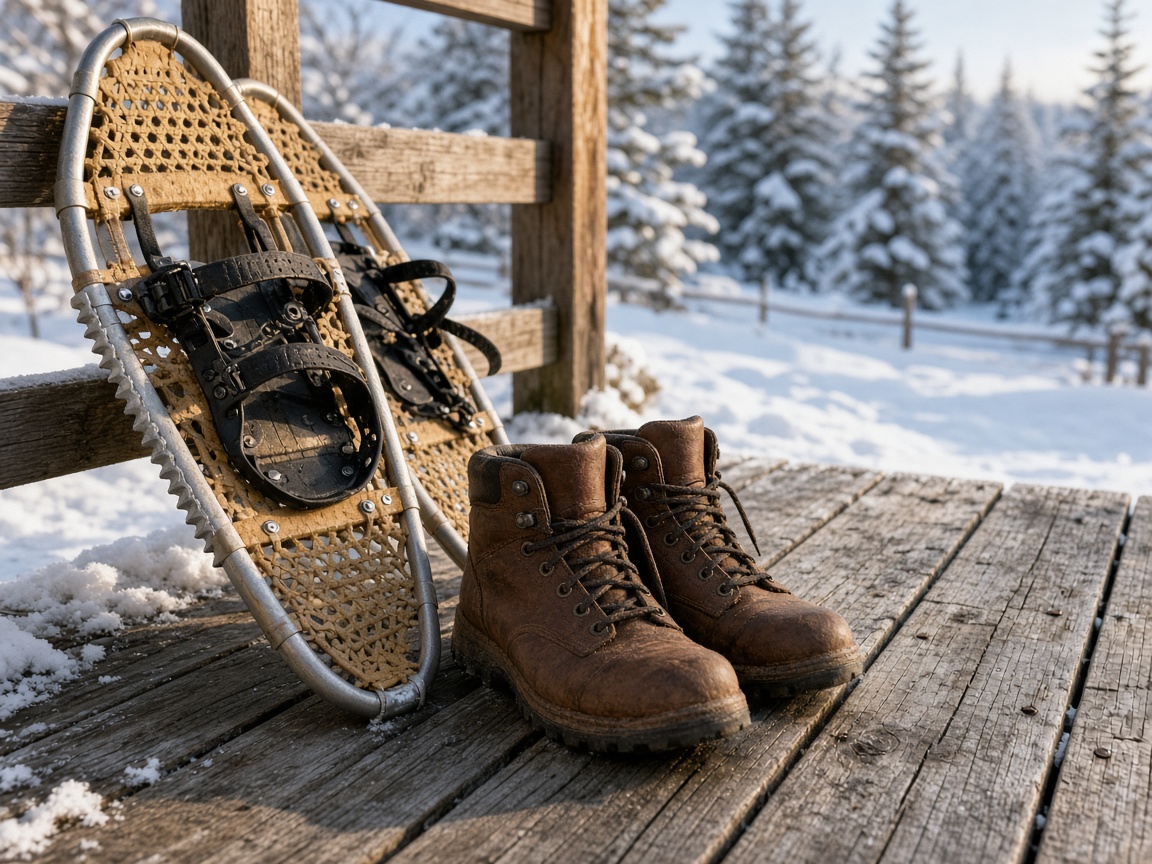
A binding you have never closed in the driveway is a binding you will swear at on a white lot with a line of judges. Sit down. Wear the glove you will wear. Open and close it ten times. Left and right are not a vibe. Heel straps that ride on the ankle bone will bruise you into a short day.
The Vasque Sundowner GTX is the boot we verified live this week — the shoe under the snowshoe, not a snowshoe. A mid-height leather hiking boot that will take a binding and still be a boot on the dry walk back to the car. It is not a plastic mountaineering boot. It is not a running shoe. Soft, sloppy trail runners twist in a binding and lie about your ankle. Check the live title. We do not invent prices.
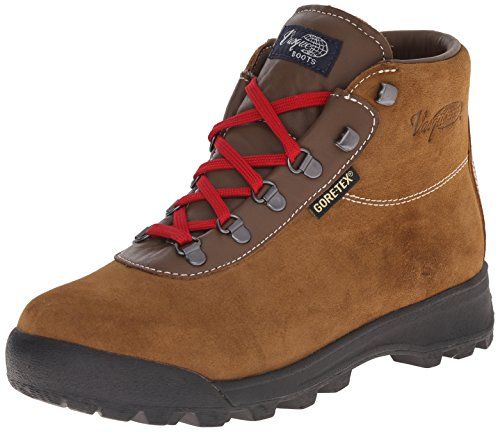
a boot that already fits if the other half of the year is the same pair on dirt. A boot that already fits is the snowshoe habit. A new boot and a new binding on the same Saturday is two blisters with a view.
Poles are the third leg
Most beginner wrecks are a back-step on a sidehill with no pole plant. Adjust length so the uphill pole is shorter on a traverse if you know that trick — or keep them even and slow down. Baskets that are still summer discs will punch through crust and surprise you. We will not invent a pole ASIN. The skill is the plant, not the brand.
Hands stay in the straps only if you already like the straps. A yard sale with a pole in a wrist is a shoulder. Practice on the lawn if you have never walked with poles. Pride is optional. A face-plant in front of the lot is also optional.
Kick-step is the uphill sentence
On a climb, kick the toe in so the front crampon or the claw gets snow you packed, not snow you hoped. Stand up on that platform. Do not rush a second step until the first one holds. A beginner who spins in place is wearing the hill instead of climbing it. Sidehill: keep the feet flatter than your pride wants. The downhill edge that slips is how people sit down hard.
Down is a plunge-step or a slow traverse, not a run. Snowshoes are not skis. A packed groomed road is the classroom. A steep untracked gully is a different sport.
Avalanche terrain is a different class
A snowshoe on a summer trail that is now a wind slab is not a beginner hike. If you cannot name the problem — wind, a convex roll, a recent load — you do not have a snowshoe day on that slope. You have a class you have not taken. This page ends at packed roads, meadows, and low-angle woods you already know in June. snow roads to the lot if the problem is the drive to the lot. The two-track luge is a recovery, not a snowshoe approach.
leave tank for the drive down if the day should end with feeling in the toes. feeling gone is a turnaround if the stop to fiddle a binding is the stop that whites a finger. Covered skin while you kneel in a wind is the same lecture as the rest of winter.
Where a beginner actually walks
A packed forest road, a golf-course meadow after a storm if you have permission, a summer trail you already know that stays low-angle and below the wind-loaded rolls. That is the classroom. A ridge that is a ski line in February is not a classroom. If you cannot see the runout, you do not have a snowshoe hike. You have a hope. The lot is still the destination if the plow has not been there. Walking from a plowed lot on a road you can reverse is a successful beginner day. A two-track luge with snowshoes on the passenger seat is a recovery you will not like.
Tracks in the snow are not a permit. A skin track is for skiers who earned it. Do not walk up the middle of a downhill lane and become the obstacle in someone else’s day. Yield. Step aside. The same brain as a summer trail, with more speed in the other direction. Manners include not postholing a groomed lane for a photo.
Kids on snowshoes need a shorter loop and a snack that is not a summit. A child who is cold and done at forty minutes is a successful first day if you turn around. Dragging them to your old summer overlook is how they hate winter. Bring the loop down to their tank. Yours has to drive. Leave something in it.
How beginners actually fall, and how they get up
The usual sit-down is a back-step on a sidehill or a crust that lets go on a down. Plant the poles. Roll to the uphill side. Get a knee under you. Do not use a hand without a glove in powder you will then have to pack into a mitten. Covered skin while you kneel is the same lecture. A binding that popped is a sit you do on purpose, not a panic. Brush the snow out of the binding before you click back in. Ice in the ratchet is a ratchet that will not close. That is a ten-minute job with a glove, not a bare-hand science project.
The Sundowner we name is still a boot when the snowshoe comes off for a bare patch or a parking lot. Untangle. Walk. Do not wear snowshoes on dry asphalt as a bit. You will skate, and you will look like the person who skated. Check live prices on the boot. We do not invent numbers. We still will not invent a snowshoe ASIN. Rent or borrow the deck for day one if you do not know your size. A deck that is a sail in a crust you cannot break is a long day.
Breaks are when fingers go white. Eat. Stomp. Check your partner’s nose. A photo stop that lasts ten minutes in a wind is a medical decision. Someone watches faces. White, waxy, or a sudden “I can’t feel it” is the turnaround. The overlook will wait. There will be another Saturday. There may not be another set of toes if you keep walking to make a story.
The beginner snowshoe card
Binding in gloves at home. Boot that already fits — we named the Vasque Sundowner GTX. Poles. Kick a platform. Packed roads and low-angle woods. No avalanche terrain. Lot is a lot or you walk from the plow. The same boot can be a dirt boot in June if it already fits. Disclosure lives on /affiliate-disclosure/, not as a banner here. Tell someone the loop and the time. A snow-road day that goes quiet is a search. A closed gate is the successful outdoor day you did not want and still needed. There will be another packed road. There may not be another car if you move the gate to “just get to the trail.” The snowshoe is not a key. It is a wider foot for snow you already have permission to walk.
Write three lines after: what popped, what was loud, what you will do earlier. That notebook is how a first snowshoe day becomes a second. The feed is how it becomes a costume on a slope you cannot name.
Clothing for a first snowshoe day is the same as a first winter hike: dry next to skin, a layer you can vent on the packed road, a shell before the meadow wind, mittens that have leashes. Cotton is a lecture. A new boot and a new binding on the same Saturday is two blisters. The Sundowner we named should already have miles if you can arrange that. Check live prices. We do not invent numbers. Gaiters keep snow out of the cuff so the boot stays a boot and not a bucket. Tight socks are cold socks. Leave room to wiggle. A snack on a schedule keeps you generating heat you can spend on toes. Alcohol at the lot is not courage. Save the flask for a building. A phone in a chest pocket with a battery pack you charged this month is a check-in tool. A phone at 12 percent in a hip belt you cannot open with gloves is a paperweight. Tell the person at home when you are down. A snowshoe day that goes quiet is a search that starts cold.
Poles that are still at summer length will put your hands in a shrug. Lengthen them a little on the flats. Shorten the uphill pole on a traverse if you already know that trick. Baskets that punch through crust will surprise a wrist. We will not invent a pole ASIN. Borrow or use what you have and practice the plant on the lawn. A face-plant in the lot is optional. So is a pride that refuses poles because a feed said they were for old people. Beginners fall on sidehills. Poles are the third leg. Use them until the kick-step is boring. Then you may argue about weight. Day one is not a weight argument. Day one is a binding you can close, a boot that fits, a road you can reverse, and a turnaround time that still gets you to the car with feeling in the fingers. Avalanche terrain remains a different class. If you cannot name the problem on the slope you can see, you do not have a snowshoe hike on that slope. You have a class you have not paid for. Walk the packed road. That is a real winter day. It counts. The ridge will wait until the class is a class.
Also in the magazine
Keep going with frostbite prevention, snowy roads, all-day shoes, and repeatable winter days. We only link pages that already live here. Check live prices. We do not invent numbers. Disclosure lives on affiliate disclosure, not as a banner on this article.
Frequently asked questions
What is the first snowshoe skill?
Close the binding with the gloves you will wear. Do it at home before the lot.
Which product are you naming?
Vasque Sundowner GTX as the boot under the snowshoe. We will not invent a snowshoe ASIN.
Do I need poles?
Yes for a beginner. The third leg stops the sidehill sit-down.
What is a kick-step?
Kick a platform, stand on it, then take the next step. Do not spin in place on the climb.
Can I snowshoe into avalanche terrain?
Not as a beginner hike. That is a different class. This page ends at packed roads and low-angle woods.
What about the drive to the trailhead?
See the snow-road page. If the lot is not a lot, you do not have a snowshoe day.