
Hiking Gear You Can’t Explore a Trail Without
Written by John Wren|
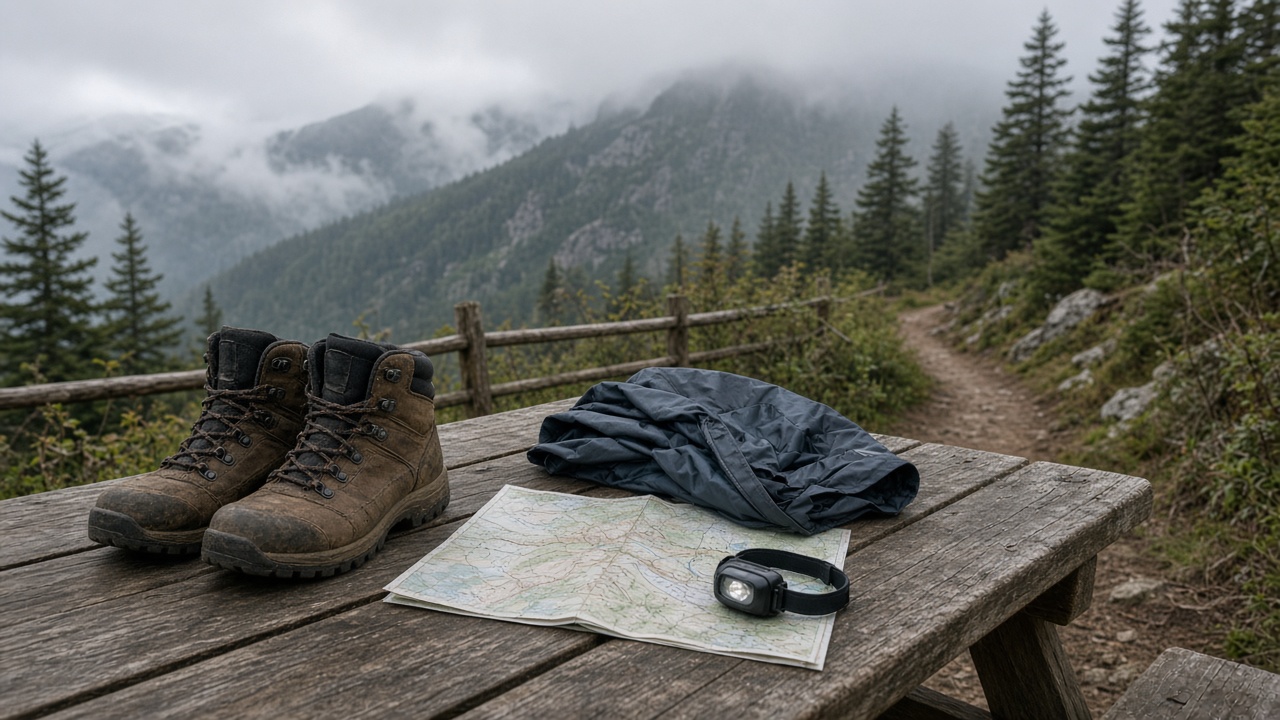
Do not leave the tailgate without proven footwear, navigation that is not only a live phone, water you will drink, a layer for wind, and light for a late return. Everything else is comfort or a special case.
Key takeaways
- If the shoe fails, the hike is over.
- A downloaded map still needs a non-phone idea.
- A filter you have never wet is a receipt.
- The lamp is for the sunset you did not schedule.
A trail does not care about your closet. It cares whether you can stay on your feet, stay found, stay watered, and stay warm enough to finish. In 2026 the gear you cannot explore without is still a short list: shoes that match the ground, a way to navigate, water, a layer, and light if the day runs long. Everything else is comfort or a special case. The failure mode is a photogenic pack and a dead phone in a drainage you cannot name.
Short version. Do not leave the tailgate without footwear you have already walked in, a map idea that survives a black screen, water you will drink, a layer for the ridge, and a lamp. What to pack is how those items sit in a bag. This page is the kit that has to work even if you forget the luxury stuff. All-day outdoor shoes is the footwear lecture. Check live prices. We do not invent numbers.
This is not a fake best-ten product list. A cheap lamp that turns on beats a trophy lamp that is still in a box. A boring shoe that fits beats a launch-week boot. Buy the hole you actually have after two trips, not the aesthetic.
Footwear is the first piece of gear
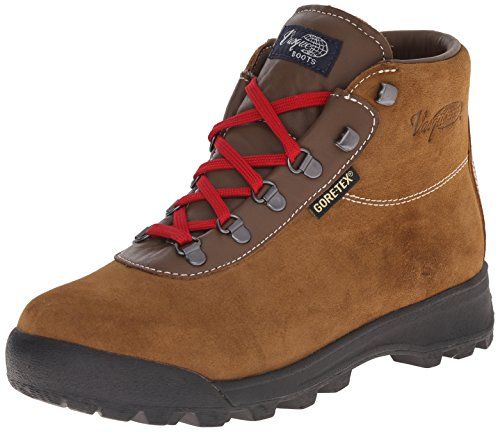
If the shoe fails, the hike is over. Match the pair to dirt, rock, or wet grass. Break it in. Wear a sock that is not cotton. Carry a spare sock if water is likely. That is not fashion. That is the difference between a long day and a limp. Vasque Sundowner GTX if the day is a traditional packed trail and you want the leather boot we already named.
Ankles do not require a high boot on every trail. They require attention. A light runner on a smooth grade can be enough. A sidehill of ball-bearing gravel may want more structure. Listen to the last hike, not the ad. If your knees complain, the midsole may be dead. Replace the pair before the planned trip, not after.
Gaiters, insoles, and lacing tricks are secondary. They cannot rescue a last that does not fit. Sit down at the first hot spot. Tape is gear. Pride is not.
Navigation that still works when the phone does not
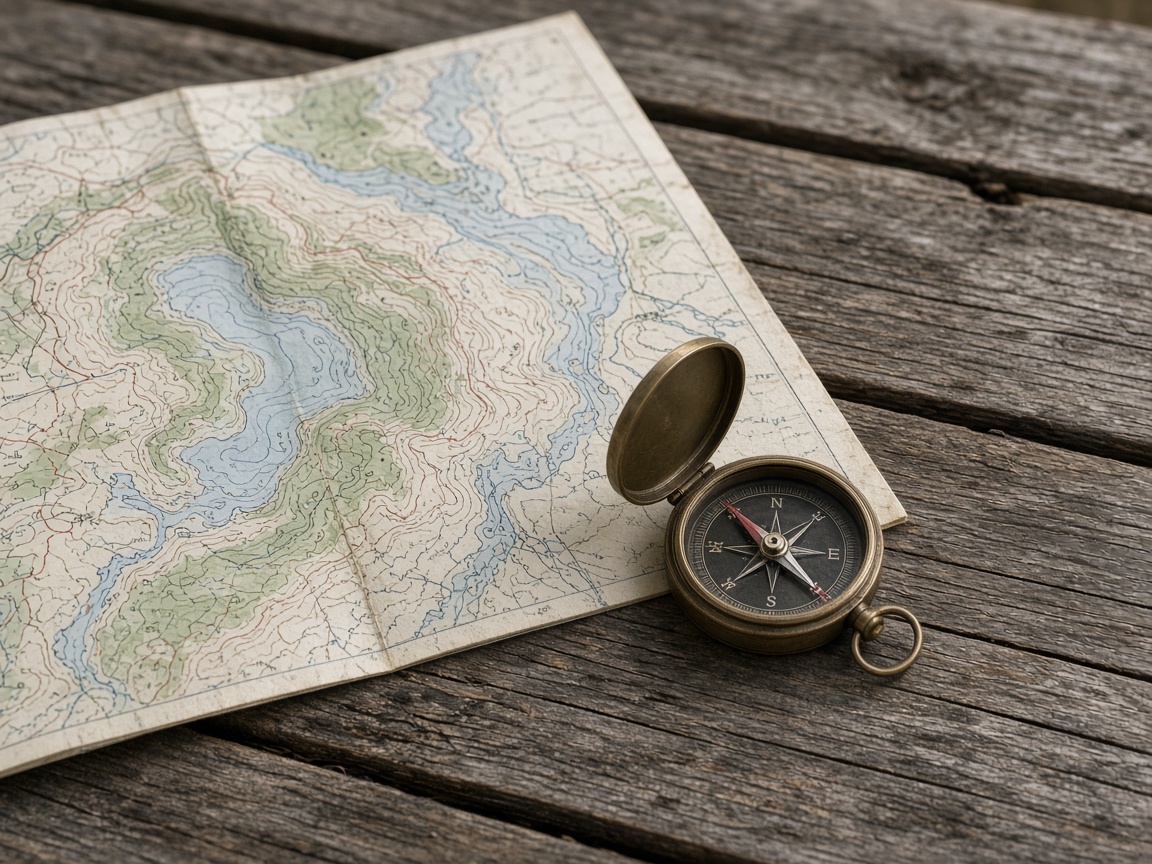
A downloaded map is a start. A paper map of this park is a better start. A compass you have pointed at a real ridge is the habit. You do not need to be a navigator from a novel. You need to know which trail you are on at the last junction and how to reverse it.
Batteries hate cold. Keep the phone warm if it is the map. Carry a small battery if you must, and still have a non-phone idea. People get found because they stayed on a feature — a creek, a road, a ridge — not because they had a prettier app. Celestial navigation is a night tool. On a day trail, the tool is the junction in front of you.
Tell someone the plan. That is gear with zero ounces. If you change trails, send the change. A search that starts in the wrong lot is a night you caused.
Water and the mouth that will actually use it
Carry water you can reach without unpacking the whole bag. Drink it. A filter is gear if you have practiced it and the source is real. Water filters is that page. A filter you have never wet is not gear. It is a receipt. In dry country the gear is the extra bottle. Do not invent a spring because the map is optimistic.
In heat, start wet. In cold, drink anyway. A bottle against your back can stay usable when a bottle in the side pocket turns to slush. That is a winter detail that still surprises people in April.
Water is also a group problem. The slowest person still needs a share. If you are the adult, you carry the slack. Getting kids outdoors if the hikers are short and honest about snacks.
A layer, a shell, and sun
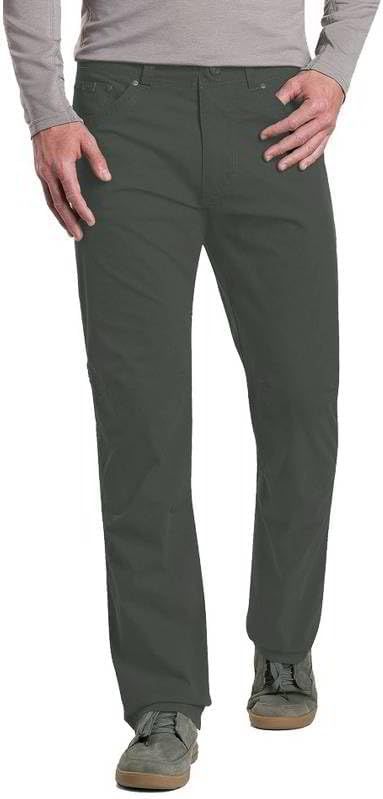
The layer is for the stop and the wind. A fleece or a light insulated jacket plus a wind or rain shell covers most three-season days if you dressed to walk. Cotton holds a mistake. Hiking pants if your legs are always cold or always shredded by brush. Sun gear is still gear: hat, glasses, something for the neck. Morning cool is how people burn at noon.
A shell that lives in the pack is worth more than a fashion jacket that stays in the car because it might get dirty. Dirt is the point. Lightning still means leave the high place. A jacket does not change that.
Extra socks are a layer for your feet. If the creek is on the map, they are not optional luxury. Change them before the downhill if you can. Downhill in a wet sock is a blister machine.
Light, first aid, and the late return
A headlamp or a small light with fresh batteries is how a slow sunset stays a walk. Put it in a pocket you can reach with gloves. Flashlight care if you want the care-and-feeding note. Do not bury the lamp under the lunch. The late return is the most common “survival” story on ordinary trails.
A small first-aid kit you have opened is gear. A sealed brick you cannot tear is not. Blister care, a bandage, tape, personal meds. A working survival kit when the country is remote enough to justify a bigger kit. On a local loop, keep walking and keep clean is the job.
A whistle weighs nothing. A knife that can cut tape is enough. Fire is a wait-for-help tool in shoulder season, not a reason to pack a chimney on a city-park hike. Match the kit to the country.
What you can explore without
You can explore without a drone, a cook set, a camp chair, and a second pair of shoes on a day hike. You can explore without a smartwatch if you can still read a map and a sky. You cannot explore honestly without the short list: feet, nav, water, layer, light. If weight is the fight, cut comfort first. Cut safety last. Beginners often reverse that and then write a blog about suffering.
Trekking poles are useful and still optional for many walkers. A GPS watch is useful and still optional. A camera is optional. The lamp is not optional if there is any chance you finish after civil twilight. Be honest about your pace. The internet’s “easy 8 miles” may be your late-day 8 miles.
Group gear should be spoken. Three filters and no lamp is a joke. One working lamp per person is closer to grown. If you borrow a kid’s light, test it in the driveway. Dead AAA cells are a tradition we can end.
The kit is a sentence you can say out loud
Shoes I have walked in. A map idea that survives a black screen. Water I will drink. A layer for the wind. A lamp for the late walk. That is hiking gear you cannot explore a trail without. The rest is earned by the trips that asked for it twice. Check live prices if a pair or a lamp is the hole. We do not invent numbers. We also do not invent a ten-best list for a skills page.
Zip the bag using the pack page. Walk in the shoes from the shoes page. If the day is also a hunt, the same short list still applies, plus the manners on public land hunting. The trail will not grade your brand. It will grade whether you can keep walking.
Weather you can see versus weather you packed for
If the sky is already building at the lot, the gear conversation changes. A shell comes out of the bag and onto a body. A shorter loop becomes the plan. Lightning is a leave-the-ridge problem, not a jacket problem. People who “came too far to turn around” are how ordinary parks write incident reports. The gear you cannot explore without includes the sense to use it.
Heat is water, shade, and a pace you will actually keep. A hat is gear. So is salt you will eat. A dark tight shirt you thought looked ready is a radiator. Dress to dump heat if the day is a furnace. Dress to trap it if the ridge is a wind tunnel. The same person may need both in one afternoon. That is why the layer lives in the pack, not in the car.
Snow and ice on a “three-season” trail are traction. If the shady switchbacks are glass, a runner with a worn sole is not gear anymore. Sit down. Turn around. Or put on the spikes you packed because you were honest about the calendar. Spikes you left in the garage are a blog post.
The tiny repair kit that is still gear
Tape, a spare lace, and a safety pin fix more miles than a multi-tool cathedral. A blown lace on a descent is a safety problem. A ripped hip belt can be walked if you can jury-rig. A blown zipper on a pack is annoying. A blown zipper on a shell in wind is why tape lives in the lid. Keep the kit tiny so you will carry it.
Batteries for the lamp belong in the same pocket as the lamp, labeled or dated if you are the kind of person who owns three CR123 graves. Test the lamp in the driveway. A “I thought it worked” light is not gear. It is optimism. Optimism is heavy on a trail at 8 p.m.
If you hike often, a small log of what failed last time is the smartest piece of gear in the house. The bag gets better because you tell the truth. The closet gets lighter because you stop packing the unused gadget. That log is how a skills page stays a skills page and not a shopping page.
Borrowing gear does not cancel the short list. If a friend lends you a pack, test the lamp, fill the bladder, and walk around the block with the layer in it. A borrowed pack with a mystery zipper and a dry bladder is how people start a real trail with a fake kit. Thank them, then still do the tailgate check out loud: shoes, map idea, water, layer, lamp. The trail does not care whose logo is on the lid.
Kit that belongs here
Named tools only. Check live prices. We do not invent numbers. Disclosure lives on affiliate disclosure.
Also in the magazine
Keep going with hiking pack essentials, all-day outdoor shoes, hiking pants, and water filters. We only link pages that already live here. Check live prices. We do not invent numbers.
Frequently asked questions
What hiking gear do I actually need?
Footwear you have walked in, navigation that survives a dead phone, water, a warm-enough layer, and light for a late return.
Can I hike without a GPS watch?
Yes. You cannot honestly hike without a way to stay found and a way to reverse the last junction.
Is a water filter required?
A water plan is required. That may be enough carried water or a treatment method you have practiced.
Do I need expensive boots?
You need a pair that fits the ground and the hours. A proven trail runner can be enough. A broken-in leather boot is the packed-trail fork.
What can I leave at home?
Cook sets, drones, camp chairs, and extra shoes on a day hike. Cut comfort before you cut the lamp or the layer.
Why is a headlamp on a day-hike list?
Because the most common mess on ordinary trails is a late return. A lamp turns that into a walk.