
Essentials To Pack for Your Next Hiking Trip
Written by John Wren|
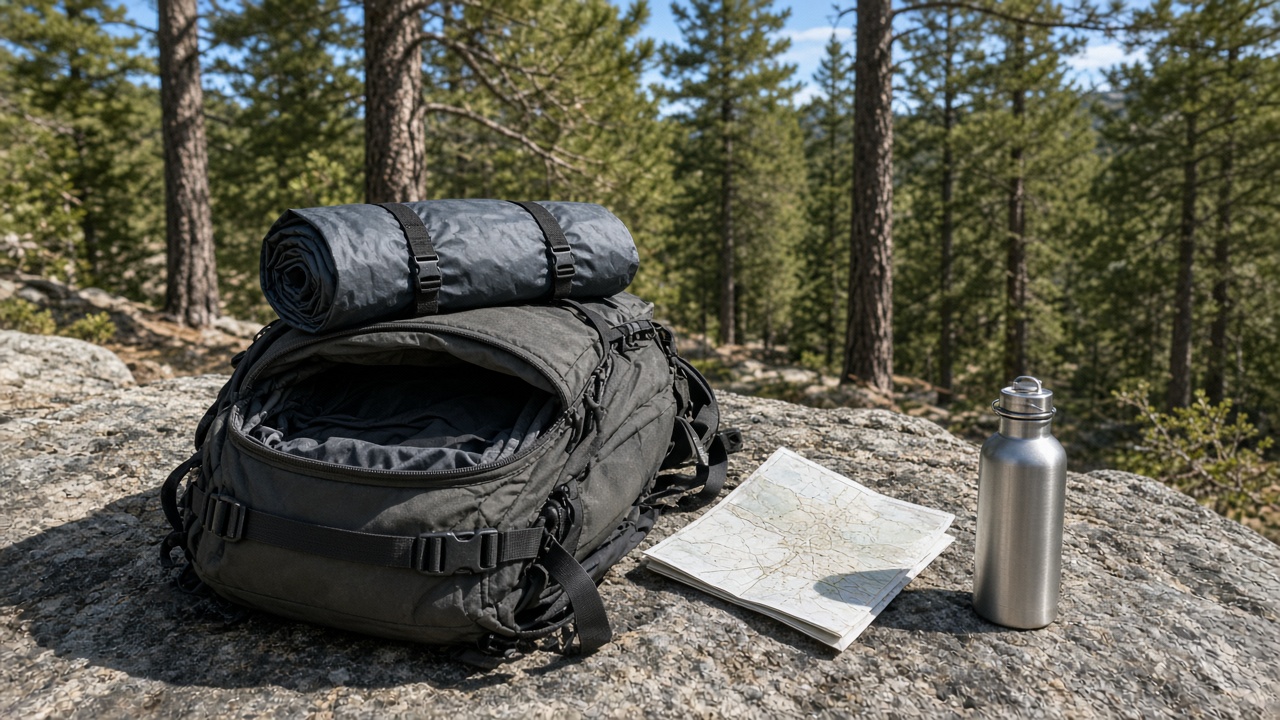
Carry navigation that works if the phone dies, water you will drink or treat, a layer for the coldest hour, food you will eat, sun and blister care, and a lamp. Tell someone the plan. Leave unused gadgets at home.
Key takeaways
- Name every item before you zip the bag.
- A phone at 4 percent is not a map.
- Water you will drink beats a filter you have never used.
- The lamp is for the walk you did not schedule.
A hiking pack is a set of problems you have already decided to solve: stay found, stay watered, stay warm enough, and stay able to walk out after a cut or a late return. In 2026 that is still the ten-essentials idea, not a shopping haul. The failure mode is a heavy bag of unused gadgets and an empty bottle. The success mode is a light bag you can name item by item before you zip it.
Short version. Carry navigation you can use if the phone dies, water you can drink or treat, a layer for the coldest hour, food that does not depend on a store, sun and blister care, and light for the walk you did not plan to finish after dark. Trail gear that has to work is what must work. This page is what goes in the bag. Water filters if water is the weak link. Check live prices. We do not invent numbers.
Day hike and overnight are different weights with the same logic. An overnight adds sleep and more food. It does not add permission to forget a lamp. Overnight camp essentials is the overnight camp list. Do not pack two of everything “just in case” until you have been cold once and know what you actually used.
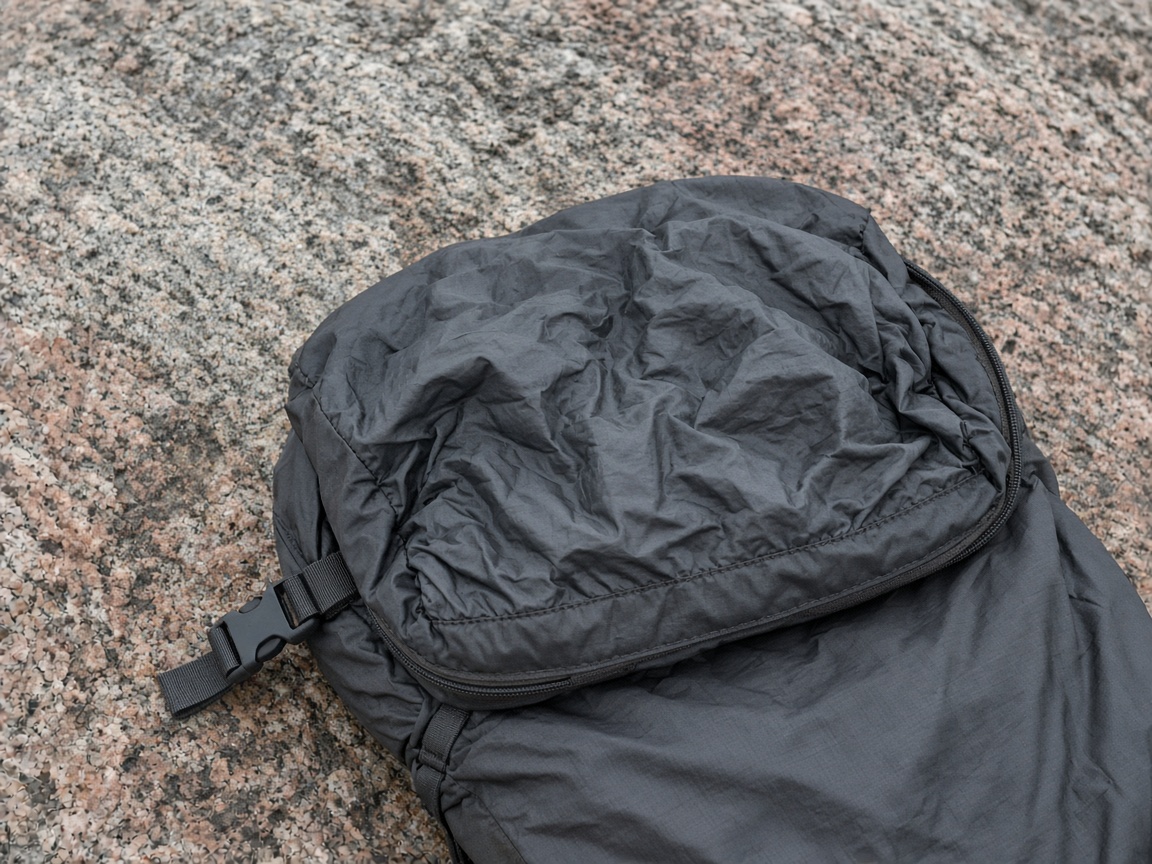
Stay found
A map of the place you are actually walking and a compass you have pointed at a real feature beat a phone that is at 4 percent. Download the offline map anyway. Then put the phone in a pocket that does not die from cold on the first rest. Know the bailout road and the last junction that still makes sense if you miss a turn.
GPS is wonderful until it is a black screen. Practice a simple bearing on a local park walk. You do not need to become a surveyor. You need to know which ridge is which when the trail fades. celestial navigation is a different tool for a different night. On a marked trail, the skill is still reading the junction in front of you.
Tell someone the trailhead, the direction, and the time you will check in. That is part of the pack even though it weighs nothing. If you change plans, send the new plan. Silence is how searches start in the wrong canyon.
Stay watered
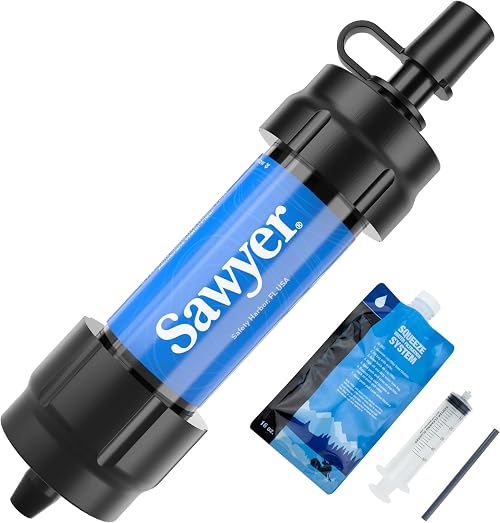
Carry water you will drink. A hydration sleeve you never sip from is decoration. Bottles you can see are honest. How much depends on heat, effort, and whether there is a real source. Desert math is not forest math. If you will treat water, carry the filter or tablets you have already used in the sink. A first-time Sawyer on a murky creek is a science fair.
Electrolytes are food, not magic. Salty snacks and a plan beat a novelty powder you hate. In heat, start wet. Do not wait for a headache at the turnaround. In cold, people under-drink because they are not thirsty. They still need water. A bottle inside the pack can freeze. Keep one where your body heat can argue with it.
Water is heavy. That is not a reason to carry none. It is a reason to know the next honest source and to skip the extra cook set you will not use on a day hike.
Stay warm enough, stay unburned
The layer is for the ridge wind and the wait. A light insulated jacket or a fleece and a wind shell cover most three-season day hikes if you already dressed for the walk. Cotton is a wet-cold problem. Hiking pants if the legs are the part you always get wrong. Extra socks are not luxury if the creek is real.
Sun is an essential people skip because the morning was cool. Hat, sunglasses, and a sunscreen you will reapply. Snow and water bounce. So does high-country rock. A burned neck is how the next day becomes indoor.
Rain is a decision. A real shell beats a disposable poncho in wind. A poncho beats nothing. If the forecast is a building storm and you are far from the car, the shell is why you packed at all. Lightning still means get off the ridge. A jacket is not a Faraday cage.
Stay able to walk
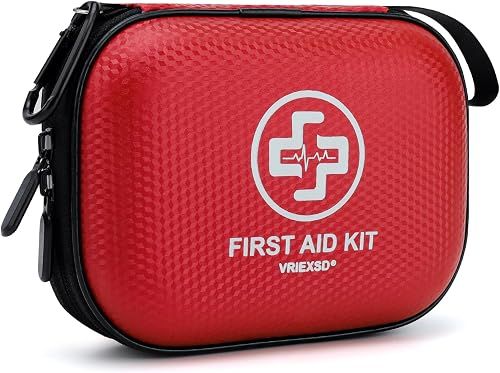
A small first-aid kit you have opened at home is worth more than a sealed brick of mystery. Blister care, a few bandages, tape, tweezers, personal meds, and gloves. Know how to use what you carry. A working survival kit is the survival-kit page when the outing is more remote. For a day hike, the kit is “keep walking and keep clean,” not a field hospital.
A knife or a small multi-tool earns a pocket if you will actually cut tape or food. A huge tool kit does not. Fire can be a wait-for-help tool in shoulder season. Practice in the yard. A lighter you have never used in wind is a theory.
Repair tape and a spare lace fix more days than a second gadget. If the hike is long, a headlamp with fresh batteries is how a late return stays a walk. flashlight care for the light habits. Do not bury the lamp under the sandwich.
Food that does not depend on a mood
Carry calories you will eat when you are tired. Bars you hate will stay in the bag. Salty, sweet, and a little protein is enough for a day. Overpacking food is how beginners blow out their shoulders and then skip water to save weight. That swap is backwards.
Shareable food is how groups stall. Pack your own lunch. If you are the adult with kids, pack theirs too and assume they will not like half of it. Getting kids outdoors if the hike is their education. Extra patience weighs nothing and still belongs on the list.
Trash comes out. A small bag for wrappers keeps the pack from becoming a goat. Food smells attract more than compliments. On overnight trips the hang or the canister is a local rule, not a vibe. Learn the rule for the place on the map.
What not to pack on a day hike
A drone, a full cook set, three jackets, and a pair of camp shoes are how a five-mile walk becomes a sufferfest. If you have not used an item on the last two hikes, it is a candidate to stay in the closet. The exception is safety gear you carry because the country is real: lamp, layer, nav, water treatment.
New boots on a long day are not a packing item. They are a decision to make weeks earlier. All-day shoes is that lecture. The bag cannot fix a blister you scheduled.
Group gear should be assigned out loud. Three people carrying three filters and no lamp is a comedy. One filter, two lamps, and enough water for the slowest person is a plan.
Name every item, then zip the bag
Navigation, water, layer, food, sun, first aid, light, and a way to tell someone. That is a hiking pack in 2026. Add sleep and more food when the night is real. Leave the unused gadgets at home until a trip has asked for them twice. Check live prices if a filter or a lamp is the next honest hole. We do not invent numbers.
The last check at the tailgate: lamp works, water is full, jacket is in, map is of this trail, and someone knows the plan. Then walk. The bag is a set of answers, not a personality.
Packing for a group without packing for a circus
Assign the group gear out loud at the tailgate: who has the lamp, who has the filter, who has the extra layer for the kid who will refuse a jacket until they are already cold. Three identical gadgets and zero first-aid is how friends hike. Write it on a note if the group is bigger than three. The slowest person still needs water and a way to get found.
Share location if you must, then still carry a non-phone idea. A group that follows one downloaded track will all miss the same washed-out junction. Look up. Count the people at every junction. A missing person is easier to notice at the last signed post than at dark.
Snacks are individual. Rescue is shared. If you are the organizer, you carry the slack: an extra bar, an extra layer, and the unromantic job of saying the turnaround time before anyone is tired enough to argue. A turnaround time is a packing item. Put it in the plan with the map.
Shoulder season and the extra three items
Spring and fall add a real shell, a warmer midlayer, and a lamp you will not debate. Days shrink. Trails hold ice in the shadows. People start in a t-shirt because the lot was warm. The ridge is not the lot. If there is any chance of standing weather, gloves that work wet earn a pocket. They weigh less than the story about dexterity you will tell later.
Hunting season is orange in a lot of country. Wear it if the calendar says so, even on a “just a hike.” A small blaze cap is gear. So is knowing whether dogs or rifles are sharing the unit. You do not need to stay home. You need to be visible and loud enough at a blind corner.
Desert shoulder season is still desert. Water does not become optional because the morning was 50 degrees. Start with a full load and a known source. A filter does not help a dry wash. The extra item there is water, then shade, then the sense to sit from 1 to 3. That sit is a packing decision: room in the day, not room in the bag.
After the hike, dump the bag on a floor and tell the truth. What did you use. What never left the lid. What you wished you could reach without unpacking lunch. The next pack is a better sentence because you edited this one. Dry the layer. Recharge or replace the lamp cells. Put the map back with this trail, not last month’s park. A kit that lives as a crumpled pile in a trunk is how people leave the lamp behind on the one day the sunset wins.
If you hike weekly, keep a ready bag with the unglamorous core already in it: lamp, small kit, compass, shell. Add water and food the morning you go. The ready bag is how a nice evening window does not die in a scavenger hunt through the hall closet. Just do not let the ready bag become a forgotten science experiment. Open it once a month. Batteries and leftover bars have a half-life.
Kit that belongs here
Named tools only. Check live prices. We do not invent numbers. Disclosure lives on affiliate disclosure.
Also in the magazine
Keep going with trail gear you cannot skip, water filters, hiking pants, and overnight camp essentials. We only link pages that already live here. Check live prices. We do not invent numbers.
Frequently asked questions
What are the essentials for a day hike?
Navigation, water, a warm-enough layer, food, sun protection, a small first-aid kit, and light for a late return. Tell someone the plan.
Do I need a water filter on every hike?
No. You need a water plan. Carry enough, or carry a treatment method you have already practiced.
Is a phone enough for navigation?
It is a start if the map is offline and the battery is honest. Carry a backup idea: a paper map, a compass, or a route you can reverse.
What should I leave at home?
Unused gadgets, extra cookware on a day hike, and brand-new boots. If you have not used it twice, it is a candidate to stay home.
How is an overnight different?
Same logic plus sleep, more food, and the local bear or stove rules. The lamp and the layer still come.
How much water should I carry?
Enough for the heat and the distance to the next honest source. Desert math is not forest math. We do not invent a single number for every trail.