
Essential Equipment for Your Next Camping Trip
Written by John Wren|
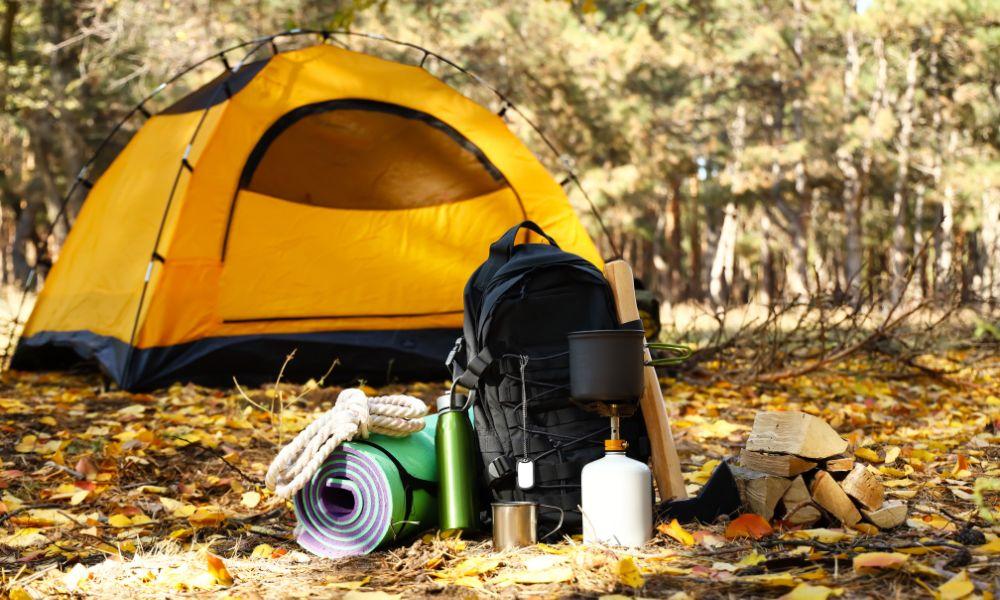
Prioritize a tent and sleeping bag rated for real expected conditions, a cooler with genuine ice retention, simple reliable cooking equipment, layered clothing matched to the actual forecast, and basic first aid and navigation. Skip elaborate camp kitchens and gadget-heavy gear until you know your camping style.
Key takeaways
- A properly sized, rainfly-equipped tent and rated sleeping bags are core.
- A rotomolded cooler protects food safety far better than a foam one.
- Test all gear at home before your first trip.
- Build out secondary gear gradually as you learn your camping style.
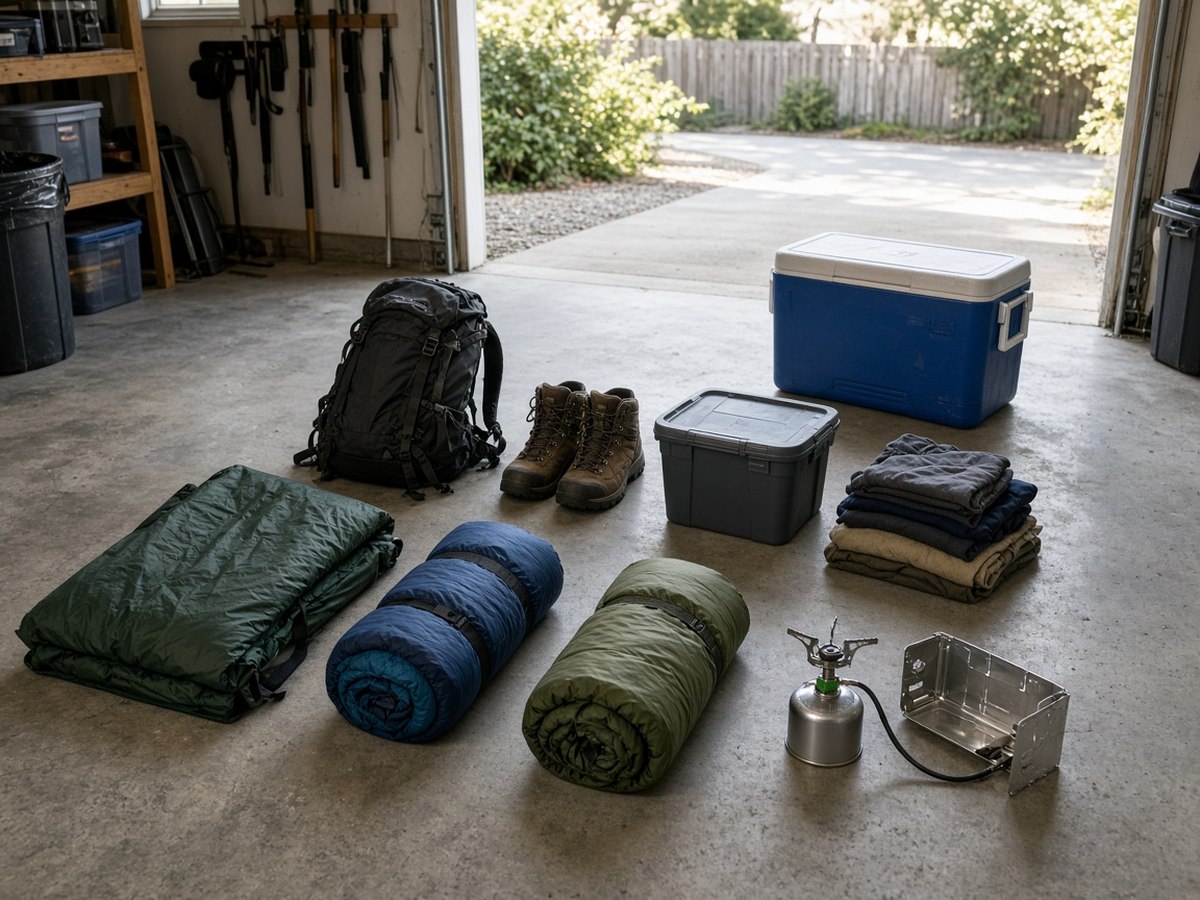
A genuinely essential camping equipment list is shorter than most gear guides suggest — a reliable shelter and sleep system, a way to prepare food and keep it safe from wildlife and spoilage, layered clothing appropriate for the actual expected conditions, and basic navigation and first-aid supplies cover the real necessities for most car camping and established campground trips. The short answer: prioritize a tent and sleeping bag rated for the actual conditions you expect, a quality cooler, and a simple, reliable cooking setup before spending on secondary gear and gadgets.
Short version. A tent with a rainfly sized appropriately for your group, paired with sleeping bags rated for the coldest night you realistically expect, forms the core of any camping trip. A quality cooler with real ice retention protects food safety over a multi-day trip far better than a cheap foam cooler. A simple camp stove or fire-cooking setup, basic cookware, and a first-aid kit round out the genuine essentials before any secondary gear purchases.
Shelter: a tent sized and rated appropriately
Choose a tent sized for your actual group with some buffer room — a tent rated for exactly your group size often feels cramped once you account for gear storage inside during rain, so sizing up one capacity level from your exact headcount is a common and worthwhile practice. Confirm the tent includes a proper rainfly, since a tent without adequate rain protection turns a rainy night into a genuinely miserable, potentially unsafe experience rather than a minor inconvenience.
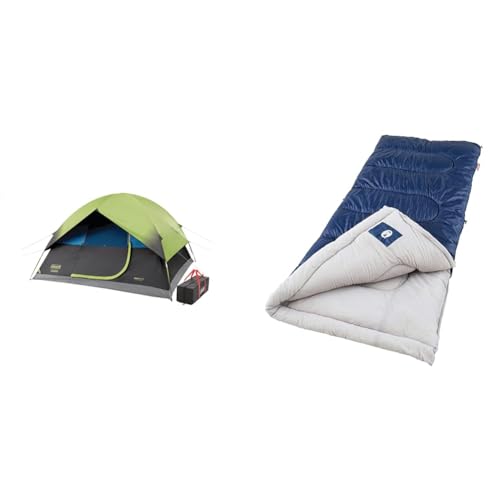
Set up any new tent at home before your first camping trip, both to confirm you understand the setup process and to check that all parts and stakes are present, since discovering a missing pole or a confusing setup process for the first time at a dark, rainy campsite is a genuinely bad way to start a trip.
Sleep system: bags and pads rated for real conditions
Sleeping bag temperature ratings should match the coldest night you realistically expect on your specific trip, with a reasonable safety margin, since manufacturer ratings often represent survival rather than comfortable sleeping temperatures. A sleeping pad, whether foam or inflatable, matters as much as the bag itself for actual warmth, since a bag's insulation compresses under your body weight and loses much of its insulating value against cold ground without a pad providing a genuine thermal barrier underneath you.
Food storage and safety: a cooler that actually holds ice
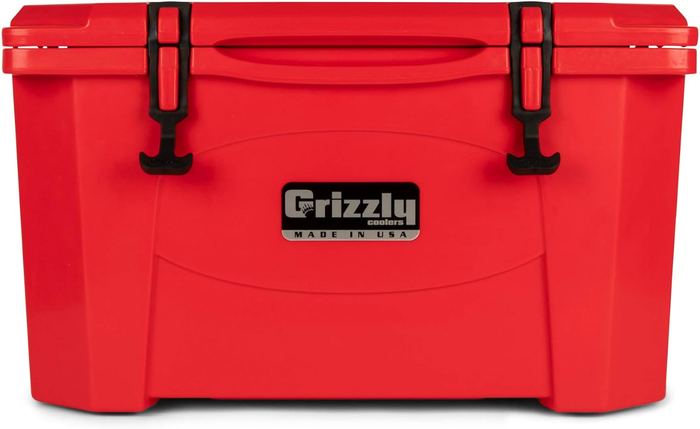
A quality cooler with genuine ice retention over multiple days protects both food safety and food enjoyment far better than a cheap foam cooler that turns everything into lukewarm water by the second day of a trip. Rotomolded coolers offer significantly better insulation and ice retention than basic hinged-lid coolers, and the price difference is genuinely worth it for anyone camping more than a single overnight where food safety over multiple days actually matters.
Store food and scented items properly overnight regardless of cooler quality, since wildlife in many camping areas, from raccoons to bears depending on your specific region, are drawn to food smells and a cooler left accessible overnight can result in both lost food and a genuinely dangerous wildlife encounter.
Cooking equipment: keep it simple and reliable
A basic two-burner camp stove, a few pieces of durable cookware, and simple utensils cover the genuine cooking needs of most car camping trips without needing elaborate camp kitchen setups that add cost and complexity without a corresponding improvement in the actual camping experience. Test any camp stove at home before your trip to confirm it works properly and that you understand its specific fuel and ignition system, rather than discovering a malfunction for the first time when you are actually trying to cook dinner at camp.
Clothing: layered and matched to actual forecast conditions
Check the actual forecast for your specific camping dates and location, not a general seasonal assumption, and pack layers that cover the realistic temperature range, including a genuine rain layer regardless of how clear the forecast looks, since weather forecasts for outdoor recreation areas can shift meaningfully in the days between planning and your actual trip. Pack more layers than you think necessary for evenings specifically, since temperatures drop faster after sunset in most camping environments than people expect, especially at elevation or in exposed, non-forested camping areas.
First aid and safety essentials
A basic first-aid kit covering blisters, cuts, and minor injuries, along with any personal medications and a basic understanding of how to use everything in the kit, is a genuine essential for any camping trip regardless of how established or remote the specific campground is. A headlamp or flashlight for every person in your group, not just one shared light, prevents the frustration and minor safety risk of fumbling in the dark waiting for a turn with a single shared light source.
Navigation and communication basics
Even at an established, well-marked campground, a basic map of the area and an understanding of the nearest access points to help or cell service is worth having, and for any camping trip that includes hiking or exploring beyond the immediate campsite, a proper trail map or downloaded offline map matters considerably more. Tell someone outside your camping group your specific location and expected return date, standard practice for any outdoor trip regardless of how routine it feels.
What you can genuinely skip on most trips
Elaborate camp kitchen setups, oversized furniture that eats up vehicle space without adding proportional comfort, and gadget-heavy gear marketed as essential but rarely used in practice are all reasonable to skip, at least initially, in favor of the genuine essentials covered here. Build out secondary and comfort-oriented gear gradually as you camp more and learn what you personally actually use and value, rather than buying a complete elaborate kit before your first trip based on a gear list that may not match your actual camping style.
Water: a genuine plan, not an assumption
Confirm your specific campground or camping area's water access before you arrive — some established campgrounds have reliable potable water, while more remote or dispersed camping locations require you to bring all drinking water or treat water from a natural source. Bringing a dedicated water container even at campgrounds with potable water access is smart practice, since it eliminates repeated trips to a shared water spigot and provides a backup if the campground's water system experiences any issue during your stay.
For any camping location without confirmed potable water access, a water filter or treatment method is a genuine essential, not an optional extra, regardless of how clear a natural water source looks, since waterborne pathogens are not visible to the naked eye and can cause genuinely serious illness if consumed untreated.
Fire safety equipment and practices
If your camping trip includes a campfire, bring genuine fire-starting equipment appropriate for potentially damp conditions — waterproof matches or a reliable lighter, plus fire starter material — rather than assuming you will easily find dry tinder on-site. A shovel and enough water to fully extinguish a fire, checked by touch to confirm it is cold before you leave the site or go to sleep, is a genuine safety essential that prevents the escaped campfire scenario responsible for a meaningful share of human-caused wildfires each year.
Basic repair items that solve real on-trip problems
A small repair kit — duct tape, a basic sewing kit or gear repair tape, extra tent stakes, and a multi-tool — solves a surprising number of real, otherwise trip-ending problems: a torn tent, a broken zipper pull, or a lost stake are all common, minor equipment failures that a small repair kit resolves in minutes rather than cutting a trip short or enduring genuine discomfort for the remainder of the stay.
Packing and organization systems that reduce trip-day stress
A written, reusable packing checklist, refined after each trip based on what you actually used and what you forgot, dramatically reduces the stress and last-minute scrambling that often accompanies camping trip preparation, particularly for families or groups where coordinating everyone's gear adds real complexity. Organize gear into clearly labeled bins or bags by category — kitchen, sleep system, clothing, safety — both for efficient packing before a trip and for easier setup and breakdown once you are actually at the campsite.
Building a gear collection within a realistic budget
Prioritize spending on the items covered here that matter most for comfort, safety, and food storage, and consider borrowing or renting specialty gear you might only use occasionally, like a specific seasonal tent or extra sleeping bags for a larger group trip, rather than purchasing everything new for every possible scenario. Many outdoor gear retailers and even some libraries now offer gear rental or lending programs specifically to make camping more financially accessible for people building out their kit gradually rather than all at once.
| Category | Genuine essential | Skip for now |
|---|---|---|
| Shelter | Appropriately sized tent with rainfly | Oversized elaborate tent setups |
| Sleep system | Bag rated for real conditions, plus a pad | Ultra-premium bags beyond your actual needs |
| Food storage | A quality, ice-retentive cooler | Elaborate camp kitchen furniture |
| Safety | First aid kit, a light per person | Gadget-heavy "essential" gear rarely used |
Our take: the genuine camping essentials are a properly sized shelter and sleep system, a cooler that actually holds ice, simple reliable cooking gear, layered clothing for real forecast conditions, and basic first aid and navigation. Build out everything else gradually as you learn your own actual camping style.
Inspecting gear before every season, not just before a trip
Beyond the pre-trip test already recommended, a broader annual inspection of your full camping gear collection — checking tent seams and zippers, sleeping bag insulation for compression damage, and cooler seals and hardware — catches wear and damage accumulated over the off-season storage period before it becomes an on-trip surprise. This annual check is a modest time investment that prevents the far more disruptive experience of discovering a gear failure only after you have already arrived at a remote campsite with no easy way to address it. A single afternoon spent on this each spring pays for itself many times over across a season of trips. Treat it as part of the camping ritual itself, not a separate chore to be skipped when time is short. Your future self, standing in the dark at a trailhead, will thank you for the diligence. It is a small habit with an outsized payoff. Make it routine, and every trip after starts from a position of genuine readiness rather than hope.
Frequently asked questions
What is the most important piece of camping equipment?
A properly sized tent with a rainfly and sleeping bags rated for the actual conditions you expect form the core of any camping trip's genuine essentials.
Do I need an expensive cooler for camping?
A rotomolded cooler with genuine ice retention is worth the price difference over a cheap foam cooler for any trip longer than a single overnight where food safety matters.
How should I choose a sleeping bag temperature rating?
Match the rating to the coldest night you realistically expect with a reasonable safety margin, since manufacturer ratings often represent survival rather than comfortable sleeping temperatures.
What camping gear can I skip when starting out?
Elaborate camp kitchen setups, oversized furniture, and gadget-heavy gear marketed as essential but rarely used in practice can generally be skipped until you learn your actual camping style.
Should I test my camping gear before a trip?
Yes. Set up a new tent and test a camp stove at home before your first trip to confirm everything works and all parts are present, rather than discovering issues at the campsite.
Why do I need a light for every person in my camping group?
A shared single light source leads to fumbling in the dark waiting for a turn. A headlamp or flashlight per person prevents this frustration and minor safety risk.