
Simple Ways To Prevent Frostbite While in the Mountains
Written by John Wren|
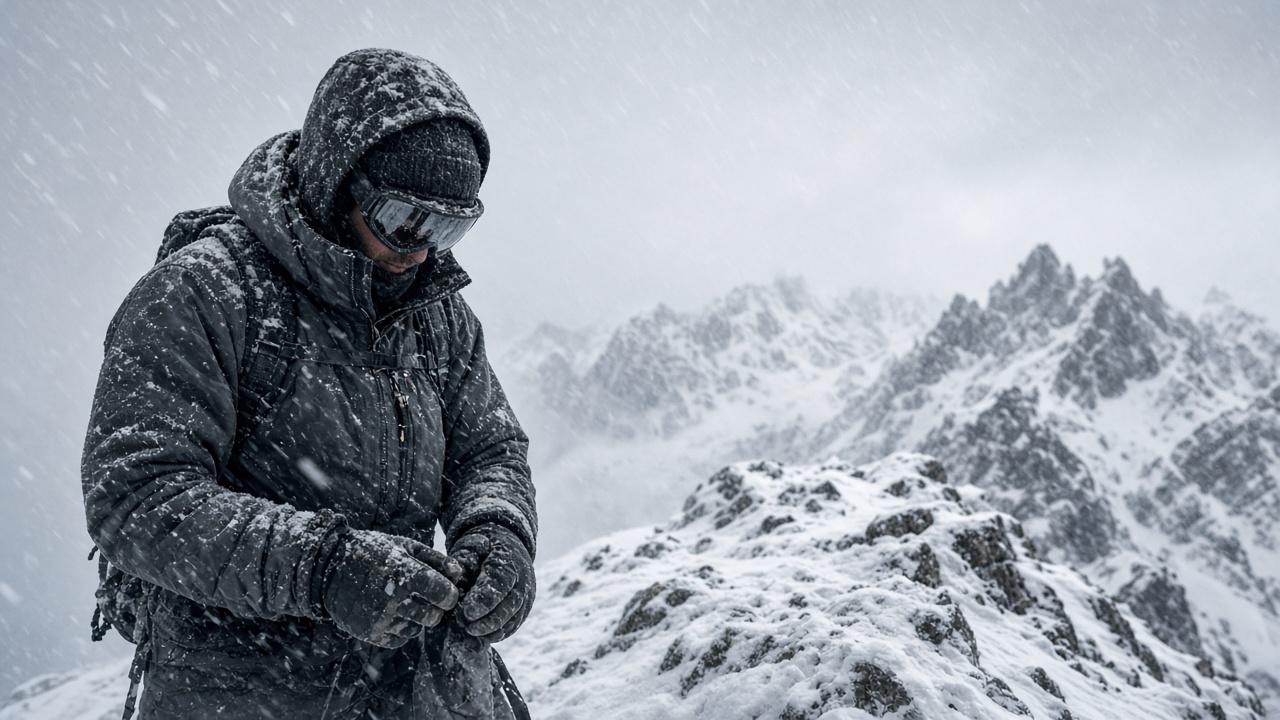
Wet plus wind is the fast road. Cover ears, nose, fingers, and toes. Eat. Do not operate camp bare-handed in the dark. Numbness that stays is a reason to quit the ridge.
Key takeaways
- Wet clothing is the usual story.
- Mittens over gloves on the real day.
- Do not rub snow on numb skin.
- Feeling gone is a turnaround.
Frostbite is frozen tissue, usually fingers, toes, ears, and nose, on a day that was “just a little cold” plus wind, wet, and a stop that lasted too long. Prevention is not a slogan. It is dry layers, covering skin, food, and the humility to turn around when feeling goes away. In 2026 the mountain still does not care about your photo.
Short version. Stay dry. Cover the bits that freeze first. Eat. Move your fingers on purpose. A lamp in the pocket is how you stop using bare hands as a tool in the dark.
layering that works is clothing. not finishing drained is the energy page. Check live prices. We do not invent numbers.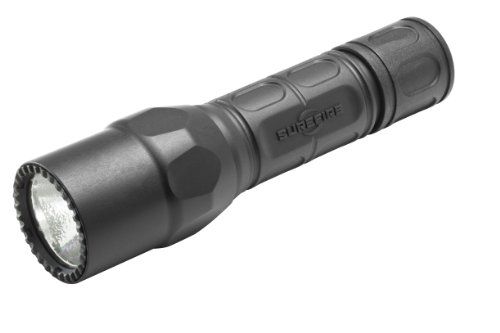
Wet is the fast road
Sweat inside a glove is a wet glove. Cotton next to skin is a wet layer. A membrane boot that filled over the cuff is a bucket. Change socks. Vent on the climb. Put the shell on before the ridge wind, not after you are soaked. boots that fit the hours if the boot is the hole.
Snow in the cuff, a dropped mitten in powder, a camera you operate bare-handed — those are the usual stories. Use a leash on mittens. Use pockets. Do not set a glove on a rock “for a second.”
Cover ears, nose, fingers, toes
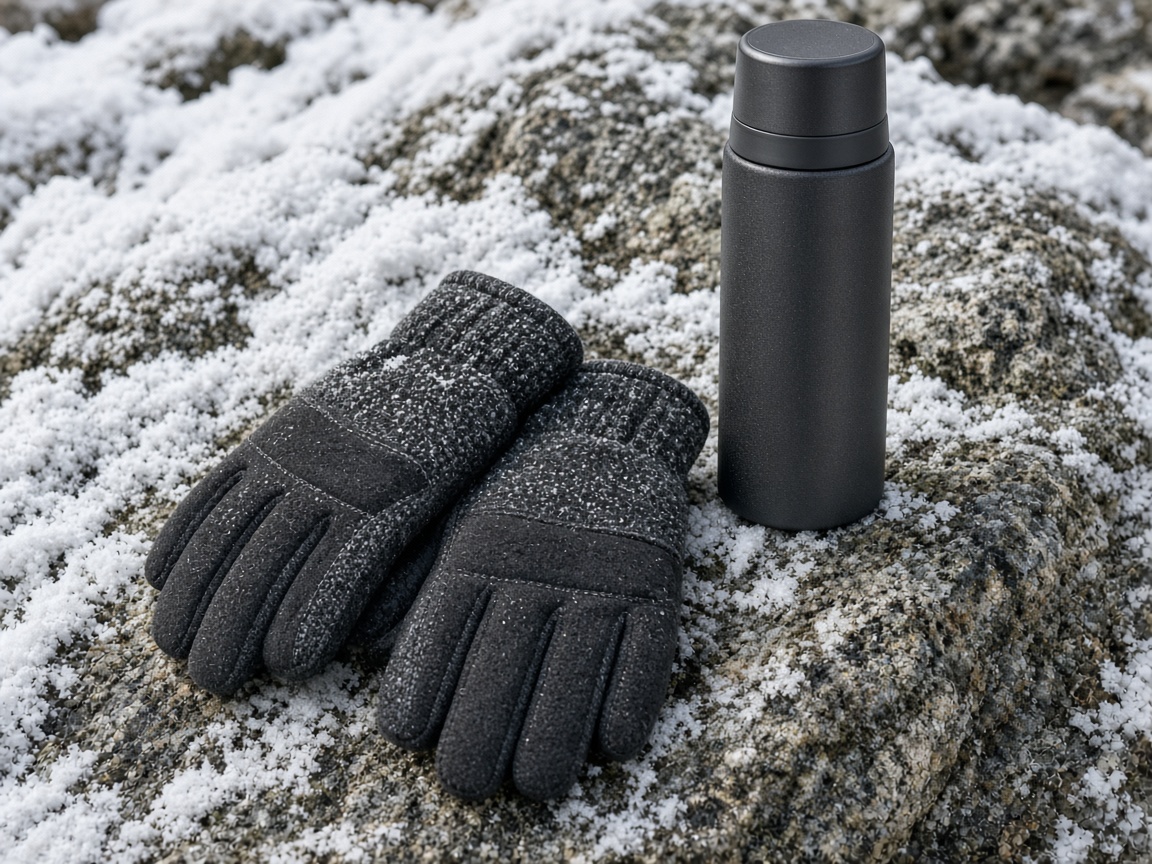
A hat that actually covers ears. A layer for the face when the wind is honest. Mittens over gloves when it is the real day. Chemical warmers are a backup, not a plan to wear fashion gloves. Toes need a boot that is not crammed. Tight is cold.
Metal cameras, bottles, and carabiners will steal heat through a thin glove. Use a sleeve. The SureFire G2X LE is the lamp we name so you are not bare-handed over a stove at dusk. Check the live listing.
Feeling gone is a turnaround
Wiggle. Check your partner’s white nose. If a finger is numb and will not come back in a pit, you are done with the ridge. Warm it with a body, not a fire you jam a hand into. Do not rub snow on it. That is a myth that costs tissue.
Food and water keep you generating heat. A drained day is a colder day. hard days that stay reversible if you stacked a hard effort in January. Stacking is how competent people get surprised.
Simple is dry, covered, fed, and willing to quit
Frostbite prevention is a dry hand, a covered ear, calories, and a turnaround. We are not your clinician. Numbness that stays is a reason to get to care. Check live prices if the lamp is the hole. We do not invent numbers.
Wet is the shortcut
Sweat you do not vent becomes ice in a shell. Open the pit zips on the climb. Take the hat off before you soak it. A dry spare glove in a bag beats a soaked pair you keep wearing because they are “almost fine.” Almost fine is how tips go white. Change the socks at the hut even if you feel dramatic. Toes do not care about your pride.
Snow in the cuff and a gaiter you skipped are the same story. Keep snow out of the boot. A wet sock on a windy ridge is a clock. You cannot out-hike a soaked liner if the wind is a knife. Turn around while the toe still argues with you. Numb is late.
Metal tools and cameras steal heat from bare skin. Use a glove. The lamp in the pocket — the SureFire we already name — is how you stop using a phone screen as a flashlight with bare fingers at 10 p.m. Check live prices. We do not invent numbers. The point is covered skin, not a brand.
Wind is the other temperature
A calm 20°F and a windy 20°F are different mountains. Cover ears and nose before they sting, not after they go wooden. A buff that actually stays up is worth more than a fashion tube that rolls down every minute. Goggles on a windy ridge are warmth, not only glare control.
Stops are when frostbite starts. Eat. Stomp. Wiggle fingers on purpose. A photo stop that lasts ten minutes in a saddle is a medical decision. Someone in the group should watch faces, not only the summit. White, waxy, or a sudden “I can’t feel it” is the turnaround, not a debate.
Layering that you will actually vent is the clothing half. This page is the skin half. They are the same day.
Calories are heat
A cold person who skipped lunch is a person whose fingers fail first. Eat on a schedule, not when you feel like a snack. Hot water in a bottle in the inside pocket is a luxury that is also first aid. Sugar and salt on the move keep you generating heat you can spend on toes.
Alcohol on a cold ridge is not courage. It moves blood to the skin and then you lose the heat. Save the flask for the building. Caffeine in a dehydrated person is a different tax. Drink water even when you are not thirsty. Pee is data. Dark and late is a volume problem that will show up in your hands.
When feeling is already gone
Do not rub snow on it. Do not stick a numb foot on a stove. Get out of the wind. Warm the person, not only the part, and do not refreeze a thaw if you still have to walk down. That last sentence is why you turn around early. A thaw and a second freeze is worse than a cold descent you started on time.
Tell someone the loop before you leave the lot. A late return in winter is a search that starts cold. The prevention list includes the check-in. Leave something in the tank — frostbite days are the ones that ran past the clock.
Kids, dogs, and the people who will not say they are cold
Children lose heat faster and lie about it to stay in the game. Check fingers yourself. A white, waxy look is the end of the photo, not a debate. Mittens over gloves. A spare pair in your pack, not in the car you already left. Dogs get ice between pads and will keep going. Check. Wax or a boot if the snow is a crust. A dog that lifts a paw and then stops telling you is already late.
Partners who “don’t get cold” still have noses. Watch the face, not the speech. The person who stops talking on a ridge is information. Feed them. Cover them. Turn if the cover does not bring words back. Pride is how groups walk past the last easy descent.
Rentals and borrowed gloves that do not close at the wrist are how snow gets in. Test the cuff in the lot. A gap you can see is a gap the wind will use. Tape is a field fix. A better glove is a town fix. Do not start a ridge on a known gap.
What the lamp and the layer are for
Bare hands as tools in the dark are a frostbite plan. Use the pocket lamp. The SureFire G2X LE is the one we already name when a brighter light has to live in a jacket. Check the live listing. We do not invent prices. Put it where a glove can click it. A phone screen with a cracked thumb is not a light.
Poles, cameras, and metal bottles steal heat. Use a glove or a cover. A bottle that froze shut is water you do not have. Keep one bottle inside the jacket on the coldest days. Sip on a schedule. A dehydrated climber is a cold climber.
Snow kit and this page overlap. This one is skin. That one is the bag. You need both if the mountain is actually winter.
The route is prevention
A long stop on a windy saddle is a choice. Eat behind a rock. Keep the time short. A summit that adds an hour of wind for a photo is how people collect white spots they will meet again as damage. Turn on the time you wrote, not the time the feed wanted.
New boots on a cold day are a blister and a tight toe box. Tight toes freeze. Wear the boot you have already walked in. Size that still wiggles. A hot spot taped at the first rub beats a numb toe you find at the car.
If the forecast is a warning, the prevention is a different hill or a building day. There is no gear list that makes a bad forecast kind. Leave tank includes leaving the ridge for a day that will still have feeling in it.
Ears, nose, and the mirror you do not have
A partner’s glance is the instrument. Pale, waxy, or a sudden drip that is not a runny nose — cover and turn. Cheeks go without a speech. A buff that stays up and a hat that actually covers the ears beat a fashionable gap. Sunglasses that leave a white line of skin are a burn in summer and a freeze line in winter. Fill the gap.
Do not ignore a hot-then-numb cycle. That is tissue arguing and then quitting. Warm the person in the wind shadow. Do not rub snow on it. Do not put a numb foot on a stove you will have to walk away from. If you still have to descend, do not thaw and refreeze. That is why the early turn exists.
Write the turnaround time on a card. Frostbite days are clock days. A late photo on a windy summit is how people collect damage they will meet again as a clinic visit. The mountain will still be there with feeling in it. Vent the climb so sweat does not become the ice that starts this page.
A spare pair of gloves is not extra. It is the plan when the first pair goes in the snow. Keep them in a bag, not in a wet lid. The lamp stays where a glove can click it. Bare-hand tool work at dusk is how this essay becomes a true story.
Eat on a clock, not when you feel like a hero. A cold skip of lunch shows up in the fingers first. Hot water in a bottle inside the jacket is heat you can spend on toes. Alcohol on a ridge is not courage. It moves blood to the skin and then you lose it. Save the flask for a building. The prevention list is dry layers, covered skin, food, and a turnaround you already wrote. Do those four and this page stays a field note instead of a clinic story.
Also in the magazine
Keep going with layering, repeatable days, all-day shoes, and flashlight habits. We only link pages that already live here. Check live prices. We do not invent numbers.
Frequently asked questions
What actually prevents frostbite?
Stay dry, cover ears nose fingers and toes, eat, and turn around when feeling does not come back.
Are hand warmers enough?
They are a backup. Wet fashion gloves plus wind will still win.
Should I rub snow on numb skin?
No. That is a myth. Warm with a body and get to care if it stays numb.
Why a flashlight on this page?
Bare hands in the dark are how people freeze fingers over a stove. We name a lamp we already use.
Is this medical advice?
No. It is field prevention. Lasting numbness is a clinician problem.
Does tight footwear help?
No. Tight is cold. Leave room to wiggle.