
How to Prevent Blisters When Hiking (2026)
Written by John Wren|
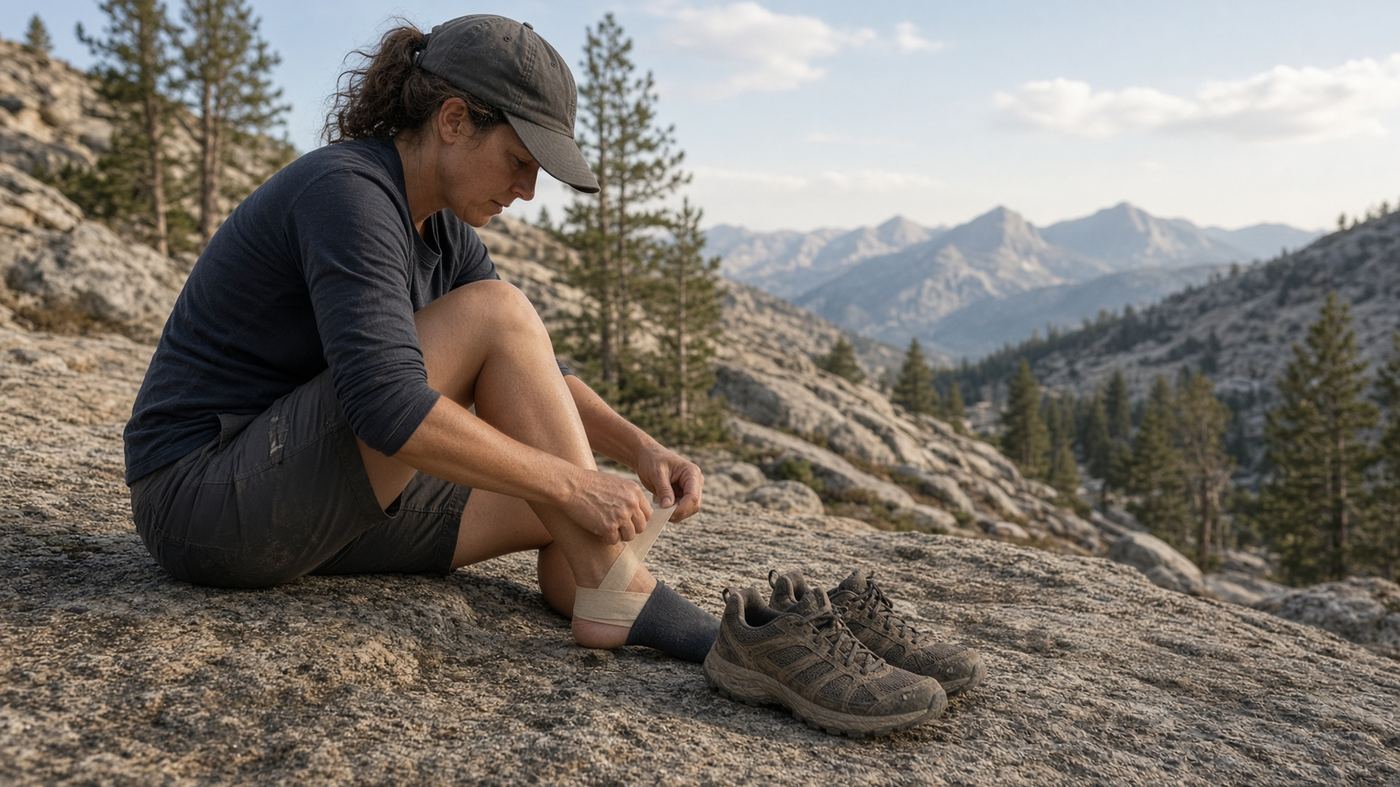
Prevent hiking blisters with a boot that locks the heel, merino socks, a spare dry pair, anti-chafe on known spots, and tape when you feel heat. Do not start a long day in new unbroken boots and cotton socks.
Key takeaways
- Heel lift is a last problem.
- Tape heat, not just the bubble.
- Cotton socks hold water.
- Spare socks are first aid.
A blister is a friction-and-moisture injury, not a mystery. The shoe moves, the sock rolls, the skin stays, and you get a bubble that ends a hike. In 2026 the fix is still the same boring list: a boot that fits, socks that are not cotton, a lubricant or tape on the known hot spot, and a stop at the first hot spot instead of “pushing through” until you have a wound.
Short version. Fix the boot last first. Sundowner, Tibet, or a hiker like Columbia Newton Ridge — if the heel lifts, you do not have a tape problem. You have a last problem. Use Chafe Zone or a similar anti-chafe on known spots. Tape (Leukotape-style or moleskin) when you feel heat, not after the bubble. Check live prices. We do not invent numbers.
Pants that bind at the ankle can add a sock-slide. Hunting boots blister the same way. Trail kit should include tape before it includes a seventh gadget.
Why blisters actually happen on trail
Shear. Wet skin shears easier. Cotton holds water. A heel that lifts saws. A toe box that jams on the downhill makes a black toenail and a blister on the same day. Fifteen minutes of ignored heat is a bubble. That is the whole medical lecture. The product page is how you interrupt the shear.
New boots on a 12-mile day is a personality. Break them in. Pack a dry pair of socks. Change at lunch if you hiked into a creek. Powder helps some people. It is not a substitute for fit.
Chafe Zone and the grease that is not optional
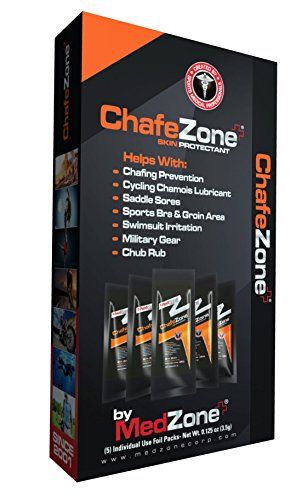
Anti-chafe balm is how you cut friction on a known spot: heel, little toe, under the arch strap. Chafe Zone is the Amazon tub that is not cotton. Apply before the hike on skin that already betrayed you last weekend. Do not wait for the burn. Grease after a bubble is a mess on an open roof.
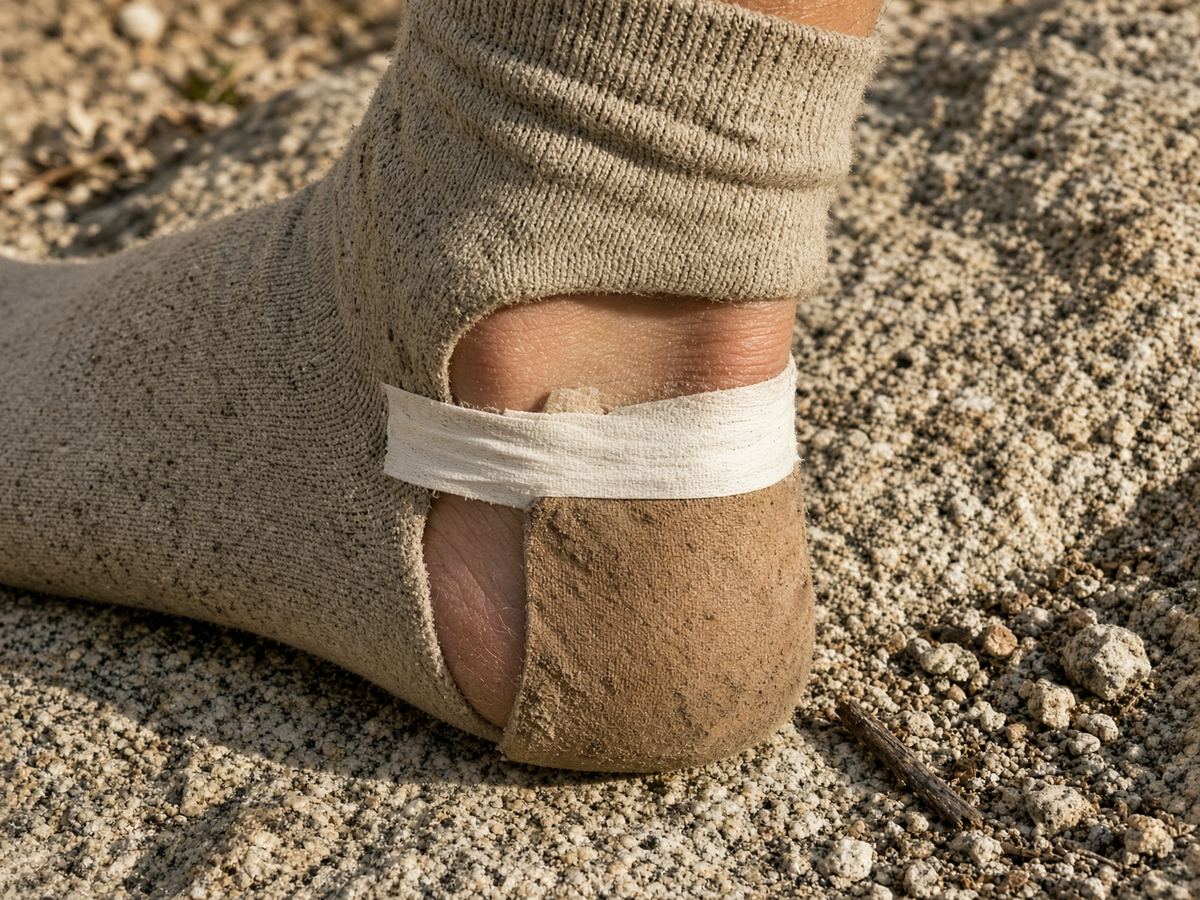
Moleskin and athletic tape are the other half. Moleskin on unbroken skin as a shield. Tape (Leukotape-style) stays on in sweat better than cheap fabric tape. Paper tape is a joke in a wet boot. If the blister is already up, drain it only if you know why, keep the roof if you can, and put a doughnut of moleskin around it so the shoe does not grind the roof off. Infection is how a blister becomes a trip-ender in a different building.
The boots that prevent more blisters than any cream
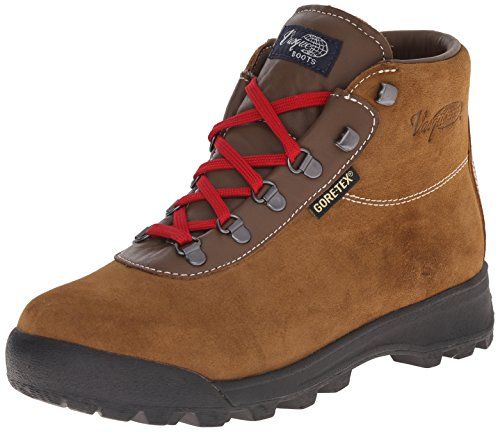
Sundowner for backpacking leather. Tibet for heavy pack. Newton Ridge for a first waterproof hiker. Danner Mountain 600 for a hiking-first ridge. If the heel lifts in all of them, you need a different last or a volume trick (tongue, insole, lacing lock), not a fourth cream.
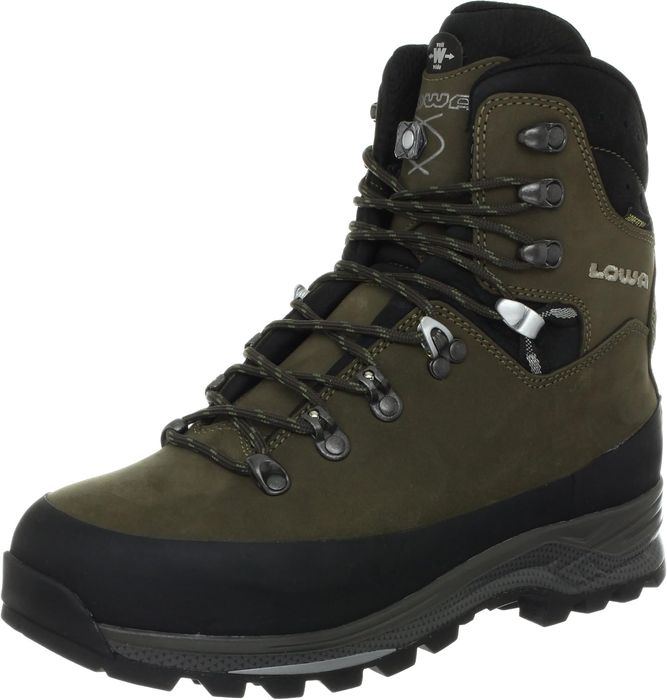
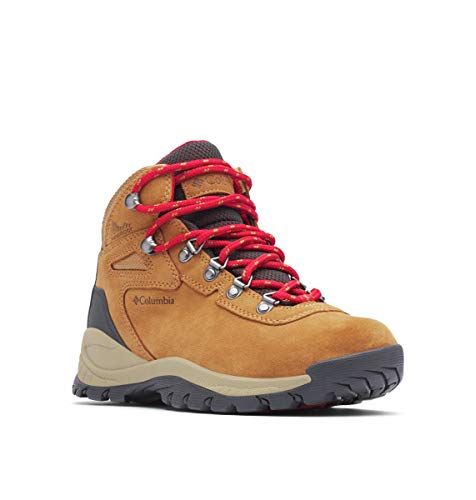
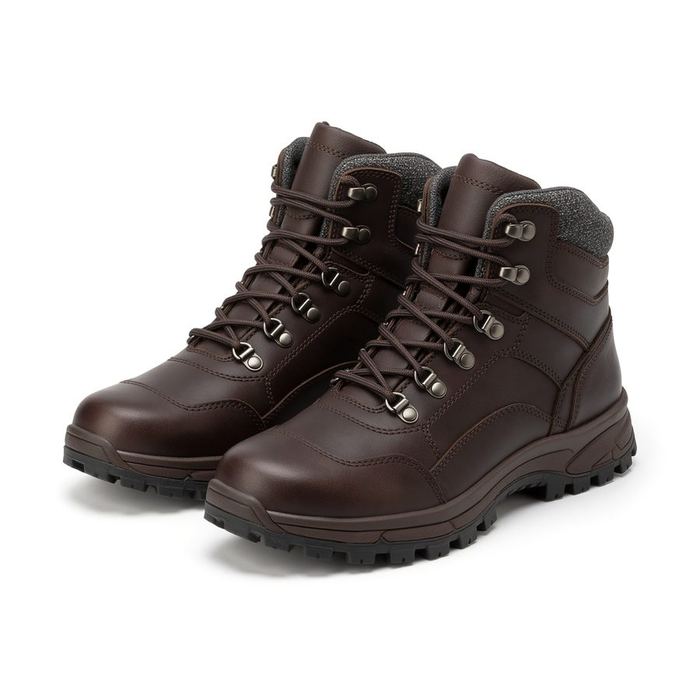
| Item | Best job | Watch-out |
|---|---|---|
| Boot that locks the heel | Prevention | Return the pair that lifts |
| Chafe Zone (or similar) | Known hot spots, before the hike | Not for an open blister roof |
| Tape / moleskin | Heat now, shield unbroken skin | Cheap paper tape fails wet |
| Merino socks, spare pair | Moisture | Cotton is a blister machine |
Our pick: fit first, merino, a spare sock, Chafe Zone on the known spot, tape in the lid of the pot. Check live prices. We do not invent numbers.
What blister mistakes look like a ruined Saturday?
Cotton. New boots. “I’ll tape it if it gets bad.” It is already bad. Tape at heat. Change socks at the creek. Sundowner that lifts at the heel is a return, not a second tub of Chafe Zone. Lubricant cannot invent a last.
Paper tape in a wet boot. It rolls into a string and becomes a new blister machine. Leukotape-style or a tape that stays. Moleskin on unbroken skin. A doughnut around a roof you are trying to keep. Super-glue tricks belong to people who already know why. Infection belongs to urgent care.
Ignoring the downhill. Toes jam, nails go black, tips blister. Volume in the toe box, a tighter heel, a lace lock. Tibet with too much sock is a jam. Too little sock in a wide last is a slide. The sock is part of the last.
A trail-day order that keeps skin attached
Morning: known spots get balm. Socks that are the socks you sized in. Laces you lock at the ankle. Mid-day: the second you feel heat, stop. Tape. Do not negotiate with a summit. A 10-minute tape job is a hike. A bubble at mile 8 is a hobble.
Wet: change socks. A zip bag with a dry pair is first aid. Powder if you like it. Grease on a wet hot spot can help. Cotton in a wet boot is how people get trench-foot-adjacent misery on a weekend they advertised as fun. Pack the socks. Pants that hook a sock and pull it down are a blister machine of a different kind. Cuff them or pick a different pant.
Hunt days: the same rules in hunting boots. Rubber boots that slip on the heel need a thicker sock, not hope. Leather hunt boots still need break-in. Opening morning is a stupid break-in plan.
When the boot is wrong: numb toes, heel lift you cannot lace out, a seam that cuts the same place every time. Return it. A women’s last if that is the foot. Check live prices. We do not invent numbers. Tape is cheap. A ruined season is not.
What we skipped: miracle sock brands as a religion, and “you have to toughen your feet.” Some callus is real. A shear blister is not a character test. Fit, moisture, tape. That is the 2026 lecture, same as the old one, with fewer cotton crew socks.
Two-sock kits: liner plus hiking sock if volume allows. Too much sock in a tight Danner is a toenail. Too little in a rubber boot is a slip. Carry the spare. Change it. That is more prevention than a third cream in the cabinet at home.
Heat, tape, creek — the order that keeps skin attached
Morning: known spots get balm. Socks that are the socks you sized in. Laces you lock at the ankle. Mid-day: the second you feel heat, stop. Tape. Do not negotiate with a summit. A 10-minute tape job is a hike. A bubble at mile 8 is a hobble. Wet: change socks. A zip bag with a dry pair is first aid. Powder if you like it. Grease on a wet hot spot can help. Cotton in a wet boot is how people get trench-foot-adjacent misery on a weekend they advertised as fun. Pack the socks. Pants that hook a sock and pull it down are a blister machine of a different kind. Cuff them or pick a different pant.
Cotton. New boots. “I’ll tape it if it gets bad.” It is already bad. Tape at heat. Change socks at the creek. Sundowner that lifts at the heel is a return, not a second tub of Chafe Zone. Lubricant cannot invent a last. Paper tape in a wet boot rolls into a string and becomes a new blister machine. Leukotape-style or a tape that stays. Moleskin on unbroken skin. A doughnut around a roof you are trying to keep. Super-glue tricks belong to people who already know why. Infection belongs to urgent care.
Ignoring the downhill. Toes jam, nails go black, tips blister. Volume in the toe box, a tighter heel, a lace lock. Tibet with too much sock is a jam. Too little sock in a wide last is a slide. The sock is part of the last. Hunt days: the same rules in hunting boots. Rubber boots that slip on the heel need a thicker sock, not hope. Leather hunt boots still need break-in. Opening morning is a stupid break-in plan. A women’s last if that is the foot.
When the boot is wrong: numb toes, heel lift you cannot lace out, a seam that cuts the same place every time. Return it. Check live prices. We do not invent numbers. Tape is cheap. A ruined season is not. What we skipped: miracle sock brands as a religion, and “you have to toughen your feet.” Some callus is real. A shear blister is not a character test. Fit, moisture, tape. That is the 2026 lecture, same as the old one, with fewer cotton crew socks.
The small kit that is more prevention than a third cream
Two-sock kits: liner plus hiking sock if volume allows. Too much sock in a tight Danner is a toenail. Too little in a rubber boot is a slip. Carry the spare. Change it. That is more prevention than a third cream in the cabinet at home. Chafe Zone or a similar anti-chafe on known spots before the heat starts. Tape in a bag that is not a dissolved paper wad. A small scissors or a way to tear tape with wet fingers. That kit weighs nothing. A bubble weighs a day.
Break-in is not a death march. Night one: house, hunt or hike socks, 30 minutes. Night two: gravel loop. Weekend: four miles with a pack that is not empty. Hot spots get tape the same day. If the fourth-toe seam is a knife, the last may be wrong. Do not “hope the leather gives” on a paid hut trip. Spare laces because a leather boot that loses a lace is a floppy shoe and a new blister machine.
Snow and wet: gaiters keep the collar from becoming a creek. Change socks at lunch if they are a sponge. Powder in a rubber boot can help. A membrane boot that you cooked on a heater is a sponge forever. Dry them. Pull liners. Never a dashboard. Sundowner and Tibet both need that care. A trail runner on a wet granite staircase under a 35-pound pack is a different blister — the whole foot. Match the shoe to the pack.
Replace boots when the shank folds, when the heel cup is a rumor, when a seam cuts the same place every time. Replace socks when they are a shine and a bag. Tape is consumable. Cream is consumable. A first-season math that works: boot that locks the heel, merino, spare dry pair, anti-chafe on known spots, tape at heat. That is blister prevention in 2026. A cotton crew and a new boot on a 12-mile Saturday is the other option. It still ends the same way. Stop at heat. Tape. Change the sock. Return the last that will not hold. Then hike. The summit can wait ten minutes. The skin cannot grow back before camp.
Kids and partners: their heat is your stop too. A blistered kid is a carry. Pack tape for more than one pair of feet. A partner who “doesn’t get blisters” until mile nine is why you carry extra. The kit is communal. The last is personal. Fit their boots like you fit yours. Cotton is still cotton on a teenager. Merino is still merino. That is the whole lecture, including the afternoon you actually stop.
Frequently asked questions
How do you prevent blisters when hiking?
A boot that locks the heel, merino socks, a spare dry pair, lubricant on known hot spots, and tape at the first heat. Cotton and new unbroken boots on a long day are how bubbles start.
Should I pop a blister?
If you must to walk, drain with a clean needle, keep the roof, doughnut moleskin around it. If you can leave it intact, leave it. Infection is the bigger enemy.
Moleskin or tape?
Moleskin as a shield on unbroken skin. Leukotape-style tape for sweat and a hot spot that is already talking. Paper first-aid tape usually peels in a wet boot.
Do blister balms work?
They cut friction if you put them on before the shear. They are not a fix for a boot that does not fit.
Why do my heels blister in new boots?
The heel is lifting or the leather is grabbing. Break them in. Lock-lace the ankle. Return a last that will not hold your heel.
Are cotton socks that bad?
Yes in a boot. They hold water and increase shear. Merino or a synthetic hiking sock. Change them when they are wet.