
Lowa Tibet GTX Pro Review (2026)
Written by John Wren|
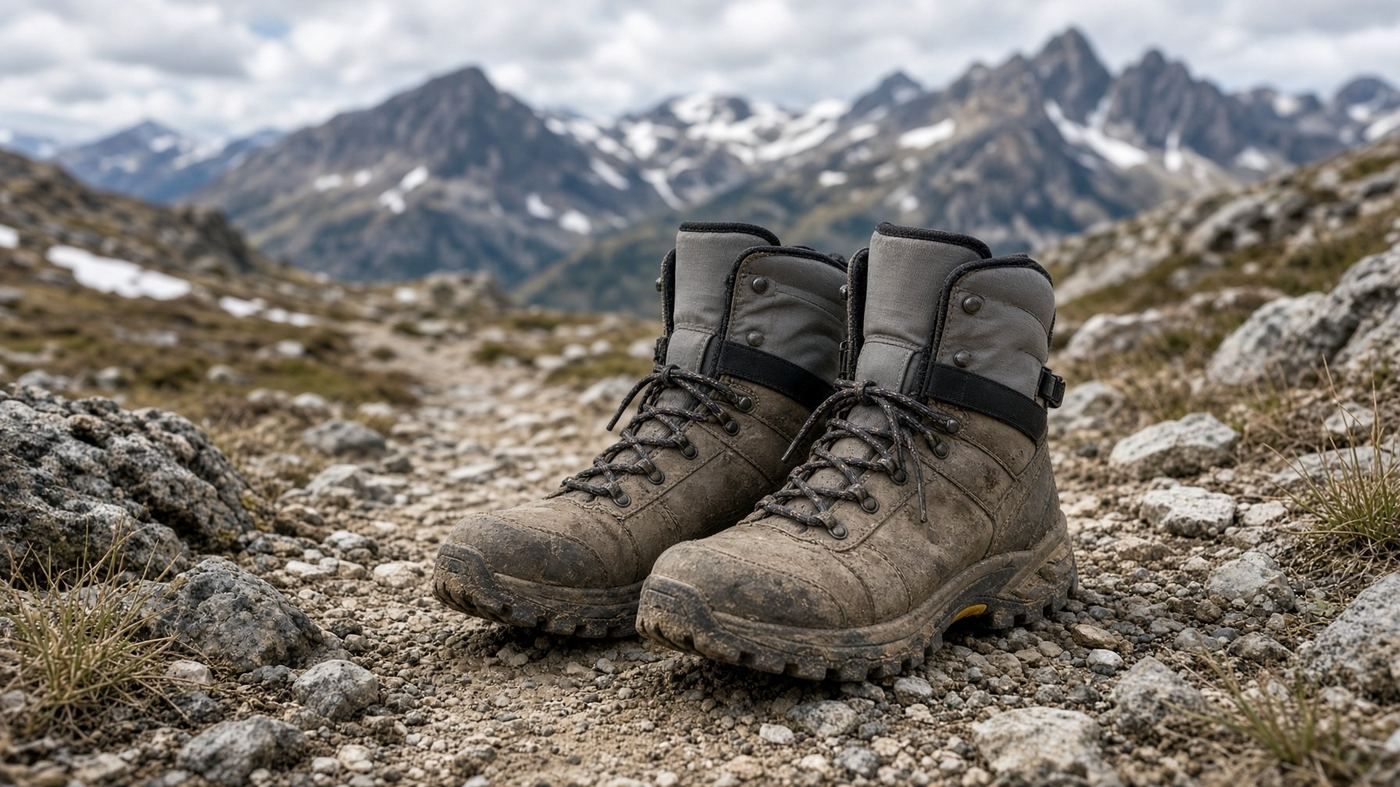
Buy Lowa Tibet GTX Pro for heavy-pack mountain trails. Break them in before the trip. Resole them. Choose Kenetrek or Sundowner if the job is a hunt or a lighter path.
Key takeaways
- Match the boot to the pack weight.
- Break-in is not the first 20-miler.
- Resole is why you pay.
- A last mismatch is a toenail, not a membrane.
The Lowa Tibet GTX Pro is a heavy backpacking boot: nubuck, Gore-Tex, a stiff shank, a Vibram outsole, a rand that takes scree. It is the boot for a pack that is actually heavy on a trail that is actually a trail. It is not a gym shoe. It is not a swamp hunting boot. In 2026 we still send people to Tibet when the load is 40 pounds and the country is steep, and we still send them to Sundowner or a lighter hiker when the “backpacking” is a 12-pound overnight on a maintained path.
Short version. Buy Tibet GTX Pro for heavy-pack mountain trails. Buy Vasque Sundowner if you want a lighter classic backpacking boot. Buy Kenetrek Mountain Extreme or Irish Setter Elk Tracker if the mountain is a hunt. Buy Danner Mountain 600 if you want a hiking-first hybrid. Break them in. Resole them. Check live prices. We do not invent numbers.
Weight is the tax. You feel it on day one and you stop noticing on day four when the shank is the reason your feet are not cooked. Catalog photos of a mountain do not weigh your pack.
What the Tibet GTX is for
Nubuck that takes a beating. A membrane that keeps water out and sweat in if you overheat. A last that is alpine-performance, not a couch. If your heel lifts, you do not have a waterproofing problem. You have a last problem. Try before you ship if you can. A boot this stiff will punish a wrong size for a week and then take a toenail on the descent. Sock choice is merino. Blister logic is friction, moisture, a heel that lifts.
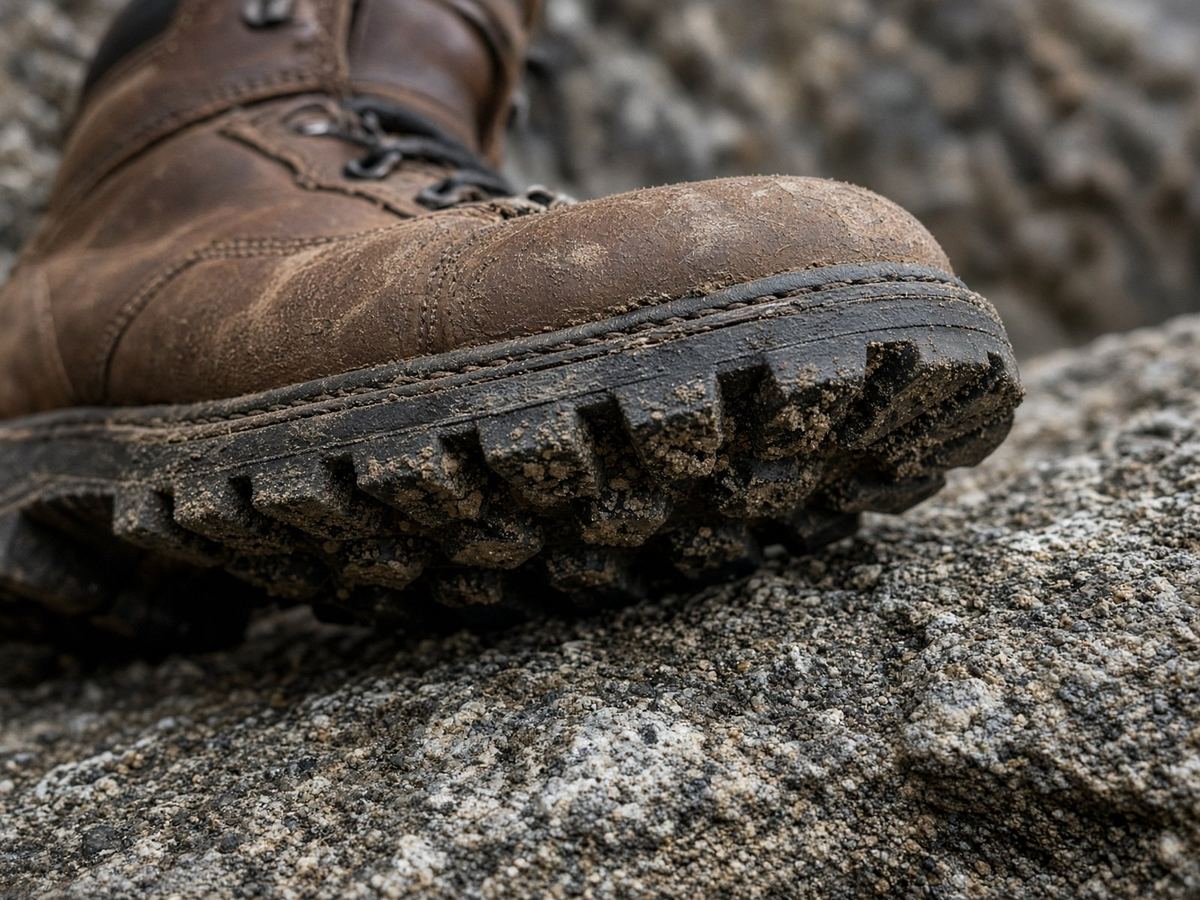
Lowa Tibet GTX Pro — the expedition chassis
House, gravel, a daypack, then the real pack. Stiff leather does not “just break in on the first 20-miler.” That first 20-miler is how people invent a blister religion. Moleskin in the pack. The socks you will hike in. Not a cotton gym sock in the store. Lace lock at the ankle so the heel stays. Too tight on the instep is a numb foot. Too loose is a blister.
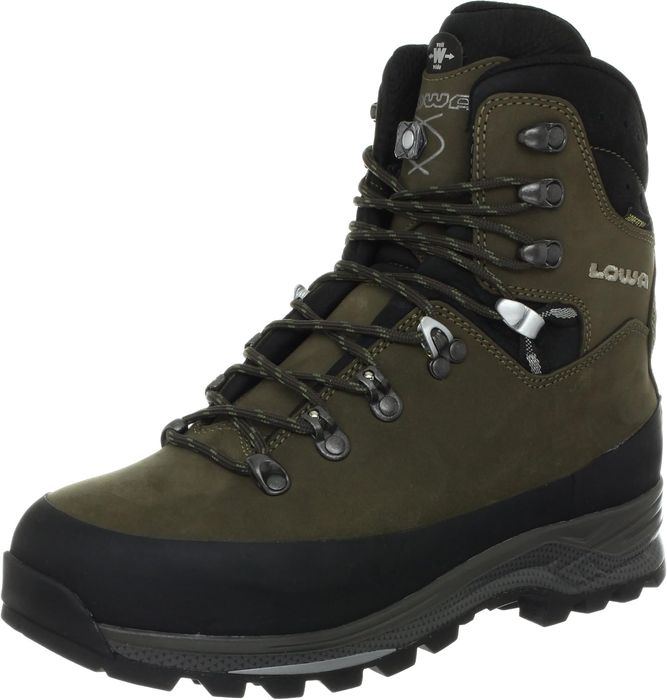
Lowa can be resoled. That is why you pay. A glued fashion boot is a season. Condition the leather. Dry it with the tongue open, not on a radiator. Rain pants and gaiters keep the leather from becoming a sponge in eight hours of wet brush. Waterproof is not “I waded a creek to the collar.”
Kenetrek, Sundowner, Elk Tracker, Danner — the other lasts
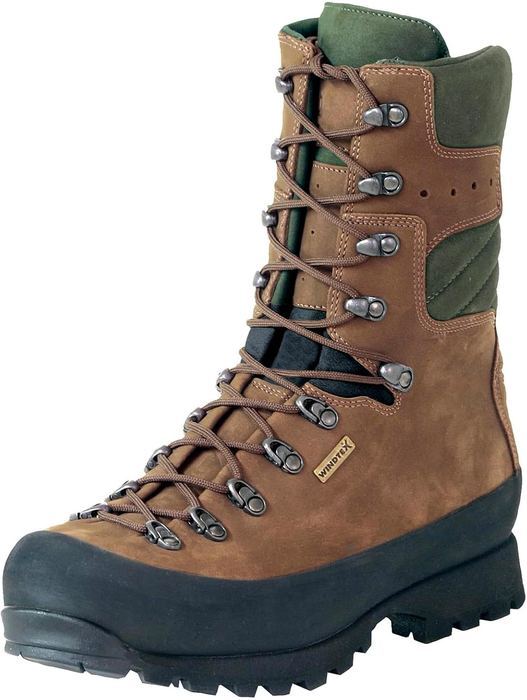
Kenetrek Mountain Extreme 400 is a tall insulated hunt last for ridges and cold. Irish Setter Elk Tracker is the other hunt boot: tall, waterproof, a leather that wants a season of breaking in. Vasque Sundowner GTX is the lighter, older backpacking cousin — still a real boot, not Tibet’s expedition tax. Danner Mountain 600 is the hiking-first hybrid you wear on maintained miles when Tibet would be costume.
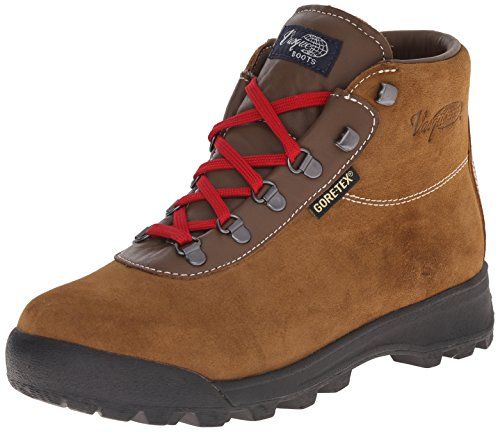
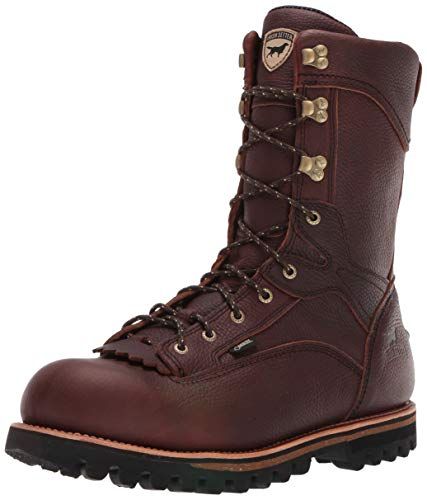
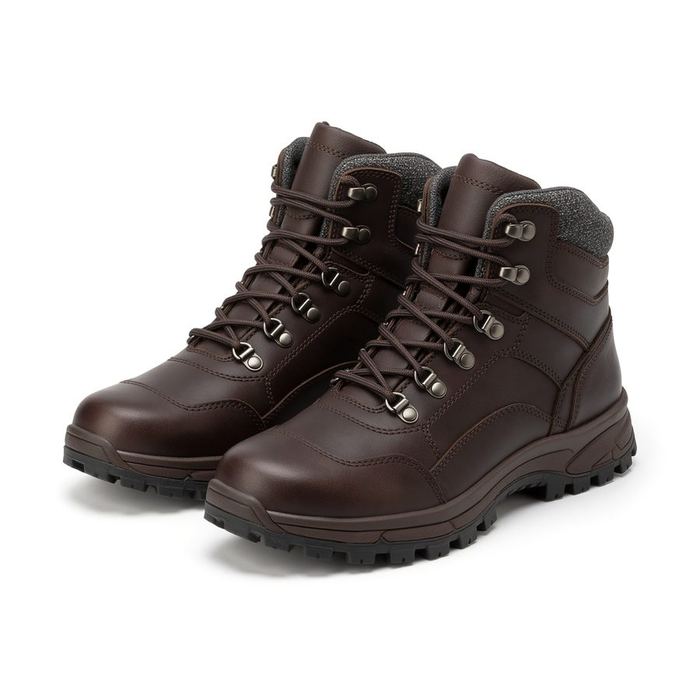
| Boot | Best job | Last | Watch-out |
|---|---|---|---|
| Lowa Tibet GTX Pro | Heavy pack, real trail | Alpine backpacking | Weight, break-in, last fit |
| Vasque Sundowner GTX | Lighter classic backpacking | Hiker | Not an expedition chassis |
| Kenetrek Mountain Extreme 400 | Hunt ridges, cold | Hunt | Insulated, tall |
| Irish Setter Elk Tracker | Hunt more than backpack | Hunt | Break-in, not a gym shoe |
| Danner Mountain 600 | Maintained miles, hybrid | Hiker | Not a 40-pound talus boot |
Our pick: Tibet GTX Pro for heavy-pack mountain trails. Sundowner or Mountain 600 for maintained miles. Kenetrek or Elk Tracker when the tag is a hunt. Two-pair honesty: the hard boot for the hard thing, a lighter hiker for the day trail. Pack the rest of the kit so the boot is not doing a stove’s job. Feet, water, rain, a map.
What the Tibet GTX is for, and what it is not
The Lowa Tibet GTX / Tibet GTX Pro is a heavy backpacking boot: nubuck, Gore-Tex, a stiff shank, a Vibram outsole, a rand that takes scree. It is the boot for a pack that is actually heavy on a trail that is actually a trail. It is not a gym shoe. It is not a swamp hunting boot. Kenetrek and Irish Setter are the hunt last. Vasque Sundowner is the lighter, older backpacking cousin. Danner Mountain 600 is the hiking-first hybrid. Tibet is the expedition chassis.
Weight is the tax. You feel it on day one and you stop noticing on day four when the shank is the reason your feet are not cooked. If your “backpacking” is a 12-pound overnight on a maintained trail, Tibet is more boot than you need. If your backpacking is 40 pounds and talus, Tibet is the boot. Match the load. Catalog photos of a mountain do not weigh your pack.
Gore-Tex keeps water out and sweat in if you overheat. Sock choice is merino. Blister logic is friction, moisture, a heel that lifts. Tibet’s last is a performance alpine last. If your heel lifts, you do not have a waterproofing problem. You have a last problem. Try before you ship if you can. A boot this stiff will punish a wrong size for a week and then take a toenail on the descent.
Break-in, resoling, and the quiet miles
House, gravel, a daypack, then the real pack. Stiff leather does not “just break in on the first 20-miler.” That first 20-miler is how people invent a blister religion. Moleskin in the pack. The socks you will hike in. Not a cotton gym sock in the store. Lace lock at the ankle so the heel stays. Too tight on the instep is a numb foot. Too loose is a blister.
Lowa can be resoled. That is why you pay. A glued fashion boot is a season. A welted or resoleable backpacking boot is a decade if you do not cook the leather on a heater. Condition it. Dry it with the tongue open, not on a radiator. A boot tree in the garage is how a $400 pair lasts. Replace when the midsole is a pancake, the rand is a peel, or the sole is slick on wet granite.
Rain pants and gaiters keep the leather from becoming a sponge in eight hours of wet brush. Tibet is waterproof. Waterproof is not “I waded a creek to the collar.” There is a line. Over it, you have wet socks and a membrane that is doing its best.
When to buy Kenetrek or Sundowner instead
Kenetrek if the mountain is a hunt and you need a taller hunt last. Sundowner if you want a lighter, classic backpacking boot and you accept a different chassis. Irish Setter if you are hunting more than you are backpacking. Tibet if the pack is heavy and the trail is real. Check live prices. We do not invent numbers. A boot you will wear beats a Tibet you are afraid to scuff on a 6-mile loop.
Our pick: Tibet GTX Pro for heavy-pack mountain trails. Sundowner or a lighter hiker for maintained miles. Kenetrek when the tag is a hunt. Break them in. Resole them. Do not take a dying pair on a paid trek. That is the whole Lowa conversation in 2026. The rest is a forum argument about grams that will not show up until mile 18, which is exactly when a shank either is or is not worth the money.
Two-pair honesty: Tibet or Kenetrek for the hard thing, a lighter hiker for the day trail. A single 4-pound mountain boot you wear to the grocery store is how you wear the leather for no reason. Match the day. Pack the rest of the kit so the boot is not doing a stove’s job. Feet, water, rain, a map. The Tibet is the foot part when the country is steep.
The pack weight is the spec the photo cannot do
If your “backpacking” is a 12-pound overnight on a maintained trail, Tibet is more boot than you need. If your backpacking is 40 pounds and talus, Tibet is the boot. Match the load. Catalog photos of a mountain do not weigh your pack. Weight is the tax. You feel it on day one and you stop noticing on day four when the shank is the reason your feet are not cooked.
House, gravel, a daypack, then the real pack. Stiff leather does not “just break in on the first 20-miler.” That first 20-miler is how people invent a blister religion. Moleskin in the pack. The socks you will hike in. Not a cotton gym sock in the store. Lace lock at the ankle so the heel stays. Too tight on the instep is a numb foot. Too loose is a blister. Blister logic is friction, moisture, a heel that lifts.
Gore-Tex keeps water out and sweat in if you overheat. Sock choice is merino. Tibet’s last is a performance alpine last. If your heel lifts, you do not have a waterproofing problem. You have a last problem. Try before you ship if you can. A boot this stiff will punish a wrong size for a week and then take a toenail on the descent.
Rain pants and gaiters keep the leather from becoming a sponge in eight hours of wet brush. Tibet is waterproof. Waterproof is not “I waded a creek to the collar.” There is a line. Over it, you have wet socks and a membrane that is doing its best.
Resole, condition, and when Kenetrek is the better last
Lowa can be resoled. That is why you pay. A glued fashion boot is a season. A resoleable backpacking boot is a decade if you do not cook the leather on a heater. Condition it. Dry it with the tongue open, not on a radiator. A boot tree in the garage is how a pair lasts. Replace when the midsole is a pancake, the rand is a peel, or the sole is slick on wet granite.
Kenetrek if the mountain is a hunt and you need a taller hunt last. Sundowner if you want a lighter, classic backpacking boot and you accept a different chassis. Irish Setter if you are hunting more than you are backpacking. Danner Mountain 600 is the hiking-first hybrid. Tibet if the pack is heavy and the trail is real.
Two-pair honesty: Tibet or Kenetrek for the hard thing, a lighter hiker for the day trail. A single 4-pound mountain boot you wear to the grocery store is how you wear the leather for no reason. Match the day. Pack the rest of the kit so the boot is not doing a stove’s job. Feet, water, rain, a map.
Check live prices. We do not invent numbers. Tibet GTX Pro for heavy-pack mountain trails. Sundowner or a lighter hiker for maintained miles. Kenetrek when the tag is a hunt. Break them in. Resole them. Do not take a dying pair on a paid trek. That is the whole Lowa conversation in 2026. Grams will not show up until mile 18, which is exactly when a shank either is or is not worth the money.
Frequently asked questions
Are Lowa Tibet GTX boots worth it?
If the pack is heavy and the trail is real, yes. If your backpacking is a 12-pound overnight on a maintained path, they are more boot than you need.
How long to break them in?
House, gravel, a daypack, then the real pack. They do not break in on the first 20-miler. That 20-miler is how people invent blisters.
Tibet or Kenetrek?
Tibet for backpacking with a heavy pack. Kenetrek when the mountain is a hunt and you need a taller insulated hunt last.
Can they be resoled?
Yes. That is part of why you pay. Dry them with the tongue open. Do not cook leather on a heater.
Are they waterproof?
Gore-Tex keeps water out and sweat in if you overheat. They are not a license to wade to the collar. Gaiters and rain pants help.
What if my heel lifts?
That is a last problem, not a membrane problem. Try before you ship if you can. A stiff alpine last will take a toenail on the descent if the size is wrong.