
Best Rain Pants for Hiking (2026)
Written by John Wren|
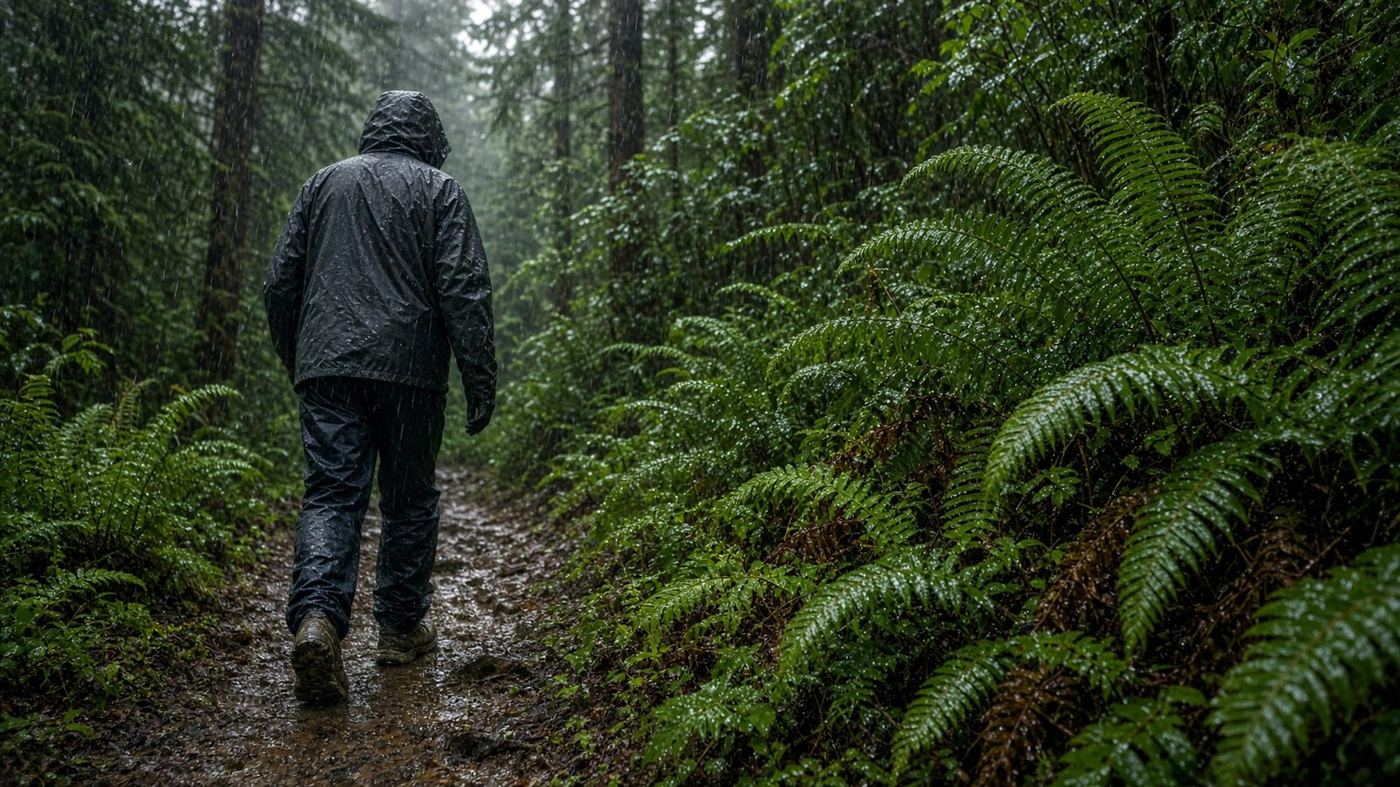
Buy packable waterproof-breathable rain pants with cuffs that seal over boots. Marmot PreCip is the default. Outdoor Research Helium is the ounce-counter. Helly Hansen or Columbia when the pant has to survive brush.
Key takeaways
- A jacket without rain pants just funnels weather into your boots.
- Full-length zips are how you put pants on after it starts raining.
- Ultralight fabric packs small and rips on granite.
- Wet inside is often sweat and a dead DWR, not a leak.
Rain pants are how you keep hiking when the trail is a creek. A jacket without pants just funnels the weather into your boots. Breathability, full-length zips, and a cuff that actually seals over a boot are the details that separate a hiking rain pant from a cheap plastic work pant that cooks you from the inside and then rips at the first sit on granite.
Short version. Buy the Marmot PreCip if you want the default lightweight hiking rain pant people actually pack. Buy Outdoor Research Helium when ounces matter and you will baby the fabric. Buy Mountain Hardwear Stretch Ozonic when you want to move. Buy Helly Hansen Moss or Columbia Rebel Roamer when the pant also has to survive brush, docks, or a budget. Pair any of them with a real shell from fishing jackets or a hiking rain jacket, not a cotton hoodie.
Waterproof ratings are water-column millimeters. 5,000 mm is a shower. 10,000 mm is a real rain pant. 20,000 mm is for vertical weather. Breathability is how you avoid the “it leaks from the inside” feeling, which is sweat. A coated work pant will keep rain out and cook you. A 2.5-layer membrane pant will cost more and let you keep climbing. Pick based on whether you sit on a boat or walk 12 miles. Layering is the rest of the system. Rain pants over soaked hiking pants is how you invent trench foot on a day hike.
What actually matters in hiking rain pants?
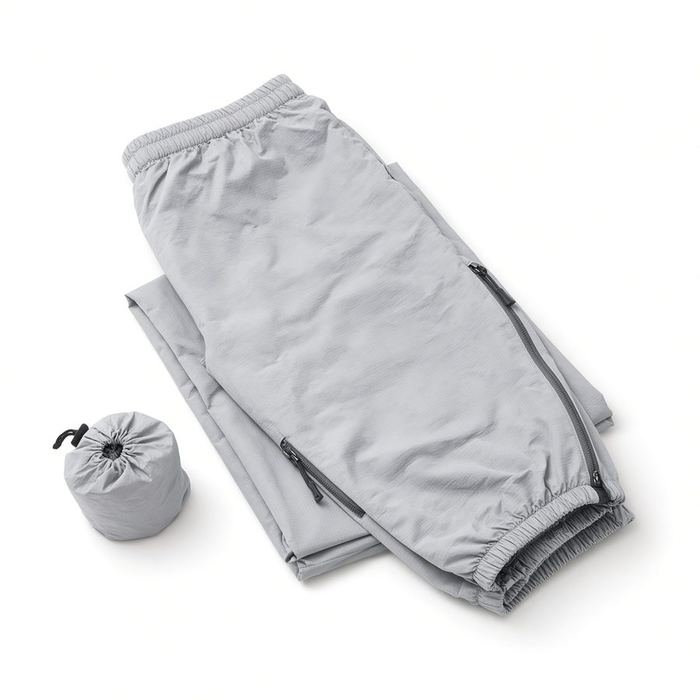
Cuffs and zips. Full-length side zips let you put pants on over boots without a parking-lot striptease. 3/4 zips are a compromise. Ankle zips only are for people who planned ahead. If you wait until it is already raining, you want the long zip. Cuffs should close over a boot, not funnel water in. A hook or snap that grabs the laces is how mountain pants stay put. Elastic-only cuffs ride up and drink.
Fit over hiking pants, not over shorts you will regret. Room in the knee. A seat that does not blow out when you step over a log. Too tight and you cannot layer. Too huge and they sail and soak the cuff. Women’s and men’s patterns are not the same rise. Buy the cut that matches the body, not the one that was in stock.
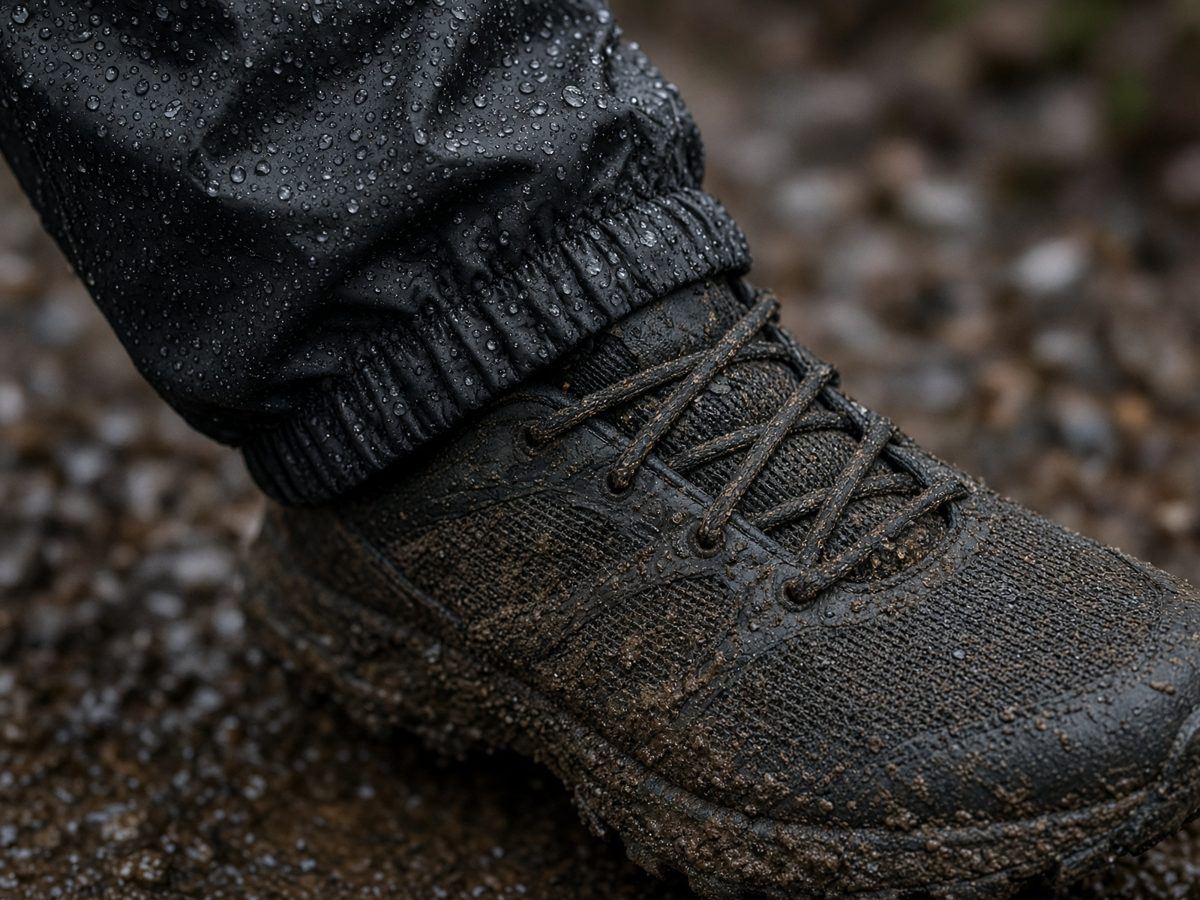
Marmot PreCip and OR Helium — the packable pair
The PreCip is the hiking rain pant a lot of people already own: lightweight, stuffable, 2.5-layer story, and a price that does not require a permit. It is not bombproof. It is the pant you keep in the lid of the pack for the day the forecast lied. The Helium is the ounce-counter’s version of the same idea — thinner, lighter, and less interested in sitting on granite. Baby it. Pack it. Do not use it as a work pant.
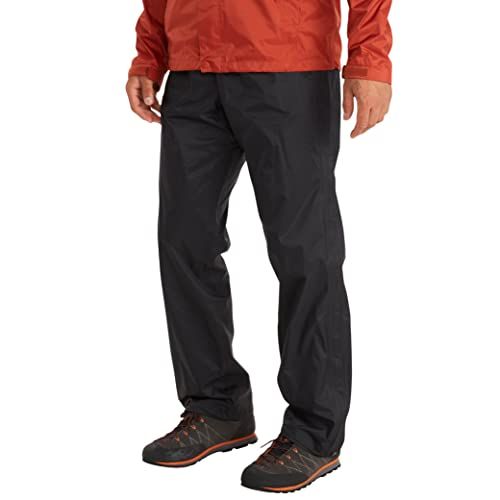
Both of these will wet out on the surface in a long storm. That is DWR, not a leak. The inside should still be drier than the trail. Wash them when they start to soak through as a sheet. A dirty DWR looks like a failed membrane. Trail kit that never gets washed is how “waterproof” dies in a season.
Mountain Hardwear Stretch Ozonic — best for moving
Stretch is not a gimmick on a rain pant if you scramble. The Ozonic is the pant we point at when someone hikes hard and hates the trash-bag feeling. You give up some toughness. You gain a stride. If your “hike” is a gravel rail-trail, you do not need this. If your hike is wet talus, you might.
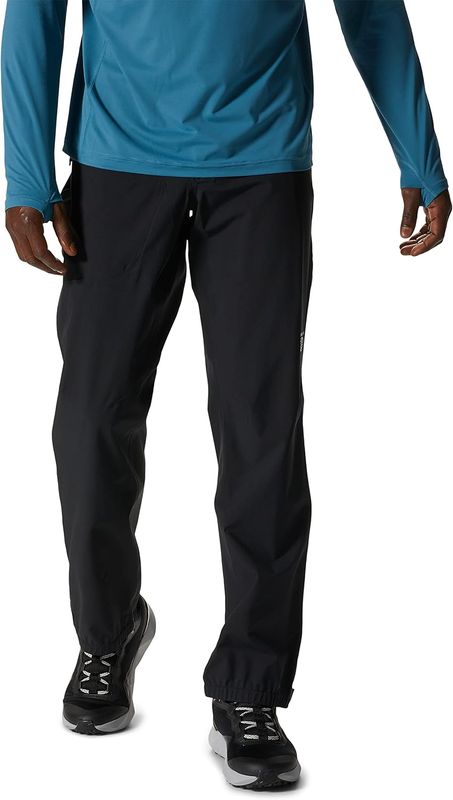
Size them over the layers you actually wear, including a light fleece on a cold rain day. A rain pant that is perfect in a store in July will bind over hiking socks and boots in October. Move in them before you take the tags off in a parking lot in a storm.
Helly Hansen Moss and Columbia Rebel Roamer — tough and budget
Helly Hansen still knows rain. The Moss pant is the more workwear-leaning shell: heavier fabric, a cut that survives sitting on a wet gunwale or a brushy switchback, and a name that means something in weather. Columbia’s Rebel Roamer is the value pant you can actually find in sizes. Neither is an ultralight flyweight. Both will outlive a Helium you sit on all season.
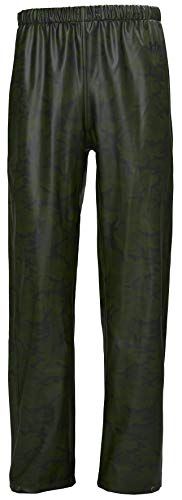
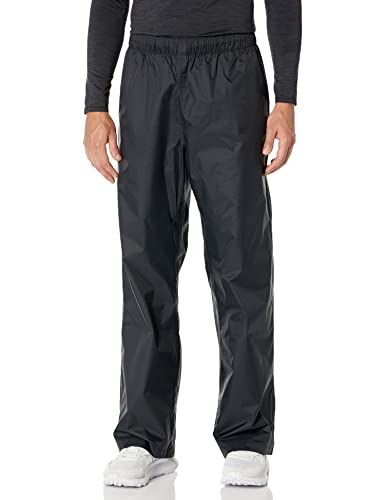
These are the pants for people who also fish, dock, and walk through briar. If you need motorcycle-grade weather, that is motorcycle rain gear, not a hiking pant. If you need a fishing bib, look at the jacket page and add bibs — a hiking rain pant over waders is a different sandwich.
How do you wear rain pants without cooking?
On when the rain is real. Off when it is a mist and you are climbing. Vent the zips. Do not wear a non-breathable plastic pant over cotton hiking pants and then blame the brand for the swamp. Base layer that dries, hiking pant or not based on temperature, rain pant as the shell. In humid Southern rain, you will still get damp. Damp and warm is survivable. Soaked and cold is the hypothermic version of a day hike. Rainy-day outdoor plans exist for the days you should not be testing new pants on an exposed ridge.
Pack them at the top, not at the bottom under the food bag. The storm does not wait for you to unpack. A stuff sack that is not the same black sack as everything else is how you find them with cold hands. For solo hikes, hiking alone safety still applies when the weather turns — wet rock and a cotton hoodie is how day hikers become statistics.
| Pant | Best for | Weight idea | Watch-out |
|---|---|---|---|
| Marmot PreCip | Default packable hiker | Light | Not a work pant |
| OR Helium | Ounces, baby the fabric | Ultralight | Rips if you sit on granite |
| MH Stretch Ozonic | Scrambling, stride | Light / stretch | Less toughness |
| Helly Hansen Moss | Brush, docks, weather | Heavier | Overkill on a dry ridge |
| Columbia Rebel Roamer | Budget rain day | Moderate | Check the size chart |
How do you wash rain pants so they keep working?
Dirt kills DWR. Sunscreen kills DWR. Woodsmoke kills DWR. Wash them in a technical-wash product, not a cup of household detergent that leaves a coating. Close the zips. Follow the temperature the maker printed, not the one you use for jeans. Tumble low if the label allows — heat is how some DWRs wake back up. When water stops beading and starts soaking in as a sheet, restore the DWR with a wash-in or spray. That is maintenance, not a new pant.
Repairs: a pin-hole from a sit on granite is tape or a peal. A blown seat seam is a warranty or a sewing job. Ultralight Helium-class fabric will take that hole sooner. That is the ounce tax. Carry a postage-stamp of repair tape in the same stuff sack as the pants. Hiking essentials that include tape are how a trip continues.
Season: in a cold rain, rain pants are on from the car. In a humid Florida shower, you may hike in wet hiking pants that dry on you and keep the rain shell for the storm that does not stop. There is no prize for wearing a plastic bag uphill. There is a prize for still having dry insulation in the pack when the temperature drops at 4 p.m.
When are hiking rain pants the wrong tool?
Wading. Rain pants over boots in a creek is how you fill the boots from the cuff. Use wet-wading, gaiters, or waders. Snow. A rain pant is a shell, not insulation. Pair it with a layer that actually warms, or you will be dry and hypothermic. Work. Dragging brush, sitting on a tailgate with tools, kneeling on a roof — that is Helly or a work rain pant, not a Helium you will hole in an hour.
Kids’ rain pants are a different size run and a different abuse pattern. Do not buy adult ultralight and expect a ten-year-old to not sit in a puddle. For family trips, a heavier pant that can go over boots with a long zip is the one that gets worn. The ultralight stays in your pack. Family outdoor days in weather succeed when the gear is easy, not impressive.
A rain kilt is the ounce-counter’s alternative for warm rain and a short storm. It is not this page. If you are asking about kilts, you already know you want less fabric. For everyone else, pants that seal at the cuff are how you still have dry socks at the car. Dry socks are blister prevention. Wet socks are how a 6-mile hike becomes a limp.
Our pick for most hikers: Marmot PreCip in the lid of the pack, full-length zips if you can get them, cuffs that hook a boot. Helium when the pack is already too heavy. Helly or Columbia when the pant has to live in a truck and a briar patch, not just a stuff sack.
A rain-day packing order that keeps pants usable
Pants at the top of the pack in a sack you can feel without looking. Jacket next to them. Dry socks in a bag that is not the one with the food. When the storm hits, pants on first if the trail is already a creek, jacket on first if it is mostly overhead. Cuff hooks on the laces. Hood brim down so you can still see. That is the whole drill. People who bury rain gear under a bear can own a story about “it was only drizzle” and a soaked insulating layer.
After the hike: hang the pants, wash when the DWR dies, repair the sit-hole before the next trip. A wet rain pant stuffed in a pack until next month is a mildew farm. Hold them up to a window. Pinholes show. Tape them. If the seat seam is going, retire them from bushwhacking and keep them as the emergency pair in the car.
Fit recap: try them on over the boots you hike in, not over street shoes in a store. Walk stairs. Sit on a curb. If the cuff walks up, you will drink rain. If the waist gaps, you will funnel weather into the hiking pants. Size is the review that product photos cannot do for you. If you hike in humid Southern rain, you will still get damp. That is sweat. Vent the zips and keep the insulation in the pack dry. The pant’s job is to keep the rain out, not to air-condition the trail.
Frequently asked questions
Are rain pants worn over regular hiking pants?
Usually yes. They are a shell. In warm rain you can wear them over shorts or a base layer. In cold rain, hiking pants plus rain pants is the system. Cotton under a rain pant is how you stay wet.
Do I need full-length zips?
If you wait until it is raining to put them on, yes. Full-length zips go over boots. Ankle zips assume you planned ahead. Most people did not.
How do I stop water from running into my boots?
Cuffs that close over the boot, a hook or lace snap, and gaiters if the rain is serious. Elastic-only cuffs ride up and drink. Rain pants without a jacket just funnel weather into your waist.
Are ultralight rain pants durable enough?
For walking and packing, yes. For sitting on granite, sliding down scree, or working a dock, no. Buy Helium for ounces. Buy Helly or Columbia for abuse.
Why do my rain pants feel wet inside?
Usually sweat plus a dead DWR, not a hole. Wash them, restore DWR, vent the zips, and wear a drying base layer. A coated work pant will always feel clammy if you hike hard.
Can I hike in rain pants the whole time?
In a cold, steady rain, yes. In humid Southern drizzle, you may be wetter from sweat than from weather. Put them on when the rain is real. Take them off when you start to steam.