
Best Motorcycle Rain Gear (2026)
Written by Ben Jackson|
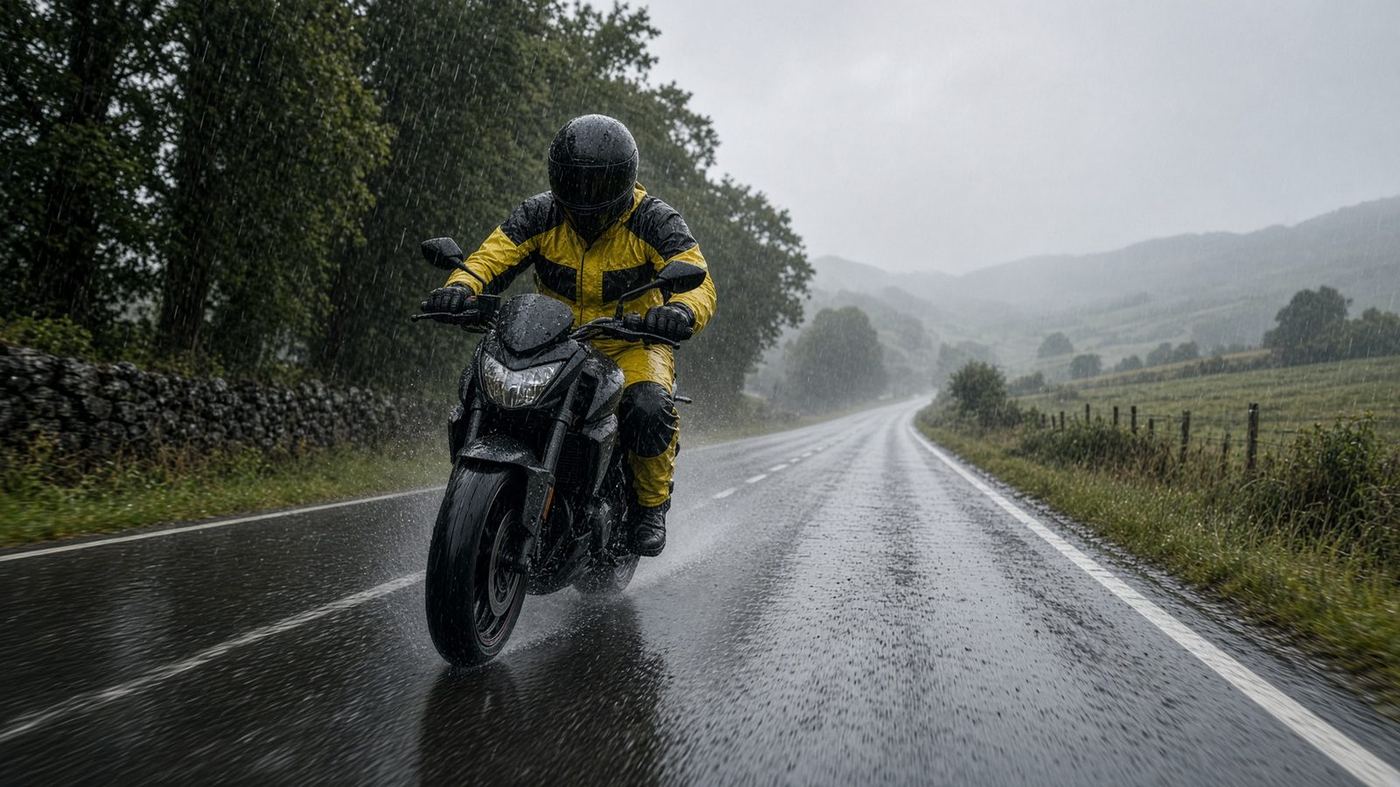
Buy a motorcycle-cut rain suit: Nelson-Rigg Stormrider for commuting and touring, Frogg Toggs Ultra-Lite2 for the tail bag. Seal cuffs over boots. Wear a drying base, not cotton. Yellow beats stealth black.
Key takeaways
- Moto cut, not a hiking jacket.
- Cuffs that seal over boots.
- Packable emergency suits are fragile.
- Reflective is safety.
Motorcycle rain gear is a suit you can put on over riding kit without a parking-lot striptease, that does not turn into a sail at 70, and that you can still see in. A hiking rain jacket is not a moto suit. A trash-bag poncho is how you invent a high-speed flag. The job is stay dry enough to keep riding, stay visible, and not cook from the inside on a humid front.
Short version. Buy a Nelson-Rigg Stormrider if you commute and tour in real rain. Buy Frogg Toggs Ultra-Lite2 or Classic All-Sport if you want a packable suit in the tail bag for the day the forecast lied. Buy Viking Cycle or SWISSWELL when the budget is the constraint and you will actually pack it. Pair with a helmet that seals and adventure-riding habits. None of this is armor.
Hiking rain pants are the wrong cut on a tank. Fishing jackets are the wrong pockets at speed. Buy a motorcycle-cut suit.
What actually matters in a moto rain suit?
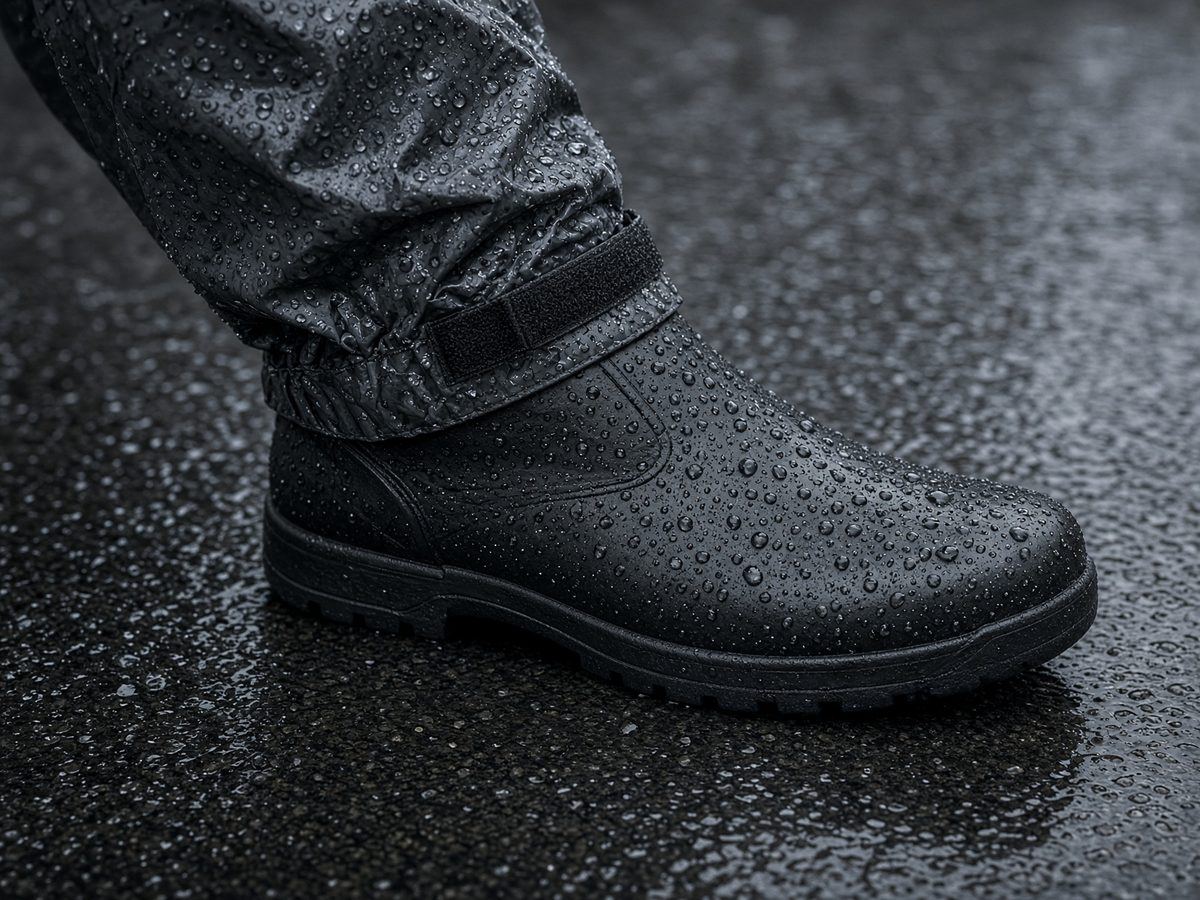
Cut over the riding position. Arms forward. Crotch that does not bind when you sit. Cuffs that seal over boots. A boot cover or a long pant hem that does not funnel water in. Reflective that still reflects. A stuff size that fits the tail bag you have, not the one in the catalog photo.
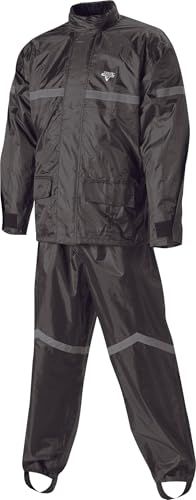
Nelson-Rigg Stormrider and Frogg Toggs — the two defaults
Nelson-Rigg built a following among people who actually ride in weather: a motorcycle cut, reflective, a stuff sack, and a suit you can pull over a jacket. Frogg Toggs Ultra-Lite2 is the emergency suit that packs to nothing and feels like a crinkle bag — and still beats being soaked. The Classic All-Sport is the slightly more “I might wear this more than once a year” Frogg Toggs.
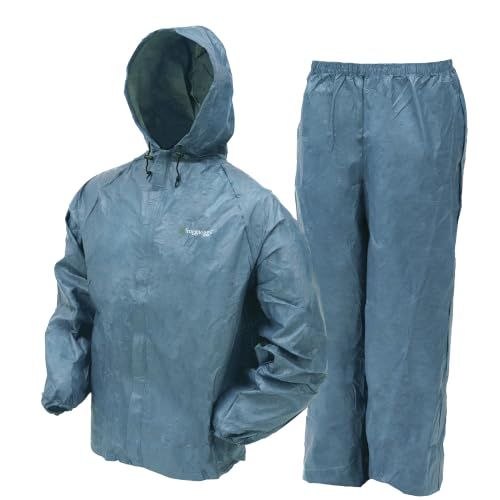
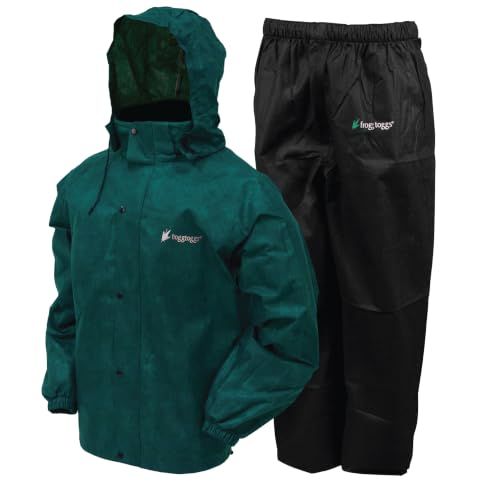
Ultra-Lite2 will tear if you wear it as work pants. Pack it. Put it on when the radar goes green. Take it off when you steam. The Stormrider is the one you can commute in. Do not confuse those jobs.
Viking Cycle and SWISSWELL — budget shells
These are the Amazon rain suits people click when Nelson-Rigg is more than they want to spend today. Motorcycle-oriented cuts, reflective hits, a price that makes packing one possible. They will not replace a touring suit. They will get you home.
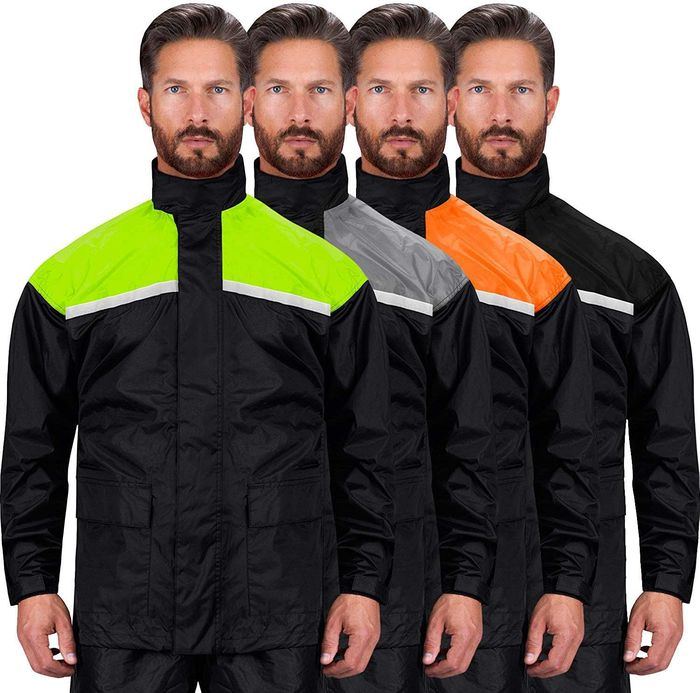
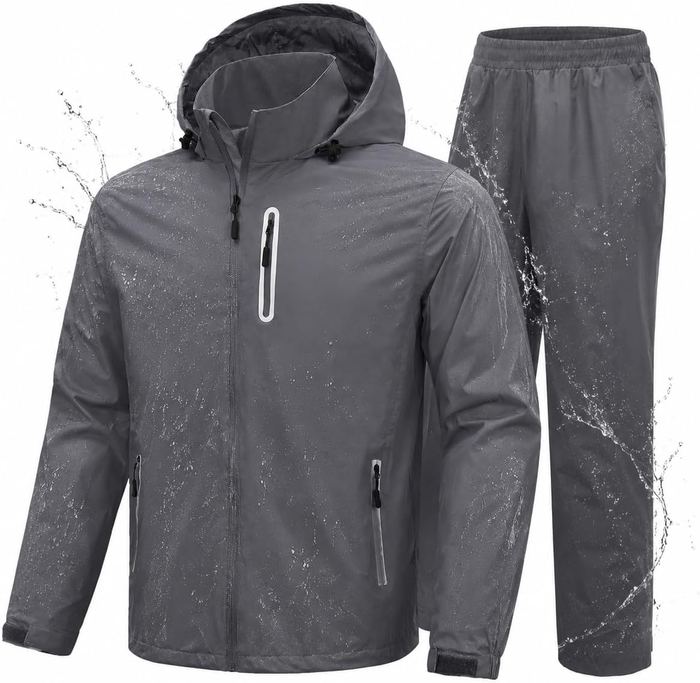
Fit over armor. Size up if you ride a bulky jacket. A rain suit that is tight in the shoulders will fight the bars. Yellow beats stealth black in a storm. Lights on. Assume cages do not see you. For more wet-weather clothing logic, layering still applies under the shell.
| Suit | Best for | Packability | Watch-out |
|---|---|---|---|
| Nelson-Rigg Stormrider | Commute / tour rain | Good | Buy the moto cut, not a hiking pant |
| Frogg Toggs Ultra-Lite2 | Emergency tail-bag suit | Best | Fragile if you sit on it |
| Frogg Toggs Classic All-Sport | More-than-once packable | Very good | Still a shell, not armor |
| Viking Cycle | Budget moto rain | Good | Check reflective and sizing |
| SWISSWELL | Budget shell | Good | Fit over the jacket you ride |
Our pick: Stormrider if you ride in rain on purpose. Ultra-Lite2 in every tail bag if you ride at all. Yellow if you can get it. Boot cuffs sealed. Cotton left at home.
What motorcycle rain-gear mistakes feel like hypothermia at 65?
Cotton under a rain suit is a sponge. Wear a base that dries. The suit is a shell. If you put a hoodie under Frogg Toggs and ride an hour in a front, you will arrive wet from the inside and think the suit leaked. That is you. Vent when you can. Zip the suit before the rain, not after you are already soaked in a gas-station parking lot.
Fit over the riding gear you actually wear, including armor. A rain suit that is perfect in a store over a T-shirt will bind over a jacket. Raise your arms like you are on the bars. If the crotch binds, size up. If the cuffs funnel water into boots, they are not sealed. Boot covers or a cuff that hooks a boot is the difference between dry socks and a 40-mile squelch.
Visibility is safety. A black rain suit on a black bike in a gray storm is how people get hit. Yellow, lime, or a silver rain cover is not fashion. Reflective tape that still reflects after a season of bugs is worth more than a stealth color. Lights on. Assume they do not see you.
When to spend Nelson-Rigg money: commuting, touring, real highway miles. When to spend Frogg Toggs money: the suit in the tail bag for the day the forecast lied. When to spend Swisswell or Viking money: a budget shell you will actually pack. None of these replace a helmet or a real riding jacket. A rain suit is weather, not armor.
Care: rinse bugs and road film. Hang it. Do not ball a wet suit in a tail bag for a week. Seams fail from grit as much as from rain. Pack it at the top of the luggage, not under the tools. The storm does not wait for you to unpack a tail bag on the shoulder.
A pre-ride rain drill you can do in two minutes
Radar. Suit at the top of the bag, not under the tools. Boot covers if you own them. A drying base, not a cotton hoodie. Gloves that still work wet, or rain covers that do not turn the bars into bars of soap. Put the suit on at the last gas stop before the green blob, not at 70. Zip, cuff, collar. Then ride. Adventure-riding habits still apply: slower, longer following distance, paint and leaves are ice.
Hiking rain pants are the wrong cut on a tank. Fishing jackets are the wrong pockets at speed. A trash-bag poncho is a high-speed flag. Buy a motorcycle-cut suit. Fit over the jacket you ride, including armor. Raise your arms. If the crotch binds, size up. If the hem rides up the boot, you will drink rain for forty miles and think the suit failed.
Layering still applies under the shell. A base that dries, a mid if it is cold, the rain suit as the roof. Vent when the rain is light and you are cooking. Zip when it is a front. Ultra-Lite2 will tear if you sit on it on a wet picnic table as if it were work pants. Pack it. Put it on. Take it off when you steam. The Stormrider is the one you can commute in. Do not confuse those jobs.
Night rain is a visibility problem first. Lights on. Bright suit. Assume cages do not see you in the spray. A stealth black suit on a black bike in a gray storm is how people get hit. Yellow is not fashion. It is the whole point. Reflective that still reflects after a season of bugs is worth more than a matte olive that photographs well in a garage.
Pack, replace, and what a rain suit is not
Stuff size that fits the tail bag you have, not the one in the catalog photo. Practice packing it once at home so you are not inventing origami on the shoulder. A wet suit balled for a week is a mildew farm and a seam failure. Rinse road film. Hang it. Pack it dry. Seams fail from grit as much as from rain.
Replace when the coating dies, the seat wears through, or the cuffs no longer seal. Ultra-Lite2 is an emergency suit. It is allowed to be fragile. Stormrider is allowed to be the commute suit. Neither is armor. A rain suit does not replace a riding jacket, a helmet, or a brain about standing water. The bike still needs a thought about paint, leaves, and brakes that are wet.
What we skipped: $800 laminated touring suits, heated-gear conversations, and “waterproof” textile jackets that are a different product. This page is the packable moto-cut rain suit you can actually bring. If you tour in rain on purpose every week, graduate to a real laminated jacket and pant and keep Frogg Toggs as the spare. If you ride at all, keep a suit in the bag. Check live prices. We do not invent numbers. Cotton left at home. Cuffs sealed. Yellow if you can get it.
Two-suit kits are honest: Ultra-Lite2 in every bag, Stormrider in the locker for the commute. That is not excess. That is matching the day. A single cheap suit you sit on, pack wet, and wear as work pants is how you own a tear on the one afternoon the forecast lied. Treat the emergency suit as emergency. Treat the commute suit as clothing. Both beat being soaked and slow and invisible in someone else’s spray.
What lives at the top of the tail bag
Suit, boot covers if you have them, a thin drying base if the one you ride in is cotton, and rain covers for gloves that turn to soap. That pile is the top of the bag. Tools stay under it. The storm does not wait for you to unpack a socket set on the shoulder. Practice the stuff-sack once at home so the shoulder is not a packing class.
Ride slower. Paint and leaves are ice. Longer following distance. Lights on. Yellow suit. A rain suit is weather, not armor, not a reason to keep highway speed in a monsoon. Adventure-riding habits still apply when the radar is green. Check live prices. We do not invent numbers. Pack it. Wear it. Hang it. That is the whole ownership loop.
If you commute in rain on purpose, Stormrider (or a real laminated jacket later) is clothing. If you ride at all, Ultra-Lite2 is the emergency. Own the distinction. Sitting on the emergency suit on a picnic table is how you own a tear. Treat fragile gear as fragile. Treat commute gear as clothing. Both beat being soaked, slow, and invisible.
A parking-lot fit check that takes thirty seconds
Jacket on, armor on, suit on. Arms forward like the bars. Sit if you can. Crotch should not bind. Cuffs should cover boot tops. Collar should close without choking. If it is perfect over a T-shirt in a store, it is small. Size up. A rain suit that fights the bars is a distraction at 65, which is how people get hit even in yellow.
Boot covers or a long hem. Socks are the tell. If they are wet at the next gas stop, the cuff failed. Fix the cuff before you blame the fabric. Vent when you cook. Zip when it is a front. Cotton stays home. Layering under the shell is a drying base, not a hoodie. Check live prices. We do not invent numbers.
Night, spray, and a black bike is a visibility problem. Lights on. Bright suit. Assume they do not see you. A stealth color that photographs well in a garage is how you become a shadow in someone else’s windshield. Yellow is the point. Reflective that still reflects after bugs is worth more than matte olive. Pack the suit at the top. Put it on before the blob. Hang it after. That loop is the product.
Frequently asked questions
How do you wear rain gear on a motorcycle?
Over your riding kit, zipped before the rain, cuffs sealed over boots. Put it on at a gas station, not at 70. A base that dries, not cotton.
Are Frogg Toggs good for motorcycles?
As a packable emergency suit, yes. As daily commute armor, no. Ultra-Lite2 packs small and tears if you treat it like workwear. Nelson-Rigg is the more motorcycle-specific cut.
What is the best waterproof material?
A coated or membrane shell with taped seams you can pack. PVC work suits stay dry and cook you. Breathability matters on a humid ride even if rain is the headline.
Are motorcycles waterproof?
No. You are not either. A rain suit keeps you riding. The bike still needs a brain about standing water, paint, and brakes.
Should rain gear be reflective?
Yes. A black suit on a black bike in a gray storm is how people get hit. Lime, yellow, or real reflective tape is safety, not fashion.
Can I use a hiking rain jacket?
It will flap and funnel. Buy a motorcycle-cut suit. Hiking rain pants are the wrong crotch on a tank.