
Best Modular Motorcycle Helmets (2026)
Written by Ben Jackson|
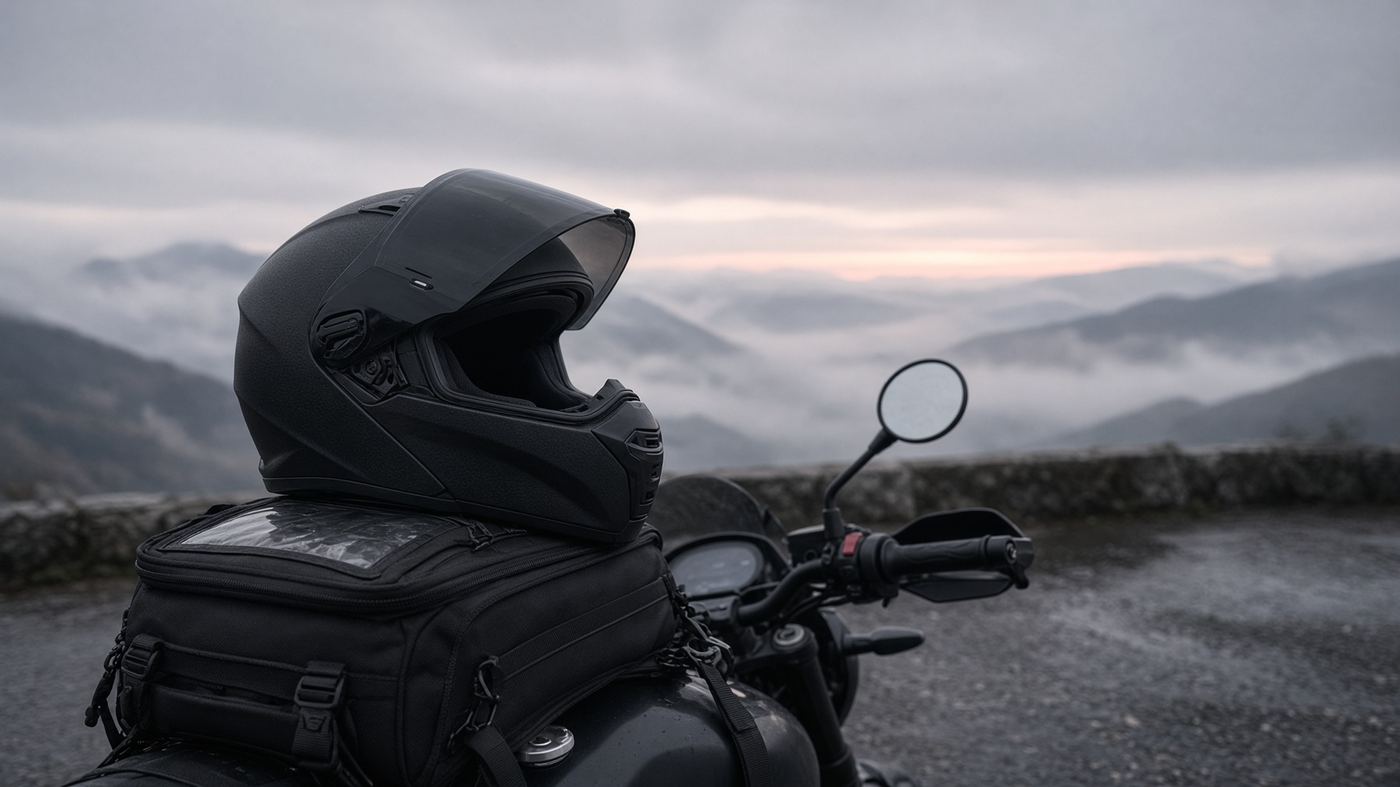
Buy a DOT/ECE modular you can confirm in the cart, with a chin lock you can feel in gloves. Full-face if you never flip. Pack rain gear. Replace after a hit. Check live prices. We do not invent numbers.
Key takeaways
- Confirm DOT/ECE on the helmet in the cart.
- Inspect the hinge like a brake pad.
- Flip at a stop, not at 50.
- Earplugs. Modulars are louder.
A modular motorcycle helmet is a chin bar you can flip at a gas pump without looking like you are unpacking a suitcase — and a hinge you will inspect like a brake pad. “Best” on a listing is often a matte photo and a DOT sticker you cannot see. In 2026 the honest Amazon on-ramp is still a DOT/ECE modular you can confirm in the cart, a visor you can crack with gloves, and a rain layer in the top case because fog is half the modular story.
Short version. Buy a current DOT modular if you want a flip-front for touring and town. Buy a second, simpler modular if you want a spare visor and you will actually wear both. Buy Nelson-Rigg or Frogg Toggs rain gear because a fogged visor is how people lift a chin bar at 40. Pair with motorcycle rain gear and a brain about full-face for sport. Check live prices. We do not invent numbers.
This page is modular. A full-face is quieter and usually safer in a crash. A 3/4 is a sunburn and a bee. Confirm DOT on the listing. If the cart is a novelty “tactical” lid with no standard, walk away.
Who should buy modular, and who should stay full-face?
Modular if you tour, talk at stops, wear glasses, or live in a climate where you want air at a light without removing the helmet. Full-face if you sport-ride, track-day, or you already know you never flip. Dual-sport modulars exist. They are still a hinge. Inspect it.
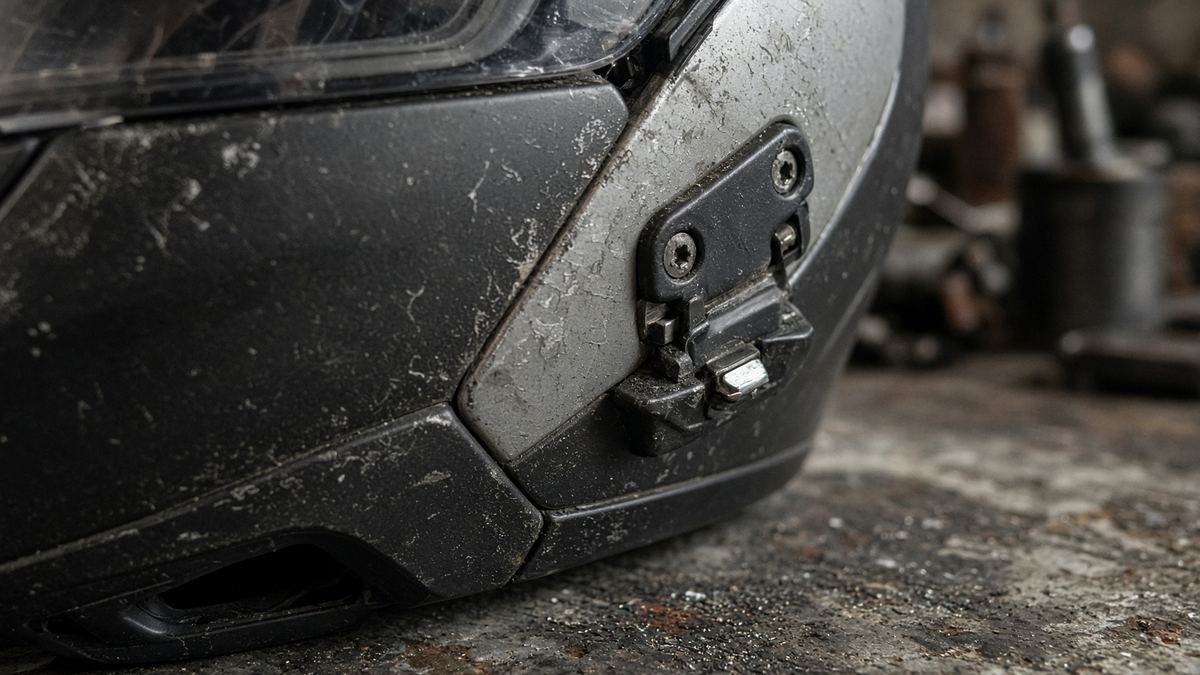
Noise: modulars are louder. A neck skirt and earplugs are part of the product. Fog: pinlock-ready visors help. A chin bar up at speed is a parachute and a ticket in some places. Flip at a stop. Wind on a bike is not a lake, but a gust with the chin open is still a story.
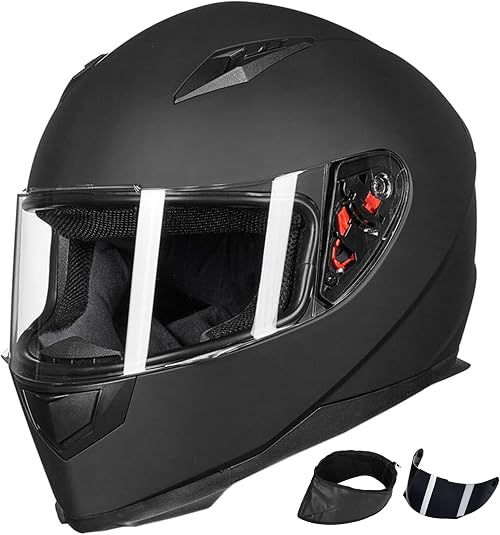
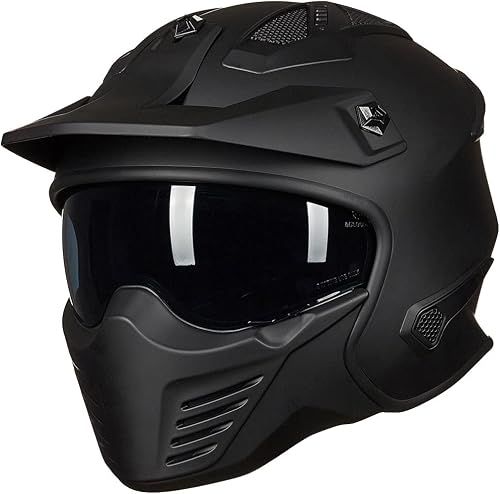
Two Amazon modulars — confirm the sticker
Amazon modular SKUs move. Titles lie. You want: DOT (and ECE if listed), a chin-bar lock you can feel with gloves, a visor you can work, internal sun shade if you commute, a weight you will wear for two hours. If the photo is a dirt-bike mx lid, you are in the wrong aisle. If the price is a novelty, the foam is a novelty.
Fit: helmets are heads, not sizes on a chart. Measure. A modular that rocks is a modular that will hurt. Glasses: try them. A temple that lifts a cheek pad is a hot spot at mile 40. Replace a helmet after a real hit, even if the shell looks fine. EPS does not reset.
Rain gear — because fog is why you bought a flip
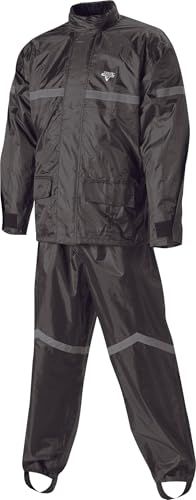
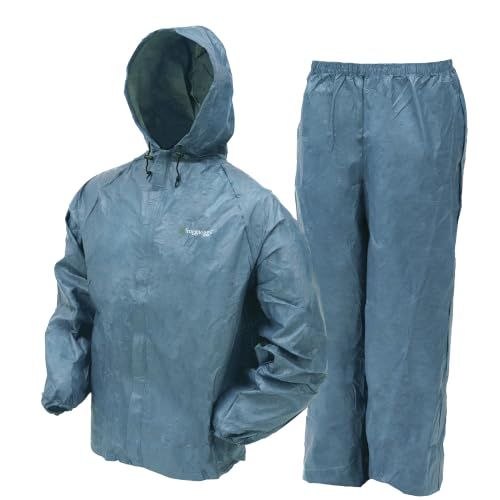
Nelson-Rigg Stormrider is a motorcycle rain suit you can actually wear over textile. Frogg Toggs Ultra-Lite2 is the emergency packable. Neither is a helmet. Both keep the visor from being the only thing between you and a storm. The rain-gear page is the long version. This page is why modular riders still carry a suit.
| Piece | Best job | Watch-out |
|---|---|---|
| DOT modular flip-front | Touring, glasses, town stops | Confirm DOT/ECE. Inspect the hinge. |
| Second modular / spare visor | A spare you will actually use | Fit still matters. Chart sizes lie. |
| Nelson-Rigg Stormrider | A rain suit over textile | Not a helmet. Pack it. |
| Frogg Toggs Ultra-Lite2 | Emergency packable rain | Emergency, not a daily riding suit |
Our pick: a DOT modular you have confirmed in the cart, earplugs, a pinlock if it takes one, rain in the case. Full-face if you never flip. Check live prices. We do not invent numbers.
What modular mistakes look like a hinge you trusted?
A novelty lid with no DOT. A chin bar you flip at 50 because you saw a video. A helmet you keep after a low-side because the shell looks fine. EPS does not reset. Replace it. Rain in the case so you are not riding with the chin cracked in a storm.
Wrong size from a chart. Helmets are heads. A modular that rocks will hurt and will not protect the way a snug lid will. Glasses: try them. Earplugs: modulars are louder. A neck skirt. A pinlock if the visor takes one. Fog is why people buy flip-fronts and then ride them open like a 3/4. Do not.
A full-face you needed and a modular you bought because it looked touring. If you never flip, buy the full-face. The hinge is weight and noise you are paying for. A track day in a modular is a club that will send you home. Listen.
A first touring day that is still a standard
DOT on the lid in your hands, not in a photo. Chin lock you can feel with gloves. Visor you can crack. Rain suit packed. Earplugs. Water. Stormrider if the forecast is a line. Frogg Toggs if it is a maybe. Flip at a stop. Close before you roll.
After a hit: replace. After five to seven years of sweat and UV: replace even if it is pretty. A $90 Amazon novelty is a novelty. A used lid with an unknown crash is a used crash. Buy new. Confirm the sticker. Check live prices. We do not invent numbers. Wear it. Inspect the hinge. That is the helmet.
When modular: touring, glasses, town. When full-face: sport, never-flip, a quieter day. When rain gear: because fog is half the product. A chin bar is not a personality. It is a lock you can feel.
Standards, used lids, and a hinge that is still a part
DOT on the helmet in your hands. ECE if listed. A used lid with an unknown crash is a used crash. A novelty “tactical” helmet is a costume. Rain gear does not replace a standard. A chin bar lock you cannot feel with gloves is a lock you will fumble at a light in the rain.
States and lanes: some places care about the chin bar at speed. Flip at a stop. A parachute at 50 is a story and maybe a ticket. Earplugs are not optional on a loud modular if you like hearing in ten years. A neck skirt. A pinlock. Fog is physics.
Communications: a headset is allowed. A 2-pound brick on a cheap shell is a cheap shell with a brick. Fit the lid first. Add electronics after. A helmet is not a speaker. It is EPS and a hinge. Treat it that way.
When to skip a modular listing
No standard in the spec. A price that is a toy. A dirt-bike MX photo. A used lid. A size from a chart you did not measure. Skip. Buy DOT. Measure. Try glasses. Pack rain. Replace after a hit. Check live prices. We do not invent numbers. Close the chin bar before you roll. That is a modular in 2026, including the novelty lid you did not buy.
Full-face if you never flip. That sentence would have saved a lot of people money and noise. Modular is a touring tool. It is not a personality. Inspect the hinge like a brake pad, every month, because it is a moving part on your head. Then ride. Then flip at the pump. Then close it. Then ride again.
Visors, pinlock, and a night you can still see
A scratched visor is a night you should have replaced it. Carry a spare if you tour. Pinlock if the helmet takes it. A breath deflector. A chin curtain. Fog is why you bought modular, and then you rode with it open like a 3/4 and wondered why your eyes watered. Close it. Crack the visor. Rain on the visor is a wipe you should not do at 70. Slow down. Stop. Wipe. Go.
Sun shade: internal is why commuters like modulars. A flip-down that you can hit with a glove is the product. A sticker on the visor is not a sun shade. Polarized sunglasses under a visor can do odd things with some shields. Try it in a parking lot, not on a westbound at 6 p.m.
Night: a visor you can see through, lights that work, a lid that is not a mirror of scratches. Replace the shield before you replace the whole helmet if the shell and EPS are still in calendar. A $40 visor is cheaper than a $400 lid. Then inspect the hinge anyway, because the hinge is still a moving part on your head. Check live prices. We do not invent numbers. Close the chin bar. Ride. That is the visor lecture, including the novelty dark shield you cannot see through at dusk.
A camera on a modular is extra weight on a hinge. If you mount, follow the maker. A cracked shell from a suction cup is a cracked shell. The video is not worth the EPS. Ride first. Film second, on a mount that is allowed, on a helmet that is still in spec. Then go home with the chin bar closed, because that is still the product.
A last word on a chin bar you close
DOT on the lid in your hands. A hinge you inspect. Flip at a stop. Earplugs. A pinlock if it takes one. Rain in the case. Replace after a hit. Full-face if you never flip. Check live prices. We do not invent numbers. Close it before you roll. That is a modular, including the novelty lid you walked away from.
Measure your head. Try glasses. A chart size that rocks is a chart size you will hate at mile forty. A used lid with a mystery crash is a mystery crash. Buy new. Stay in calendar. A visor you can see through at night is cheaper than a new shell. Then inspect the hinge anyway, because it is a moving part on your head, and moving parts fail, and this one is not a cup holder. It is your face. Treat it that way every month. Then ride. Then flip at the pump. Then close it. Then ride again. Boring. Useful. The whole touring list.
Communications after the lid fits. A camera only on a mount the maker allows. The video is not worth the EPS. A chin bar at 50 is a parachute. Slow down. Stop. Wipe. Go. Fog is physics. Rain is physics. Standards are the product. Everything else is comfort you add after the sticker is real. That is 2026 in a modular, including the 3/4 costume you did not confuse for a helmet.
A last check before a trip: sticker, hinge, visor, rain in the case, earplugs in a pocket. Flip at a stop. Close before you roll. Rain is still rain. Check live prices. We do not invent numbers. Wear a lid that would pass a cop and a crash, not a photo. That is the whole modular list, including the chin bar you closed.
Frequently asked questions
Are modular helmets safe?
A DOT/ECE modular from a real maker is a touring helmet with a hinge you must inspect. A full-face is still quieter and usually the better crash structure. Flip at a stop, not at speed.
DOT or ECE?
You want a listed standard on the helmet you actually receive. If the listing will not say DOT or ECE, do not buy it.
Why do modulars fog?
You open them more, and breath goes onto the visor. Pinlock, a breath deflector, and not riding with the chin cracked at 50 all help.
Can I wear glasses in a modular?
That is a reason people buy them. Try the glasses. A temple that lifts a pad is a hot spot.
When should I replace a helmet?
After a real impact, or when the maker’s calendar says so — often five to seven years of sweat and UV. EPS does not reset because the shell looks pretty.
Modular or full-face for a first helmet?
Full-face if you will sport-ride. Modular if you tour and you will actually use the flip. Cheap novelty lids are neither.