
Adventure Riding Tips for Outdoor Beginners
Written by John Wren|
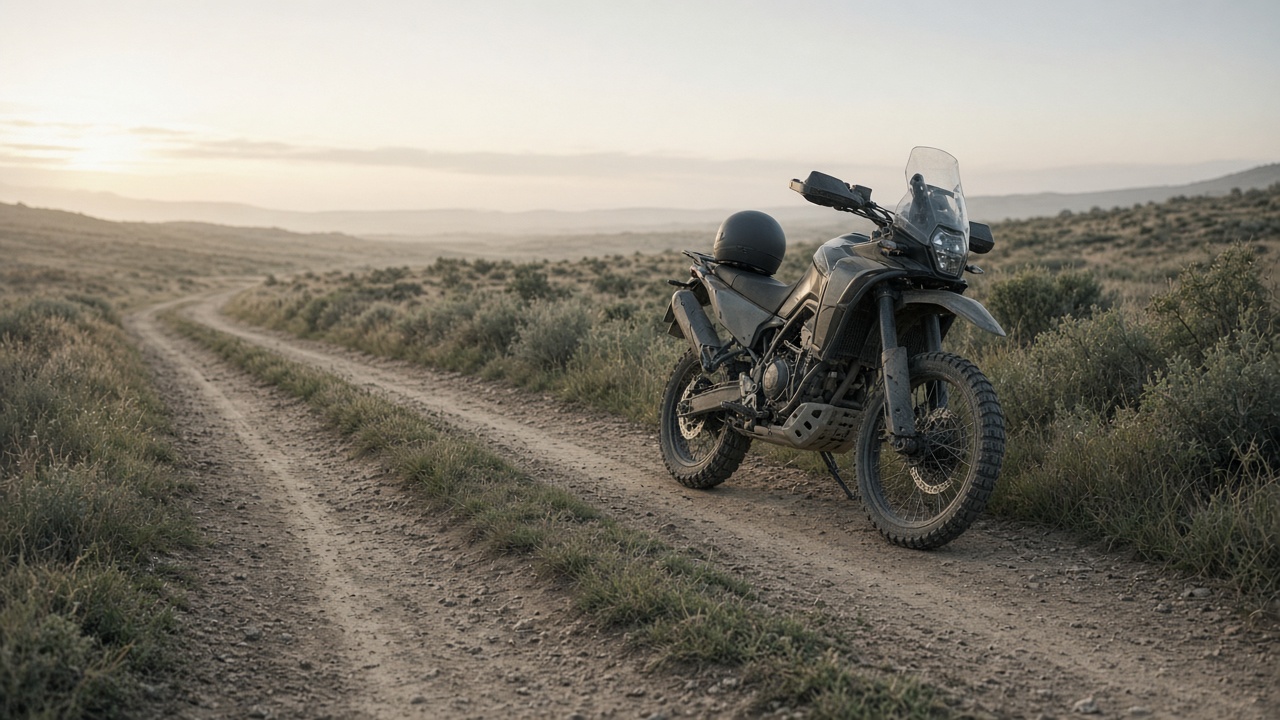
Start with a short loop that has pavement exits. Wear coverage. Ride something you can lift. Pack water, a layer, and offline navigation. Tell someone the line. Go slower than the video.
Key takeaways
- Year one is a loop with exits, not a remote out-and-back.
- If you cannot pick the machine up, it is too much bike.
- Fatigue writes the late-day crash. Eat, drink, stop.
- Do not stack night, mud, and a new machine on the same Saturday.
Adventure riding looks like a passport stamp. Year one is usually a mixed-surface loop that got longer than your fitness and your fuel plan. Pavement, gravel, a dirt connector, a weather change, and one unexpectedly steep chute will teach more than a packing list. In 2026 the beginner job is still: pick a route you can walk if the machine stops, wear real protection, and go slower than your ego wants until the habits are dull.
Short version. Start with a short dirt-and-pavement loop you already drove in a car. Ride a bike or motorcycle you can pick up. Pack water, a layer, and a way to navigate when the phone dies. Tell someone the line and the time. hybrid bikes for beginners if your “adventure” is actually a bicycle. This page is mixed-surface riding judgment, not a bike-shop dump. Check live prices if you later buy gloves or a lock. We do not invent numbers.
You will get tired in places a car never mentioned. Gravel that looked friendly at 25 miles an hour is work at 40. A headwind on a ridge is a fuel problem. The people who look relaxed on those roads have already made the boring mistakes on shorter days.
Routes that teach, not routes that strand
Beginner adventure is a loop with exits. Out-and-back on a single remote two-track is how a flat becomes a night. Look at the map for pavement you can bail onto. Look at daylight, not only mileage. A 70-mile mixed loop with 2,000 feet of dirt can be a bigger day than 120 miles of highway. Time on loose surfaces is the tax.
Walk the ugly parts in your head. If you would not walk out in the clothes you are wearing, the route is too clever. Cell coverage is a bonus, not a plan. Offline maps and a paper backup still earn their keep. A pin you dropped in a parking lot does not help if you cannot read a junction.
Weather is a route choice. Mud season on clay is not “more adventure.” It is a recovery bill. Heat on an exposed grade is a water problem. Cold rain on a long descent is a hypothermia problem in July. Turn around while turning around is still riding, not hiking.
A machine you can pick up and stop
The right beginner bike is the one you can flat-foot at a stop and lift after a polite drop in gravel. Extra horsepower is how people get wide-eyed in a corner they could have walked. Weight that feels planted on the highway becomes a wrestling match in ruts. Ego sizing is the most expensive beginner habit.
Tires that can do both pavement and dirt exist. They are a compromise. Air pressure you never check is how a good tire still feels wrong. Learn the pressure that works for the load you actually carry. A packed rack changes the front. A passenger changes everything. Year one is often a solo education for a reason.
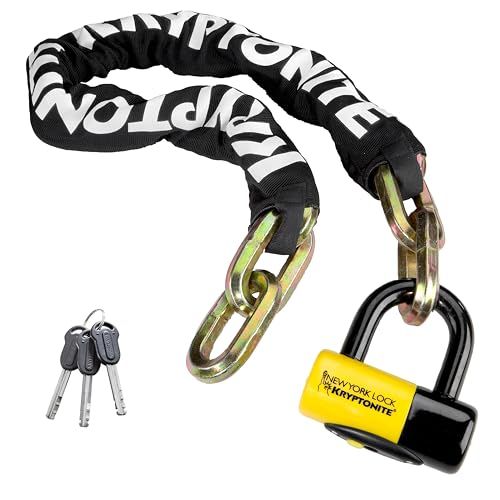
Maintenance is part of the ride. Chain, bolts, lights, and a fuel range you have measured — not the optimistic sticker. If you cannot fix a flat or you have never practiced, stay closer to help. A bike lock if the machine will sit in a town you do not know. A lock is not a riding skill. It is how the day still has a bike at lunch.
Protection and the pace that keeps skin
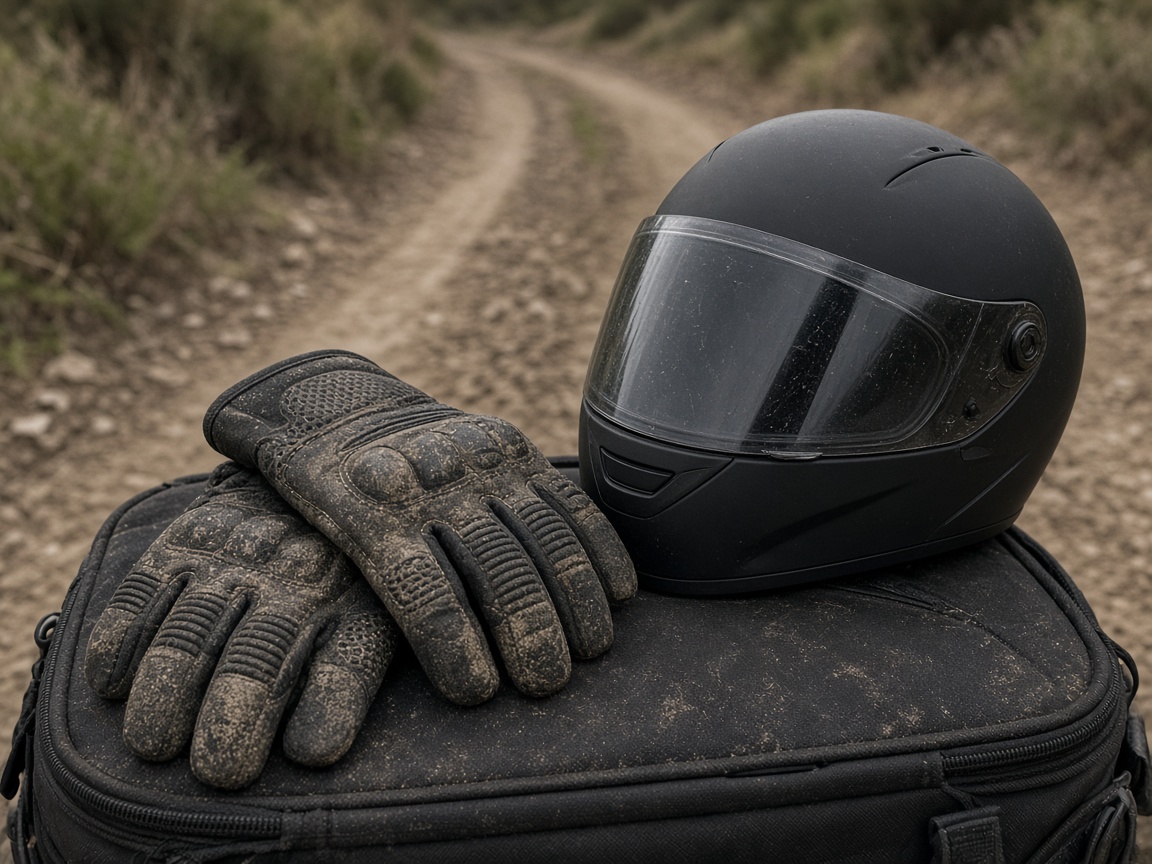
Helmet, gloves, jacket, pants, and boots are the clothes. Mesh fashion and shorts are a hospital story waiting for gravel. You do not need a trophy suit. You need coverage you will wear in the heat. Hydration and vents are how people keep the jacket on. A jacket in a tail bag is not a jacket.
Pace is a skill. Look ahead. Relax the grip. Brake before the loose, not in it. Sit or stand with intent instead of being surprised by the whoop. On a bicycle the same ideas hold: drop the heels, keep the eyes up, and do not grab a handful of front brake in sand. MTB knee pads if the dirt is actually a trail and your knees need pads.
Fatigue writes the late-day crash. Eat. Drink. Stop before you are stupid. A short day you finish with a grin teaches more than a long day you finish with a limp. Beginners often plan like they still have highway energy at hour six. They do not.
A small pack that is not a garage
Water and a compact snack are not optional. A layer that blocks wind on a descent is not optional. A small first-aid kit and a way to start a fire or stay visible if you walk are the unglamorous extras. Tools and a spare tube or plug kit for the tire you actually have. Do not pack a workshop. Pack the failures you have already had.
Navigation that works offline. A power plan for the phone if that is the map. A paper card with an emergency number and the route name. hiking pack essentials if you think like a hiker — the same logic applies when the ride becomes a walk. Adventure riding is still outdoors. Exposure does not care that you started with a motor or a chainring.
Leave room on the bike. A top-heavy bag makes a polite drop worse. Soft bags that do not spear you in a slide are kinder than a castle of hard cases in year one. You can earn the expedition look after the local loops are boring.
Riding with people, riding alone
A patient friend is worth more than a fast one. Agree on regroup points. Agree that no one gets dropped on a descent they did not choose. Radios help. Hand signals help. Silence and a dust cloud do not. If the group is faster than your skills, you are on the wrong ride. There will be another Saturday.
Solo demands a tighter route and a louder check-in. Tell someone the line and the time you will send a text. If the text does not arrive, they should know who to call. That is not drama. That is how adults use dirt roads.
Wildlife, farm dogs, and gravel trucks all get a vote. Slow is how you keep options. A surprise animal is not a reason to target-fixate. Look where you want to go. That sentence works on dirt and in a parking lot.
Weather, night, and the graduate courses
Do not stack a first night ride with a first dirt descent and a new bike. flashlight habits if you need light habits. Lights that work, a shorter loop, and known pavement are how you add darkness later. Cold and wet are layers and a shorter plan. Heat is water and a noon sit in the shade. None of that is cowardice.
Lightning and flooded crossings are walk-away conditions. If you cannot see the bottom of a running crossing, you do not know the crossing. Machines do not float the way people hope. A long way around is a gift.
When the loop is dull, add a slightly longer dirt connector. When the loop still feels like a coin toss, shrink it. That is how beginners become the relaxed people you saw in a photo. Not by buying a taller screen first.
Year one is a loop you can repeat
Pick a mixed-surface loop with exits. Wear the clothes. Ride a machine you can lift. Pack water and a layer. Navigate offline. Tell someone. Go slower than the video. That is adventure riding for outdoor beginners in 2026. The continent can wait. The county road is the classroom.
If the day is actually two wheels without a motor, hybrid bikes for beginners is the gentler on-ramp. If the day becomes a hike, pack essentials and all-day shoes still apply. Check live prices. We do not invent numbers. A finished short loop is the whole point.
The polite drop and the unpolite one
You will drop the bike. Practice picking it up on grass: hip to seat, legs, not a deadlift with a rounded back. A bike you cannot lift on grass is a bike you will leave in a rut. After a drop, stop. Check levers, bars, and whether the engine still wants to be an engine. A polite 5-mile-an-hour tip-over is education. A panic clutch in gravel is a story.
The unpolite drop is speed plus surprise. That is the one protection is for. If you are upright and the bike is in the weeds, your next job is not a photo. It is whether you can ride out or walk out. That is why the route had exits. If the answer is walk, walk. A hero restart on a bent lever is how a short day becomes a long night.
Tell the truth in the check-in text. “I dumped it, I am fine, I am on the paved spur” is a useful message. “All good” from a ditch is how people start searching the wrong ridge. Pride is heavy. The text is light.
Dirt-road manners
Slow for houses, horses, and people walking dogs. Dust is a courtesy problem. A wave costs nothing. A roost for fun is how landowners ask agencies to close the road. Stay on the road or the signed trail. The two-track that looks empty can be a restoration plot or a private cut. Beginners who treat every brown line as a trail become the reason the next map is smaller.
Yield uphill on singletrack if that is the local custom. On a wide forest road, give trucks the room they will take anyway. Stop if a gate is closed. Closed is not a puzzle. If you opened it, close it. Cattle and wildlife do not care that you are on a loop.
Night and headlights: dip for oncoming traffic and do not assume the other driver sees a single motorcycle or bicycle. Bright driving lights that blind a truck are not “being safe.” They are how you earn a bad swerve. Keep the beam honest. Keep the pace below the beam.
Fuel range is manners too. A bike that dies on a two-track because you trusted the optimistic bar is a walk you scheduled. Measure a tank on a known loop. Write the real miles on tape near the gauge. Beginners who treat the last quarter-tank as a buffer become the riders who hitch a can at dusk. Carry a little extra if the country is thin on pumps. Do not carry a jerry that makes the bike a worse wrestler unless you have already dropped the unladen bike and lived.
Kit that belongs here
Named tools only. Check live prices. We do not invent numbers. Disclosure lives on affiliate disclosure.
Also in the magazine
Keep going with hybrid bikes, bike locks, hiking pack essentials, and flashlight habits. We only link pages that already live here. Check live prices. We do not invent numbers.
Frequently asked questions
What is adventure riding for a beginner?
A mixed-surface loop with exits, on a machine you can pick up, at a pace you can repeat. It is not a first-weekend continent crossing.
Do I need a specialized adventure motorcycle?
No. You need something you can lift and stop. Extra size and power are how year-one drops get expensive.
What should I pack?
Water, a wind layer, offline navigation, a way to fix the tire you have, and a check-in plan. Not a garage.
Is this the same as buying a hybrid bike?
Only if the adventure is actually a bicycle. The habits — route, weather, telling someone — still apply.
Should I ride alone at first?
A patient friend is better. If you go solo, shrink the route and make the check-in loud.
When do I add night or mud?
After the local loops are boring. Do not stack firsts.