
Design a Low-Impact Stargazing Site on Rural Land
Written by John Wren|
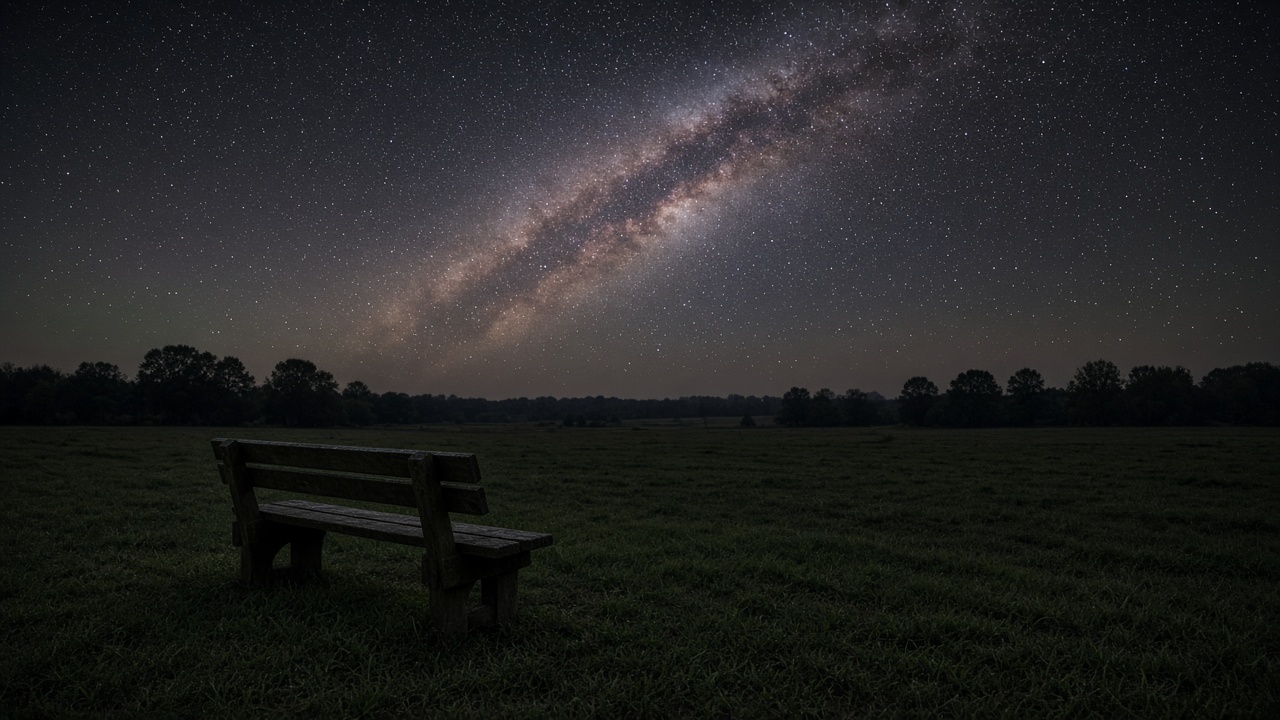
Walk the land after dark, pick the darkest open corner with a route you will actually use, and keep permanent light off the pad. Grass or a little gravel is enough. Store chairs. Shield every fixture that has to stay on.
Key takeaways
- Night-scout for glare; day-scout for holes and slope.
- One maintained path beats three decorative trails.
- Red working light, shielded path light, white only for emergencies.
- Pack the kit away so the clearing stays a clearing.
Rural land is not automatically a dark-sky site. A barn flood, a neighbor’s motion light, or a pale gravel drive can wipe Saturn before you unfold a chair. In 2026 the useful job is still the same: pick a small, quiet patch you can reach after dark, keep permanent light off the pad, and leave the rest of the property alone. You are not pouring an observatory campus. You are making Friday nights easier.
The short version. Walk the land after astronomical twilight. Mark the darkest open corner that still has a usable horizon and a route you will actually walk with a red light. Keep the surface grass, dirt, or a little gravel. Store chairs in a shed. Shield every fixture that has to stay on. celestial navigation is how you use the sky once you can see it. Check live prices if you later buy a chair or a red lamp. We do not invent numbers.
A site that looks secluded at noon can glow after supper. Porch LEDs bounce off metal roofs. Security floods on a far shed still sit in your peripheral vision. Give your eyes twenty minutes in each candidate spot before you decide. The winner is usually an existing clearing behind a building or a tree line — not the farthest muddy corner of the deed.
Find the darkest usable corner, not the farthest one
Daylight scouting is for holes, slope, and poison ivy. Night scouting is for glare. Stand where you think the chairs will go and turn a slow circle. Direct light in the eyeline is worse than a glow on the horizon. A house fifty yards away that is hidden by a barn can be darker than a “remote” fence line that sees the county road.
Southern and eastern sky matter for most casual sessions in the United States — that is where planets and a lot of deep-sky objects spend time above 20 degrees. A northern treeline is often a gift. It hides domestic glow and knocks down wind. Do not cut a healthy oak for two extra degrees of horizon unless that oak is the whole problem. Low-impact means you trim what blocks the route or a critical sightline, then you stop.
Distance from the kitchen is a trade. If the walk is a chore, you will not go out on the one clear weeknight. A closer pocket that sits in the building’s shadow usually beats a heroic hike with a tripod. Guests will thank you when they are carrying blankets, not when they are reciting acreage.
Ground that stays honest after rain
Avoid the pretty low spot. It collects dew, then rain, then mosquitoes. A naturally level patch the size of two recliners and a small table is enough. You do not need to flatten a meadow. If frost heave or soft soil makes a chair list, a few pavers or a short run of three-quarter-inch gravel on geotextile is plenty. Poured concrete is for people who already know they will keep a pier there for years.
Walk the pad in the shoes you will wear at night. Exposed roots and ankle holes disappear in red light. Loose rock becomes a trip the first time someone carries a thermos. Mow or clip only the sitting circle and the path. Leaving a dark buffer of native plants is how the site disappears in daylight and how you avoid turning a quiet corner into a lawn project.
Tripods want firm feet. Test the legs before dark. Keep them out of the walking lane. The first bruise of the season is usually a shin finding a carbon-fiber spike you placed “just for a minute.” If the ground is too soft for three points, skip the scope and use eyes or binoculars from a chair. The sky does not require a mount.
A route you can walk with almost no light
A gorgeous pad is worthless if the approach is an obstacle course. Choose one main route and maintain that route. Do not open three decorative paths across the property. Walk it at night with the same dim light you expect guests to use. Low branches, a sudden step-down, and a narrowing in summer growth are the usual surprises.
Small reflective markers can sit on the side of a confusing turn if they do not face the pad and catch stray beams. A brighter flashlight stays in a pocket for emergencies and animal eyes. It does not stay on during the session. overnight camp essentials is the same overnight logic you already use for a remote camp: water, a layer, and a way to get home if plans change.
Think like a first-time guest. The stump you have stepped around for a decade is not obvious to a cousin with a casserole. If kids will visit, the route also has to work for a shorter stride and a person who will look up instead of down. That is a safety problem, not a style problem.
Control light without pretending you do not need any
Night vision is a budget you spend once. A white flood resets it. Start by switching off fixtures that do not protect a step, a dock, or a driveway entrance. If a light must stay on for security or a relative who gets up at night, shield it, aim it at the ground, and keep it warm and dim. Bare bulbs on a barn wall are the enemy.
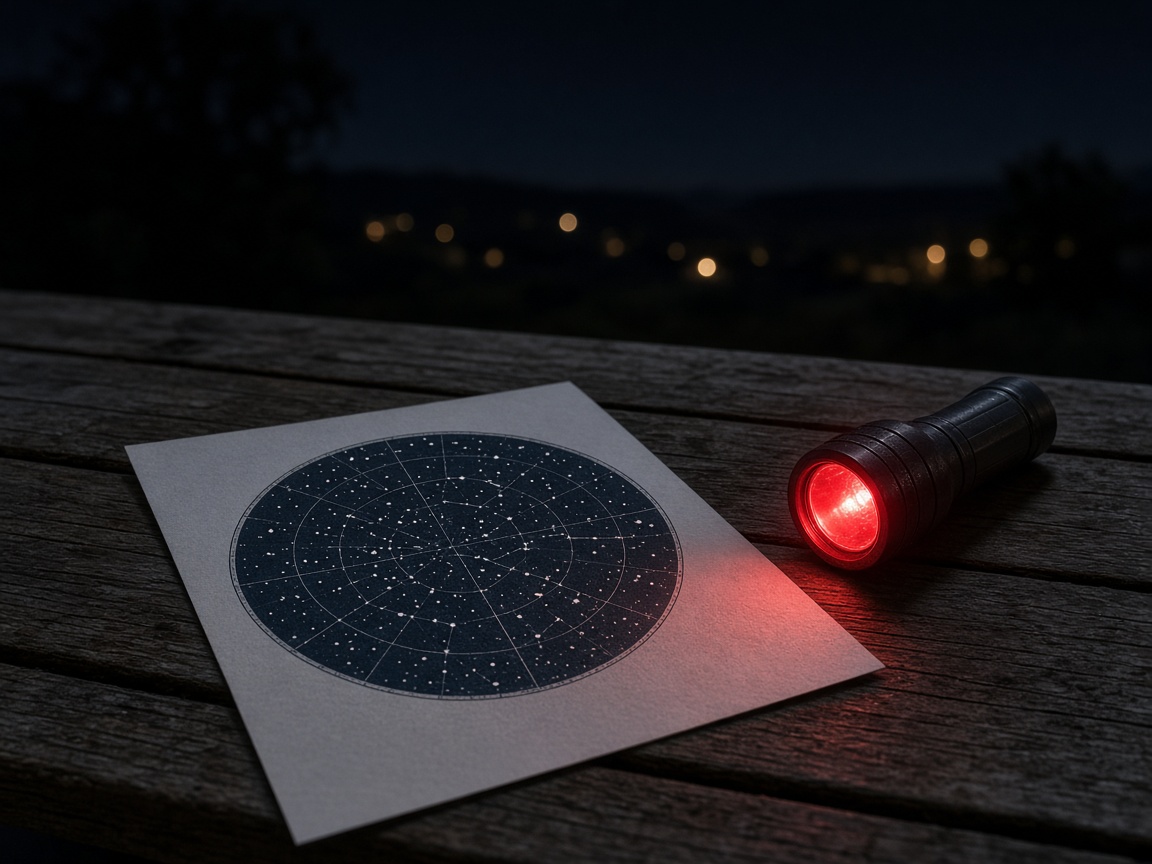
A low-output red lamp is the working light for charts, cameras, and dropped gloves. Put path light only where the route lies. One carefully aimed fixture on a switch thirty feet from the pad beats a string of decorative solar stakes. Solar garden lights often throw a cold puddle that looks harmless and still blooms in peripheral vision.
Motion floods are a special case. They are useful on a side door and hostile on an observing field. If you cannot re-aim them, a shield or a different sensor zone is the fix. Do not “solve” the sky by adding more white light so people feel safe. Solve the path so people can walk it in the dark.
A kit that packs away
Permanent seating invites weather, mice, and a site that starts to look like storage. Movable chairs, a ground cloth, and a small stable surface for mugs and binoculars are enough. A sealed tub in a nearby shed keeps blankets and bug spray from becoming raccoon toys. When the session ends, the pad goes back to being grass.
Recliners beat straight chairs if the session is the Milky Way and not a planetary target at the eyepiece. Place them so people lean back away from building glow. Leave a walking lane. If someone wants a table for a star atlas, keep it low and dark. A bright tablet is a porch light you brought with you. Red night mode helps. Full-bright social media does not.
Clothes matter more than gadgets. Dew and a ten-degree drop will end a session faster than a missing finderscope. A spare layer in the tub is the unglamorous kit. So is water. A long sit is still time outside. Treat it like an evening camp, not like sitting on the deck.
Kit that belongs here
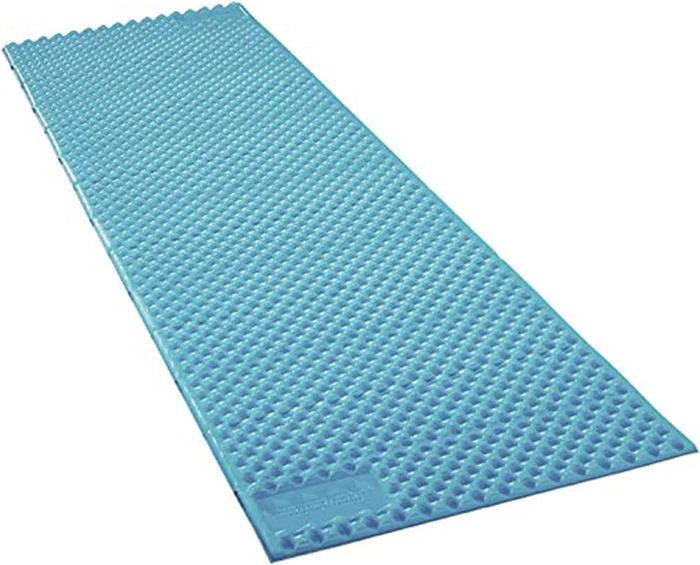
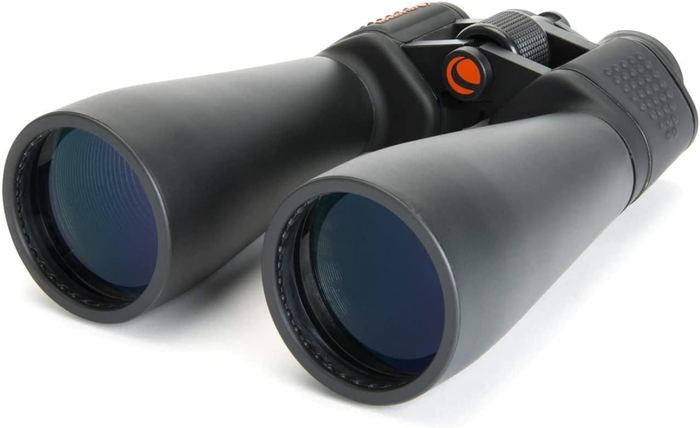
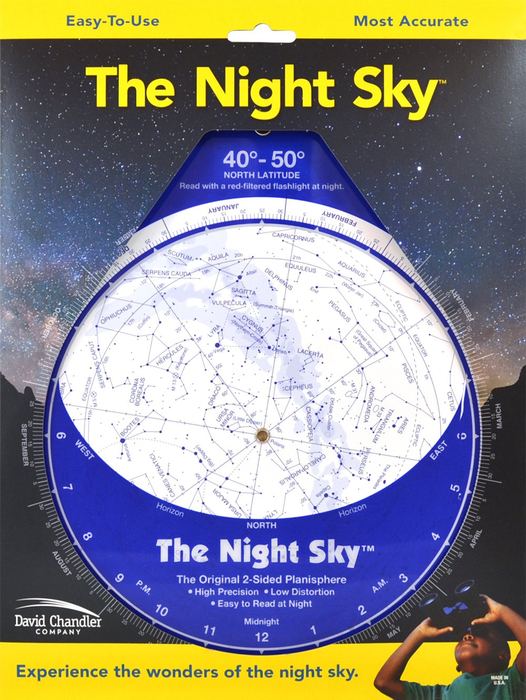
Named tools only, verified live this week. A red-mode headlamp for charts and the walk. A chair that folds into the shed. A foam pad or blanket so dew does not own the sit. Binoculars before a telescope. A planisphere matched to your latitude. Check live prices. We do not invent numbers. Disclosure lives on affiliate disclosure, not as a banner on this page.
The Petzl Tikka is the red-mode lamp we already name on the hunting-headlamp page — phosphorescent reflector so you can find it in the tub, red so you do not reset the sky. The Coleman cooler quad is the chair that actually leaves the shed. The Therm-a-Rest Z Lite Sol is the foam pad that lives in the same tub and doubles as a ground cloth. The Celestron SkyMaster 15x70 is the astronomy binocular — heavy, happier on a simple tripod than waved like a compact 8x. An 8x42 under $200 if you want an 8x42 you will also carry on a ridge. The Night Sky 40°–50° large planisphere is the star wheel for most of the northern United States; there is a 30°–40° edition if you sit farther south. Pick the latitude, not a one-size disc that lies at the horizon.
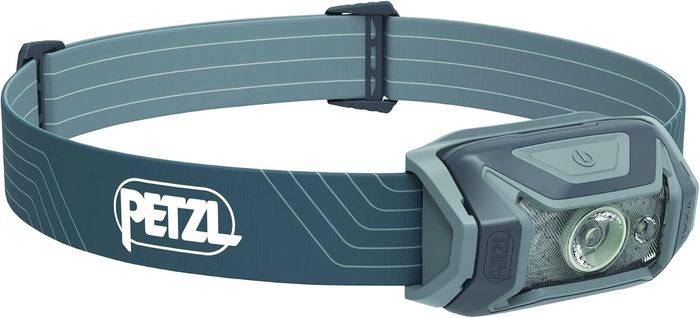
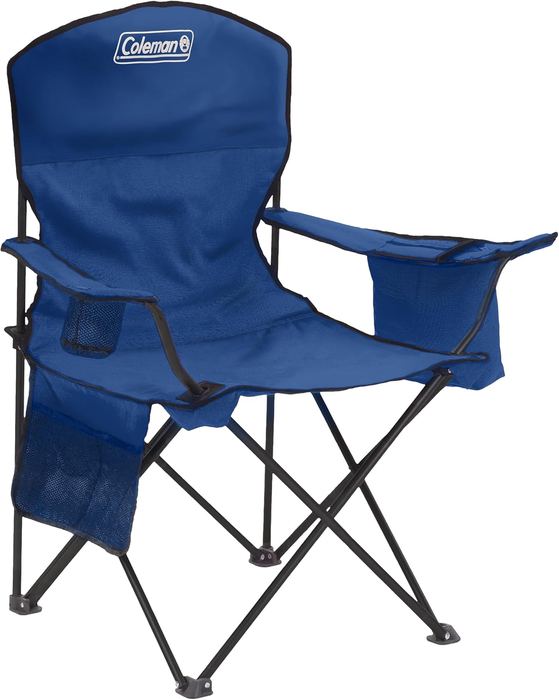
White floods still stay off. A brighter handheld is an emergency in a pocket, not the session light. We are not recycling a flashlight holster ASIN as a lamp. Red on the head, glass in the lap, chair that goes back in the shed.
Seasons, neighbors, and the session that does not happen
Leaf-on in July is not leaf-off in January. Recheck sightlines twice a year. After a storm, walk the route in daylight before you carry glass in the dark. A new widowmaker over the pad is a reason to sit somewhere else for a week. Fallen branches on the path are the ordinary maintenance, not a reason to open a second trail.
Neighbors are part of the sky. A polite conversation about a new security flood often does more than a row of shrubs. You cannot control the county, but you can stop adding your own contribution. If a road glow is the horizon problem, accept that horizon and enjoy the zenith. Chasing a perfect 360 is how people start cutting trees they will miss.
Skip the session when the ground is a skate rink, when lightning is in the area, or when you are too tired to walk back carefully. The sky will be there. A low-impact site is a habit: keep the route passable, keep the light disciplined, keep the pad small. Then a clear night is a chair and a walk, not a construction project.
Hosting without turning the meadow into a venue
One or two extra people is a session. A dozen is a party, and parties bring white light, cars, and voices that carry across a valley. If you host, tell people the light rule before they leave the house. Meet them at the path with the red lamp. Park so headlights do not sweep the pad. That one habit saves more sky than any gadget in the tub.
Pets need a plan. A dog that patrols the dark will find the tripod. A dog that stays on a bed by the chairs is fine. Wildlife already uses the clearing at night. You are a visitor with a thermos. Keep food sealed. Do not leave snacks “for later” on the table. Raccoons will vote.
If you later want a small pier for a telescope you actually use, that is a later decision. Year one is chairs, a path, and light you can switch off. All-day outdoor shoes if the walk from the house is the whole evening on your feet. The pad is not a product. It is a corner of land you refused to overbuild.
Bugs, dew, and the session that ends early
A dark pad in June is also a mosquito pad. A sealed tub that already holds blankets can hold a simple repellent and a head net. Do not spray DEET on optics or on a borrowed chair. Dew will still win the last hour. A small towel for eyepieces and a trash bag to throw over a seat when you step away keep the session from becoming a wet-furniture project. If the bugs are a wall, move closer to a breeze or end the night. The sky will be there when the hatch is not.
Sound carries on rural land. A speaker “for ambience” is a neighbor problem and a wildlife problem. If you want audio, use one earbud at a volume that still lets you hear a coyote or a truck. Most sessions are better quiet. The quiet is part of why you walked away from the porch.
A thermos is more useful than a second gadget. Hot or cold, it keeps people in the chairs. A session that ends because everyone got chilly and thirsty is a packing failure, not a sky failure. Put the thermos in the tub with the layers. Future-you at 11 p.m. is a worse planner than you think.
When a telescope is later, not now
Year one can be eyes and binoculars. A bright pair you already own will show more than a neglected telescope that needs collimation you have not learned. If you add a scope, store it indoors and carry it out. Dew shields and a simple cover matter more than a computerized mount you will fight in the dark. A mount that needs a perfect level is a reason to improve the pad slightly — not a reason to pour a plaza.
Power for cameras and go-to mounts is how a low-impact site slowly grows a cable farm. Keep batteries in the tub. Keep cords off the walking lane. If the hobby becomes astrophotography, that is a later chapter with its own light discipline. The pad’s first job is still a dark, walkable circle. Do not let a hobby cable become a trip hazard you apologize for every clear night.
Also in the magazine
Keep going with Celestial navigation, overnight camp essentials, flashlight habits, and all-day outdoor shoes — field notes that sit next to a dark pad. We only link pages that already live here. Check live prices. We do not invent numbers.
Frequently asked questions
Do I need to pour a concrete pad?
No. Grass, dirt, or a small gravel circle is enough for chairs and most casual sessions. Concrete is for a pier you already know you will keep.
What light should I use at the site?
A dim red lamp for hands and charts. We named the Petzl Tikka because it has a real red mode. Shielded, warm path light only where the route needs it. Keep a brighter light for emergencies, not for the session.
How far from the house should the site be?
Far enough that house glow is blocked, close enough that you will actually walk there on a weeknight. A shadowed near corner often beats a distant wet one.
What kit are you actually naming?
Petzl Tikka, a Coleman cooler quad chair, Therm-a-Rest Z Lite Sol, Celestron SkyMaster 15x70, and The Night Sky 40°–50° planisphere. We verified those live Amazon titles. Check live prices. We do not invent numbers.
What if my neighbor’s flood light ruins the view?
Ask first. Shield or re-aim what you control. Accept a bright horizon and use the rest of the sky if the flood is not yours.
Is this an observatory plan?
No. It is a low-impact habit: one route, a small sitting circle, almost no permanent light, and a kit that goes back in the shed.