
4 Activities That Get You Outdoors in the Winter
Written by John Wren|
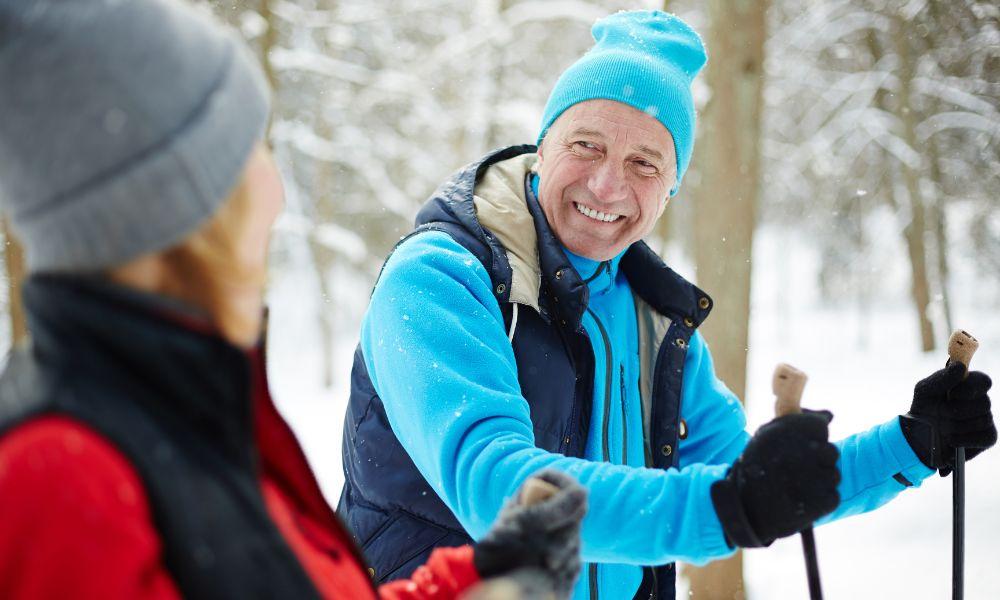
Pick a winter activity matching your fitness level and available terrain — snowshoeing for accessibility, cross-country skiing for a full-body workout, winter hiking for quieter trails, or ice fishing for a relaxed pace. Invest in proper layering and start with shorter, easier outings.
Key takeaways
- Snowshoeing is the most accessible winter activity for most fitness levels.
- Rental gear lets you try skiing before committing to a purchase.
- Proper layering, not cotton, is essential for all winter activities.
- Shorter winter daylight demands more careful trip timing.
Winter does not have to mean a season indoors — cross-country skiing, snowshoeing, winter hiking, and ice fishing each offer a genuinely different way to enjoy the outdoors in cold-weather conditions, and each has a relatively low barrier to entry for beginners willing to invest in the right basic gear and layering approach. The short answer: pick the activity that matches your fitness level and access to appropriate terrain or water, invest in proper layering before anything else, and start with shorter, easier outings before building up to more ambitious winter adventures.
Short version. Cross-country skiing offers a genuine full-body workout with a moderate learning curve and relatively affordable entry-level gear. Snowshoeing is the most accessible winter activity for most fitness levels, requiring minimal skill to get started. Winter hiking demands more careful gear and safety planning than summer hiking but rewards with quieter trails and a genuinely different landscape experience. Ice fishing offers a more relaxed, social winter outdoor activity once you have the basic safety knowledge and gear.
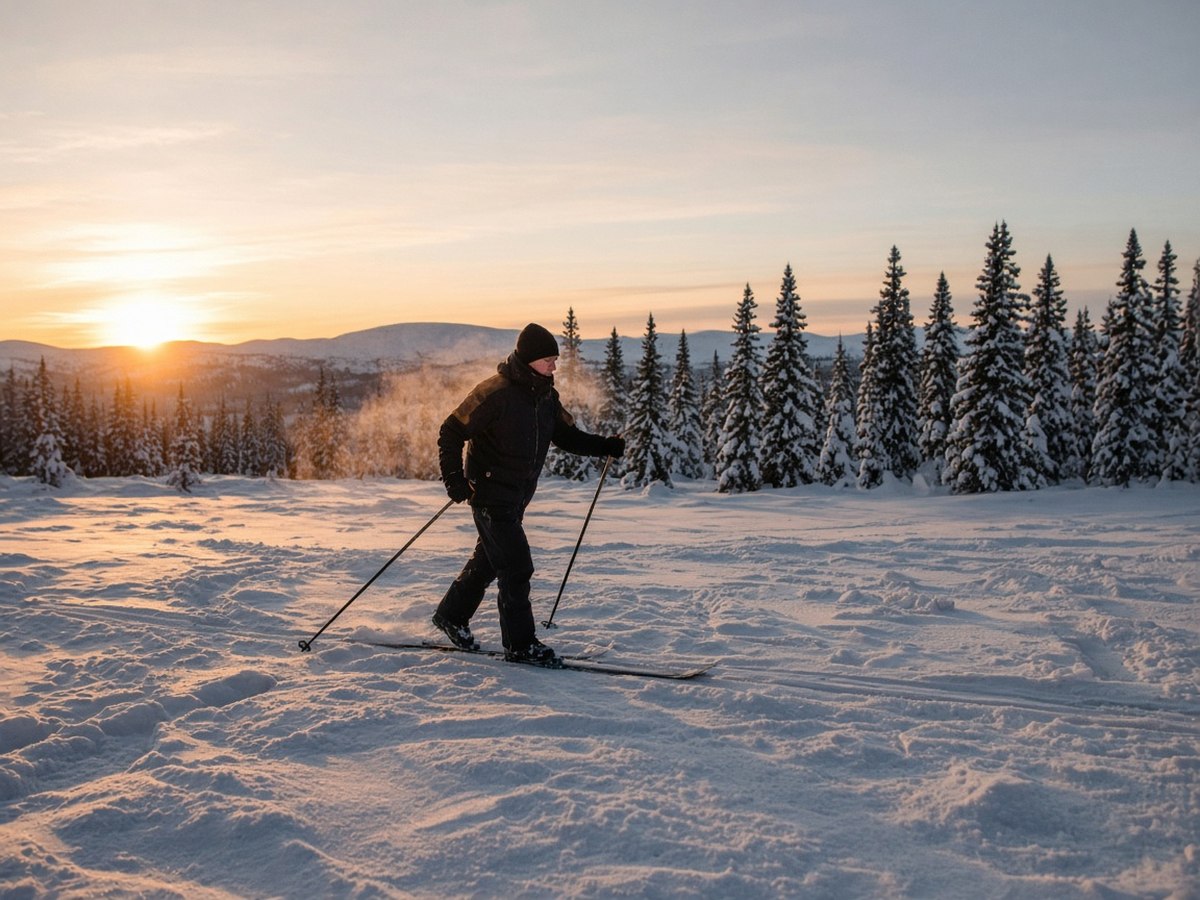
Cross-country skiing: a full-body winter workout
Cross-country skiing provides a genuine full-body cardiovascular workout while covering ground efficiently across snow-covered terrain, and it has a moderate learning curve that most reasonably fit beginners can pick up within a few outings with basic instruction. Entry-level gear is relatively affordable compared to downhill skiing, and many state parks and nature centers groom cross-country ski trails specifically, providing accessible, well-marked terrain for beginners to start on rather than requiring backcountry navigation skills from day one.
Rental equipment is widely available at most cross-country ski areas, making this a low-commitment activity to try before investing in your own gear, and a single lesson or a few tips from an experienced skier at the start dramatically shortens the learning curve compared to figuring out technique entirely on your own.
Snowshoeing: the most accessible winter activity
Snowshoeing requires minimal specialized skill beyond basic walking, making it genuinely accessible to a wider range of fitness levels and ages than cross-country skiing or more demanding winter activities. Modern snowshoes are lightweight and easy to strap on over winter boots, and learning how to use them is mostly bindings, poles, and a slightly wider gait — not a backcountry course.
Many hiking trails that are perfectly walkable in summer become genuinely enjoyable snowshoeing routes in winter, offering a quieter, often more scenic version of a trail you might already know well from warmer months, transformed by snow cover into a genuinely different experience.
Winter hiking: quieter trails, more serious preparation
Winter hiking rewards with dramatically quieter trails, a genuinely different landscape aesthetic, and the crisp, clear air that often accompanies cold winter days, but it demands more careful preparation than the same trail in summer — proper layering, traction devices for icy sections, and a realistic assessment of shorter winter daylight hours all matter significantly more in winter conditions. Pack the same hiking gear you cannot explore a trail without, and use the same habits as hiking alone even on a trail you already know from July. Check trail conditions specifically before a winter hike, since ice, snow depth, and trail marking visibility can all vary significantly from typical summer trail conditions.
Traction devices that attach to winter boots provide genuine grip on icy sections that would otherwise be dangerous to cross, and carrying them even on a hike that starts without obvious ice is smart, since conditions can change significantly across elevation or as the day's temperature shifts.
Ice fishing: a more relaxed, social winter activity
Ice fishing offers a genuinely different pace than the more active pursuits already discussed, providing a relaxed, often social winter outdoor activity centered around patience and, for many, simply enjoying time outdoors with friends or family rather than intense physical exertion. Leave the summer spinning combo in the garage — a short rod and an ice fishing reel handle the ice and the small-diameter line this game actually uses. Basic safety knowledge — confirming ice thickness before venturing out, understanding how ice conditions vary across a lake, and never fishing alone on unfamiliar ice — is essential before attempting ice fishing regardless of how experienced you are with other forms of fishing. If the hard-water side is new, start with what you need to start ice fishing and use those same thickness rules when planning an ice fishing trip. Walleye after first ice is a different sit than panfish; that path is how to get started ice fishing and catch your first walleye.
Layering: the foundation for enjoying any winter activity
All four of these activities demand a genuine layering system — a moisture-wicking base layer, an insulating mid-layer, and a wind and waterproof outer shell — rather than simply wearing heavy cotton clothing that traps moisture and leaves you cold and damp once you start sweating from activity. Cotton is a particularly poor choice for winter outdoor activity specifically because it retains moisture and loses insulating value when wet, unlike synthetic or wool materials that continue insulating even when damp from sweat or light precipitation.
Winter-specific safety considerations across all four activities
Shorter winter daylight hours demand more careful trip timing than summer activities, since an activity that would easily finish with hours of daylight to spare in summer can push dangerously close to dark in winter's shorter days. Carry a headlamp regardless of your planned finish time, tell someone your specific plan and expected return time, and understand basic cold-weather injury signs like frostbite and hypothermia before heading out into any of these winter activities, especially in genuinely cold conditions.
Building a winter gear collection gradually
Start with rental or borrowed gear for cross-country skiing and snowshoeing specifically, since these activities have accessible rental options at most locations that offer them, letting you try the activity before committing to gear purchases. Winter hiking and ice fishing typically require gear you already own or can acquire gradually — proper winter boots, layers, and for ice fishing, basic tackle plus a pair of ice fishing gloves — without needing the specialized equipment that skiing specifically demands.
Making winter outdoor activities work for the whole family
Snowshoeing and short winter hikes are particularly well-suited to family outings, since they scale easily to different fitness and skill levels within a group, letting a family with young children and varying abilities enjoy the same outing together at a comfortable pace. Keep initial family outings short and close to home, with a clear turnaround point and realistic expectations for how quickly young children tire in cold conditions, building up to longer or more ambitious winter outings as everyone develops comfort and stamina for cold-weather activity.
Hot cocoa or warm drinks at a scenic turnaround point, similar to the fall hiking strategy already discussed for other seasons, work just as well in winter to keep younger participants motivated and give the outing a rewarding, memorable highlight beyond simply the exercise itself.
Mental health benefits of winter outdoor activity
Time outdoors during winter months can genuinely help counter seasonal mood changes that shorter daylight hours and colder, greyer weather contribute to for many people, since exposure to natural light, even on an overcast winter day, and physical activity both support mood regulation in ways that staying indoors through the entire winter season does not provide. Building a regular winter outdoor activity habit, rather than hibernating indoors until spring, is a genuinely evidence-supported strategy for managing the mood effects some people experience during darker winter months.
Essential equipment across all four activities
Beyond the activity-specific gear already discussed, a few items serve all four winter activities well: quality insulated, waterproof boots appropriate to the specific activity, warm gloves or mittens with a backup pair in case the first pair gets wet, and a warm hat, since a significant amount of body heat is lost through an uncovered head in cold conditions. Carrying hand and toe warmers as a backup, particularly for less active pursuits like ice fishing where you are not generating significant body heat through movement, is a low-cost way to extend comfortable time outdoors on genuinely cold days.
Transitioning between activities across a winter season
Many winter outdoor enthusiasts find value in rotating between these four activities across a season based on specific conditions — fresh snow favors skiing and snowshoeing, while clear, cold conditions with solid ice favor ice fishing, and a break in the weather with clear trails might be the perfect window for a winter hike. The drive is part of the day: navigating snowy roads is how a lot of otherwise good winter outings actually fail. Building comfort and basic gear across multiple winter activities, rather than committing exclusively to just one, gives you more flexibility to get outdoors regardless of what specific conditions a given winter week presents.
Finding local clubs and groups for any of these activities
Local outdoor recreation clubs, nature centers, and state park programs frequently offer guided introductory sessions for cross-country skiing, snowshoeing, and winter hiking specifically, providing both instruction and a built-in social group for anyone new to these activities or new to a specific area's terrain and trail systems. Ice fishing clubs and local bait shop communities similarly offer a valuable source of local knowledge about current ice conditions and productive fishing spots that would take much longer to learn independently through trial and error alone.
| Activity | Fitness demand | Learning curve |
|---|---|---|
| Cross-country skiing | High — full-body workout | Moderate, benefits from a lesson |
| Snowshoeing | Moderate — accessible to most fitness levels | Minimal — essentially walking |
| Winter hiking | Varies by trail | Low skill, but real safety preparation needed |
| Ice fishing | Low — relaxed pace | Requires genuine ice safety knowledge |
Our take: pick the activity matching your fitness level and available terrain, invest in a genuine layering system before anything else, and start with shorter, easier outings before building toward more ambitious winter adventures. All four activities reward proper preparation with a genuinely enjoyable winter outdoor experience.
Warming up properly after time outdoors
A proper warm-up routine after any of these winter activities — dry clothing changed promptly, a warm drink, and time to gradually re-warm rather than jumping straight into a hot shower that can cause a rapid, sometimes uncomfortable temperature shift — matters as much as the preparation you do before heading out. Keep a dry change of clothes in the vehicle for the drive home after any winter outdoor activity, since damp, cold clothing sitting against your skin during the drive undoes much of the comfort benefit of proper layering during the activity itself.
Making winter a season you look forward to, not endure
Building even one or two regular winter outdoor activities into your seasonal routine genuinely changes how winter feels overall, transforming it from a season to simply endure indoors into one with its own distinct set of enjoyable outdoor experiences unavailable any other time of year. The specific activity matters less than simply getting outside regularly through the colder months, with proper preparation removing the discomfort that keeps many people indoors unnecessarily through an entire season of genuinely enjoyable outdoor opportunity. Try one new activity from this list before winter ends, and the season may start to feel like something to look forward to rather than something to wait out. The gear investment is modest, and the payoff in mood and enjoyment across the darkest months of the year is genuinely significant. Winter is shorter than it feels once you have something outdoors to look forward to each week.
Frequently asked questions
What is the easiest winter outdoor activity to start with?
Snowshoeing requires minimal specialized skill beyond basic walking, making it the most accessible winter activity for most fitness levels and ages.
Do I need to buy expensive gear to try cross-country skiing?
No. Rental equipment is widely available at most cross-country ski areas, letting you try the activity before committing to your own gear purchase.
What should I wear for winter hiking?
A genuine layering system — moisture-wicking base layer, insulating mid-layer, and windproof waterproof shell. Avoid cotton, which retains moisture and loses insulating value when wet.
Is ice fishing safe for beginners?
Yes with proper safety knowledge, including confirming ice thickness before venturing out and never fishing alone on unfamiliar ice. Basic ice safety education is essential before attempting it.
Why does winter daylight matter for outdoor activities?
Shorter winter days mean an activity that would easily finish with daylight to spare in summer can push dangerously close to dark in winter. Plan timing carefully and carry a headlamp regardless.
Can I go winter hiking on trails I already know from summer?
Yes, and many trails offer a genuinely different, often more scenic experience under snow cover, though they demand more careful preparation for ice and shorter daylight than the same trail in summer.