
5 Helpful Tips for Planning an Ice Fishing Trip
Written by John Wren|
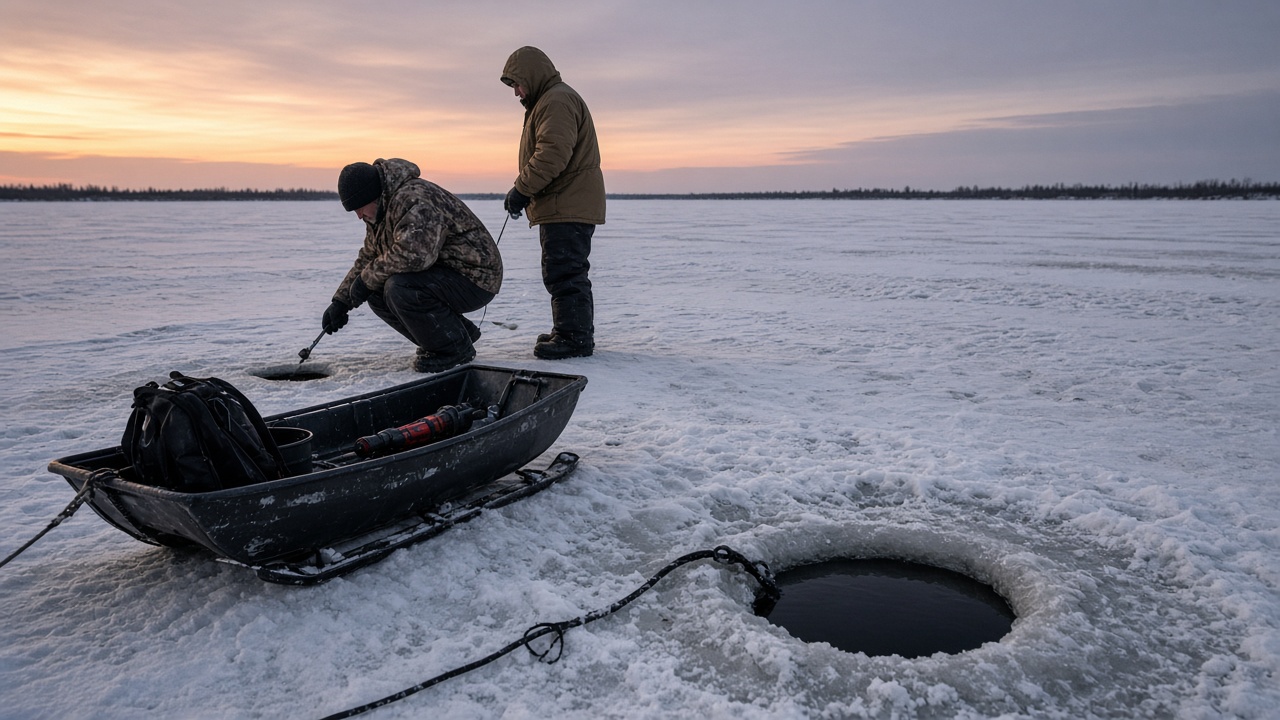
Chip the ice. Set a hut you have already pitched. Open the 150-piece mini kit for auger and hook cuts. Tell someone the hour. Dress for a still sit.
Key takeaways
- Thickness is the plan.
- Shelter needs air and heat you understand.
- Open the kit for the cut you will get.
An ice-fishing plan is ice thickness you measured, a shelter that actually holds heat, and a kit for the cut you will get from an auger or a hook — not a graph you saw in a video. In 2026 the useful five tips are still boring. A graph does not thicken ice. A Saturday you can walk off is the trip.
Short version. Thickness is the plan. Shelter and heat are the day. A kit you opened is the cut. Tell someone the lake and the hour. Dress like you might sit still in a wind. covered skin at a hole if the fingers are the other lecture. the lot is the destination if the lot is the destination. Check live prices.
1. Ice thickness is the plan
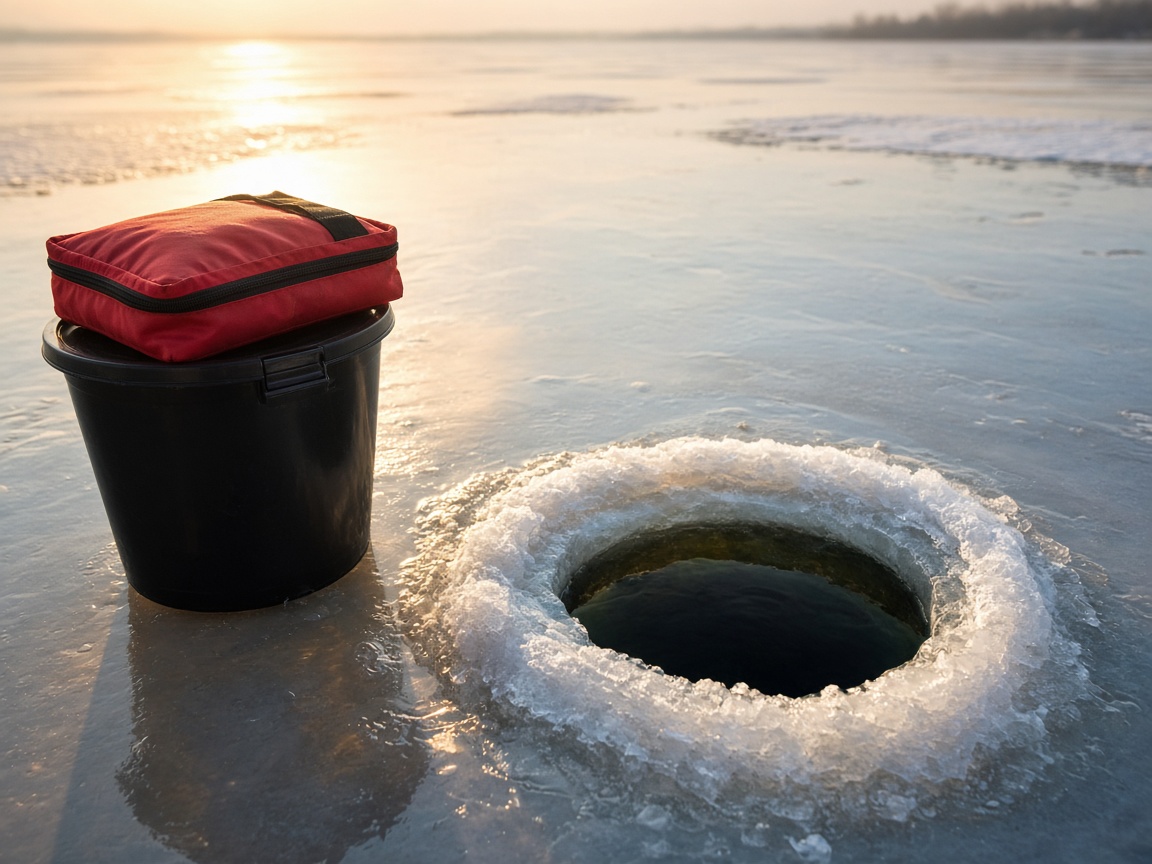
Local reports, a spud, and a hole you drill before you drive a truck onto a rumor. Four inches of clear ice is a walking conversation in a lot of books. A truck wants more, and slush, current, and a pressure crack will lie about the number you liked at the landing. Walk it. Chip it. Do not take a stranger’s “it’s been fine” as a measurement.
A pressure ridge is a maybe even when the basin looks white and kind. Springs and inlets eat ice from below. If you cannot name those on this lake, you do not have a drive-on day. You have a walk from the landing or a different Saturday. leave tank for the walk off if the honest end is the lot with feeling in the toes.
2. Shelter and heat are the day, not a photo hut
Wind on a lake is a different temperature than the town you left. A portable you have already set in the driveway beats a cathedral you fight at 8 a.m. with a line of judges. Heat you can name — a unit you have lit at home, vents you will not block — is the shelter’s other half. A sealed box and a stove you do not understand is a carbon-monoxide story. The skill is air and a plan to leave if anyone gets a headache.
A sled that carries the hut, the seats, and the dry bag is the pack. the hatch that carries the sled if the hatch is how this kit arrives. Do not bury the picks and the throw rope under a cooler of soda. Those are the first things a tired hand should find if someone goes through.
3. A kit for a cut — open it at the table
A 150-piece mini kit covers a blister and a bleed. Open it at the table. Check live prices.
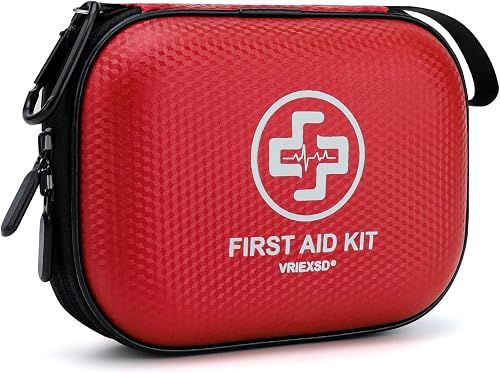 M0-Piece Mini First Aid KitCheck price on Amazon
pressure on a cut is the longer bleed-and-wrap card. On the ice the kit lives in the sled pocket you can reach without unpacking the hut. Blood on snow looks worse than it is and still wants pressure you mean. Eyes and a hole you already trust are fishing. A screen is a hobby.
4. Tell someone the lake and the hour
A check-in is the fourth tip. Landing, which basin, when you will be off. Ice that was kind at 10 a.m. is a different walk at 4 p.m. when the slush starts and the light dies. A partner is better. A text from the last bar of service is the minimum. a check-in is still a check-in if you are also the person who hikes alone and already knows that sentence.
Picks around your neck. A rope you have thrown once in the yard. If someone goes through, you do not become the second hole. That is a class some clubs still teach. The landing is allowed to be the whole day if the report is messy.
5. Dress like you will sit still
Cotton is a lecture. A damp glove is a white finger. feeling gone is a turnaround if the stop to bait a hook is the stop that steals a fingertip. Covered skin while you kneel at a hole is the same mountain lecture in a flatter place. A dry spare in a bag that is not the wet-fish bag. Boots you can walk the landing in, not fashion foam that soaks at the first slush. boots you can walk the slush in if the other half of the year is the pair you already trust on dirt.
That is five. Thickness. Shelter and heat. A kit for a cut. A person who knows the hour. Clothes for a sit. Check live prices on the kit we named.
The group will try to write your thickness
A faster sled is not a better measurement. A group that drives onto a rumor because last Saturday was fine is not your group. Say the number you chipped. Say the ridge you will not cross. If the answer is laughter, walk from the landing or leave. The ice will still be there with people who like their trucks and their femurs. The lot is still the destination if the plow has not been to the landing. A two-track luge with a hut on the roof is a recovery you will not like.
Kids on ice need a shorter sit and a snack that is not a basin. A child who is cold and done at forty minutes is a successful first day if you turn around. Dragging them to a pressure crack for your old hole is how they hate winter. Bring the loop down to their tank. Yours has to drive. Leave something in it.
Dogs on ice are a legal question and a geometry question. A dog that runs to a hole is a dog you have to ID and a dog that can go through. Leave them home if the day is already a first thickness day. The hike-car dog page is the paved cousin. Ice is not kinder.
The hole is a classroom, not a graph
Eyes, a jig you already know, and a hole you drilled after you chipped are fishing. A screen full of marks is a hobby. If you do not have a graph, you still have a trip. If you have one we did not name, keep the puck honest and the hut vented. A dark screen is often a bank you left in a cold sled, not a reason to buy a second unit at the landing.
The 150-piece mini kit we named is for the cut the auger and the hook will give you. Check live prices. Blood on snow is a clock and a stain. Pressure you mean. Then the wrap you practiced at the table. The first-aid card is the longer bleed lecture. On the ice the kit lives in the sled pocket, not under a cooler of soda. A sealed box you have never opened is a box. Dates inside it are the inspect. Gloves that powdered themselves are not gloves.
Picks around the neck are not a costume. A rope you have thrown once in the yard is a rope. If someone goes through, you do not become the second hole. That sentence is a class some clubs still teach. The landing is allowed to be the whole day if the report is messy. Walking away is still the skill.
The five-tip ice card
Chip the thickness. Shelter with air and heat you understand. Open the 150-piece mini kit for the cut. Tell someone the lake and the hour. Dress for a sit — covered skin while you kneel. Boots you can walk the slush in. Write the inches you chipped on a card in the dash. Tired you will lie about last weekend. Tape will not. A pressure ridge you already named is a ridge you will not drive because a stranger waved you on.
A forecast that was rain at the house can be slush at the landing. Read the wind. A webcam at 5 a.m. is stale at 11. Build a turnaround that still gets you off before the slush starts and the light dies. Night plus a packed landing plus a rumor of thickness is how outdoor people meet a hole they cannot walk away from. Tell the person at home when you are down. An ice day that goes quiet is a search that starts cold.
Cotton is a lecture. A damp glove is a white finger. A dry spare in a bag that is not the wet-fish bag. Heat in a hut is air you can name and a leave if anyone gets a headache. The skill is vents and a plan. A sealed box and a stove you do not understand is a carbon story. Sit in the driveway and pitch the portable once. Left and right poles are not a vibe. A Saturday that starts with that pitch ends with fishing, not a hardware-store detour at the landing when the line of judges is already a mood. If a line fails — a pole, a zipper, a stove you will not light — that line is the only errand. Do not invent a new graph because the hut leaked. Tape the leak. The 150-piece mini kit is one line on the list — open, replace, close. Check live prices. Then you may load the sled. Then you may chip. Then the ice is ice, not a rumor you already owned.
Public land and a private lake are different papers. A club hole is a permission you can show. A WMA access is a PDF. Public dirt is a list in another season; public ice is a list this season. Read it. A cousin’s verbal “yeah go ahead” is thinner at a landing with an officer. Be the person with paper. Wave if you meet another sled and you both still have time to be decent. Ice is when people get territorial because they cannot see the buffer. Give more buffer than a July boat ramp. If you can hear their radio, you are too close unless the basin forced you there. Leave. The fish is not worth a person. The five tips still win: thickness, shelter, a kit for a cut, a check-in, clothes for a sit. Keep them. The flasher cart can wait. The ice cannot wait if you already knew it was thin.
Also in the magazine
Keep going with snow roads to the landing, frostbite prevention, field first aid, and repeatable winter days. Check live prices.
Frequently asked questions
What are the five ice-fishing planning tips?
Measure thickness, bring shelter and honest heat, open a kit for cuts, tell someone the lake and the hour, and dress for a sit in a wind.
Which kit should I buy?
Adventure Medical Kits 150-piece mini kit. Open it at home. Check live prices.
Do you name a flasher or graph?
No. Thickness and a hole you trust are the plan.
How thick does the ice need to be?
Walk it and chip it. Books talk about inches. Current, slush, and a ridge will lie. A stranger’s “it’s fine” is not a measurement.
What about a heater in a hut?
Air and a unit you have lit at home. A headache is a leave.
Do I need a partner?
A partner is better. A check-in with a landing and a time is the minimum.