
Burris Eliminator 3 Scope Review (2026)
Written by John Wren|
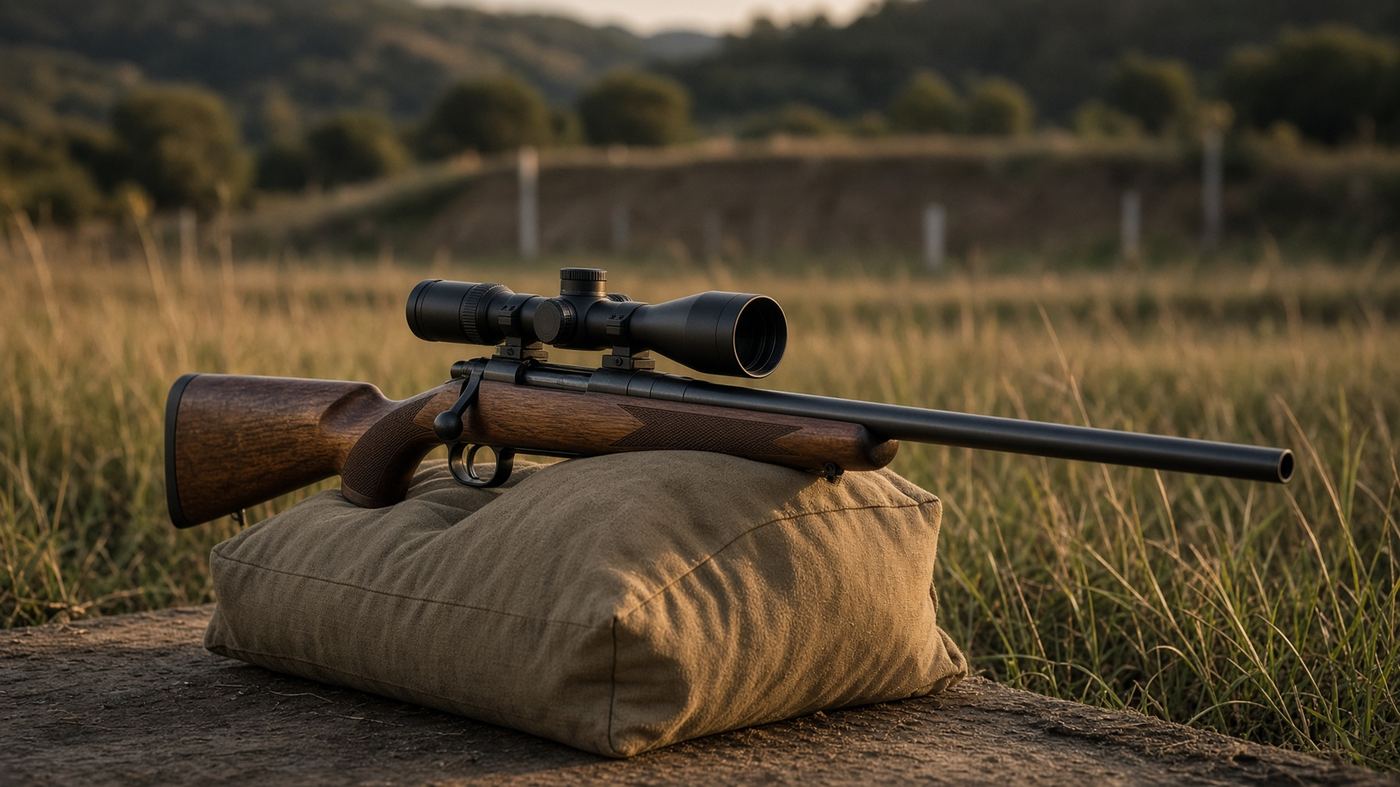
Buy a Burris Eliminator if you hunt open country and will practice ranging in the optic. Buy a Leupold VX-3i or Vortex Viper if you already use a handheld and hunt closer timber. Zero on a rest. Check legalities of hunting lasers.
Key takeaways
- The laser measures. You still zero.
- Practice the buttons in gloves.
- Bulk and batteries are the tax.
- Timber often wants simpler glass.
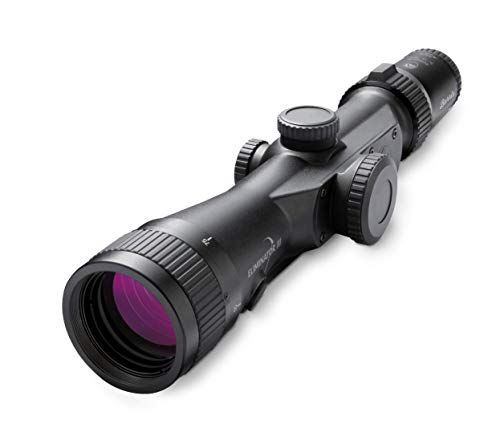
The Burris Eliminator 3 is a hunting scope with a laser rangefinder in the saddle: range the animal, get a holdover or a lighted aiming point, and shoot a distance you actually measured instead of a distance you guessed from a tree. In 2026 that is still a real job. It is also batteries, a laser you have to keep legal, and a bulkier tube than a plain hunting scope.
Short version. Buy an Eliminator if you hunt open country where a 40-yard error is an unethical miss and you will practice the buttons in the off-season. Buy a Leupold VX-3i or Vortex Viper if you want a simpler hunting scope and you already range with a handheld. Pair with a rest when you zero. Check live prices. We do not invent numbers.
Long-range scopes is the precision-rifle page. This page is a hunting optic that ranges. Night hunting is lights and law, not this laser.
How does the Eliminator actually earn a mount?
You still zero. You still know your drop. The laser is a rangefinder that talks to the reticle. If you cannot run the buttons in gloves, you bought a gadget you will not use on the one mule deer that stands at 340. Practice at the range until the sequence is boring. A first-time Eliminator on a paid hunt is how you own a story about menus.
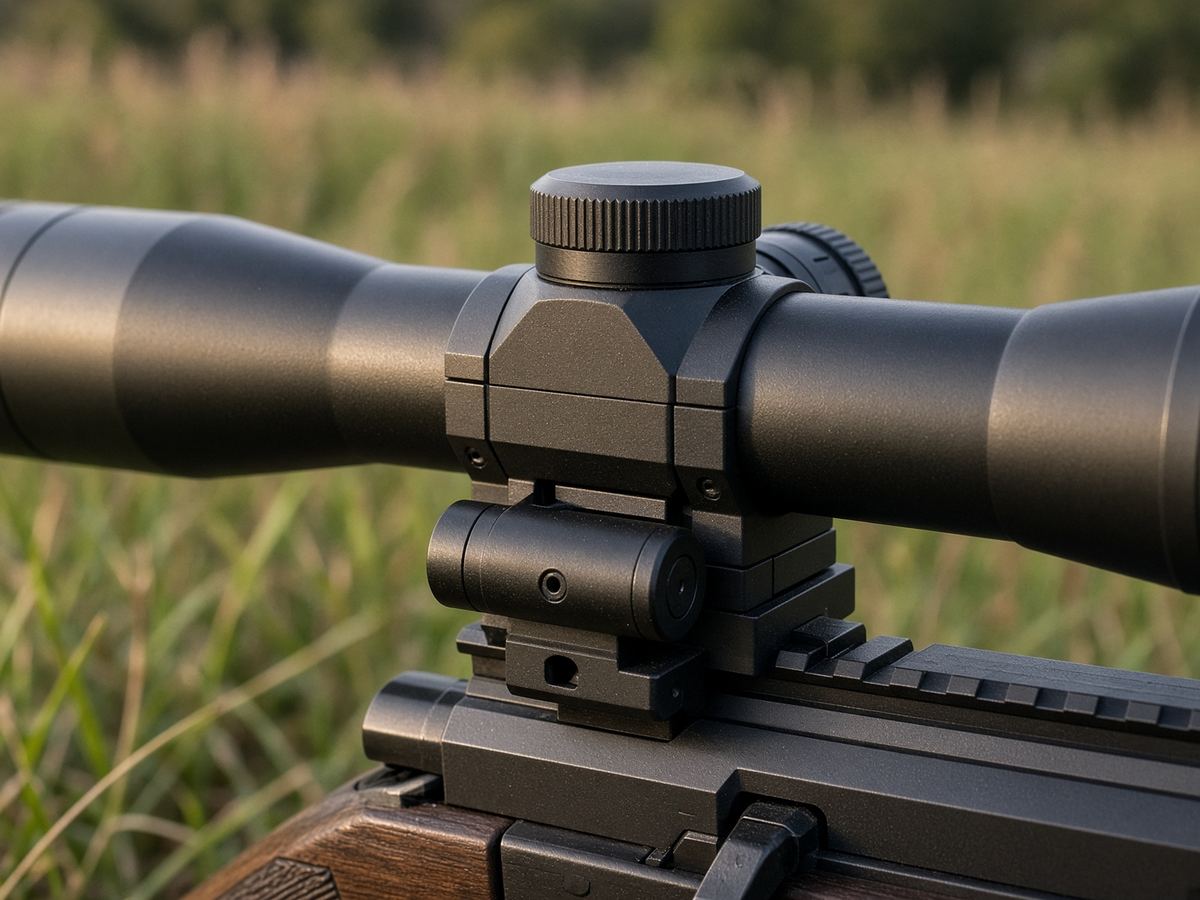
Bulk and weight: it is more scope than a 1-pound VX. That is the tax. Mount it with rings that match the tube, a base that does not flex, and a cheek weld you can repeat. A canted rifle with a laser hold is still a miss. Level it.
Burris Eliminator — when the laser is the point
Eliminator 3 and the later Eliminator-class SKUs are the same idea: range in the optic. Battery in the saddle. A display you must be able to see at dawn. If the listing is a different generation, read the generation. Buttons move. Software moves. The job does not.
Ethics: a laser does not make a 500-yard poke on an animal you have not practiced into a good idea. It makes a 280-yard shot a measured 280 instead of a hoped-for 200. That is the adult use. Know your state rules on hunting with lasers. Some places care. The optic is not the lawyer.
Leupold VX-3i and Vortex Viper — when you already carry a rangefinder
If you already range with a handheld and you hunt timber where 80 yards is a long poke, a simpler scope is less to fail. VX-3i is the hunting classic. Viper is the warranty-and-glass all-rounder. Either one plus a rangefinder in the pocket is the other system. Do not buy Eliminator to skip learning drop. The laser still needs a zero.
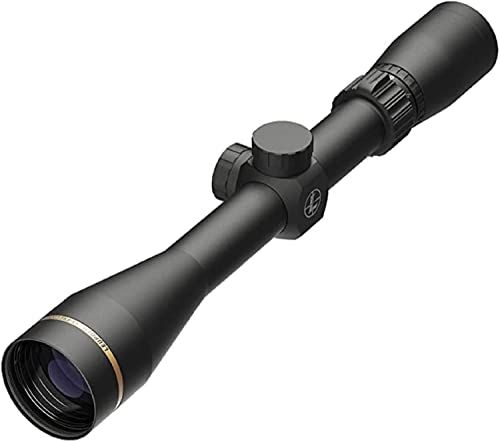
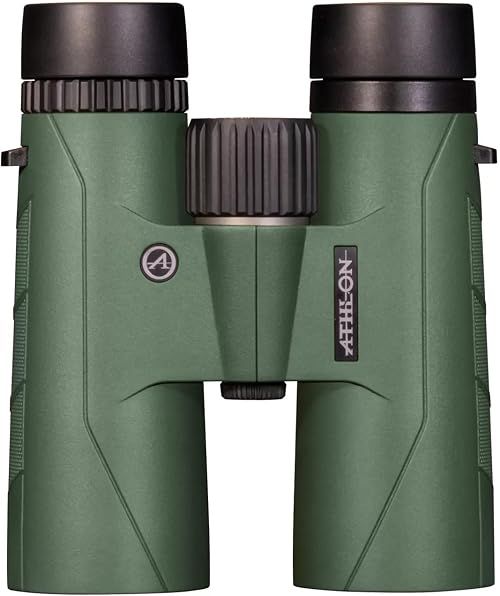
| Scope | Best job | Watch-out |
|---|---|---|
| Burris Eliminator 3 | Open-country hunting with ranging in the optic | Batteries, bulk, practice the buttons |
| Later Eliminator SKU | Same job, newer buttons | Read the generation |
| Leupold VX-3i | Simple hunting glass | Range with a handheld |
| Vortex Viper | Hunting all-rounder | Not a laser saddle |
Our pick: Eliminator if open country is the hunt and you will practice. VX or Viper if timber is the hunt and you already range. Zero either one on a rest. Check live prices. We do not invent numbers.
What Eliminator mistakes look like a menu at 340 yards?
First use on a paid hunt. The buttons are a skill. Practice until you can range, get the hold, and still have a trigger press. Gloves on. Dawn light. If you cannot do it on a square range, you will not do it on a mule deer. A simpler hunting scope plus a handheld rangefinder is faster for some people. Honesty is a caliber.
Dead battery as a personality. Carry a spare. Know what the optic does when the laser is dead — it should still be a scope with a reticle you zeroed. If you cannot shoot it as a plain scope, you never learned the drop. The laser was a crutch. Crutches snap.
Illegal laser use. Some states care about hunting with lasers. Read the regs. The saddle is not a lawyer. Night hunts have their own light rules. Do not mix them up.
A zero day that makes the laser useful
A rest, a level, a 100-yard zero or whatever the manual says, then confirm at a distance you will actually hunt. If you will shoot 280, confirm 280. A 100-yard zero you never stretched is a theory. Take notes. Do not trust a single three-shot group in a full-value wind.
Mount: rings for the tube, a base that does not oil-can, a cheek weld you can repeat with the extra saddle height. Eliminator sits differently than a slim VX. Your comb might need a pad. A canted rifle with a perfect laser range is still a miss left or right.
When to skip: timber, 80-yard shots, a rifle that lives in a scabbard that will hammer a bulky saddle. When to buy: open country, ethical distance that is still your distance, a willingness to practice. Check live prices. We do not invent numbers. Precision glass is a different sport. Eliminator is a hunter’s rangefinder that happens to be a scope.
What we skipped: generation-by-generation button maps that will be wrong next SKU. Read the manual that arrives in the box. Our job is the idea: range in the optic, or do not, on purpose.
Two-optic kits are rare: Eliminator on the open-country rifle, a simple VX on the timber rifle. That is not excess if you hunt both. It is matching the country. One Eliminator on every rifle is how you own bulk in a thicket.
Gloves, dawn light, and a laser you have already bored yourself with
A rest, a level, a 100-yard zero or whatever the manual says, then confirm at a distance you will actually hunt. If you will shoot 280, confirm 280. A 100-yard zero you never stretched is a theory. Take notes. Do not trust a single three-shot group in a full-value wind. A cold-bore confirmation if that is how you hunt. A 0.5-inch three-shot group after the barrel is a torch is not a cold-bore hunting zero.
Mount: rings for the tube, a base that does not oil-can, a cheek weld you can repeat with the extra saddle height. Eliminator sits differently than a slim VX. Your comb might need a pad. A canted rifle with a perfect laser range is still a miss left or right. Torque. A recceck after a travel day. A zero that “always shifts after the truck” is a mount until proven otherwise.
First use on a paid hunt is the classic Eliminator mistake. The buttons are a skill. Practice until you can range, get the hold, and still have a trigger press. Gloves on. Dawn light. If you cannot do it on a square range, you will not do it on a mule deer. A simpler hunting scope plus a handheld rangefinder is faster for some people. Honesty is a caliber. Dead battery as a personality: carry a spare. Know what the optic does when the laser is dead — it should still be a scope with a reticle you zeroed. If you cannot shoot it as a plain scope, you never learned the drop. The laser was a crutch. Crutches snap.
Illegal laser use. Some states care about hunting with lasers. Read the regs. The saddle is not a lawyer. Night hunts have their own light rules. Do not mix them up. The listing is not the law. Ethics: a laser does not make a 500-yard poke on an animal you have not practiced into a good idea. It makes a 280-yard shot a measured 280 instead of a hoped-for 200. That is the adult use.
Open country vs timber, and the other optic you might actually want
When to skip: timber, 80-yard shots, a rifle that lives in a scabbard that will hammer a bulky saddle. When to buy: open country, ethical distance that is still your distance, a willingness to practice. Check live prices. We do not invent numbers. Precision glass is a different sport. Eliminator is a hunter’s rangefinder that happens to be a scope. VX-3i is the hunting classic. Viper is the warranty-and-glass all-rounder. Either one plus a rangefinder in the pocket is the other system. Do not buy Eliminator to skip learning drop. The laser still needs a zero.
What we skipped: generation-by-generation button maps that will be wrong next SKU. Read the manual that arrives in the box. Our job is the idea: range in the optic, or do not, on purpose. Two-optic kits are rare: Eliminator on the open-country rifle, a simple VX on the timber rifle. That is not excess if you hunt both. It is matching the country. One Eliminator on every rifle is how you own bulk in a thicket.
Batteries, bulk, and a display you must be able to see at dawn are the tax. If the listing is a different generation, read the generation. Buttons move. Software moves. The job does not. For the shot you are set up for, the optic replaces a handheld. For scouting and judging a stalk, many people still carry a handheld. The optic ranges what you are aiming at. A deer you have not settled is not a laser problem. It is a patience problem.
Replace the scope when tracking is a rumor, when the laser is a dead diode, when the tube is a dent a ring caused. A hunting optic is a tool. It dies. Hunt the last season as a backup, not as the only glass on a paid week in mule deer country. Zero it. Practice the buttons. Level it. Check the law. Then hunt. That is an Eliminator in 2026, including the version where you bought a VX instead and ranged with a handheld you already owned.
A field-position check after the bench zero: sitting, pack, kneeling. If the group becomes a pattern, you learned something about hunting. The laser did its job. You still have to shoot. Glasses on. A rangefinding scope is not a reason to skip eyes. A rest is not a hunting position. Confirm both.
Fog, rain on the objective, and a display you cannot see at dawn are why you still know your drop. A laser is a fair-weather friend if you never practiced the reticle as a reticle. Wipe the glass. Carry the spare battery. If the country is timber, a VX and a handheld will fail less often than a saddle you never click. Check live prices. We do not invent numbers. Open country, practiced buttons, a level, a rest, then the hunt. That order is the Eliminator. The other order is a menu at 340 yards.
Frequently asked questions
Is the Burris Eliminator 3 worth it?
If you hunt open country and you will practice the ranging sequence, yes. If you hunt thick timber at 60 yards, a simpler scope plus a handheld rangefinder is less to fail.
Does it replace a handheld rangefinder?
For the shot you are set up for, yes. For scouting and judging a stalk, many people still carry a handheld. The optic ranges what you are aiming at.
Do I still need to zero?
Yes. The laser does not skip ballistics. Zero, confirm, practice. A dead battery is a plain reticle if you still know your drop.
Is hunting with a laser legal?
Depends on the state and the use. Check your regulations. The listing is not the law.
Eliminator or a long-range tactical scope?
Eliminator is a hunting rangefinding scope. A 5-25 FFP precision scope is a different sport. See the long-range page.
What rings do I need?
Rings for the actual tube diameter, a solid base, a level. A canted Eliminator is an expensive miss.