
Best AR-15 Optics (2026)
Written by John Wren|
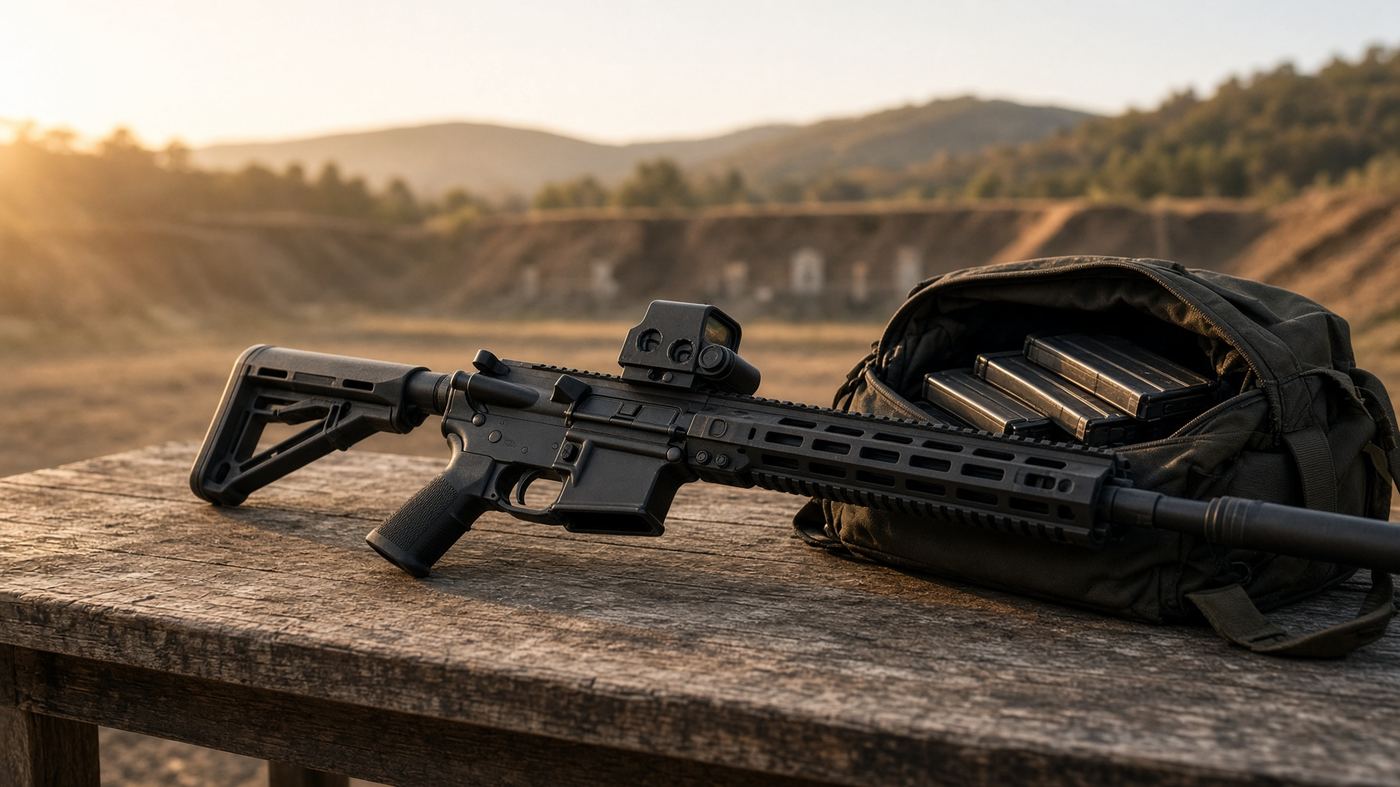
Buy a 1x red dot (Bushnell TRS-25 or Vortex Strikefire) for a typical AR carbine. Use a Viper-class scope if you need magnification and will mount it correctly. Skip no-name reflex sights for anything that matters.
Key takeaways
- 1x is the carbine default.
- Torque the mount. Walking dots are often screws.
- Mystery reflex is a plinker.
- LPVO is a class you should shop on purpose.
An AR-15 optic is a sight you can actually use at the distance you will shoot, mounted on a rail that does not crawl, with a battery or an etched reticle you understand. A 1x red dot is the default carbine sight. A low-power variable (LPVO) is the next step. A 6-24 hunting scope on a 16-inch carbine is usually a mismatch. In 2026 the Amazon dots that still make sense are a Bushnell TRS-25 or Vortex Strikefire for 1x, and a Viper or BTR-style tube if you insist on magnification.
Short version. Buy a TRS-25 or Strikefire if the carbine is a 0–150 yard gun. Buy a Viper if you want a magnified hunting/AR crossover and you will mount it correctly. Skip mystery reflex sights with no brand service. Pair with reflex sights as the sibling page, a range bag, and a cleaning kit. Check live prices. We do not invent numbers.
Long-range scopes belong on precision rifles. AR-10s can take more optic. This page is the carbine.
What optic actually matches an AR carbine?
1x if you shoot inside a couple hundred yards and you want both eyes. A magnifier behind a dot is a kit. An LPVO (1-6, 1-8) is the grown-up “one optic” if you will practice the throw lever. A 3-9 hunting scope can work. A 4-16 on a lightweight carbine is a chin-weld fight.
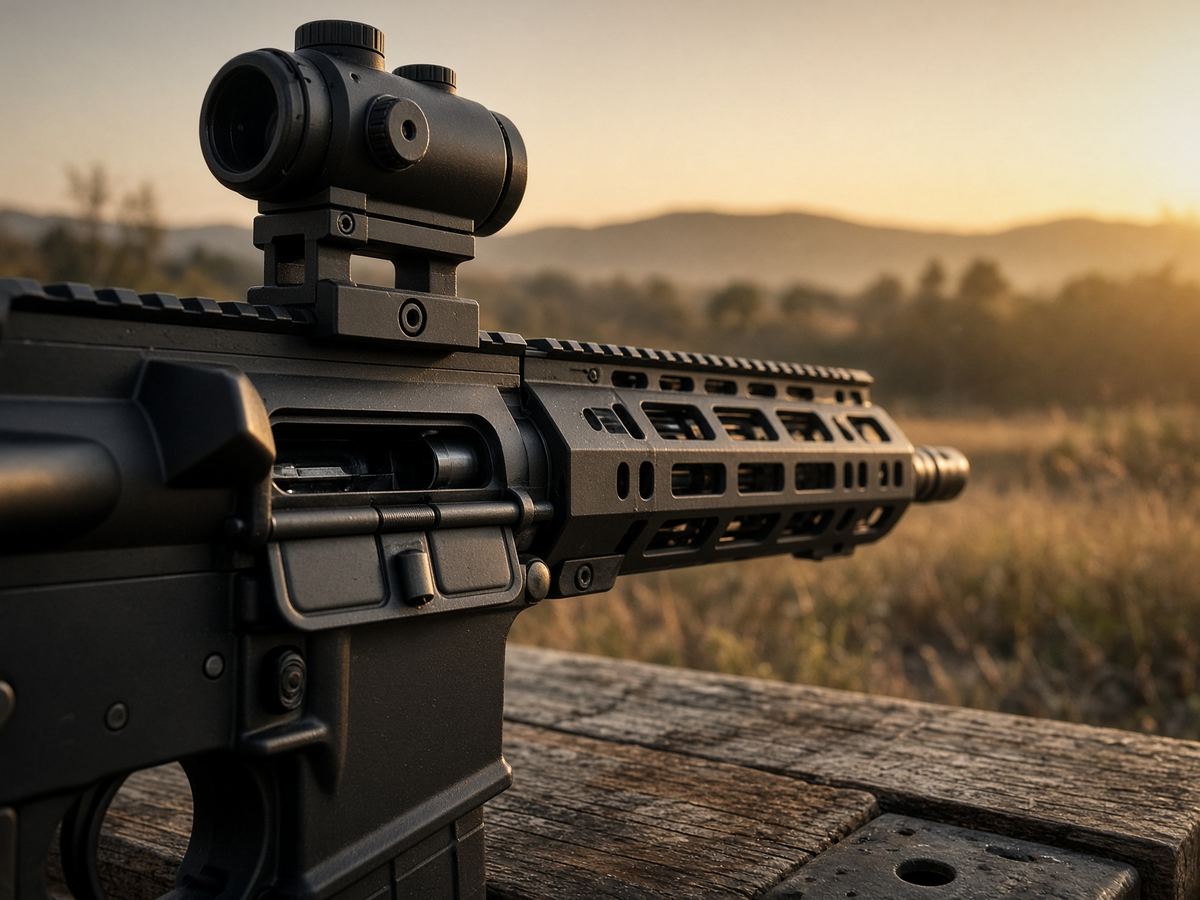
Mount height: AR cheek weld wants a lower 1/3 or absolute cowitness you pick on purpose. A super-tall mount because a YouTuber likes it is how you lose a cheek weld. Torque the screws. A dot that walks is usually a mount, not a diode.
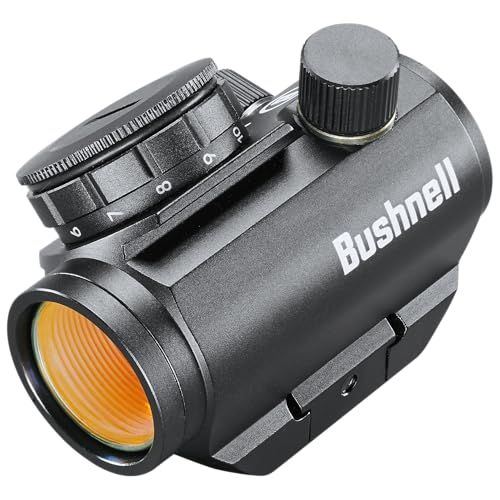
Bushnell TRS-25 and Vortex Strikefire — the 1x pair
TRS-25 is the cheap dot that made a million carbines useful: small, simple, a battery, a reputation for “good enough.” Strikefire is the larger Vortex tube-dot with a warranty people actually use. Both beat a no-name reflex that dies on a box of ammo. Glasses still go on before the first string.
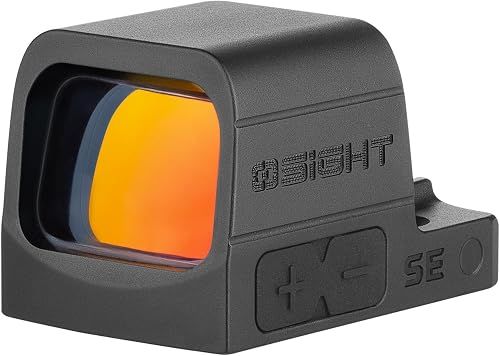
The generic red/green reflex in this list is the Amazon lottery. Fine as a plinker if it holds. Not fine as a duty or hog-night optic. If the brand has no service, treat it as disposable and zero it often.
Viper and BTR-1 — when you want magnification
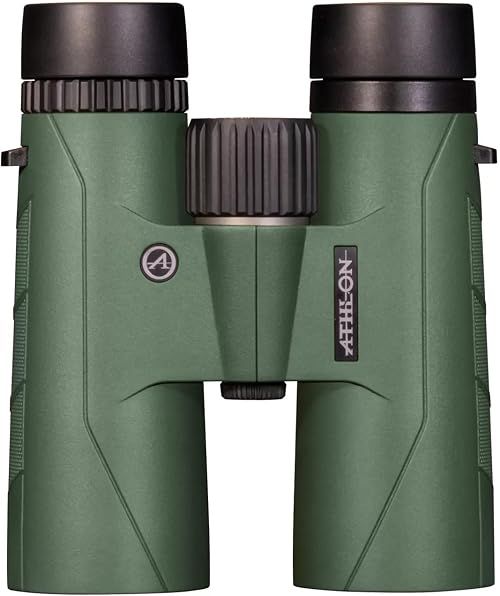
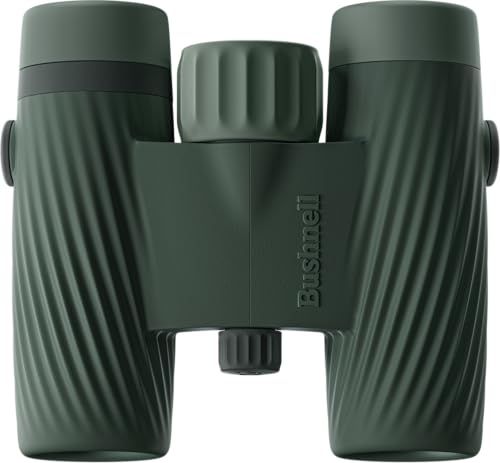
Vortex Viper as a magnified tube on an AR is a hunting crossover, not a 1x. Bushnell BTR-1 is the budget AR-ish scope that shows up in these roundups. If you want true 1-6 LPVO behavior, shop that class on purpose. A 3-9 you crank to 3 is not a 1x dot.
| Optic | Best job | Watch-out |
|---|---|---|
| Bushnell TRS-25 | Simple 1x carbine dot | Mount it, torque it |
| Vortex Strikefire | Larger tube dot, warranty | Height and battery |
| Generic reflex | Plinker | No service, zero often |
| Vortex Viper | Magnified crossover | Not a 1x |
| Bushnell BTR-1 | Budget magnified AR | Do not pretend it is an LPVO |
Our pick: TRS-25 or Strikefire for most carbines. Viper if the AR is a hunting rifle with a real zero. Mystery reflex last. Check live prices. We do not invent numbers.
What AR-optic mistakes look like a dot that walks?
A mount you did not torque. Blue locktite where the manual says. A recceck after 50 rounds. A walking TRS-25 is often screws. Reflex sights die the same way. Tools, not a new diode first.
A 25x precision scope on a 6-pound carbine. Height, balance, a chin weld, a case that no longer fits. If the AR is a prairie gun, build it like one: stock, barrel, optic. If it is a carbine, put a dot on it. Long-range glass has a home. It is usually not this rail.
No-name reflex as a hog night optic. Zero it every range trip or do not stake a hunt on it. Brands with a warranty exist for a reason. A bag with a spare battery is the unglamorous kit. A dead dot is irons if you still have irons. If you do not, it is a story.
A 50/200 zero that you actually confirm
Pick a zero that matches your world. 50/200-ish is a carbine classic. Confirm at 100. Know the hold at 7 yards and at 150. A dot you never confirmed inside a house-length is a mystery in the one place carbines get used. Clean the gun so the optic is not the thing you blame for a dirty chamber.
Cowitness: if you want irons in the window, choose absolute or lower 1/3 and leave it. Mixing mounts because a photo looked cool is how you have neither. Practice a dead-dot drill. Irons are not decoration.
When to buy Strikefire over TRS-25: you want a larger window and a warranty you will use. When to stay TRS-25: simple, small, good enough. When to buy Viper: the AR hunts and you will mount a magnified optic like a hunting rifle, with a cheek weld that works. Check live prices. We do not invent numbers.
What we skipped: $1,500 duty dots, night-vision-height mounts, and 1-10 LPVOs. Those are real products for people who will train them. This page is the Amazon carbine optic that gets people hitting steel at 100 without a mystery reflex.
Two-optic kits: a dot for the carbine, magnified glass for the hunting AR if those are two rifles. One LPVO can do both if you will practice 1x. Most people will not. A dot they will actually leave on 1x is the better default.
Confirm 7 yards, 50, and 100 — not just a catalog 50/200
Pick a zero that matches your world. 50/200-ish is a carbine classic. Confirm at 100. Know the hold at 7 yards and at 150. A dot you never confirmed inside a house-length is a mystery in the one place carbines get used. Clean the gun so the optic is not the thing you blame for a dirty chamber. Cowitness: if you want irons in the window, choose absolute or lower 1/3 and leave it. Mixing mounts because a photo looked cool is how you have neither. Practice a dead-dot drill. Irons are not decoration.
A mount you did not torque is how a TRS-25 walks. Blue locktite where the manual says. A recheck after 50 rounds. A walking dot is often screws. Reflex sights die the same way. Tools, not a new diode first. A 25x precision scope on a 6-pound carbine: height, balance, a chin weld, a case that no longer fits. If the AR is a prairie gun, build it like one: stock, barrel, optic. If it is a carbine, put a dot on it. Long-range glass has a home. It is usually not this rail.
No-name reflex as a hog night optic. Zero it every range trip or do not stake a hunt on it. Brands with a warranty exist for a reason. A bag with a spare battery is the unglamorous kit. A dead dot is irons if you still have irons. If you do not, it is a story. When to buy Strikefire over TRS-25: you want a larger window and a warranty you will use. When to stay TRS-25: simple, small, good enough. When to buy Viper: the AR hunts and you will mount a magnified optic like a hunting rifle, with a cheek weld that works. Check live prices. We do not invent numbers.
What we skipped: $1,500 duty dots, night-vision-height mounts, and 1-10 LPVOs. Those are real products for people who will train them. This page is the Amazon carbine optic that gets people hitting steel at 100 without a mystery reflex. Two-optic kits: a dot for the carbine, magnified glass for the hunting AR if those are two rifles. One LPVO can do both if you will practice 1x. Most people will not. A dot they will actually leave on 1x is the better default.
A class-day carbine that is not a Christmas tree
Dot on. Irons if you have them. Eyes. Ears. Magazines you have loaded in the driveway, not at the line with a neighbor watching. Glasses on before the first string. A carrier is optional; see the MOPC page if a class requires one. Most people need a belt and a bag. A magnified optic on a carbine class that is 7 to 50 yards is a chin weld and a story. 1x. A window you can find. A battery you checked.
Batteries: spare in the bag. Date them. A CR2032 that dies in the cold is a January story. Turn the dot down until it is a dot, not a starburst. Astigmatism is a thing. If the dot is a smear, try a prism or a small LPVO, or get your eyes checked. A diode is not a diagnosis. Height: a mount that is a chin weld will make you hate a good optic. Co-witness height if you want irons. Higher if you run nods, which is not this page.
Replace the optic when the diode is a rumor, when tracking is a walk you cannot screw-fix, when the window is pitted past a story. A $80 TRS-25 that died after a few seasons of weekly nights paid for itself. Do not stake a hunt on a no-name that will not hold zero. A safe at home. The optic does not store the rifle. Unload per range rules. A dead battery is not a reason to skip irons practice.
Prairie vs house-length: if the AR hunts open country, a Viper or a low-power variable you will actually use at 1x is the fork. If the AR is a carbine that lives at 100 and in, a dot is the fork. Do not buy both on one rail as a first optic. Pick the job. Then buy the window. Then torque the mount. Then confirm 7, 50, and 100. That order is an AR optic in 2026, including the mailbox TRS-25 that actually stays on the gun.
Night: lights and law, not a mystery reflex you never zeroed. A hog hunt is not a reason to skip a zero. A laser or a light is a different tool. The dot is still a daytime zero you confirmed. Check live prices. We do not invent numbers. Strikefire if you want a larger window. TRS-25 if you want simple. Viper if the AR hunts. Irons if the diode dies. That is the page.
Indoor range: a brighter dot, a shorter confirm, brass that still wants eyes. Outdoor steel: dim the diode, know the hold at 150, a battery that is not a summer-console melt. Same optic. Different knob. Check live prices. We do not invent numbers. Torque the mount. Confirm 7, 50, and 100. Spare battery in the bag. Irons if the window goes dark. That is a carbine optic you can actually leave on the gun.
Frequently asked questions
What is the best optic for an AR-15?
A 1x red dot (TRS-25, Strikefire class) for typical carbine distances. An LPVO if you will practice 1x and magnification. A big hunting scope is usually the wrong height and weight.
Red dot or scope?
Dot for speed and both-eyes-open. Scope for identification and distance. A magnifier behind a dot is a compromise kit.
Absolute cowitness or lower 1/3?
Pick one and train it. Lower 1/3 keeps the dot above iron sights. Absolute sits on the irons. Neither is magic.
Is the TRS-25 good enough?
For a range and ranch carbine, yes, if the mount holds. It is not a night-vision-ready duty optic. Treat it as a simple dot.
Do cheap reflex sights hold zero?
Sometimes. If the brand has no warranty, zero often and do not stake a hunt on it. Spend on a name you can send back.
Can I put a long-range scope on an AR?
You can. Recoil is mild. Height, eye relief, and weight are the fight. A precision AR-15 is a different build than a 16-inch carbine.