
Direct-impingement AR-15 vs a piston AR-15 for a wet October hunt
Written by John Wren|
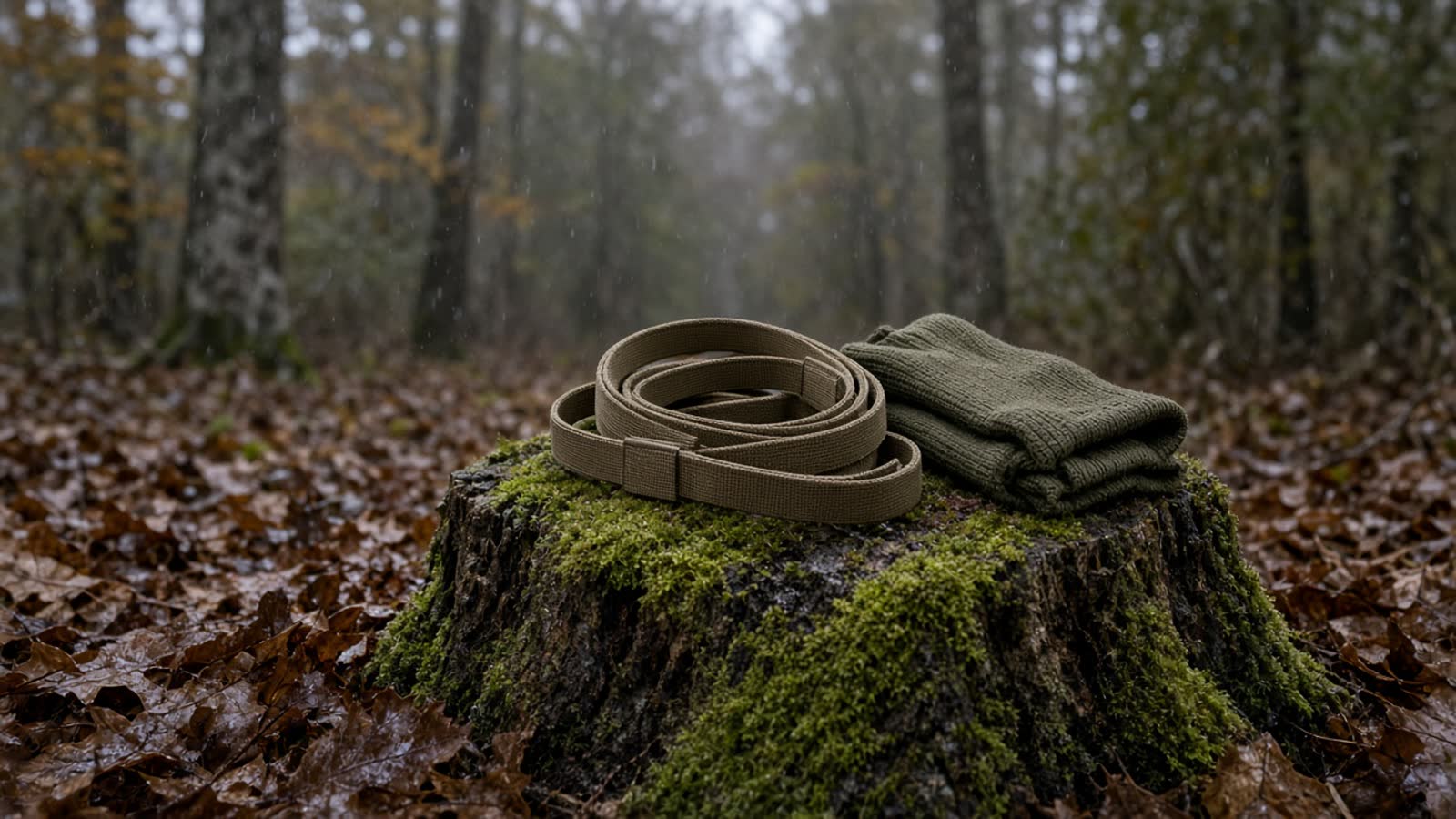
Take a direct-impingement AR-15 you have already confirmed for a low-round wet October hunt. Choose a purpose-built piston rifle only if you already run one or you shoot it hard and suppressed. Do not convert a hunting upper the week of the sit. The rifle stays at a licensed dealer.
Key takeaways
- A hunting string does not need a piston.
- Rain plugs bores and rusts metal either way.
- Skip a conversion kit before the season.
- The carbine and the ammunition stay a dealer.
A wet October hunt does not care what a forum calls your gas system. It cares whether the rifle you already trust will fire once, after a night of rain, with gloves on, and then go back in the truck without turning into rust. Direct impingement and a piston are two ways to make an AR-15 cycle. They are not two ways to buy a deer. For most people standing in October hardwoods, the rifle you actually want is the direct-impingement carbine you have already shot, with a sling that fits the coat, a bore you pull before the drive home, and ears and eyes you put on before the first confirmation shot. The rifle and the ammunition stay at a licensed dealer.
Short version. Keep a direct-impingement AR-15 if this is a low-round hunt and the gun already runs. Buy a purpose-built piston rifle only if you already live in that manual of arms, or if the same rifle is also a suppressed trainer you will not clean. Do not bolt a piston kit onto a trusty upper the week of the sit. Pair this with a September range day, a sling you fitted before October, and a western bolt-gun choice if the hunt is open country and a bolt action, not a carbine in the brush. Check live prices on the rest kit. The firearm stays at the counter.
Which gas system do you actually want for a wet October hunt?
Want the one you can explain to yourself in the rain. Direct impingement — the ordinary AR-15 gas tube into the bolt carrier — is lighter, parts are everywhere a licensed counter already stocks, and a hunting string of a few shots will not choke it. A piston keeps combustion gas forward of the receiver, so the bolt stays cleaner when you shoot a lot, run a suppressor, or refuse to clean. A wet October whitetail or hog sit is usually the first case, not the second. You zero on a weekday, you walk in, you might fire once. Carbon in the carrier is a range problem. Water in a bore, a fogged lens, and a sling that was never worn with the hunting coat are the hunt problems.
Buy direct impingement if you are choosing a first hunting carbine, if you already own one that feeds and groups, or if a gunsmith in your town has seen a dozen of them this month. Buy a piston rifle if the dealer can hand you a purpose-built gun — not a conversion kit — and you accept that the carrier, the rod, and sometimes the bolt are that maker’s parts. If the hunt is a .308 AR instead of an AR-15, stop and read ArmaLite pattern versus DPMS pattern before you shop uppers. A piston does not fix a receiver family that will not close.
What does direct impingement actually do?
People say “direct impingement” and mean the Stoner gas tube. Gas leaves a port in the barrel, runs down a thin tube, and enters the bolt carrier through the gas key. The carrier moves rearward. The bolt itself is sitting in that gas, so the carrier is doing the job of a piston. That is why a careful gunsmith will tell you a standard AR-15 is not a pure impingement gun the way an old Swedish Ljungman was. For shopping, the label still means one thing: gas and carbon come back into the upper.
That dirt is real. Shoot a carbine hard on a hot day and the bolt looks like a chimney. Shoot it for a sight-in and one hunting shot and it looks like a rifle you wiped on Monday. October rain does not multiply your round count. It multiplies moisture. A film of oil plus rain plus a closed case overnight is how a bolt and a carrier stick, whether the gas arrived through a tube or a piston rod. The fix is the same: unload, pull a bore, wipe, and do not store a wet gun in a sealed sock until it is dry. An AR-15 cleaning kit is the bench version of that job. A bore snake in a coat pocket is the truck version.
Gas length still matters more than the logo on the piston. Carbine-length gas on a 16-inch barrel is snappier and dirtier. Mid-length on a 16-inch hunting carbine is the setup most people should ask the dealer for if they are buying, not inheriting. Rifle-length wants a longer barrel than you will enjoy in thick October cover. None of those lengths require a piston. They require a barrel the maker ported on purpose.
What does a piston change, and what does it not?
A short-stroke piston, the kind on a purpose-built rifle in the HK416 family and on several American hunting carbines, taps the carrier with an operating rod and leaves the hot gas up front. The bolt carrier group stays cooler and cleaner across a long string. That is a genuine advantage if you are shooting hundreds of rounds, shooting suppressed, or leaving the gun filthy between classes. It is a smaller advantage if your October diary is “confirmed zero, one shot at a deer, pulled the bore in the driveway.”
The costs are ordinary and they show up in the woods, not on a spec sheet. The front of the rifle gains weight, right where you notice it when the sling is on one shoulder and the hill is wet. Parts are narrower. A carrier that runs in your friend’s direct-impingement gun may not run in yours. A piston kit bolted onto a standard carrier pushes above the bore line and can tilt the bolt. Purpose-built guns design around that push. Kits often do not. If a counter cannot tell you whether the rifle was born a piston or converted, walk. You do not want that argument on a wet Sunday.
Recoil impulse can feel sharper on some piston guns because the mass and the timing changed, not because the cartridge changed. A 5.56 hunting carbine is still a 5.56 hunting carbine. Felt kick is barrel length, a muzzle device, the stock, and whether you are wearing a coat. It is not a reason to pick a gas system for deer. Ears are the reason you can still hear the woods after the shot.
Brownells walks through the cleaner-bolt claim and the bolt-tilt problem with conversion kits. Watch it before you spend a season’s tag money on a kit. Then go back to the rifle you will actually carry.
| Question | Direct impingement | Piston | Wet October call |
|---|---|---|---|
| First hunting carbine | Common parts, lighter | Cleaner bolt, heavier nose | Direct impingement |
| A few hunting shots | Carbon is a non-event | Cleaner, and you will not notice | Keep the gun you trust |
| Suppressed, high volume | Hotter, dirtier carrier | Purpose-built piston earns it | Piston, if it was built that way |
| Conversion kit this week | Leave the upper alone | Bolt tilt is a real failure | Do not convert before the hunt |
| Rain overnight | Pull the bore, dry the gun | Same rust rules | Neither gas system is a rain jacket |
Confirm the gas system with the licensed dealer before you pay. “Piston-like” on a listing is not a spec.
What does October rain actually break?
Rain finds the muzzle first. A bore with water, mud, or a leaf plug is an obstruction. That is a safety problem, not a reliability debate. Before you close the bolt on a hunting morning, point the muzzle somewhere safe and look, or run a pull-through if the rifle spent the night muzzle-up in a wet blind. Unload to do it. A chamber flag if the camp wants one. Ownership habits still start with empty.
Rain finds glass second. A scope or a red dot that fogged inside is done for the morning even if the action is spotless. Caps, a neoprene cover you will actually use, and an optic you already confirmed beat a new gas system. Confirm zero in the coat and hat you will wear. A bare-head zero and a hooded shot are different cheek welds.
Rain finds steel third, overnight. A wet carbine in a closed case sweats. A wet carbine in a knit sleeve before you wipe it holds water against the finish. Wipe, then sleeve, then the case. A gun sock is dust and a scratch. It is not a dryer. A locked camp kit is how the rifle rides when you are not holding it. The cable and the case are the lock. The gas system is irrelevant while the gun is cased.
How do you carry a carbine when the brush is wet?
A two-point sling is how you still have a hand for a sapling and a bin of gear. Fit it at the house with the coat, the gloves, and the hood. A sling that was perfect over a t-shirt will choke you, or dump the muzzle, once the jacket is on. Quick-detach swivels let you take the sling off at the bench without a screwdriver in the rain. Confirm the sockets are on the side you want before you leave the counter.
The WarBull two-point sling with QD swivels is the live strap we name for that walk: a pad, a quick adjust, and swivels that go on a carbine that already has cups. Check live prices. It is a sling. It is not a rifle.
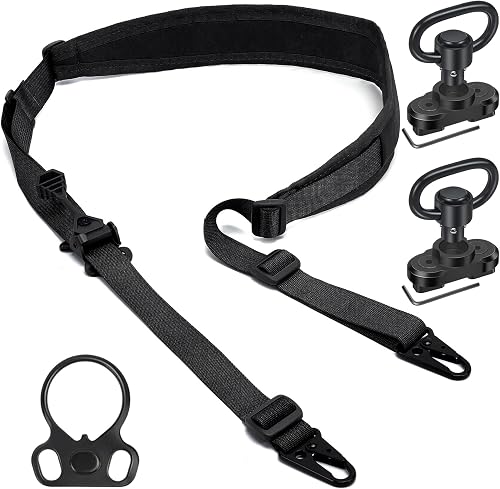
Wear it on the Monday confirmation so the hardware is not a surprise on Saturday. A single-point sling in thick brush turns a muzzle into a pendulum when you bend over a log. Two points, adjusted short enough that the carbine stays on your chest when you slip, is the hunting answer. Read the sling-fit note if the coat and the swivels are the whole problem and the gas system is not.
How do you pull a bore after the rain?
A full rod and a bench are the right cleaning when you are home and the rifle is unloaded on a pad. They are the wrong tool in a wet blind. A pull-through sized for .223 and 5.56 is the pocket tool: weight down the bore, brushes through once or twice, oil on the tail if the maker said so, then a dry pass if you are about to shoot. Do not leave a soaked snake in the barrel. Do not pull a snake through a bore you have not checked for a stuck case or a plug.
Hoppe’s BoreSnake Viper for .22, .223, and 5.56, with the den and the T-handle, is the live pull-through we name. The case keeps the bronze off your sandwich. Check live prices.
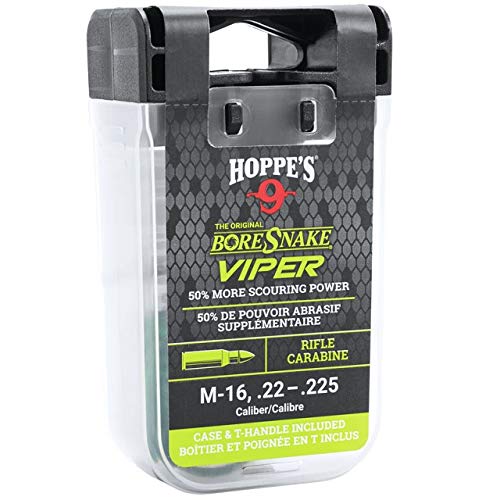
This does not replace a real clean when you get home. It keeps Monday’s zero from becoming Tuesday’s rust. Carbon from a direct-impingement carrier still wants a brush at the house. A piston bolt wants the same wipe, just less often. Either way, solvent and oil stay off the stock and off the optic lenses. Accuracy work is a clean bore and a called shot, not a new carrier.
What should be on your head before the first shot?
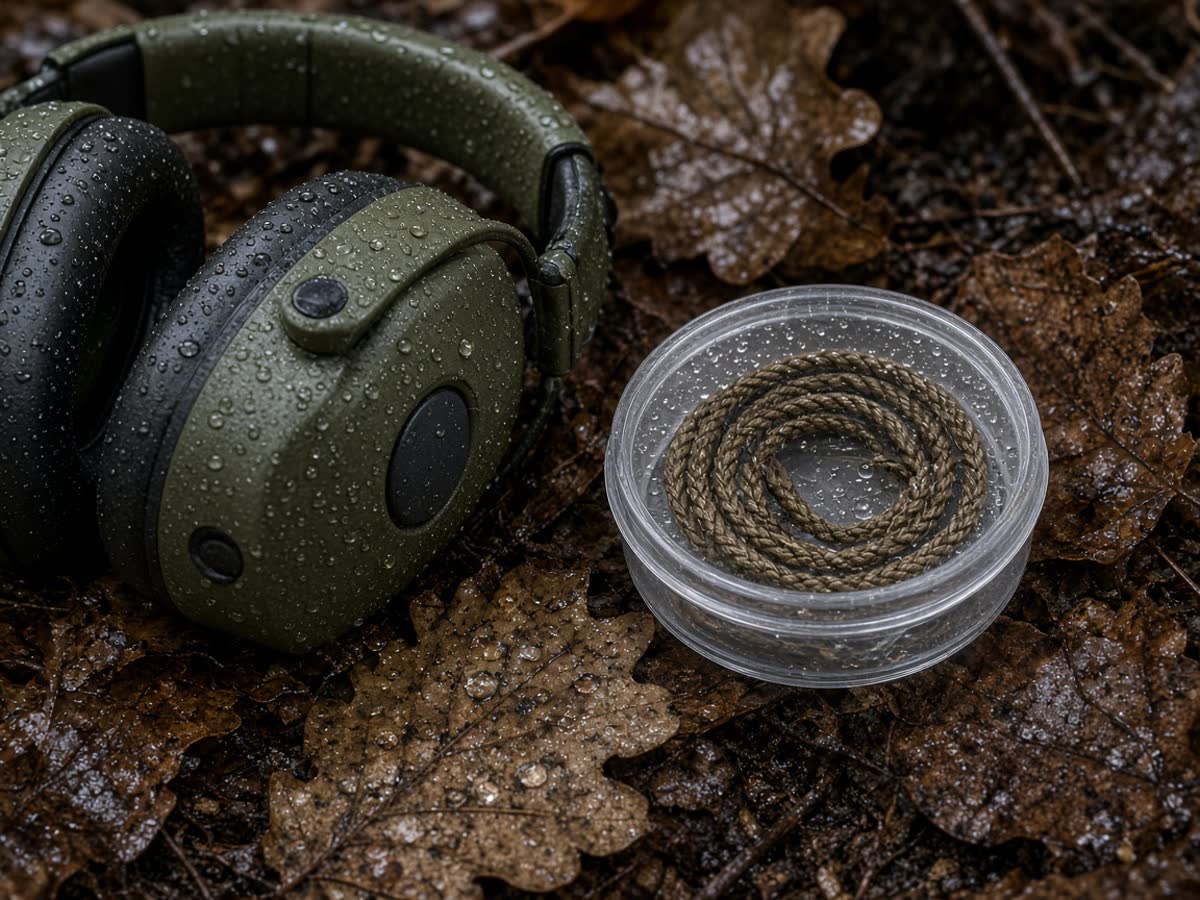
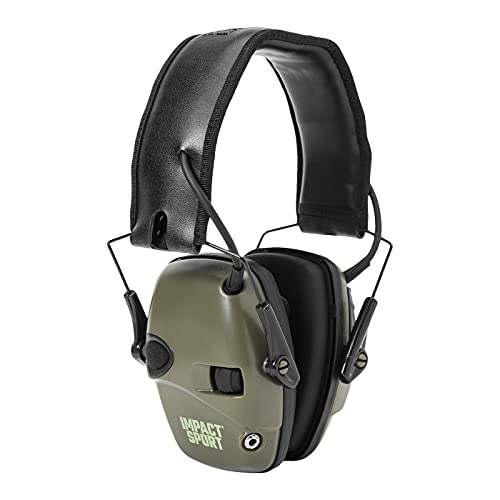
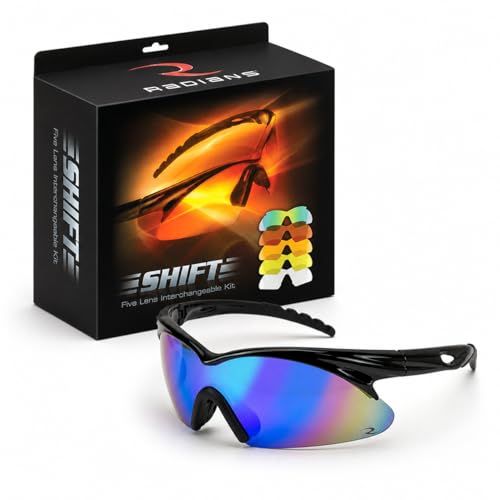
A 5.56 carbine in the open, or under a metal blind roof, is loud enough to cost you the rest of the season’s hearing. Electronic muffs that still fit under a hood let you hear a deer move and then shut down for the shot. Slim cups matter once a hood and a hat are both on. Glasses matter because a muzzle, a brake, and wet brush throw debris, and because October light goes from fog to glare in an hour.
Howard Leight Impact Sport muffs are the live ears we name for that hood: a slim cup, amplification you can turn down, and an NRR you can read on the box before you trust them. Check live prices. The longer fit conversation is ear protection for shooting.
Radians Shift glasses are the live eyes: a black frame and interchangeable lenses so a clear lens can live in the bag for a dark timber morning and a tint can go on when the clouds break. Check live prices. Eye protection is the longer page if you already know your face and your hat brim fight certain frames.
Put both on before the first confirmation round, not after you remember. A piston does not make the cartridge quieter. A direct-impingement gun does not make debris polite. A first deer checklist still starts with a rifle you have shot while wearing the gear you will hunt in.
How do you keep a wet carbine from rusting in the truck?
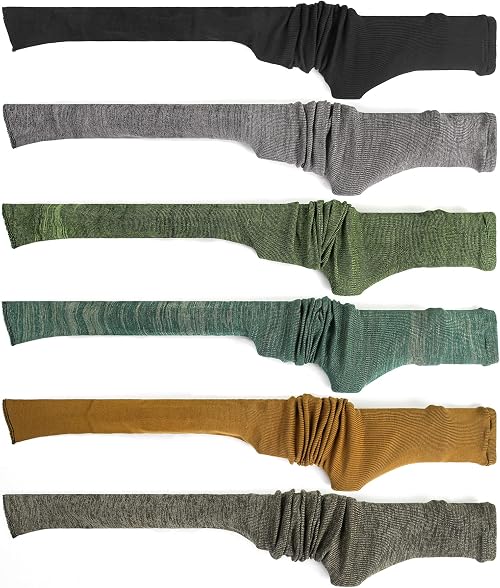
Unload. Verify. Wipe standing water off the metal. Then a silicone-treated knit sock sized past the muzzle and the sight, inside a case, in a truck that locks. The sock is not the lock. The sock is how the sight stops grinding a seat and how a damp finish gets a layer that is not a wet towel. Two oily guns in one sock stain each other. A sock that is short of a scoped carbine fights the optic and leaves the muzzle bare.
The GUGULUZA silicone-treated knit rifle socks are the live pack: long enough for a scoped carbine, thick enough to keep a finish off a case hinge. Check live prices. Size past the sight you actually mounted.
Do not sleeve a dripping gun and call it stored. Dry first. If the camp is a shared cabin, the case still locks and the ammunition stays where your state says it stays. A gas system does not change that sentence.
When does a bipod help a wet sit, and when is it just weight?
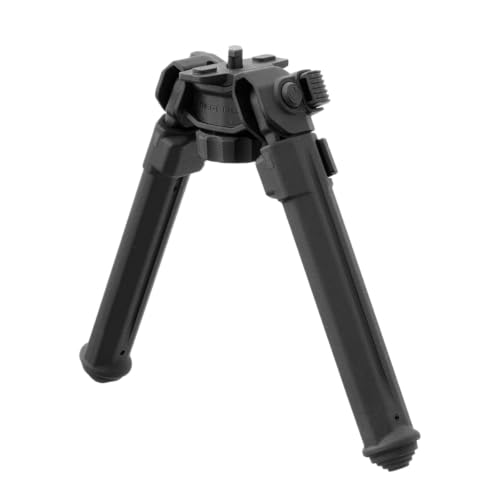
A bipod helps when the hunt is a prone or a low sit and you want the same rest height you used on the zero. It hurts when you are still-hunting thick cover and the legs snag every stem. Mount it only on a handguard that was meant to take the load. An M-LOK section rated for a bipod is that mount. A thin plastic handguard is not. Take the bipod off for the walk if the sling and the brush are the job, and put it on when you sit.
The Magpul MOE QD bipod for M-LOK is the live rest we name for a carbine that already has M-LOK slots: legs that stow forward, a low stack when you are walking, and a sling stud on the mount so the sling still has a home. Check live prices. It is a bipod. The upper stays at a licensed dealer.
Do not clamp it to a rail the maker never rated, and do not buy an M-LOK bipod for a rifle that only has a sling stud. A western bolt gun is a different mount. That conversation is the .308 and 6.5 Creedmoor note, not this one. Pattern the carbine from the rest you will hunt with. Zeroing without a bench still applies if the only dry place is a pack and a stump.
What if the hunt is a .308 AR, not an AR-15?
Then you have two problems, and the piston is the smaller one. A .308 AR is a different receiver family from an AR-15, and inside .308 ARs the ArmaLite pattern and the DPMS pattern do not mix. That pattern page is the shopping trip. A piston upper does not make an ArmaLite upper close on a DPMS lower. Magazines, rails, and barrel nuts still have to match the print. If you wanted a heavier cartridge for a western ridge in the same stock class as a hunting bolt gun, read the bolt-gun comparison and skip the pattern fight unless you already own the receivers.
The AR-10 kit page is accessories after the receivers match. Best .308 rifles is the bolt-gun aisle if you decide the carbine was the wrong shape for the country. None of those pages sell you the firearm here. The counter does.
So which one should you take into a wet October woods?
Take the direct-impingement AR-15 you have already confirmed, if it feeds, if the zero is on paper, and if you will pull the bore and wipe the gun when you come in wet. Take a purpose-built piston rifle if that is already your rifle and you know its parts. Do not take a conversion kit you installed on Thursday. Do not take either rifle if the bore might be plugged, the optic is a guess, or the sling was never worn with the coat.
The rest of the kit is a two-point sling, a .223 pull-through, muffs, interchangeable glasses, a knit sock, and an M-LOK bipod only if the sit wants it. Check live prices. The carbine and the ammunition stay at a licensed dealer. If the country is a western ridge and the rifle should be a bolt gun in one stock class, the recoil and the drop are a different article — .308 against 6.5 Creedmoor — and the gas system can wait.
Frequently asked questions
Which AR-15 gas system should I take on a wet October hunt?
The direct-impingement carbine you have already confirmed, if it runs. A purpose-built piston rifle is for high-volume or suppressed use, or for a gun you already know. Do not install a conversion kit the week of the hunt.
Does a piston AR stay cleaner in the rain?
A piston keeps combustion gas out of the bolt, so the carrier stays cleaner when you shoot a lot. October rain causes rust and a wet bore either way. Unload, pull the bore, and wipe the gun before you case it.
Are piston conversion kits a good idea before deer season?
No. A kit pushes the carrier off the bore line and can tilt the bolt. Purpose-built piston rifles are designed for that push. A kit on Thursday is a malfunction on Saturday.
Does one gas system kick less?
Not in a way that should pick your hunting carbine. Barrel length, the muzzle device, the stock, and your coat change felt recoil more than the gas system. Wear muffs either way.
Where do I buy the rifle and the ammunition?
A licensed firearms dealer. The sling, bore snake, muffs, glasses, knit sock, and M-LOK bipod are the rest of the kit. The firearm and the ammunition stay at the counter.
What if I wanted a .308 AR instead of an AR-15?
Stop and match the receiver pattern first. ArmaLite AR-10 pattern and DPMS LR-308 pattern do not mix. A piston does not fix that. A western bolt gun is a different shopping trip.