
Canoe a fall river after the rafts leave
Written by John Wren|
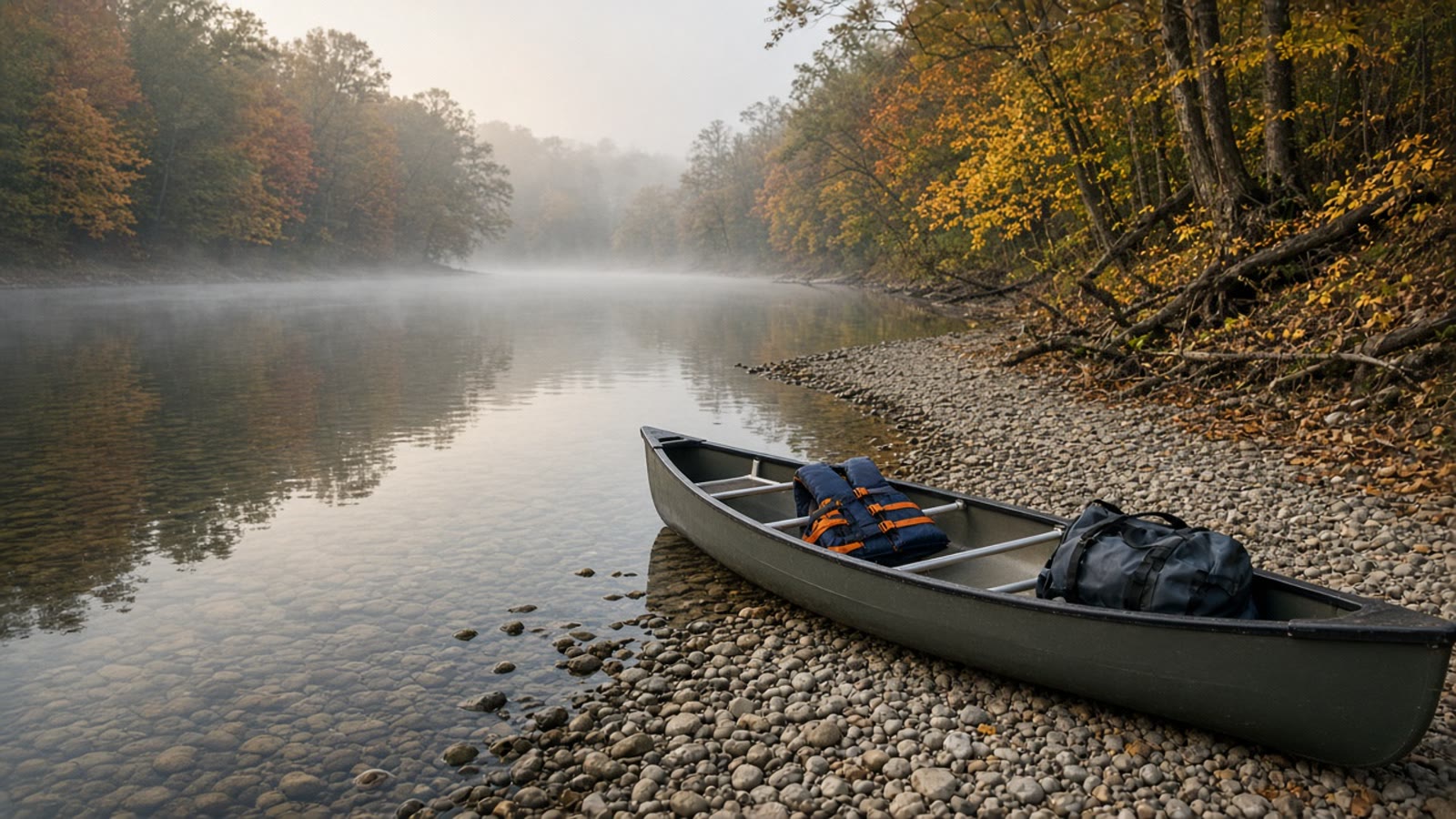
Read the gauge the morning you drive. Wear a buckled USCG vest, keep clothes and keys in a roll-top dry bag, dress merino for a swim, and write the takeout time. The canoe and a proper paddle stay a paddling shop.
Key takeaways
- Low water is a different river.
- Buckle the vest. A vest in the hull is a hull.
- The river is colder than the sandbar.
- Write the takeout. Dark is earlier than July.
Canoeing a fall river after the rafts leave is a lower, clearer current, a shuttle you actually set, and a vest you buckle before the first riffle — not a July bumper-boat circus and a cotton hoodie. The short answer: read the flow this morning, wear a USCG vest, and treat a new drop-off after drawdown as geometry you have not met. The hull and a proper canoe paddle stay a paddling shop. This page is the vest, the dry bag, and the takeout lamp.
Short version. Pair this with a kayak adventure plan, when the wind is a no, and on-water safety habits. Check live prices. A canoe is not a sit-on-top. Sit-on-top vs sit-inside is a different hull fight. This Saturday is an open boat on a river the raft companies already parked.
This is a field note, not a secret-run list. Saturday, September 19, 2026, is the week a lot of commercial rafting seasons have already gone quiet, a western tailwater dropped, and an Appalachian or Ozark river is low enough that the July hole is a rock garden. The skill is honest flow, a vest you will swim in, a dry bag that actually rolls, and a takeout you can still find in earlier dark. A fall lake after the ski crowd is the still-water cousin. A reservoir after drawdown is a motor and a ramp. This page is a paddle and a gravel bar.
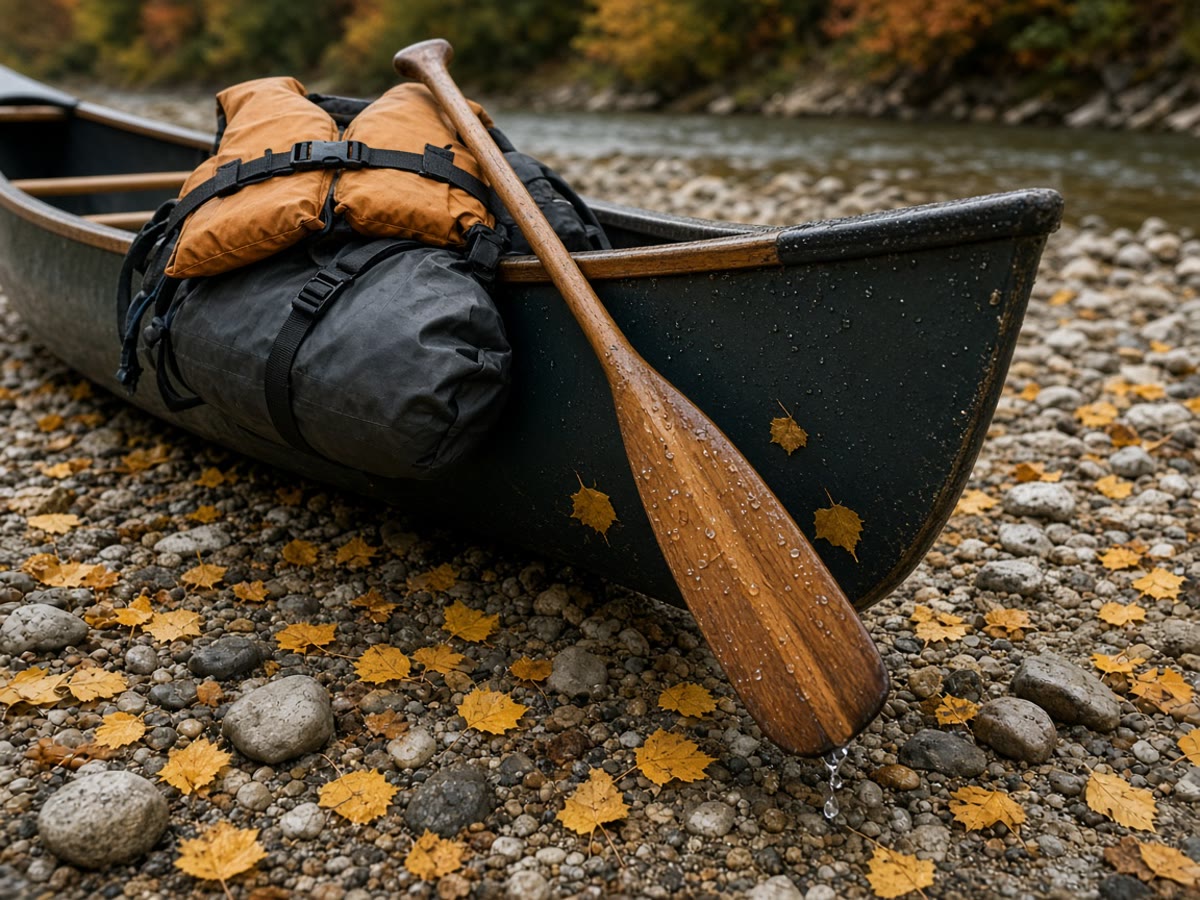
Low water is a different river. The July hole is often a walk.
Rafts leave when the water leaves. What remains is a clearer current, a rock you did not see in June, and a strainers’ week because the willows now sit in the channel. Read the gauge the morning you drive. A forum screenshot from 2022 is not a flow. If the run is posted skinny, it is skinny. Pride is a swim with a cooler. Water confidence includes getting out and walking a drop you cannot boat. A canoe is honest that way. You can stand up and look. Then you can line it.
Do not invent a new drainage because a feed said the next county turned on. Paddle the river you already have a shuttle for. A riverside camp is a different overnight. This Saturday is often a day. Know the takeout. A “one more bend” is how people finish in a black sycamore tunnel with a road they cannot see.
A buckled USCG vest is the boat. A vest in the hull is a hull.
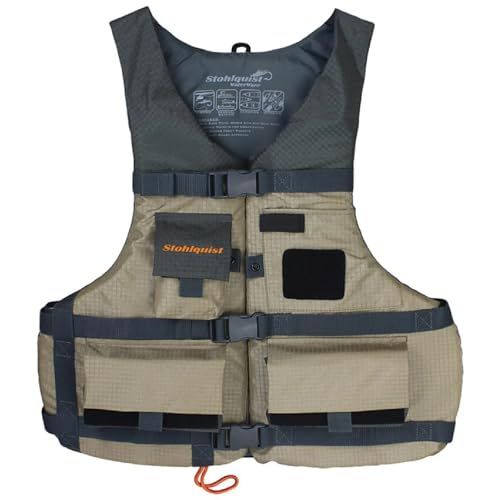
Cold water, a rock garden, a tree in the current — the vest is the Saturday. Fashion float coats that are not rated are not the vest. The Stohlquist Fisherman is the USCG life jacket: enough pockets for a river day, a cut you can paddle in, a buckle you will actually use. Check live prices. Confirm the listing is a life jacket, not a fashion vest. A PFD aisle is the longer fight. This heading is the canoe vest. Wear it. Buckle it. A hull that does not sink can still drift away from you.
Kids wear theirs too. A canoe with a child is a written hour and a vest that fits this year, not last year. Recreational boating safety still applies when the river looks empty. Empty is not easier. Empty is new geometry and fewer people to flag you down.
Keep the phone, the keys, and the dry clothes dry. River spray is a given.
September chop on a remaining pool throws spray. A clean layer in an open crate is a wet layer. The Såk Gear DrySåk is the roll-top: a bag you will actually roll down three times, clip to a thwart you can reach, and open with wet hands. Check live prices. The wet kit lives in a different bag. A hull you leave is a cousin lecture: what walks, walks. What stays, gets a roll-top.
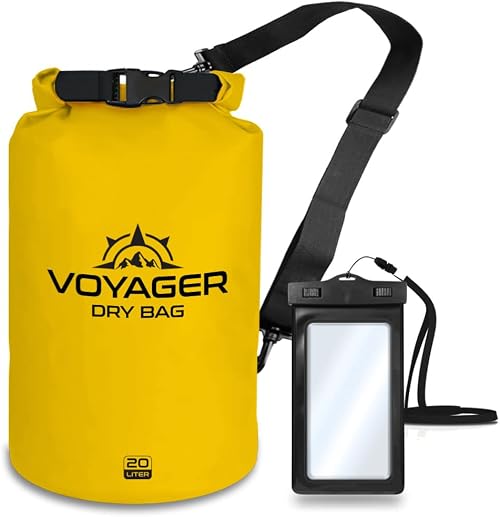
Do not store the car key in a shorts pocket. The DrySåk or a dedicated float is the key. A swim at a low-head or a sweeper is how a Saturday becomes a locksmith. Plan the takeout before you enjoy the put-in. The dry bag is not a cooler. Food that needs ice stays in the truck or a hard box you can still shut.
A canoe paddle is a shop stick. A kayak blade is a spare, not the stroke.
A tandem canoe wants a single-blade you can feel the grip on, a length that matches the seat, and a spare lashed where you can reach it after a dump. Buy that paddle at a paddling shop where you can hold it. A kayak paddle can move a canoe. It is not the stroke you came for. Fit a canoe paddle at a shop you can hold. Kayak paddles if the other hull is already a sit-on-top. This Saturday is an open boat. Leash or lash the paddle. A floating paddle is still a walk if it goes around the bend.
The hull itself is a shop conversation: royalex is a memory, T-Formex and polyethylene are the live canoes, a used Grumman is a tank. Sit in it. A first river in a hull you never knelt in is a swim. First-timer mistakes scale to a canoe shuttle. Do not launch a hull you cannot retrieve on a receding bar.
Takeout is earlier than your July clock. A sycamore tunnel is dark at 6:40.
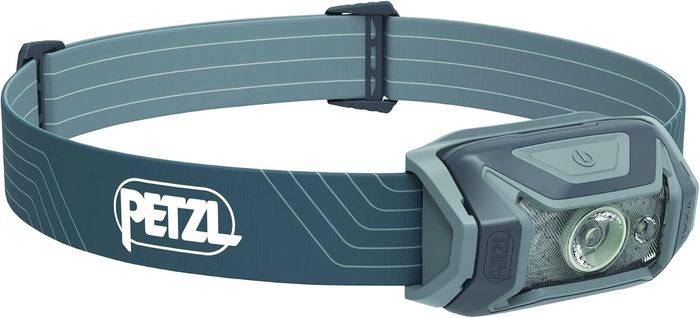
Mid-September dusk arrives while you are still arguing with a riffle. Write the takeout time on the dash. The Petzl Tikka is the three-AAA: a flood you can dim so you do not blind a partner lining the canoe, a lock so it does not cook in the DrySåk, enough to find the gravel bar you marked. Check live prices. Navigation habits include a takeout you can reverse. A phone you drop in the well is not a lamp.
If you cannot reverse the shuttle in the dark, you do not have a shuttle. A “one more pool” is how people finish walking a county road with a canoe they cannot carry. Trailer habits if the other Saturday is already a ramp. A canoe on racks still wants straps you checked. A 40-degree night on a bar is a different overnight. This page is a day. Leave.
The river is colder than the sandbar. Dress for the swim, not the photo.
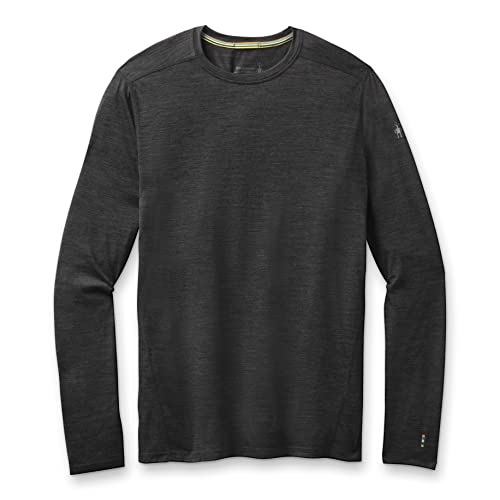
Seventy on the gravel is sixty or less under the hull, and a shaded limestone slot can be colder than that. If you dump while lining a drop, minutes matter. Cotton stays in the truck. The Smartwool Classic All-Season Merino Base Layer Crew is the shirt: a lightweight merino that still works wet better than a hoodie. Check live prices. Base, mid, shell. Fifty-degree rain is the sibling if the sky is already a hose. Stop in the trees. Wind is the thief.
A PFD you are wearing is how a dump stays a dump. Wet cotton is the problem. Put the dry merino in the DrySåk, not in a grocery sack. Frostbite is a later season. Hypothermia in 50-degree water is this one.
The river is not a tap. Treat what you drink.
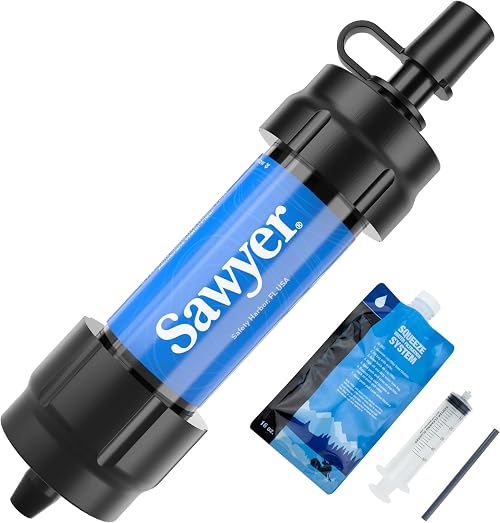
Clear September water is still a living river. Cattle, a town, a goose raft — fill from the cleanest moving film you can still reach and treat it. The Sawyer Mini is the filter: a squeeze you practiced at a kitchen tap, light enough for a thwart bag, enough for a sip if you are patient. Check live prices. Backflush. Treat lake water like winter water is the still-water cousin. Squeeze vs LifeStraw if the other fight is already a bottle. Do not fill in the eddy that is a farm ditch.
Carry more than you did in June. A low river is not a drinking fountain every mile. A canteen still earns the space in the DrySåk. Kids drink more and handle caps worse. You handle the dirty pouch.
A small labeled kit for the thing that actually happens: a shin, a bee, a hook.
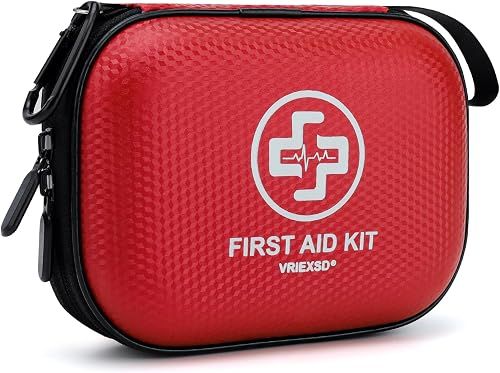
Rock gardens cut people. The Adventure Medical Sportsman Series is the labeled kit: enough for a bleed and a blister, not a 400-piece mall pouch. Check live prices. Open it at home. Keep it in the DrySåk, not in a hull puddle. Field first aid is the lecture. Life-saving skills if the other gap is already a class.
Restock. Date the pouch. A kit you used in July and never filled is a kit that fails on the bar. Boat-trip safety still includes a whistle and a way to call. A quiet fall river is not a reason to skip it.
The shuttle is the trip. A takeout you did not mark is a walk.
Leave a car. Leave a pin. Leave a person who knows the hour. Low water makes the miles slower, not faster. Load the racks so the canoe is still there at the put-in. Straps. Bow line. A 40-degree night in a lot because you missed the takeout is a different field note. Write the bridge name. A “we will know it when we see it” is how September dark wins.
Share the bar. Late September is not opening day, and it still has people. Give the angler in the hole a real buffer. Do not ferry in above them and send silt through the drift they waited for. Stream trout when nights cool is a different rod on some of the same water. Pack out. A public river that looks trashed loses access faster than any single bad season of weather.
The week is a gauge, a buckled vest, a DrySåk, a lamp, merino, a Mini, a kit
Canoeing a fall river after the rafts leave is a flow you read this morning, a Stohlquist you buckle, a DrySåk that actually rolls, a Tikka for the sycamore takeout, merino for the swim, a Sawyer Mini, and a Sportsman kit you already opened. The hull and the canoe paddle stay a paddling shop. Low water is new geometry. Dark is earlier than July.
If the vest is the hole, start with the Stohlquist and a buckle. If the takeout is the hole, start with the lamp and a marked bridge. If the cold is the hole, start with merino in the dry bag. Check live prices. The rafts will be back in June. The quiet is this Saturday.
Also in the magazine
Keep going with a fall lake paddle, wind limits, on-water safety, and sit-on-top vs sit-inside. Check live prices.
Frequently asked questions
When is a fall river actually empty of rafts?
After the commercial season parks the buses — often mid to late September on a lot of runs. Confirm the outfitter calendar and the gauge. Empty is not easier. Empty is new geometry.
Do I still wear a life vest in low water?
Yes. A hull that does not sink can still drift away from you. Rock gardens and sweepers do not care that the rafts left. Buckle a USCG vest.
Can I use a kayak paddle in a canoe?
You can move the boat. A canoe stroke still wants a single-blade from a paddling shop. This page does not treat a kayak blade as the canoe paddle.
How cold is a late-September river swim?
Colder than the sandbar. Shaded limestone can be much colder than the air. Dress merino for the swim. Cotton stays in the truck.
Should I drink straight from a clear fall river?
No. Clear is not clean. Treat what you drink. Fill from moving film, not the farm-ditch eddy.
What time should I take out?
Write it on the dash. Mid-September dusk arrives in a sycamore tunnel while you are still in a riffle. If you cannot reverse the shuttle in the dark, you do not have a shuttle.