
Must-Know Safety Tips for Kayak Fishing Trips
Written by John Wren|
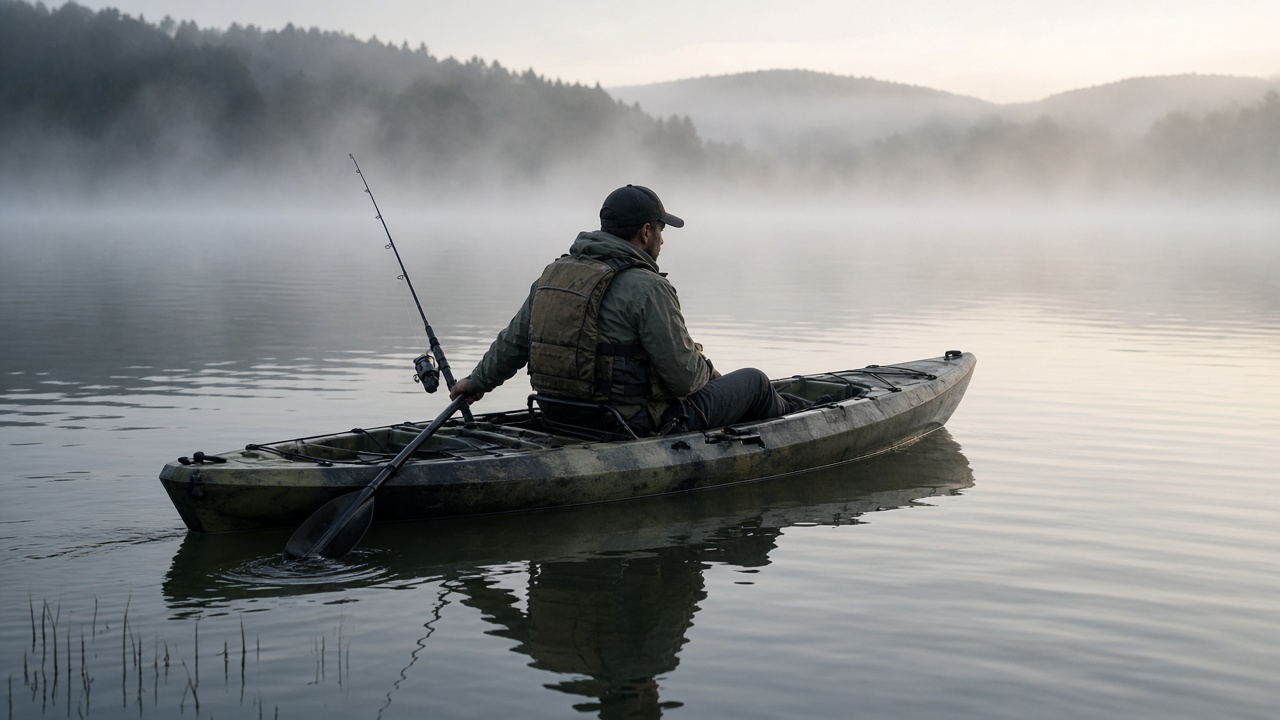
Wear the Stohlquist. Leash the paddle. File a float plan. Practice getting back in. Leave when the wind is a warning. Hands that still work are part of the paddle home.
Key takeaways
- Jacket on, not in the hatch.
- Leash the paddle.
- A pin is not a float plan.
- Practice the re-enter.
Kayak fishing safety is a PFD on your body, a paddle that is leashed, weather you will honor, a float plan someone else has, and a re-enter you have done on a calm day. It is not a crate of rods in a hull you treat like a couch. In 2026 the useful version is still the jacket you are wearing.
Short version. On, not in the hatch. Leash the paddle. Read the wind. File a plan. Practice the wet exit and the climb back. hands that last the paddle home if the other half of the day is your hands at hour six. the wind go / no-go if the lake is already a warning. Check live prices. We do not invent numbers.
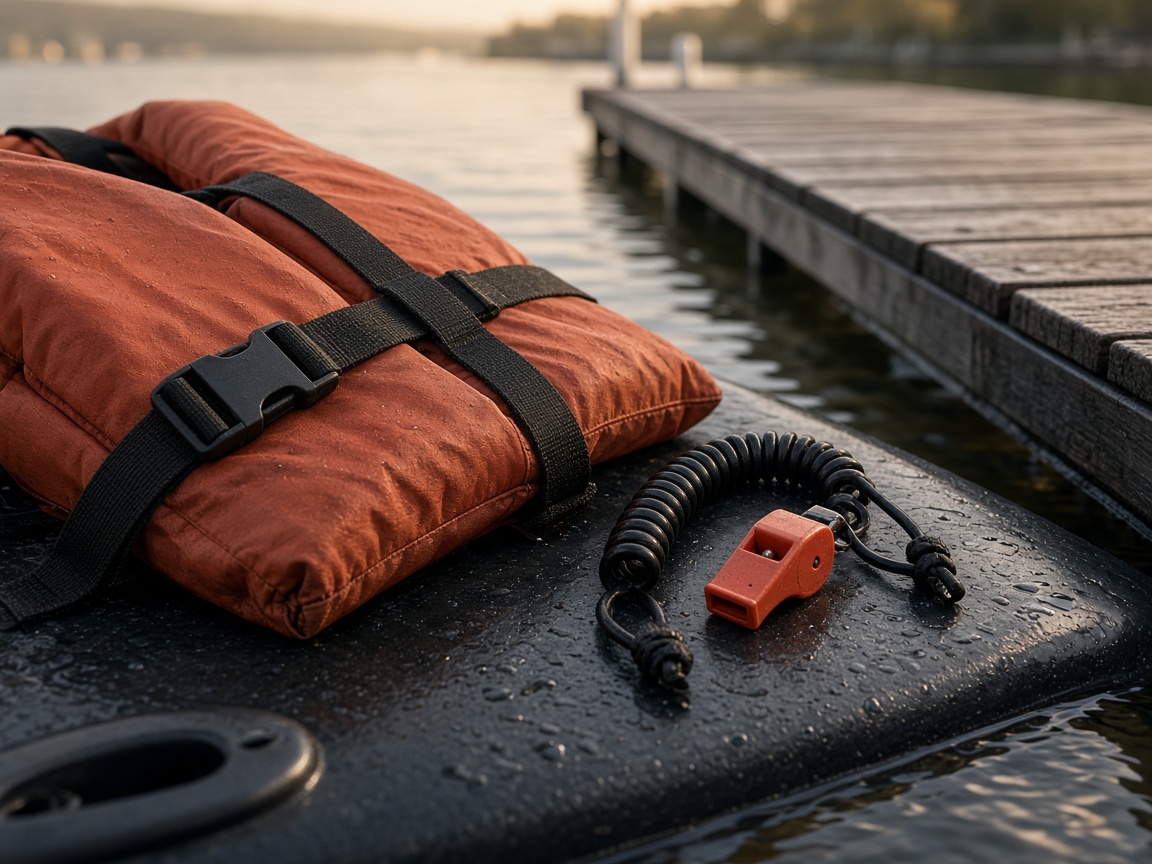
The jacket is on, not in the hatch
A PFD in a compartment is a story you tell after the flip. The Stohlquist Fisherman is the vest we name when the job is pockets you will use and a cut that lets you cast. Wear it. Zip it. water confidence if confidence on the water is still the homework. Check live prices. We do not invent a “I swim fine” exception.
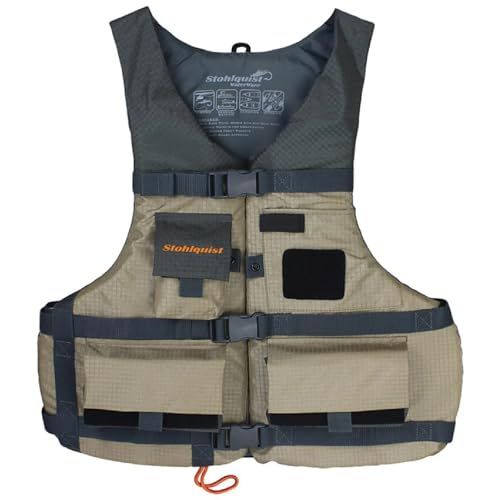
Cold water makes the jacket the whole plan. A summer pond and a spring reservoir are different minutes. If you have not practiced a re-enter in the clothes you fish in, the first flip is a class you did not pay for on purpose.
Leash the paddle
A paddle that floats away is a hull you cannot steer. Leash it. A rod leash is a different sentence — know the law and the manners about what stays attached in a swim. The paddle is not optional. You can fish with one rod. You cannot come home without a blade.
Anchor and stake-out lines are how people flip in a chop they should have left. Keep the deck honest. A nest of cord is a trap for the exit you have not practiced.
Weather and wind are the go / no-go
A small-craft sentence is a no. Wind against a bow you cannot hold is a no. wind limits is the longer card. A “we drove an hour” is not a forecast. Whitecaps on a reservoir you can see from the lot are information. Stay in the lee or stay on the sand.
a busy reservoir weekend if the water is a busy weekend lake. Traffic is a safety tool: you are a low profile. Bright clothing, a light if you will still be out at the edge of day, and a habit of not sitting in a channel because the graph looked pretty.
File a float plan
Who, where, which ramp, which color hull, and when you will text out. A pin on your own phone is not a plan. If you change ramps, change the text. Solo on a weekday is still a plan. The person at home should not learn the lake from a tow report.
Know how to re-enter
Practice on a calm day, close to a beach, in the clothes you fish in. Heel hook, cowboy, paddle-float — pick the method your hull and your body can do. A video is not a re-enter. If you cannot get back in, you do not have a fishing kayak. You have a swim you have not admitted.
a hook in a hand if the other kit is a hook in a hand. a shorter paddle is a win if the honest day is a shorter paddle and a drive you can still do. Hands that are cooked at hour six are kayak-fishing grip — endurance is safety when the wind comes up and you still have to get home.
Cold water, traffic, and the deck that flips people
Spring reservoirs lie. The air can be a t-shirt and the water is still a clock. A PFD you are wearing is the whole plan. The Stohlquist Fisherman is the vest we name because people will leave it on and still cast. Check live prices. We do not invent numbers. A “I swim fine” in fifty-degree water is a sentence that ends in minutes, not a mood. If you have not practiced a re-enter in the clothes you fish in, the first flip is a class you did not pay for on purpose. Do it on a calm day, close to a beach, with a person on the sand who has the float plan.
Traffic is a safety tool you do not buy. You are a low profile. Bright clothing. A light if you will still be out at the edge of day. Do not sit in a channel because a graph looked pretty. Busy reservoirs already have hulls that will not see you until the last second. A lookout on a runabout is not your job to assume. Make yourself obvious or get out of the lane. Ramps and docks are traffic too. Wait. Do not block a launch with a crate explosion.
A nest of cord on the deck is how people flip and then stay attached to the wrong thing. Leash the paddle. Know the law and the manners about rod leashes. Keep the anchor simple. A stake-out in a chop you should have left is how hulls turn into sails. The wind go / no-go still wins. Driving an hour is not a forecast. Whitecaps from the lot are information. Stay in the lee or stay on the sand.
Hands that are cooked at hour six cannot paddle a rising wind. Grip endurance is safety, not a gym hobby. Eat. Change the cadence. A shorter day with a paddle home is a win. Leave tank includes the shoulders.
Float plans, hooks, and the person on the sand
Who, ramp, hull color, where you will fish, when you will text out. If you change ramps, change the text. A pin on your own phone is not a plan. Solo on a weekday still needs a person who will call. The person at home should not learn the lake from a tow report. Write the color of the hull. “The kayak” is not a description when the ramp has twelve of them.
A hook in a hand is a kit you can reach and a decision about the day. Practice a hook-out on fruit at home. We do not invent meds. A barb in a joint is a dock clock, not a tough-it-out. Pliers you can find with wet fingers live on the body, not in a hatch you cannot open upside down. The jacket pockets are why we named a fisherman vest, not a ski vest you will hate in twenty minutes.
Re-enter is homework. Heel hook, cowboy, paddle-float — pick the method your hull and your body can do. A video is not a re-enter. If you cannot get back in, you do not have a fishing kayak. You have a swim you have not admitted. Practice until it is boring. Then fish. Water confidence is the same class with fewer rods.
Night paddles are a different class. If you have not done the same water in daylight until it is dull, you do not have a night bite. You have a hope. Lights that work. A lookout in your own head. The wind at dusk is often the wind that grew. Turn earlier than the feed would.
The kayak-fishing card
Jacket on, not in the hatch. Leash the paddle. Wind is a sentence. Float plan with a hull color. Re-enter practiced in fishing clothes. Hands that can still paddle home. Stohlquist Fisherman is the listing we named. Check live prices. Disclosure lives on /affiliate-disclosure/.
If the vest is in a compartment, you already failed the first line. If the paddle is unleashed, you are one flip from a swim you cannot steer. If nobody has the ramp and the time, you are a pin. Put the card on the fridge: color, ramp, clock. Tired you will skip the text. The fridge will not. A shorter paddle is a successful trip. The fish will be there on a kinder hour. The wind will not wait for your pride.
Cold water, traffic, and a deck you kept honest — that is the rest of the card. Bright so they see you. Out of the channel. Off the water when the lot already shows whitecaps. The store will still sell rods tomorrow. It will not sell a better first flip. Practice the boring one.
What stays on the body when the hull is upside down
If it matters after a flip, it cannot live only in a hatch you cannot open. Jacket on. Whistle on the vest. Pliers on a clip. A small kit or the means to reach the Sportsman zipper if you carry one in a deck bag that actually stays put. We named the Stohlquist because the pockets are the point. Check live prices. A phone in a dry bag on the body is the float-plan check-out. A phone in a crate is a donation. A spare paddle is useless if you never practiced deploying it. Leash the primary first. Then argue about the spare. A hook in a hand is still a sit and a decision. Do it on the water only if the hull is stable and you can still paddle. Otherwise the sand is the clinic.
Seasonal water changes the card. Winter and early spring are cold-water rules even if the lot is a t-shirt. Summer is traffic and heat. Heat on a sit-on is shade you do not have and water you must drink. A cramp in a hull is a re-enter you should have already done. Shorter is a win. Fall wind comes up faster than a feed admits. If the lot flag is already a sentence, the wind page is the trip. Stay on the sand. There will be another weekday. There may not be another first flip you wanted to skip. Practice the boring one. Then fish. Hands that still close on the paddle are the homeward skill. That is safety with a rod in the other hand.
A weekday launch with one other hull is still a briefing you give yourself: jacket zipped, leash on, text sent, wind read from the lot, re-enter you have already done. If any line is a maybe, the rods stay in the car. That is a successful trip. The fish do not grade you. The paddle home does.
Also in the magazine
Keep going with jackets and wet exits, the ramp and the dock are still traffic, field first aid, and leave tank. We only link pages that already live here. Disclosure lives on affiliate disclosure, not as a banner here.
Frequently asked questions
What is the first kayak-fishing safety rule?
The PFD is on your body. A vest in the hatch is a story after the flip.
Which life jacket are you naming?
Stohlquist Fisherman. Wear it. Check live prices. We do not invent numbers.
Why leash the paddle?
A paddle that floats away is a hull you cannot steer. You can fish with one rod. You cannot come home without a blade.
What is a float plan?
Who, ramp, hull color, where you will fish, and when you will text out. A pin on your own phone is not a plan.
Do I have to practice re-entry?
Yes, on a calm day, in the clothes you fish in. A video is not a re-enter.
When is the wind a no?
When you cannot hold the bow or the lake is already a warning. See the wind guide. Driving an hour is not a forecast.