
Improve Your Grip Endurance for Long Kayak Fishing Days
Written by John Wren|
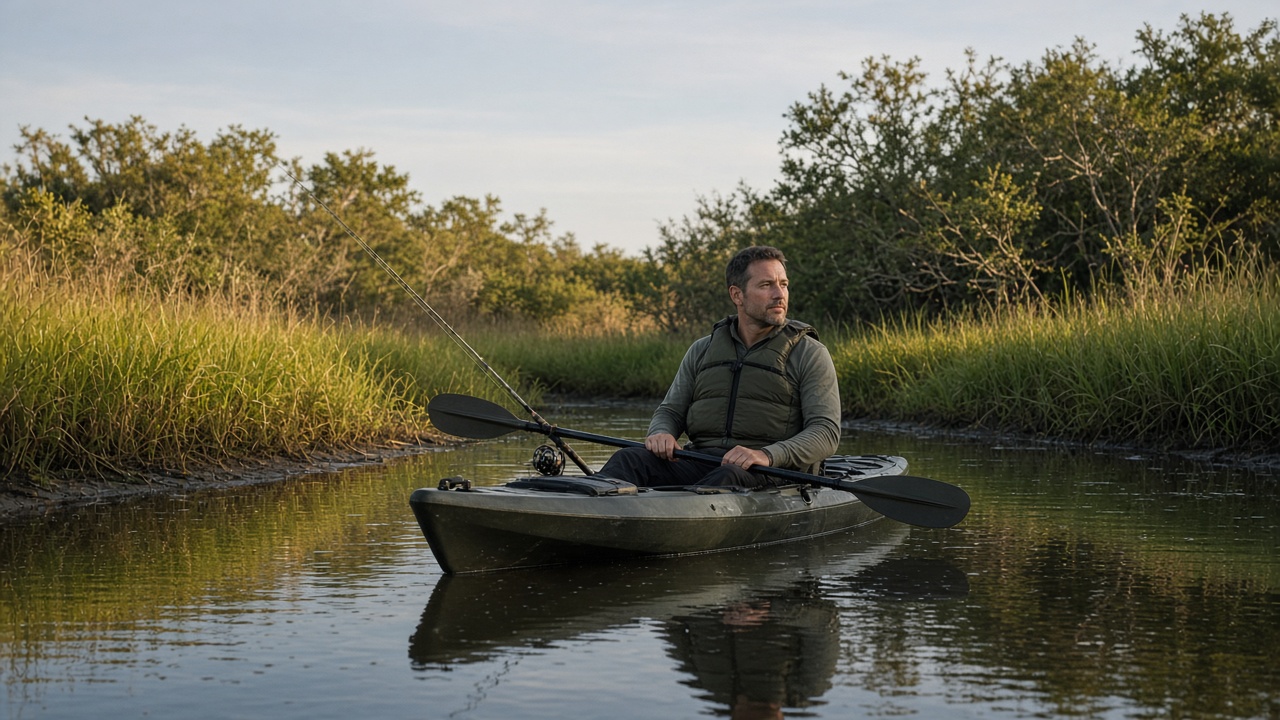
Relax the paddle by default, rotate instead of muscling, train hangs and carries, and wear a fishing PFD that does not hike your shoulders. Tighten only for the hook-set.
Key takeaways
- Death grip is a panic habit with a delay.
- A sloppy boat steals extra hand work.
- Open-hand work prevents the one-sided forearm.
- The vest is part of posture, not only flotation.
Long kayak fishing days cook the hands in a quiet way. The paddle, the rod, the leash, the crate lid, the wet line — none of it is heavy until hour five, when the forearm pump makes a simple hook-set feel like work. In 2026 the fix is still not a novelty gripper from an ad. It is paddle technique, a looser default grip, a vest that lets you sit honest, and a little strength work you will actually do.
Short version. Stop death-gripping the shaft. Catch, rotate, relax. Train hangs and farmer carries once or twice a week. Wear a fishing vest that fits so you are not hunched. kayak fishing safety is the Stohlquist we name. planning the kayak day is the day-planning page. Check live prices. We do not invent numbers.
If your hands go numb, that is a medical conversation, not a “more caffeine” conversation. This page is endurance, not nerve damage.
Technique is the first endurance program
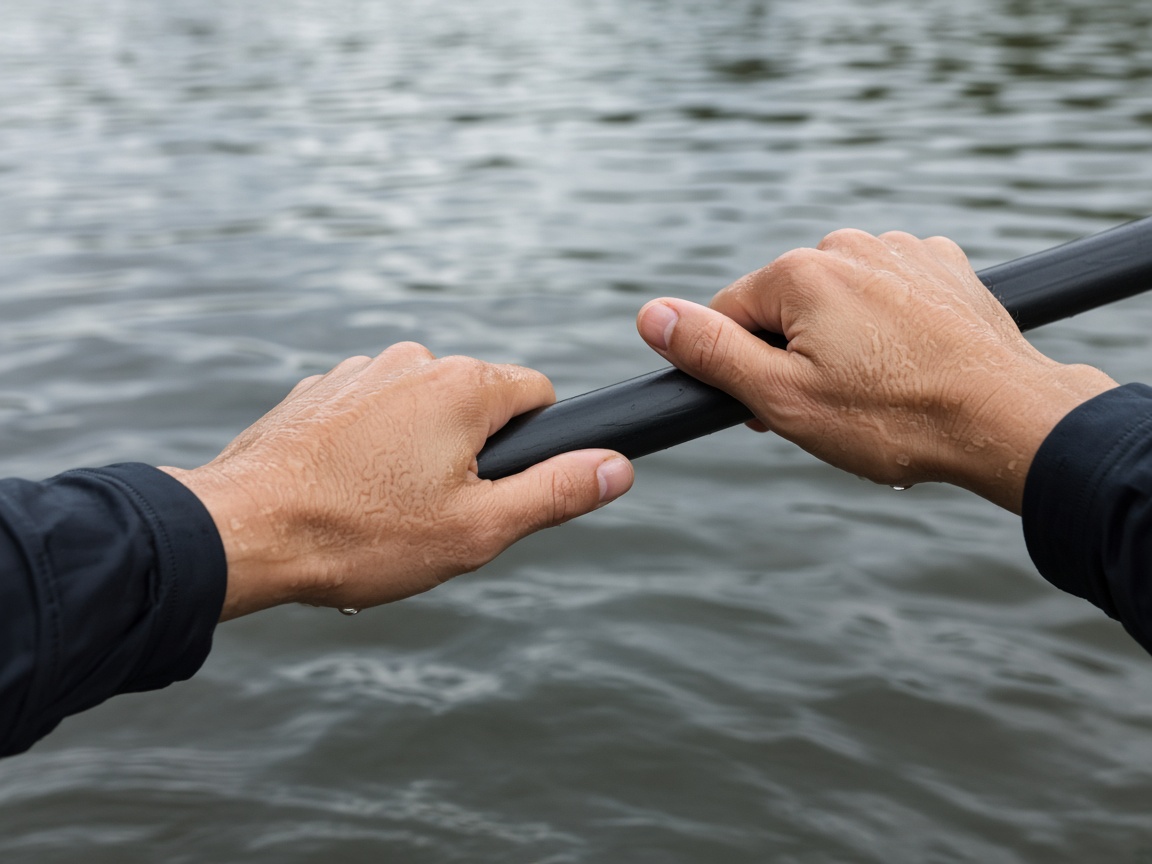
A death grip is a panic habit. Wet shaft, a little wind, a fish in the area — the hands close and never open. The forearm stays on. Ten minutes later you are pumped and you have not caught anything. Hold the paddle like you might need those fingers in an hour. Enough to control the blade. Not enough to leave nail marks in the foam.
A high, tense paddle stroke is a shoulder and grip tax. Drop the top hand. Rotate the torso. Let the blade do a quiet catch instead of a slap. In wind, a shorter stroke and a more vertical blade can be less fight than a long sweep you cannot finish. when wind is too much if the day is already too much lake.
Rod work is the same lesson. A death grip on a spinning rod is how people cramp on a 14-inch fish. Relax on the retrieve. Tighten for the hook and the boatside. Then relax again. You cannot stay at 90 percent for a six-hour drift.
The boat can steal your hands
A crate that will not stay, a paddle that will not stow, a leash that knots, a seat that slumps you onto your wrists — all of that is extra grip. Spend one evening on the lawn making the boat quiet. If you need two hands to do a one-hand job, the boat is wrong.
Gloves are a maybe. A thin paddle glove can reduce hot spots. A thick winter glove can make you grip harder. Try them on a short day before a long one. Tape a hot spot early. The first tear in the skin is the rest of the day.
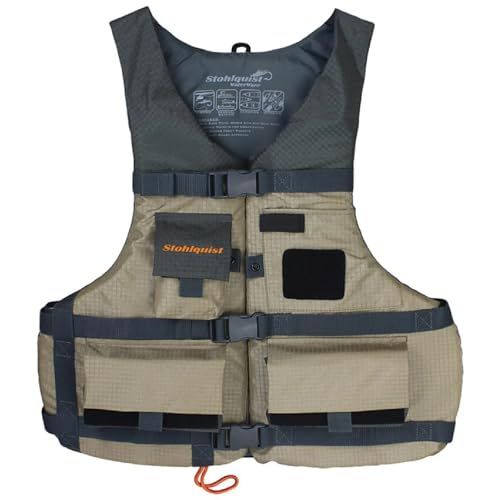
The Stohlquist Fisherman is the PFD we name because it is built for anglers who need pockets and a cut that lets you paddle. A vest that rides up or binds the shoulders will make you tense, and tense is grip. Check the live listing for your size. We do not invent prices.
Simple strength that transfers
You do not need a kayak-specific gym. Dead hangs from a bar, farmer carries, and a towel wring in a bucket will do more than a tiny spring gripper you use while watching a screen. Two short sessions a week beat a heroic Monday and nothing until the trip.
Train the open hand too. Rubber-band finger opens, rice-bucket work, or just spreading the fingers hard for sets of twenty. The muscles that close get all the lake time. The muscles that open get ignored, then the elbow complains.
Shoulders and mid-back are part of grip. A weak torso makes the hands do the rotation. A few rows and a face-pull at home will show up on hour four. not finishing drained if the whole body is the thing that is crashing, not only the hands.
On the water: manage the clock
Shake the hands out every twenty minutes. Open the fingers. Drop the paddle across the lap if the lake allows. Eat. Drink. A cramp that is really a salt and food problem will not stretch away. easier first days if you are still building the day itself.
Anchor and stake-out work is grip-heavy. Do it on purpose, then rest. Do not pick at a stuck pole for ten angry minutes. Change the plan. A long fight on a big fish is the exam. You want something left for the net. kayak fishing safety if the exam includes a capsize.
Cold water makes grip worse and makes a swim worse. Dress for the swim. The vest is not optional because you are “just in the creek.” Creeks still flip people who are reaching for a rod.
Loose hands last longer
Grip endurance on a kayak fishing day is technique, a quiet boat, a vest that fits, and a little honest strength work. Relax by default. Tighten for the moment. Check live prices if the PFD is the hole. We do not invent numbers. We also do not invent a miracle gripper.
The angler who can still feel the rod at hour six is the angler who stopped squeezing at hour one.
The shaft and the blade you chose
A paddle that is too long makes you reach and grip to steer. A paddle that is too short makes you chop and grip to get any hold. Size the shaft to your boat width and your height, then stop chasing grams. A drip ring that works keeps water out of your sleeves so you are not shivering and squeezing. Small comforts are endurance.
Blade size is ego. A huge blade in wind is a gym you did not sign up for. A smaller blade at a higher cadence can be less pump and more boat speed. Try it on an empty lake before you take it fishing. The fish do not score your paddle.
Ferrules that slip force a recovery grip every stroke. Service the joint. A piece of tape as a mark for your offset saves the mid-day fiddle. Fiddle is grip. Eliminate fiddle.
Hooks, pliers, and the other hand jobs
Pliers, lip grips, and a crate lid are a second sport. Put the tools where a tired hand can find them without a fight. A lanyard that knots is a tax. A sheath that needs two hands is a tax. One-handed work is how hour six stays possible.
Braided line and a bad pair of clippers will shred a thumb. That shred will then change every paddle stroke. Carry a tool that actually cuts. Tape the thumb at the first burn. Hero-fishing through a slice is how people bleed on a fish they did not need to keep.
A net with a hopeless rubber bag is a wrestling match. Spend one evening making the net a one-hand scoop. The grip you save at the boatside is the grip you needed for the next mile home.
Elbows, necks, and the sit
Grip pain that is really an elbow is a load-path problem. Soften the paddle catch. Raise the seat if you are collapsed. A lumbar that is gone by noon will make the hands do the torso’s job. A cheap seat upgrade or a small pad is not luxury. It is how the chain of joints shares work.
Look up. A neck that stays locked on a fish-finder all day will announce itself at 4 p.m. as a headache you blame on the sun. Scan. Stretch. The blood-pumping part of kayak fishing should include the big muscles, not only the forearms.
If one hand goes colder or weaker than the other, stop diagnosing it as “grip endurance” and look at the neck and the tiller case. Asymmetry is information. A shorter day and a clinician beat a winter of “I just need to train more.”
Seasonal changes to the same lake
Winter paddling in pogies changes the grip again. Practice in them before a long fish. Summer slime on the shaft is its own problem — a bit of tape or a known grip zone beats a shaft that is a bar of soap. Spring runoff current is a steering tax. If the creek is moving out of your league, the endurance plan is to go to a pond. Hands cannot out-train a river you should not have sat on.
Travel days plus a long paddle is the same stack as a hike after a red-eye. Sleep. Then fish. The hands will last longer if the rest of you is not already empty. Leaving something in the tank applies on the water the same as on a ridge.
Tape a hot spot on the palm at the first rub, not after the skin opens. A torn palm changes every stroke and every hook-set. That is how a small blister becomes the story of the fish you lost at the crate.
On a windy return, switch to a shorter stroke before you switch to a harder squeeze. The boat will tell you. If you cannot relax the bottom hand for one stroke in ten, you are already late for a sit and a snack. Take the sit.
A leash that fights you is extra grip. Rethread it at home. A crate lid that needs two hands is extra grip. One bungee done right is a Saturday you can still feel.
A twenty-minute homework that is not a gadget
Two times a week, hang from a bar for three sets of twenty seconds. Carry a heavy bag in each hand down the driveway and back. Wring a wet towel like it owes you money. That is the program. If you miss a week, you did not fail. You just start again before the next long float.
Do not add a death-grip squeeze tool on the couch as a substitute for relaxing the paddle. The lake problem is too much tension. The homework is strength plus the skill of letting go. People skip the second half and then wonder why the pump comes back at hour three.
If a session leaves your elbow hot, that session was too much. Drop the hangs for a week. Keep the boat quiet. The goal is a Saturday you can still type on Monday, not a forearm that looks trained in a photo.
Log the long days: hours, wind, and when the hands died. Patterns show up. Maybe it is always the crate lid. Maybe it is always the last mile into a headwind. Fix the pattern, not the personality.
Also in the magazine
Keep going with kayak day planning, kayak fishing safety, wind limits, and days that do not drain you. We only link pages that already live here. Check live prices. We do not invent numbers.
Frequently asked questions
Why do my hands die on long kayak days?
Death grip, a noisy boat, skipped food, and no rest for the open hand. Technique first.
Do grip trainers work?
A little. Hangs, carries, and not squeezing the paddle all day work more.
Should I wear gloves?
Try them on a short day. Thin can help hot spots. Thick can make you grip harder.
Why a fishing PFD here?
A vest that binds your shoulders makes you tense. Tense is grip. We name the Stohlquist Fisherman.
Is numbness just endurance?
Not always. Numbness and night pain are a reason to talk to a clinician.
What is the on-water habit?
Shake the hands out, eat, and relax the shaft until you need it.