
Helpful Tips for Staying Safe on a Boat Trip
Written by Ben Jackson|
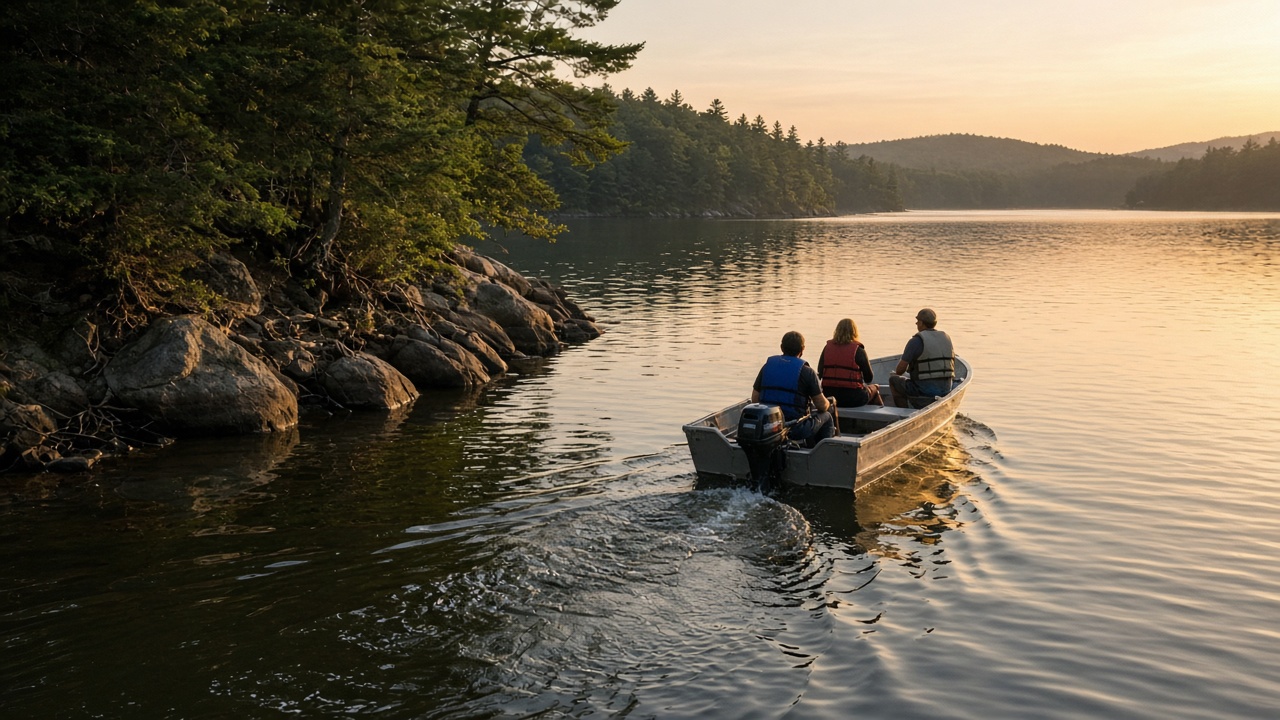
Wear the O'Neill. Clip the lanyard. One sober skipper. Dry-bag the phone or VHF. Count heads every stop. Old fuel and a tired bank are safety issues too.
Key takeaways
- Jackets on the body.
- Clip the kill switch.
- Sober skipper.
- Count heads out loud.
A safe boat trip is jackets on, a kill switch you actually clip, weather you will honor, a sober skipper, a phone or VHF in a dry bag, and a head count that matches the faces you left the dock with. It is not a cooler that is the plan. In 2026 the useful version is still the boring list you do before the music.
Short version. Vest on the body. Lanyard on the kill switch. Read the wind. One person is sober and in charge. Communications live in a bag that can swim. Count heads every stop. jackets are not a debate if jackets are still a debate. the wind go / no-go if the lake is already a sentence. Check live prices. We do not invent numbers.
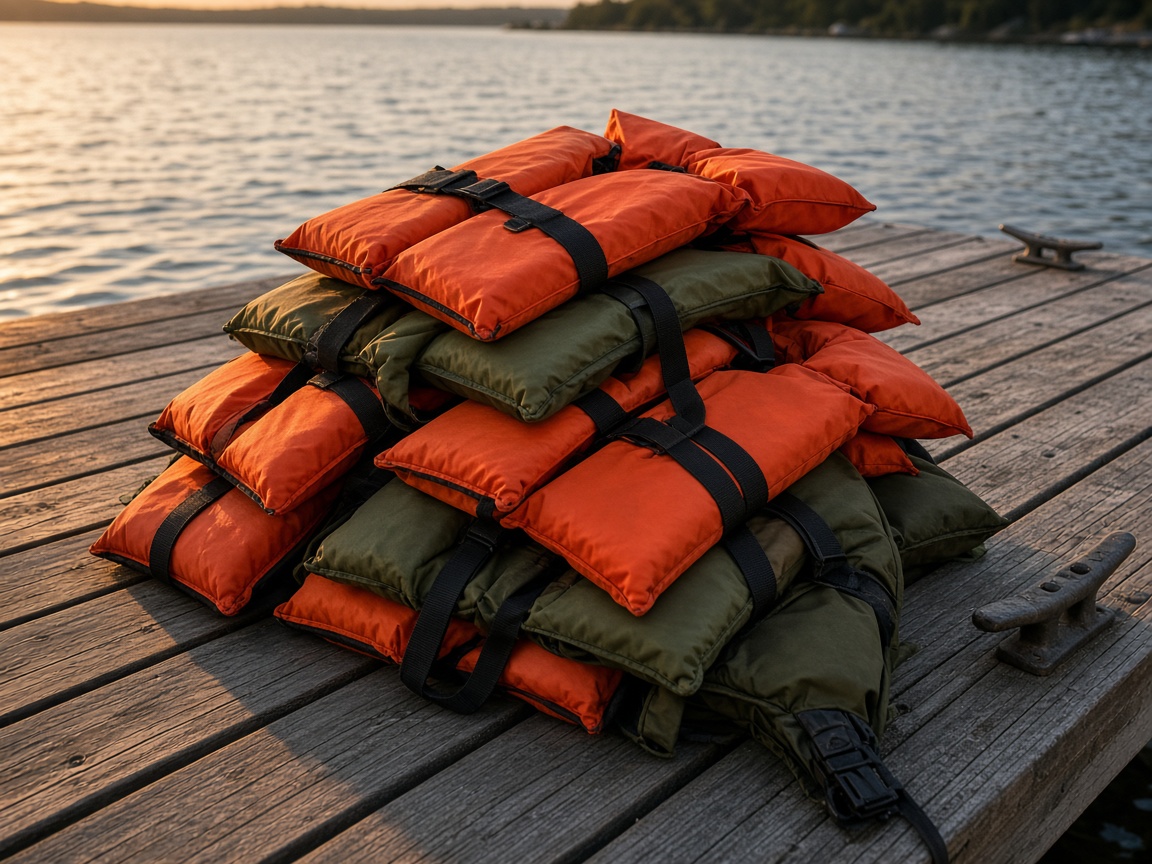
Jackets on
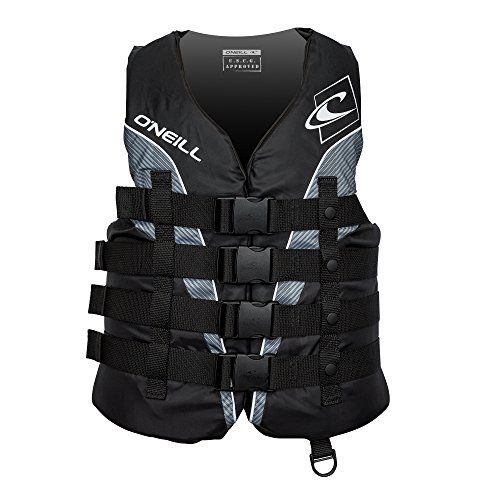
Kids wear them the whole ride. Adults who “will put it on if it gets choppy” are the people who meet the chop already in the water. The O’Neill Superlite is the USCG vest we name when the job is a vest people will actually leave on. Check live prices. Fit it. Clip it. water confidence if the skill is still the wet part.
Guests who cannot swim are not a secret you keep from the skipper. Tell the boat. Give them a vest that fits, not a decorative extra from the under-seat bin.
Kill switch and a sober skipper
Clip the lanyard. A man-overboard who is also the only person who can reach the key is a hull that keeps going. Practice a stop. Know where the cutoff lives if the lanyard is not the only way. A guest on the wheel is still your boat if your name is on the paper.
Sober is the skipper. The cooler can wait until the lines are on and the key is out. A “just one” at 20 miles an hour is a report. We are not cute about this. The trip is a car that floats. Treat it like a car that floats.
Weather is a gate
A warning is a no. Building wind on a long fetch is a turn for the lee or the ramp. wind limits is the card. Lightning is a metal chair you are sitting in. Get off the water. a busy lake is not a dare if the weekend lake is already a parking lot of poor decisions — you do not have to add one.
VHF or phone in a dry bag
A phone in a cup holder is a phone you will donate to the lake. Dry bag, on a person or a known clip. A VHF you have already used on weather and a hailing channel is better than a hope. We will not invent a radio ASIN. Learn the one you own. Channel 16 is not a chat room.
a bank that still starts the day if the boat’s electrical story is already a flicker. A dead bank is a quiet radio and a darker ride home. old fuel is a safety issue if the tank is last fall’s science project. Safety includes a motor that starts when the sky changes.
Count heads
Leave the dock with a number. Return with the same number. Every swim stop, every sandbar, every “quick jump.” A kid in a tube behind a moment of sun is how counts fail. Assign a person who is not the skipper to be the count. Say the number out loud.
the slip after the ride if the other half of the trip is a first-year slip. hurt on a boat is a dock clock if someone is already hurt — bleed and a dock are a hospital clock. shorter than the beer plan if the useful trip is shorter than the beer plan.
Guests, kids, and the person who cannot swim
A guest list is a safety briefing you actually say out loud: jackets, where the throwable lives, who is skipper, where the kill switch is, where the dry bag lives, and the number you will count. It takes a minute. People who laugh at the minute are data. The O’Neill Superlite is the vest we name when guests will leave it on. Check live prices. Fit kids in kids’ gear. An adult vest yanked around a six-year-old is a legal fiction. Tell the skipper who cannot swim. It is not a secret. It is the seating plan.
Tubes and a “quick jump” are where counts fail. Assign a person who is not on the wheel to be the count. Say the number out loud every stop. A kid behind a moment of sun is the usual story. The sober skipper does not also try to be the lifeguard, the DJ, and the grill. One job at the helm. The cooler waits until the key is out. We are not cute about this. The trip is a car that floats.
Night returns are a different trip. Nav lights that work — the electrical half — and a lookout who is not on a phone. A phone in a cup holder is a donation to the lake. Dry bag, on a person. A VHF you have already used beats a hope. We will not invent a radio ASIN. Channel 16 is not a chat room. Old fuel is a safety issue when the sky changes and the motor is a rumor. Smell the tank before the Saturday, not at 4 p.m. in a building wind.
A warning is a no. Building fetch is a turn for the lee or the ramp. Lightning is a metal chair. Get off the water. A busy lake is not a dare to add one more poor decision. The useful trip is shorter than the beer plan. Leave tank.
Dock, ramp, and the minute after the ride
Lines in a hand before the gap. A guest on the bow who has been told to sit is a guest who will still stand. Brief them. The slip is part of the trip, not an afterthought you invent with music still up. Kill switch stays clipped until the idle is a dock idle you mean. Jackets stay on until the feet are on a thing that does not float. People take them off in the last fifty feet. That is still water.
A ramp circus is patience. Do not block the lane with a gear explosion. One person at the wheel, one on the trailer, a plan you have walked in a driveway. A first-year owner who learns the ramp on a holiday Saturday is taking a class with an audience. Take the class on a Tuesday. Jackets on for the class too.
Hurt on a boat is a dock clock. Bleed, then the vest you are already wearing, then a sit that is not a hero ski back to a party. Field first aid still applies: unsure is evacuate. The car at the lot is the clinic. Point the trailer so you can leave. A blocked-in Saturday is a story when someone is already cut.
Count heads at the dock the same as at the sandbar. The number does not change because you can see the truck. Say it. Then the key is out. Then the cooler. That order is the trip.
The boat-trip card
Jackets on. Kill switch clipped. Weather is a gate. Sober skipper. Comms in a dry bag. Count heads out loud. O’Neill Superlite is the vest we named. Check live prices. Old fuel and a tired bank are safety. Disclosure lives on /affiliate-disclosure/.
If the lanyard is hanging on a key you are not wearing, clip it. If the phone is in a cup, bag it. If the number in your head is a maybe, count again. If the sky is a warning, the trip is a ramp. There will be another Saturday. There may not be another chance to be the boring boat. Be the boring boat.
Guests remember the briefing as care or as a joke. Make it care. Kids remember the vest as normal or as a fight. Make it normal. The feed does not need a wake that hit a dock. The lake already has enough of those. Your name on the paper is the job. Do the minute. Then enjoy the water you still have.
Fetch, fuel, and the trip you shorten
A lake that is glass at the dock can be a different lake two miles out. Look at the fetch, not only the cove. Whitecaps you can see from the lot are a no you do not negotiate with a cooler. The wind card is the trip card. A sober skipper still needs a bank that starts and a tank that is this season. A flicker is a night problem you do not want at 3 p.m. Varnish is a rebuild you can buy by accident. Smell it on a Tuesday. The O’Neill stays on while you learn that the pretty cove is a longer ride home than the map felt. Check live prices. We do not invent numbers.
Ski and tube days need a spotter who is a spotter, not a second drink. The count includes the person in the water. The motor is in gear only when the spotter says so. That is not advanced. That is the trip. A first-year helm should not learn this on a holiday. Learn it on a quiet evening with two people and jackets. The dock after is still lines and a kill switch you have not unclipped for a photo. A prop nick is a dock clock. Unsure is the lot. Shorter than the beer plan is how people still have a Sunday. Be the boring boat. The lake has enough of the other kind. Your name on the paper is the job. Do the minute. Count the heads. Then enjoy the water you still have.
Before the music, walk the boat like a person who might have to leave it: jackets that fit the faces on board, lanyard on a body, dry bag clipped, throwable you can reach, a number you can say. Then the key. Then the cove. If that walk finds a hole, the trip is a Tuesday fix, not a Saturday speech. Jackets stay the habit even when the cove looks kind. A guest who laughs at the minute is data. A kid who treats the vest as normal is the win. Count heads again at the trailer. The number does not change because you can see the truck.
Also in the magazine
Keep going with first-year dock habits, boat electrical, varnish in the tank, and field first aid. We only link pages that already live here. Disclosure lives on affiliate disclosure, not as a banner here.
Frequently asked questions
What belongs on every boat trip?
Jackets on, kill switch clipped, weather you will honor, a sober skipper, comms in a dry bag, and a head count.
Which vest are you naming?
O'Neill Superlite USCG Life Vest. Fit it and leave it on. Check live prices.
Why clip the kill switch?
A skipper in the water and a hull that keeps going is the failure. Clip the lanyard.
Can the skipper drink?
No. Sober is the job. The cooler waits until the key is out.
Phone or VHF?
Something that will still work wet, in a dry bag, that you have already used. Channel 16 is not a chat room.
When do I count heads?
Leaving the dock, every swim stop, and coming back. Say the number out loud.