
How To Troubleshoot Common Electrical Problems in Boats
Written by John Wren|
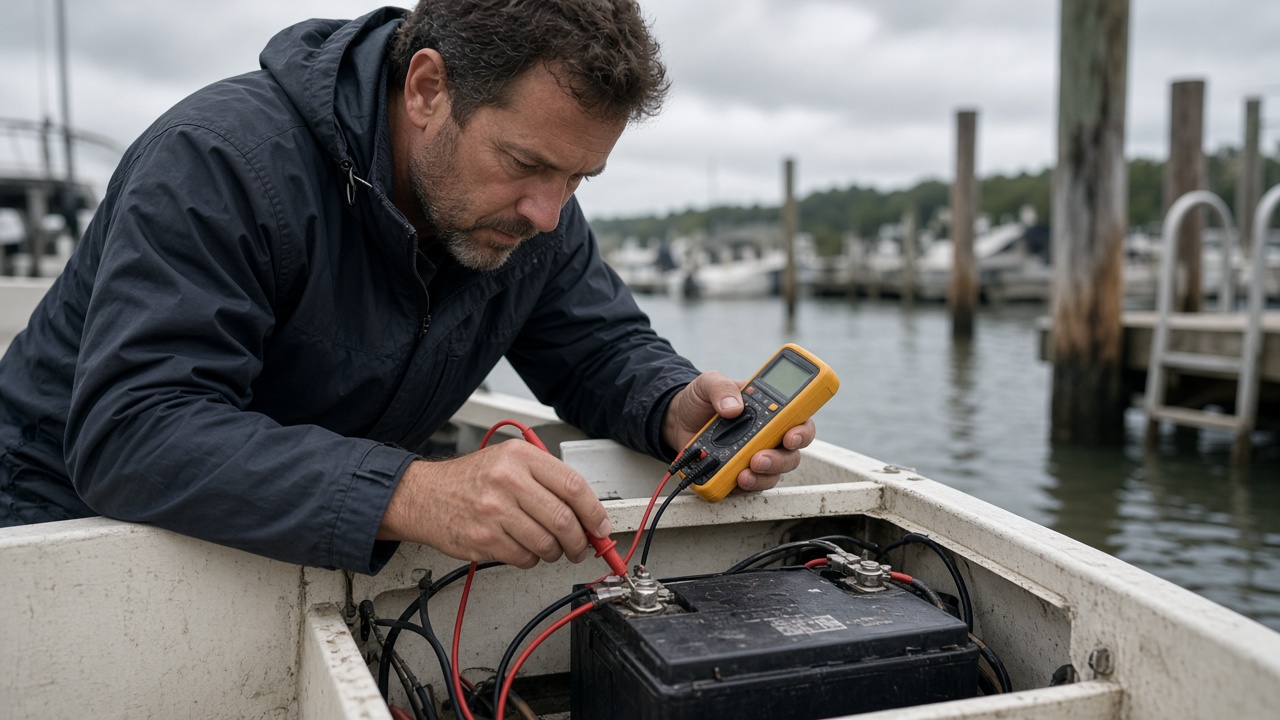
Confirm voltage. Clean grounds. Read the fuse as a message. Measure drop at the load. Stop if insulation is cooked.
Key takeaways
- Start at the battery, not the pump.
- A blown fuse is a message.
- Grounds fail in damp.
- Stop when you smell heat.
Boat electrical problems are usually not mysteries. They are a loose ground, a dead battery that was never charged, a switch that looks on and is not, or a fuse that already told the truth. In 2026 the expensive failure is still the one you diagnose with a parts cannon instead of a meter.
Short version. Start at the battery. Confirm voltage. Confirm the ground. Confirm the fuse and the breaker before you blame the pump. the fuel side of the same week if the engine side is the other half of this week. what skipped maintenance costs on a ski if the ski taught you the same lesson. We are not naming Amazon electrical parts here. A wrong gauge or a counterfeit fuse is a fire, not a kit card.
This is not a rewire manual. It is the order that keeps you from replacing a good bilge pump because the ground was green.
Safety first, then the meter
Kill the battery switch if you have one. Do not work on a live house bank with a ring on your finger. Gasoline and sparks are a pair. If you smell fuel, the electrical job waits. If you are standing in water in the bilge, you are the path.
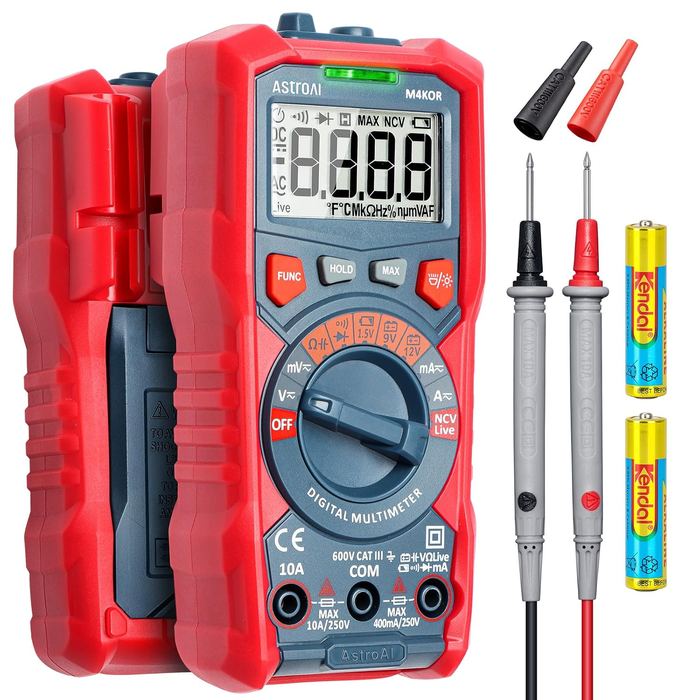
A cheap digital meter is the tool. A test light is a rumor. You want numbers: resting voltage, cranking voltage, voltage at the load.
The battery is guilty until proven charged
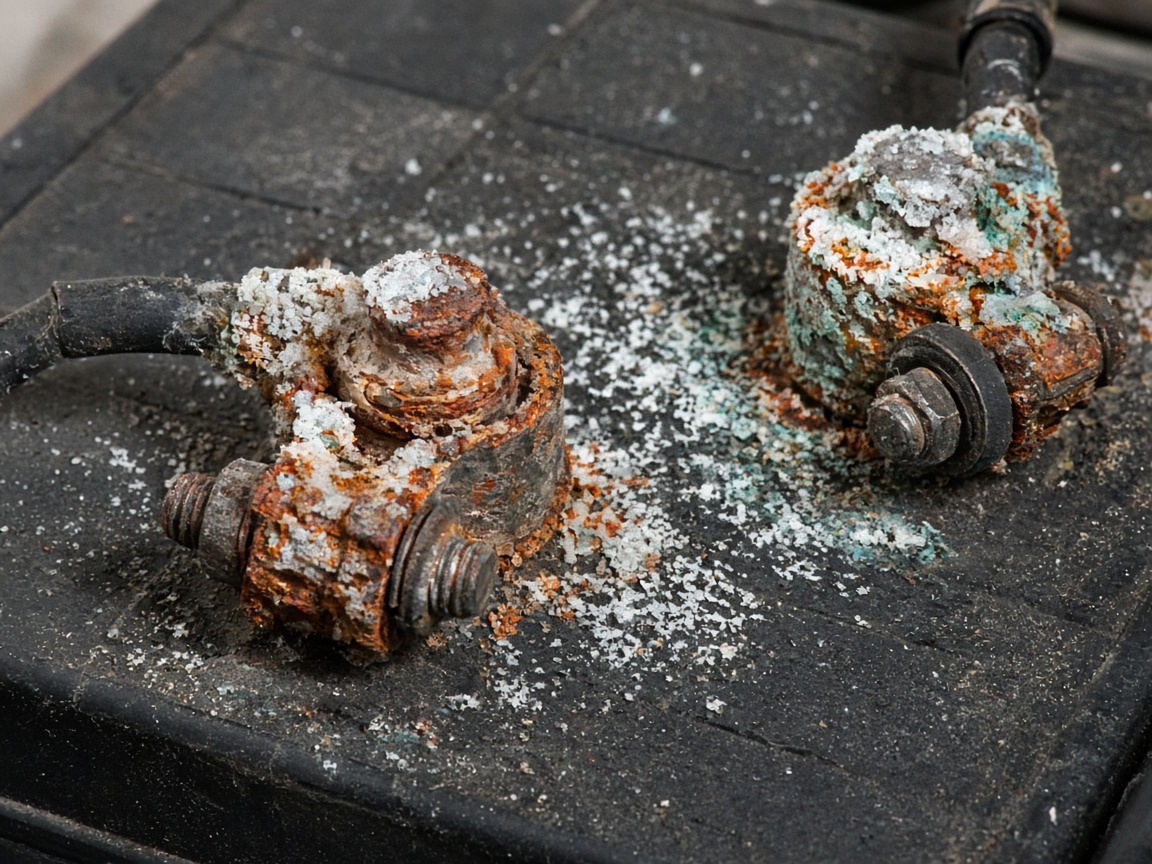
Resting voltage under 12.4 on a 12-volt lead-acid bank is already a story. Cranking that sags hard is a story with a tow. Clean the posts. Clean the grounds. A pretty cable with a green clamp is not a connection.
If the charger is on the dock and the battery is still low, the charger, the plug, or the bank is the job — not a new stereo.
Fuses and breakers tell the truth
A blown fuse is a message. Replacing it with a bigger one is how boats burn. Find why it opened. A pump that locked, a wire that chafed, a switch that welded. Then replace with the same rating.
Breakers that trip on one circuit are the same message. Do not hold them in. That is a heater.
Grounds fail more than positives
Marine grounds live in damp. The engine block ground, the bus ground, the pump ground — they all grow film. A lamp that is dim and a pump that is slow often share a dirty return, not a dying motor. Clean to bright metal. Use the right terminal. Do not stack seven rings on one stud and call it a bus.
the dock side of a first boat if the shore power side of this is the other half of your first year.
One circuit at a time
Turn everything off. Turn one load on. Measure at the battery, then at the load. Voltage drop on the positive or the ground tells you which side is thin. A pump that runs on a jump but not on the boat is a cable, not a pump.
Label what you prove. The next time you will not start from myth.
When to stop
If the insulation is cooked, if the bus is melted, if you smell heat, stop. That is a yard or a marine electrician. A field note can teach order. It cannot teach you to hide a burned harness under a new panel.
the wind go / no-go if you also need the go / no-go for the day you wanted to leave the dock.
Electrical work on a boat is patience plus a meter. Skip the patience and you buy the same pump twice.
Pumps, float switches, and the water you ignore
A bilge pump that runs dry is a fuse waiting to open. A pump that never runs is a drowned boat waiting for a rain. Lift the float by hand before you launch. Listen. If you cannot hear it, you do not have a pump. You have a decoration. Measure voltage at the pump while it runs. A happy number at the battery and a sad number at the pump is a cable, not a motor.
Float switches stick with oil and hair. Clean them. Do not leave a pump on manual and walk to lunch. That is how batteries die at the slip and how people invent a “mystery drain.”
Dock habits include looking in the bilge when you arrive, not only when you leave. Water that was not there last week is a story. Tell it before the weekend.
Chargers, plugs, and the dock that lies
A charger that is “on” and a bank that is still low is a plug, a GFCI, a broken ring, or a charger that cooked itself. Check the dock outlet with something you know works. Check the boat end for green. Shore power cords that sit in a puddle are a shock waiting for a bare foot. That is not a Saturday Amazon card. That is a yard or a new cord from a chandlery you can return.
If you winter on a trickle, confirm the trickle is actually a trickle once a month. A failed maintainer plus a month of parasitic loads is a sulfated bank and a no-start that you will blame on the starter.
Labels are a kindness to future you
Write what you proved on tape: “port pump ground cleaned 2026-09.” The next no-start will go faster. A panel with mystery breakers is how people turn off the radio and think they fixed the pump. A paper map in a baggie in the glove of the tow vehicle is allowed to be ugly.
When a circuit is dead, ask what else shares it before you order a part. Navigation lights and a courtesy lamp on the same fuse is a classic. One failed lamp can be a short that kills the other. Isolate. Then buy.
Heat, fuel, and the moment you put the meter down
Gasoline in the bilge plus a spark is not a troubleshooting step. Dry. Vent. Then work. If the insulation is brittle and brown, you are past the field-note stage. A marine electrician is cheaper than a fire. Old fuel is the other no-start. Do not crank a varnish tank while you also chase a ground.
We still will not name Amazon fuses or gauge wire here. A wrong rating is a heater. Buy the rating the maker stamped, from a counter that will still be there if it is wrong.
Lights, nav, and the fuse that is a story
A nav light that is dark is a ticket and a collision plan. Check it in the driveway before dusk is a surprise. A bulb is cheap. A ground that is green is the usual adult problem. Clean to bright metal. Do not stack seven rings on one stud and call it a bus. The dim lamp and the slow pump often share that dirty return.
Courtesy LEDs that flicker are voltage drop, a bad crimp, or a converter that is tired. Measure. A parts cannon of new strips will not fix a thin feed. One circuit at a time. Off. On. Number at the battery, number at the load.
Trailers have their own lights. A ski or a hull that is perfect and a trailer that is dark is still a failed day. The ground at the plug is a classic. The trailer is part of the ski — same family of green crust.
Cranking, clicks, and what is not a starter
A click and no spin is often a battery or a cable, not a starter you should buy on a phone at the ramp. Resting voltage, then a helper to watch the number while you crank. A sag that dies is the bank. A firm number and a click can still be a dirty solenoid stud. Clean. Then shop.
A starter that spins and an engine that will not fire may be fuel. Do not keep cranking varnish into the water. Old fuel is the other chapter. Electrical order still starts at the battery. Fuel order starts at the smell.
Safety kill switches and lanyards that look “on” and are not will make a healthy electrical system look dead. Check the obvious before you pull a panel. The field note is order, not theater.
The kit that is not a parts cannon
A digital meter, a small set of drivers, dielectric grease, sandpaper or a brush for posts, and the fuses the panel actually uses. Label the spare fuse sheet. A bigger fuse is how boats burn. We will not name a counterfeit pack on Amazon. Buy the rating the maker stamped from a counter that will take it back.
A test light is a rumor. You want numbers. Write them. The next time the pump is slow you will know if the drop is new. That notebook is worth more than a second pump on the shelf.
When you smell heat, stop. Cooked insulation is a yard. A field note can teach you not to hold a breaker in. It cannot teach you to hide a burned harness under a new panel. Put the meter down. Call the person who will still be there when the boat is in slings.
The order you say before you buy a part
Kill the switch if you have one. Smell fuel? Stop. Then battery number, then ground, then the fuse as a message, then voltage at the load. One circuit. Write what you proved. A bigger fuse is a heater. A parts cannon is a bill. A meter is the tool. That is the order.
Pumps get a hand on the float before launch. Chargers get a known-good check at the dock. Nav lights get a driveway dusk. Trailers get the same green-crust lecture as the hull. The wind go / no-go still applies when the electrical story is a maybe. Do not leave the slip on a click and a hope.
When insulation is cooked or you smell heat, the field note is over. A yard or a marine electrician is the next sentence. We will not name Amazon electrical parts. A wrong gauge is a fire. Buy the rating the panel stamped from a counter that will still be there on Monday.
Label the breaker. Keep the ugly paper map. Future you is tired at a ramp. Tape does not forget which switch feeds the pump. That is how a boat electrical problem stays a Saturday and not a season.
Kit that belongs here
Named tools only. Check live prices. We do not invent numbers. Disclosure lives on affiliate disclosure.
Also in the magazine
Keep going with the fuel side of the same week, what skipped maintenance costs on a ski, the dock side of a first boat, and the wind go / no-go. We only link pages that already live here.
Frequently asked questions
What is the first electrical check on a boat?
Battery voltage and the ground. Pretty cables with green clamps are not connections.
Why not replace a fuse with a bigger one?
The fuse opened for a reason. A bigger fuse is how boats burn.
Why do grounds fail more than positives?
They live in damp. Film on the return makes lamps dim and pumps slow.
When do I stop and call a yard?
Cooked insulation, melted bus, or the smell of heat. That is not a Saturday parts run.
Do you name Amazon electrical parts?
No. A wrong gauge or a counterfeit fuse is a fire, not a kit card.
What tool actually helps?
A digital meter. A test light is a rumor. You want numbers at the battery and at the load.