
What Happens If You Skip Jet Ski Maintenance?
Written by John Wren|
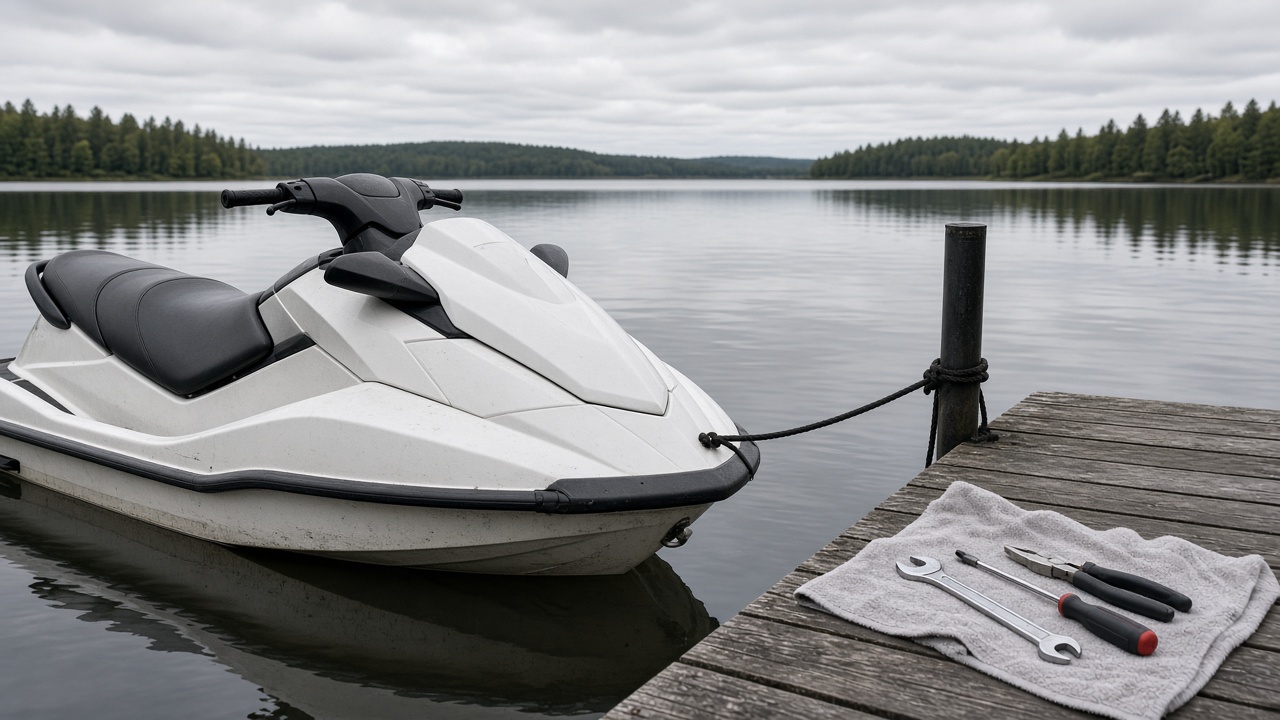
Rinse and flush after the ride, keep oil and cooling honest, check the impeller grate, store fuel and the battery on purpose, and wear a USCG vest because the ski can still quit.
Key takeaways
- A weak tell-tale is a stop, not a dare.
- Salt plus a skipped flush is corrosion on a timer.
- Look at the grate before you blame fuel.
- The vest is maintenance you wear.
A personal watercraft will hide neglect until the one hour you needed it to start, cool, or stay together in a chop. Skipping jet ski maintenance is not a savings plan. It is how a fun machine becomes a tow, a corrosion project, or a swim. In 2026 the useful habit is still a short post-ride list and a seasonal service you actually book — not a winter of “it ran fine in August.”
Short version. Flush after the ride, especially in salt. Keep oil, the cooling path, and the impeller grate honest. Fog and fuel the off-season like you mean it. Wear a jacket anyway, because the day the ski dies you are a swimmer. wear the jacket anyway is the vest we name. when the lake is too windy is when you should not have left the dock. Check live prices. We do not invent shop rates or Amazon numbers.
This is not a dealer scare letter. It is what actually fails when the rinse and the hours get skipped.
The engine is a high-rpm, water-cooled bet
These motors live at high load. Oil that is old, low, or the wrong spec is how bearings and a turbo — if you have one — write a bill. Hours matter more than a calendar if you ride hard, but a calendar still matters if the ski sits. Sitting with dirty oil is its own wear. Check the book. Change it when the book says, not when the neighbor says “those things never need oil.”
Cooling passages clog with sand, weeds, and scale. A ski that overheats once can warp what you cannot see. If the tell-tale stream is weak, you do not “see how it feels for a few more minutes.” You idle in and look. A plastic bag on the intake grate is a classic. So is a crushed hose somebody pinched on a trailer bunk.
Fuel that sits goes stale and varnishes injectors and carbs on older hulls. stale fuel in boats is the same chemistry on bigger boats. A stabilizer in a ski that will sit, and fresh gas for the first spring ride, are cheaper than a rail you have to pull.
Corrosion is the silent skip
Saltwater riders who skip the flush are farming rust in the exhaust, the fittings, and the electrical stack. Freshwater riders are not immune. Wet connectors and a cover that traps moisture will still grow the green crust. A fresh-water flush after every salt ride is not optional. A rinse of the hull, the iBR or reverse bucket, and the trailer lights is part of the same five minutes.
Sacrificial anodes exist for a reason. If yours are gone and you keep riding salt, the ski will pick a more expensive metal to eat. Look at them when you look at the grate. That is a maintenance glance, not a winter project.
Batteries die in storage. A tender through the off-season beats a no-start on the first warm Saturday and a jump that cooks a module. If the ski sits on a lift or a trailer, dry the bilge and crack the cover so you are not growing a biology experiment.
The hole in the water is the grate and the pump
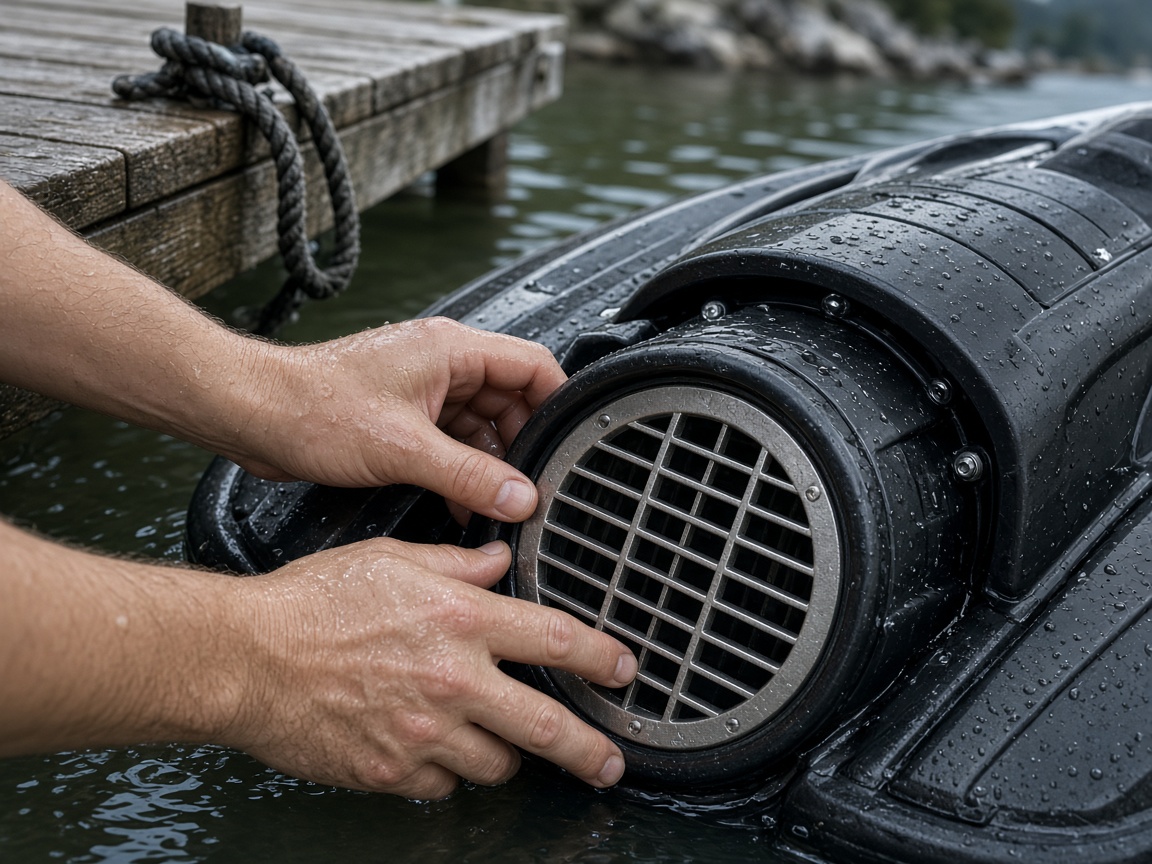
Weeds, line, and a forgotten ski rope will wrap the impeller. The ski feels gutless, vibrates, or overheats. People keep riding. That is how a nick becomes a replacement pump. Kill the engine. Check the grate before you diagnose “it must be the fuel.” A two-minute look saves a Saturday.
Damaged wear rings and a loose pump can wait until the one choppy crossing. Then you have no drive and a long paddle. water skills and reboards if you have never practiced a swim in a jacket. The vest is the maintenance item you wear on your body.
The O’Neill Superlite is the USCG vest we already name on other water pages. When the ski is the thing that fails, you are still required to float. Check live sizes. We do not invent prices.

Hours, belts, and the stuff you cannot see from the saddle
Spark plugs, filters, and the book’s hour intervals exist because these engines are busy. Skip them and the ski will still start — until it does not, usually with guests on the back and a wind line on the lake. A shop that knows the brand is cheaper than a forum diagnosis with the wrong torque spec.
Jet pumps and ride plates take hits in skinny water. If you ran the beach, look at the hull. A crack you ignore in June is a wet electrical stack in July. beach driving prep if your weekend is sand. The ski is not a truck. It does not like being dry-beached as a dock.
Controls, lanyards, and the kill switch are safety maintenance. A stretched lanyard or a switch that only works “if you wiggle it” is a skip that can become a runaway. Replace the cheap part. Ride with the lanyard on. That sentence belongs in every PWC paragraph and still gets ignored.
Winterization is not a vibe
Fog the engine if the book says fog. Stabilize the fuel or drain it as specified. Keep the ski dry, battery tended, and rodents out of the air box. A mouse nest on a manifold is a real fire and a real shop story. Do not leave the cover sealed on a wet hull in a hot shed.
Spring commissioning is a look: hose, clamps, grate, tell-tale, lanyard, and a quiet idle on the hose or in the water as the manufacturer allows. The first ride is not a wide-open lake run. It is a systems check in a pocket you can swim from.
a busy-lake weekend if the lake is a busy reservoir. Maintenance plus manners is how you stay welcome in a crowded cove.
Skip the skip
What happens if you skip jet ski maintenance is predictable: overheat, corrosion, a wrapped pump, a dead battery, and a day that becomes a swim. Flush. Oil. Grate. Fuel. Lanyard. Jacket. Book the hours. Check live prices if a vest is the hole. We do not invent numbers. We also do not invent a $0 maintenance plan.
The ski that starts every time is the ski somebody rinsed on a Tuesday night when they were already tired. That is the whole secret.
The trailer is part of the ski
A ski that is perfect and a trailer that drops a light or a bunk is still a failed day. Bearings that tasted salt want service. Bunks that have gone flat let the hull sit on a board that is really a saw. Straps that are sun-rot will let go on the highway, which is a different kind of maintenance story and a worse one. Walk around the trailer every time you walk around the ski.
Winch straps and bow eyes take a shock load when somebody slams the bunks. Look at the eye. Look at the hook. A bent plate is information. So is a winch that only holds if you knot it. Fix the cheap part in the driveway, not on a ramp with a south wind and a line of judges.
Lights that work in the driveway and fail on the road are usually a ground. That is a twenty-minute problem that becomes a ticket. Carry a spare bulb and the humility to check the plug for green crust. The ski’s electrical stack and the trailer’s electrical stack are cousins. Corrosion does not care which one you ignored.
Riders who skip the briefing
A guest on the back who never heard the lanyard speech is a maintenance skip of a different kind. Show the stop. Show the shallow. Show the no-wake. A ski is not a rental toy you throw keys at. The first five minutes on a calm pocket are the briefing even if the guest “has been on one.” Your hull, your rules, your insurance.
Weight matters. A ski that is honest with one rider can be a pig with three and a cooler. The book has a capacity. The lake does not care that the photo looked fun. Overloaded is how people swap and swim. Busy-lake weekends make this worse because the water is already crowded.
Life jackets that live in a wet bag in the barn are the jackets nobody wants to wear. Hang them. Dry them. Replace the one that is delaminating. A skipped rinse on a vest is still skipped maintenance. The foam is the backup engine.
Write the hours down
Memory is a liar. A notebook in the dry box with hours, oil dates, and the last impeller look will save you from the “it has not been that long” speech. Phones lose notes. Paper in a baggie does not. Shops like customers who can say the hour number. You will like being that customer when the ski is apart anyway.
A check after a rental-style weekend — many guests, many starts — is not paranoia. More starts, more chance a bag went through the grate, more chance someone ran it in an inch of water. Look once. Then you can sleep.
If you bought the ski used, assume the last owner skipped something. Do a full fluid and a shop once. Then you know where the clock starts. A bargain PWC with mystery hours is how skipped maintenance becomes your inheritance.
When it dies anyway
Have a way to call, a way to drift without losing the hull, and a jacket on. Paddle toward a lee if you can. A ski that will not start in a shipping lane is a different urgency than a ski that dies in a cove. Tell someone the plan before you leave. The maintenance you skipped is not the time to also skip the float plan.
Tow points exist. Use them as designed. A rope on the handlebars is how people bend what they just refused to service. If a good Samaritan offers a pull, go slow and keep the ski from stuffing the bow. Then go home. The rest of the afternoon is for diagnosis, not a second try at speed.
Keep the owner’s book in a baggie in the glove of the tow vehicle, not on a wet ski. The hour chart only helps if you can read it at the ramp. A photo of the service page on your phone is a backup. Neither replaces the rinse you skipped last Tuesday.
Also in the magazine
Keep going with water skills, wind limits, old fuel in vessels, and Lake Conroe weekends. We only link pages that already live here. Check live prices. We do not invent numbers.
Frequently asked questions
What fails first if I skip maintenance?
Cooling, corrosion, stale fuel, a wrapped impeller, and a battery that sat all winter.
Do I have to flush in freshwater?
Flush salt every time. Freshwater still wants a look at the grate, the hull, and wet connectors.
How often is oil?
Follow the hour book for your ski. Hard riding shortens the interval. Sitting with dirty oil is also wear.
Why talk about a life vest on a maintenance page?
When the ski dies you are swimming. The vest is the backup system.
Can I store it with a full tank?
Do what the book says: stabilize or drain. Stale fuel is a spring project you will not enjoy.
Is this a DIY-only guide?
No. Hour service at a shop that knows the brand is part of not skipping maintenance.