
How To Prep Your Vehicle for Beach Driving
Written by John Wren|
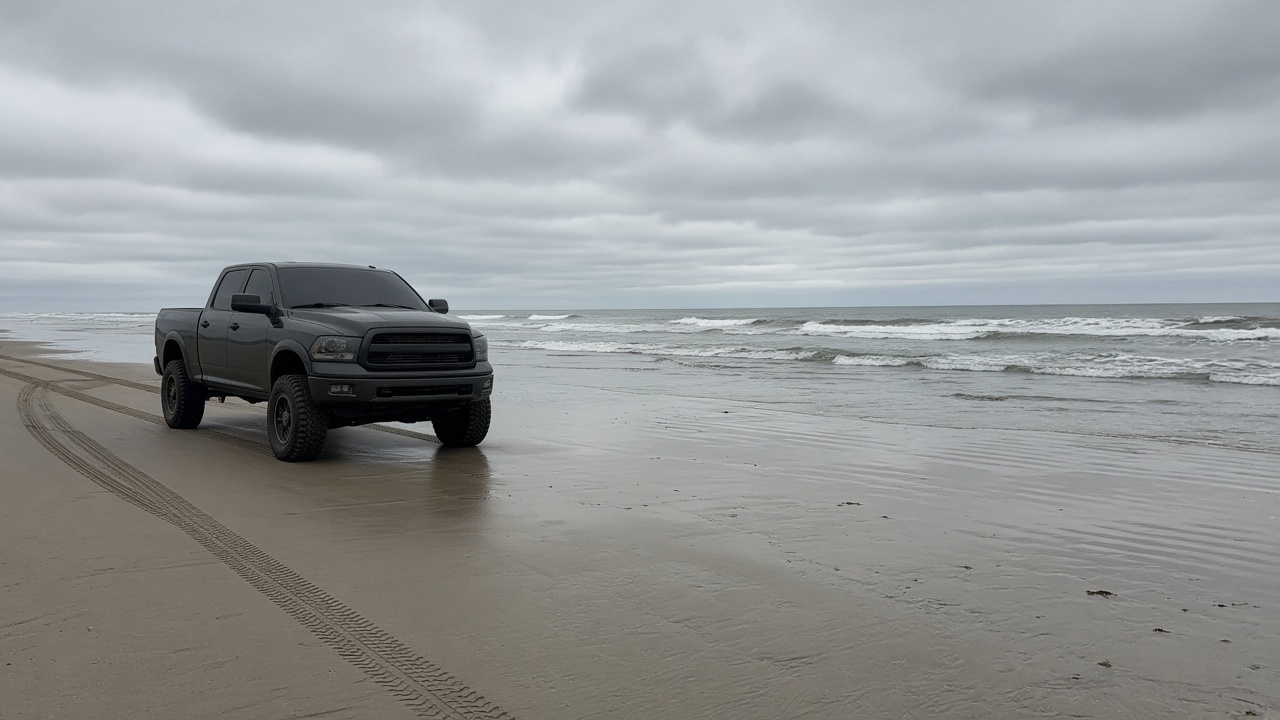
Lower pressure until the tire footprint gets long, drive without spinning, know the tide and the rules, air up before the highway, and wash the salt off. No fake recovery ASINs.
Key takeaways
- Air down for sand, air up for pavement.
- Spinning digs a hole. Smooth is the skill.
- Tide and permit are part of the route.
- Rinse is maintenance, not vanity.
Beach driving is a soft-surface skill with salt in the bargain. The truck that is honest on a two-track can still bury itself in dry sand if the tires are hard, the weight is wrong, and the driver is in a hurry. In 2026 the useful prep is still boring: air down, pack light, know the tide, know the local permit, and rinse the machine when you are done.
Short version. Lower pressure until the tire footprint gets long, then drive smooth. Carry a way to air back up before the pavement. Do not spin. off-road habits for new drivers is the dirt cousin. tire pressure on dirt is the pressure lecture for trails. We are not selling a recovery-board catalog we did not verify. This page has no Amazon card because a fake shovel ASIN would be worse than none.
If you have never driven sand, walk the first hundred yards and watch the people who look bored. Bored is competence.
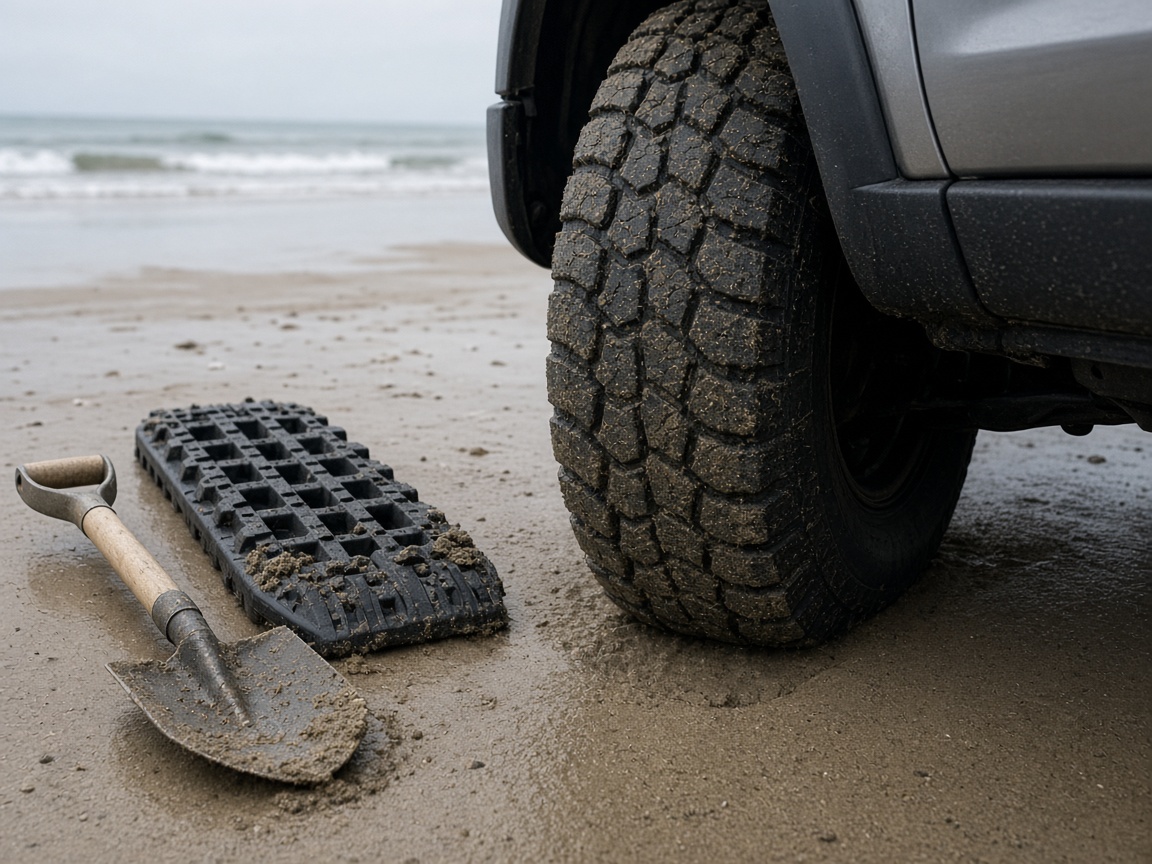
Air down until the tire looks like it means it
Hard street pressure is a plow. On soft sand you want a longer contact patch. How far you go depends on the tire, the load, and the sand. There is no universal number that is safe to print as a law. There is a method: start from a known cold street pressure, drop in steps, and stop when the truck floats instead of digging. Too low on a loaded corner is how you peel a bead. Too high is how you walk home.
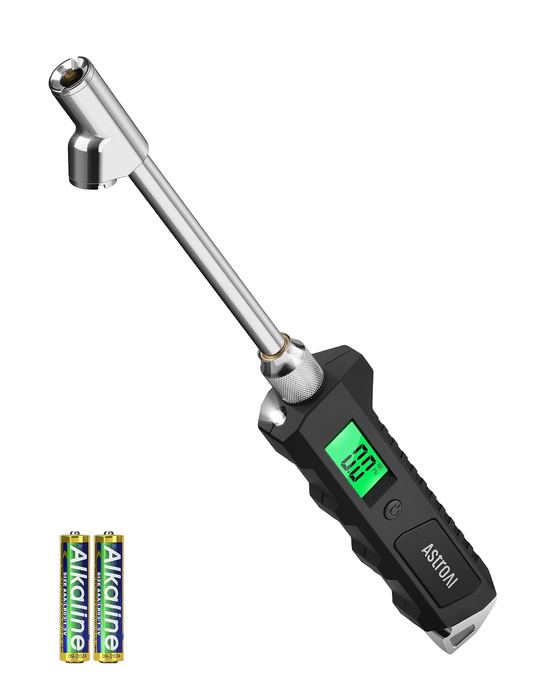
A gauge you trust and a compressor or a tank that can air back up are part of the kit. Do not enter a highway at beach pressure. The tire will squat, heat, and fail. The first pavement pull-off is a chore you do every time, not a maybe.
Sidewalls on a low tire are vulnerable to sharp shell and hidden wood. Go slow. A slow cut is still a cut. A spare that is actually inflated is not a decoration.
Smooth is the whole technique
Idle in, do not punch it. Momentum helps on a soft pitch if you already have a line. Spinning is how you make a hole you then have to dig. If you feel the truck settle, stop before the frame sits. A little reverse on the same tracks is better than a deeper grave.
Steering inputs are small. A hard yank in soft sand unloads a tire and it digs. Brake before the soft stuff, not in it. If you must stop on a slope, pick a firmer strip near the wet pack — and know the tide so “wet pack” is not about to be surf.
Four-high is the usual beach gear. Low range is for a crawl, not a blast. Lockers can help you out and can also dig two ruts to China if you stay in the throttle. Technique first. Hardware second.
Weight and where you put it
A heavy rear bumper and an empty front end will plow. A cab full of cousins and a cooler on the tailgate will squat the rear and steer like a shopping cart. Pack what you need. Put the heavy stuff low and centered. The beach is not a warehouse.
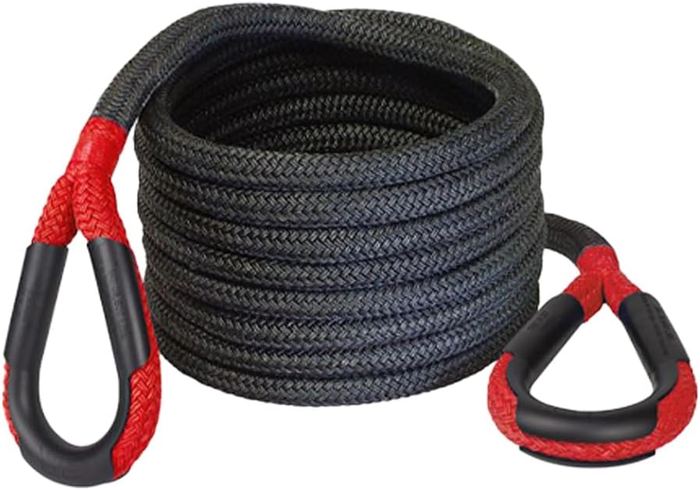
Recovery gear that you know how to use is honest: a shovel, a jack that works in sand with a base, straps with rated ends, boards if you have practiced with them. Gear you cannot deploy is weight. We will not invent a board ASIN. If you buy recovery tools, buy them from a shop that will explain the rating and the failure mode.
People on the beach are part of the terrain. Kids, dogs, fishermen, and nesters do not expect a truck. Slow is polite and legal in most places that still allow driving. A rooster tail is a ticket and a jerk move.
Tide, permit, and the law you actually read
Many beaches that allow vehicles want a permit, a certain tire, a time window, or a nesting closure. Read the current page from the town or the refuge, not a three-year-old blog. Closed is closed. Driving around a sign is how beaches lose driving.
Tide is the clock. A bar that is a highway at low water is a trap on the flood. Know the time you must be off the spit. Set an alarm. The ocean does not care that you found a good fishing hole.
Soft dry sand above the last high water is where people sink. The darker packed sand is usually friendlier and closer to the water than your insurance company likes if a wave is coming. Pick the middle of the allowed zone. Do not chase the foam line for a photo.
Rinse is maintenance
Salt and fine sand eat brakes, bearings, and electrical connectors. A hose on the undercarriage, the wheels, and the radiator face after the day is the cheapest service you will do. Do it before the cake sets. A month of beach weekends without a rinse is how a “fine truck” becomes a project.
Check fluids before you go, not after you are stuck. A belt, a hose, and a battery that were already dying will pick the farthest dune. car trouble away from town if the day is a remote breakdown. Tell someone the beach name and the time you will be back on pavement.
Coolers, rods, and a shade tent are the cargo. They are not a reason to ignore the tide. a reservoir weekend if your water weekend is a reservoir instead. The sand lecture does not apply there. The jacket lecture still does if you launch a boat.
Prep is air, law, and a rinse
Beach driving prep is a gauge, a compressor, a lighter load, a tide table, a permit, and the humility to walk a line before you drive it. Smooth inputs. No spinning. Air up before the highway. Rinse the salt. We skipped an Amazon card on purpose. Check live prices if you already know the recovery tool you want from a shop that will stand behind it. We do not invent numbers or fake ASINs.
dirt habits if the next weekend is dirt instead of salt. The shared skill is patience.
Passengers, kids, and the walk-first rule
A beach truck full of people who have never been in sand will want you to drive closer to the water, closer to the nest, closer to the photo. Your job is the no. Walk them to the spot. The truck stays on the legal track. A child on the sand in front of a moving vehicle is the nightmare. Spotters get out. The driver waits. Phones down until the wheels stop.
Dogs on a driving beach need a leash plan and a heat plan. Pads burn. Water bowls spill. A dog under a truck is a tragedy that starts as “he’s fine.” If the beach bans dogs, that is the end of the debate. If it allows them, they still do not run the tide line while you back up.
Guests who want to “just hop in the bed” on a moving beach run are staying on the sand. Beds are for parked trucks. That is not a vibe. That is how people leave in an ambulance.
When you are already stuck
Stop digging with the throttle. Get out. Look. Let some air if you still have some to give and the bead is safe. Clear the sidewalls. A shovel at the front of the tire, not a deeper hole under the differential, is the usual first move. Boards under the drive tires if you have them and know which way the tread should face. A strap to a second vehicle that knows how to pull in a straight line — no snatch if you have not practiced, no hitch ball as an anchor.
If the tide is coming, the priority is people and a call, not the paint. A truck can be a loss. A person cannot. That sentence feels dramatic until the foam is at the rocker. Know the number for local towing that will actually come onto the sand. Your cousin’s Jeep is not a plan if the cousin is in another state.
After a recovery, check hubs, look for a cut sidewall, and decide whether the day is over. Adrenaline makes people drive back in and repeat the mistake. Sit. Drink. Recalculate. The fish will be there on a better tide.
What the beach does to the machine
Fine sand in a brake is a noise you will hear next week. A packed radiator is a temp gauge you will see on the highway. A wheel bearing that tasted salt is a winter project. The rinse is not cosmetic. Hit the frame, the back of the rotors, the connector boots you can reach, and the winch if you have one. Dry the lockers’ breathers in your head even if you cannot hose them — know where they sit so you do not drown them in a deep puddle on purpose.
Air filters on some trucks will ingest a surprising amount of beach. If you did a long day in a storm wind, look at the filter before the next highway pull. A neglected filter is how a “it just lost power” story starts.
License plates and lights get coated. Clean them before the road. A sand-colored plate is a stop. So is a tail lamp that is now opaque. The prep for leaving the beach is as much a skill as the prep for entering it.
When you should not drive the beach at all
A two-wheel-drive grocery car, a worn spare, a storm surge, a closure, a night you cannot see the difference between pack and hole — those are stay-off days. There is no shame in parking in the lot and walking. The beach is still the beach. The truck is a tool. If the tool is wrong, use your feet. That is the same judgment as leaving a boat in the slip.
A printed tide card on the dash beats a dead phone. If the spit has one exit, treat that time like a ferry you cannot miss. People who “just want ten more minutes” are why trucks become sculptures.
Write the air-down number you liked on a tape inside the door. Next trip you will start closer. Write the air-up reminder on the same tape. The highway is not the place to remember you are still at eight psi. A cheap pencil gauge in the glove box is part of the kit even if the truck has a fancy dash readout that lies when it is hot.
Kit that belongs here
Named tools only. Check live prices. We do not invent numbers. Disclosure lives on affiliate disclosure.
Also in the magazine
Keep going with off-roading for newbies, tire pressure off pavement, Lake Conroe weekends, and remote car trouble. We only link pages that already live here. Check live prices. We do not invent numbers.
Frequently asked questions
What tire pressure should I run on the beach?
There is no single safe number for every tire and load. Air down in steps until the truck floats, and air back up before pavement.
Do I need a lift and big tires?
No. Technique, pressure, and a lighter load matter more than a catalog truck.
What recovery gear should I carry?
A shovel, a way to jack on sand, and straps you know the rating of. We will not invent a board ASIN here.
Can I drive the wet sand at the waterline?
Only where it is legal, and never if the tide is coming for your exit. Packed sand is not a dare.
Why rinse the truck?
Salt and sand eat brakes, bearings, and wiring. A hose after the day is cheap insurance.
Why is there no Amazon card?
We did not have a verified recovery-tool ASIN that earned a slot. Fake is worse than none.