
How Tire Pressure Impacts Off-Road Adventures
Written by John Wren|
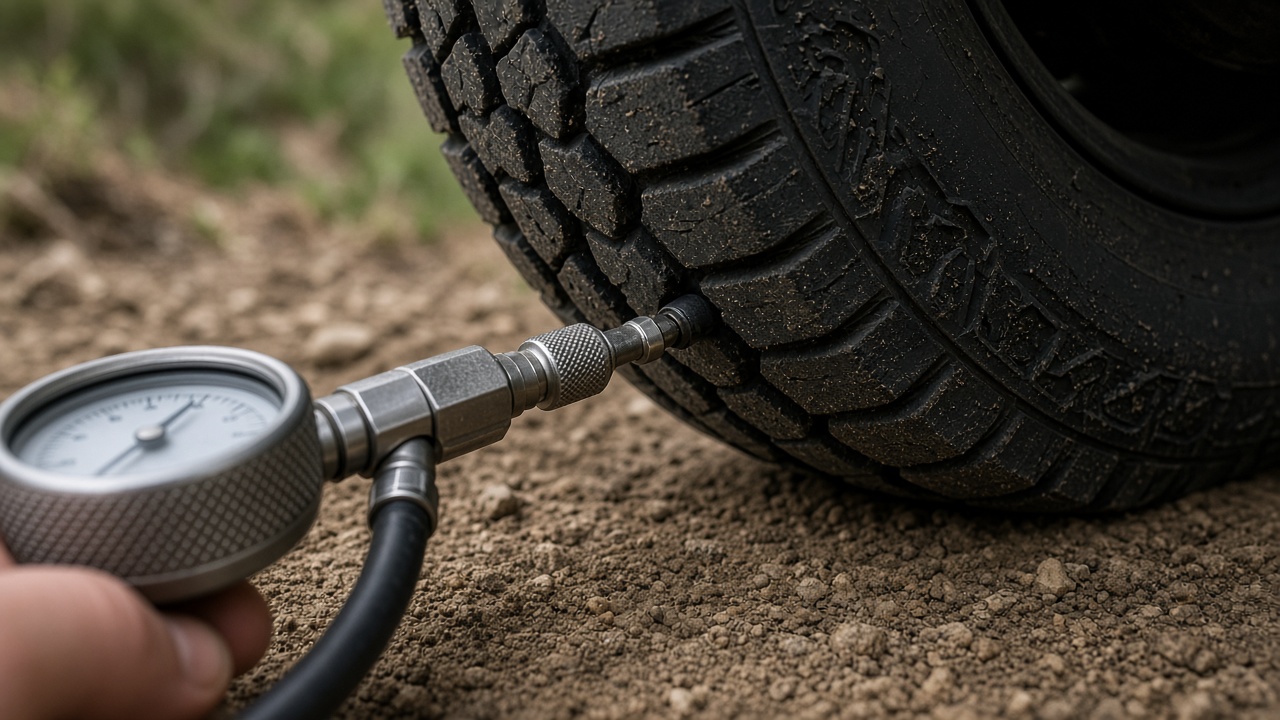
Street psi is for pavement. Drop in steps with a gauge. Sand wants less than rock. Air back up before you go home.
Key takeaways
- Street pressure plows sand.
- Write the number for this truck.
- Air up before the highway.
- Do not copy beadlock videos on stock rims.
Tire pressure is the cheapest handling change on a dirt truck and the one people guess. Too high and you skate. Too low and you roll a bead or cook a sidewall on the highway home. In 2026 the useful version is still a gauge, a compressor, and a number you wrote down for this truck on this terrain — not a slogan from a forum.
Short version. Street pressure is for pavement. Dirt and sand want less, in a range your sidewall and bead can live with. Air back up before the highway. the line before the air-down if the line is still the first skill. the truck under the tires if the truck under the tires is the other half. We are not naming a compressor ASIN we have not verified live this week.
This is not a tire-size argument. It is why the same truck feels planted at 22 psi in sand and terrifying at 38 on the same dune.
What pressure is doing
Lower pressure grows the contact patch. The truck floats instead of digging a trench. Rocks have more rubber to work with. The ride stops beating the steering out of your hands. The cost is heat in the sidewall and a bead that can leave the rim if you turn hard and slack.
Higher pressure is for speed on hardpack and for the highway. It is not "safer" in sand. It is a plow.
You need numbers for this truck
A mid-size on 33s and a one-ton on 37s do not share a sand number. Start from the door-jamb street pressure as the ceiling, then drop in planned steps with a gauge you trust. Write what worked. The next trip should not be a memory.
If you have never aired down, do it once in a place you can air up, not at the bottom of a dune with a dead compressor.
Sand, rock, and mud are not one setting
Sand often wants the lowest number you will run. Rock wants enough sidewall to protect the rim without ballooning so far you roll the bead on an off-camber. Mud wants flotation or a tire that can clear — pressure is only part of that, and a street all-season at any psi is still a street all-season.
the coastal sand version if the sand version is a coastal access, not a desert wash.
Air back up is not optional
Highway miles on a dirt number cook the carcass and make the truck wander. A compressor that actually fills four tires is part of the kit, not a nice-to-have. If the compressor is a toy, you will drive home at 18 psi and learn about heat the expensive way.
Check the gauge against a second gauge once. Cheap gauges lie in both directions.
Beads, lockers, and ego
Beadlocks change the floor of how low you can go. They do not make a bad line smart. They also need maintenance. If you do not have them, your low number has a harder floor. Do not copy a beadlock video on stock rims.
the night after the dirt if the night after the dirt is a camp, not a trailer.
The habit
Gauge before you leave pavement. Gauge when the terrain changes. Gauge before you get back on the highway. That is the whole skill. a day that ends with beads on the rims if the day should end with tires that still have beads.
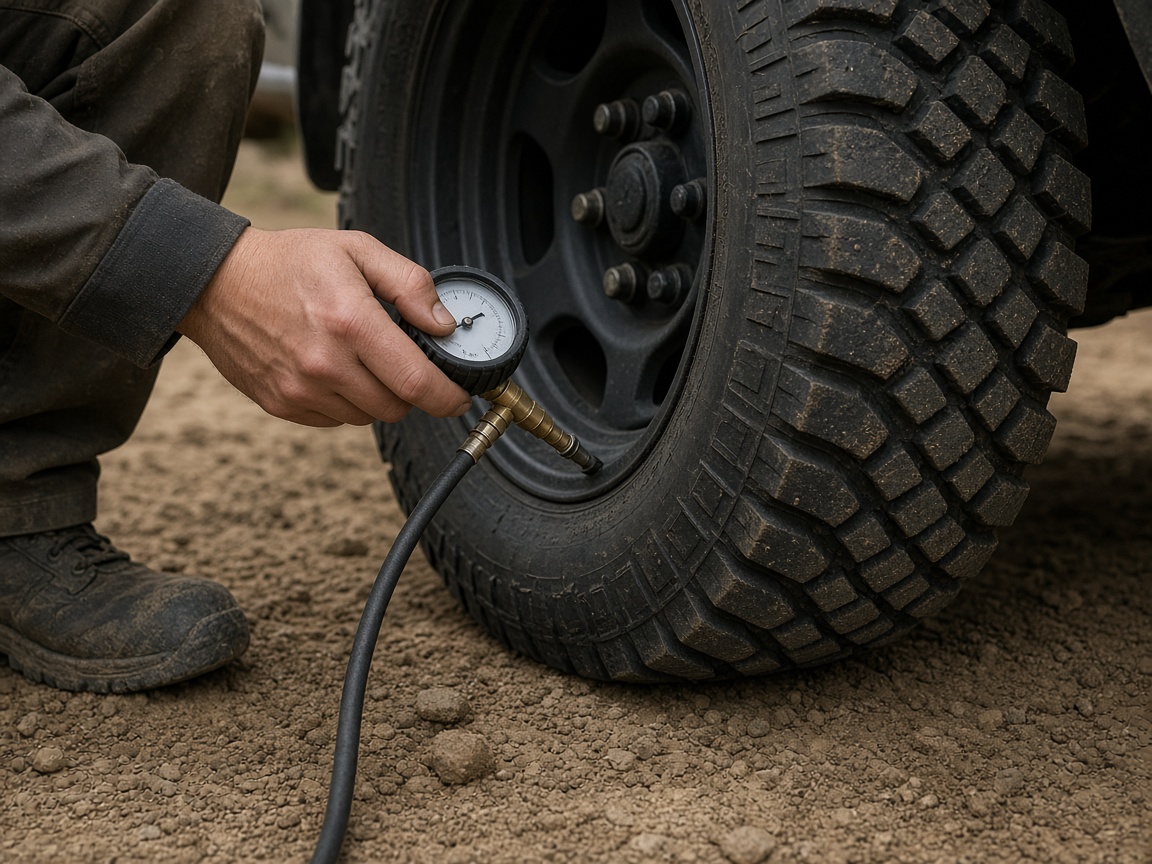
Pressure is a tool. Guessing is how people walk. Write the number that worked for this truck.
Two gauges and a number on tape
Cheap gauges lie. Check yours against a second one once. Then write the street door-jamb number and the dirt number that worked for this truck on this tire on tape inside the door. The next trip should not be a memory. A mid-size on 33s and a one-ton on 37s will not share a sand number. Stop asking the internet for one.
Air down in planned steps. Feel the truck. Look at the sidewall. If the bead looks like it wants to leave, you went too far for stock rims. Beadlock videos are a different floor. Do not copy them on a grocery rim.
Sand, rock, mud, and the highway
Sand often wants the lowest number you will honestly run. The truck should float, not plow. Rock wants enough sidewall to protect the rim without so much balloon that an off-camber roll-off is easy. Mud is a tire and a clearance problem first. Pressure will not turn a street all-season into a paddle tire.
Beach driving is the coastal version of the same lecture. Tide plus a low number plus a dead compressor is a sculpture. Practice air-down where you can air up.
Heat is why you air back up
Highway miles on a dirt number cook the carcass. The truck wanders. The tire tells on you later as a flat or a belt that lets go. A compressor that fills four tires is kit, not a nice-to-have. If yours is a toy, you will drive home at 18 psi and learn about heat the expensive way.
After a long dirt day, look at the sidewalls in daylight. A bulge or a cut is the end of the highway plan. A spare you have never aired is a rumor. Check it when you check the working four.
The habit is the skill
Gauge before you leave pavement. Gauge when the terrain changes. Gauge before you get back on the highway. That is the whole article in three verbs. The line still matters more than the number. A perfect 22 psi on a bad ledge is still a bad ledge.
Write what failed. A number that was fine in the morning and sloppy after heat is data. Adjust. The notebook on the door tape is how a guess becomes a setting.
Compressor, plug kit, and the spare you have met
A compressor that cannot fill four tires is a toy. Test it at home from the dirt number back to the door-jamb number. Time it. If it dies at tire three, you do not have a compressor. You have a story. Carry a plug kit you have opened once, and a spare you have aired. A doughnut is not a dirt spare.
We will not invent a compressor ASIN we have not verified live this week. Buy a unit that actually fills, from a counter that will take it back if it cannot. The skill is the gauge and the tape on the door, not the brand on the box.
A cut sidewall is not a plug. A bulge is not a highway plan. Look in daylight after the dirt. The newbie who drives home on a flap is how a cheap day becomes a wrecker on the interstate.
Load, trailer, and the second set of numbers
A truck that aired down for sand and then hooked a loaded trailer at 18 psi is a wander and a heat problem. The trailer has its own door sticker. Use it on the pavement. Dirt numbers on a trailer are a shorter, slower conversation and a different risk. If you do not know, stay at street psi on the trailer and accept that sand will be harder.
Passengers and a bed full of coolers change the number that felt perfect last month. Recheck. Write the loaded number if it is the number you actually run. The camp load is weight. Pressure is how that weight meets dirt.
A diesel that tows and a gas mid-size that plays are not the same math. The truck under the tires still has to cool. Low psi plus a long grade plus a trailer is heat in two systems. Pull over. Gauge. Think.
Teach the number before the dune
If a guest will drive, they get the gauge speech in the lot. The air-down number, the air-up rule, the “do not copy a beadlock video.” A guest who aired to eight because a reel said so is your bead and your Sunday. Stay with them for the first down and the first up.
Kids who want to “help” can hold the gauge, not the valve stem as a toy. A lost core in the sand is a camp job. Carry a spare core. The boring kit is the kit.
The last teaching is the no. A storm, a closure, a spare that is already soft — stay off. Pressure will not save a day you should have walked. The beach and the desert will still be there when the truck is honest and the tide or the weather is too.
Three verbs and a piece of tape
Gauge before you leave pavement. Gauge when the terrain changes. Gauge before the highway. Write the door-jamb number and the dirt number that worked for this truck on this tire on tape inside the door. Check the cheap gauge against a second one once. That is the skill.
Sand wants less. Rock wants enough sidewall to protect the rim. Mud is a tire first. Highway wants the street number back. A compressor that cannot fill four is a toy. A beadlock video on stock rims is a bead on the trail. A doughnut is not a dirt spare. Look at sidewalls in daylight before you go home.
Guests get the speech in the lot. Trailers get their own sticker on pavement. Loads change the number that felt perfect last month. Tide plus a dead compressor is a sculpture. Practice where you can air up. The no still wins: storm, closure, a spare that is already soft.
We will not invent a compressor ASIN this week. Carry one that actually fills. The magazine page under the tires is still the line. A perfect 22 psi on a ledge you should have walked is still a bad ledge. Write what failed. The next trip starts closer.
Start from the door-jamb as the ceiling, then drop in steps you can feel. If the bead looks like it wants to leave, that is the floor for stock rims. Heat after a long dirt day changes a morning number. Recheck. A second gauge once a season keeps you from living on a lie. After you air up, walk around and listen. A hiss you earned on a thorn is a plug or a spare, not a hope at 70 miles an hour. The cheap pencil gauge in the glove is still kit even if the dash has a readout that lies when it is hot.
Kit that belongs here
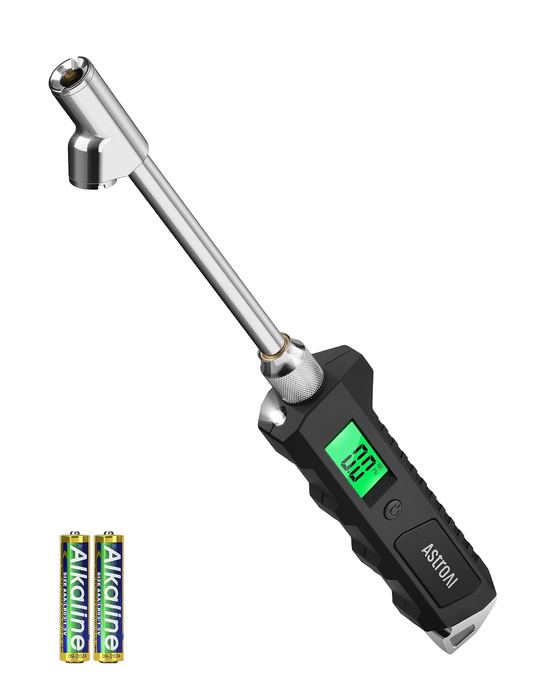
Named tools only. Check live prices. We do not invent numbers. Disclosure lives on affiliate disclosure.
Also in the magazine
Keep going with the line before the air-down, the truck under the tires, the coastal sand version, and the night after the dirt. We only link pages that already live here.
Frequently asked questions
Why air down off-road?
A larger contact patch floats in sand and grips rock. Street pressure plows and skates.
Is there one sand number for every truck?
No. A mid-size on 33s and a one-ton on 37s do not share a number. Write what worked for this truck.
When do I air back up?
Before the highway. Dirt numbers cook carcasses and make the truck wander at speed.
Do beadlocks let me copy any video?
No. They change the floor, not the line. Do not copy a beadlock number on stock rims.
Why not name a compressor?
We will not invent an ASIN we have not verified live this week. Carry one that actually fills four tires.
What if I have never aired down?
Do it once where you can air up, not at the bottom of a dune with a dead compressor.