
Trail-Ready: Off-Roading Tips for Newbies
Written by John Wren|
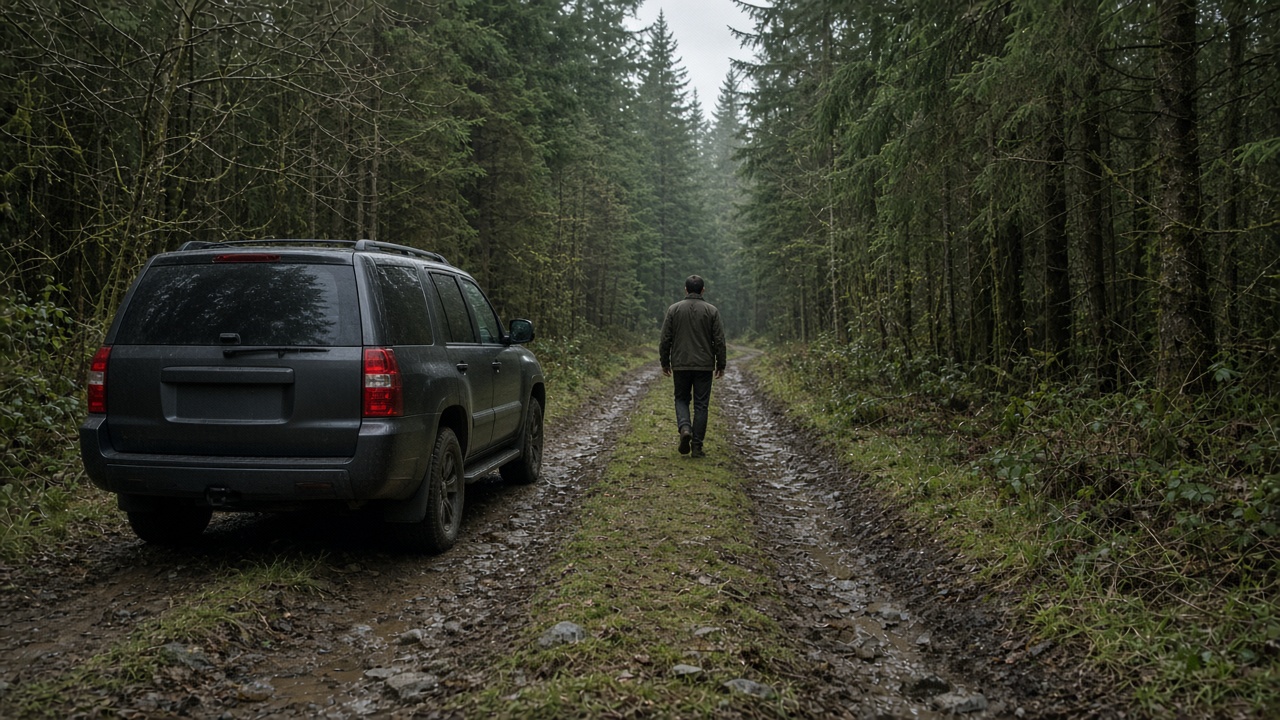
Get out and look, idle over obstacles, agree on signals, air down a little, and air up before the highway. Day one is patience.
Key takeaways
- Walk anything you cannot see the exit of.
- Spinning digs a hole.
- The last truck needs a plan.
- Air up before pavement.
New-to-dirt driving is a walk-first sport. The truck that looks ready in a lot can still high-center on a rut you did not get out and look at. In 2026 the useful newbie list is still: air down a little, go slow, walk the ugly line, and know how you will reverse before you drop in.
Short version. Momentum is not a plan. A spotter is a person with words you agreed on. A lamp helps when the day goes late.
how tire pressure changes dirt is pressure. beach driving is a different surface is sand, which is a different lecture. Check live prices. We do not invent numbers.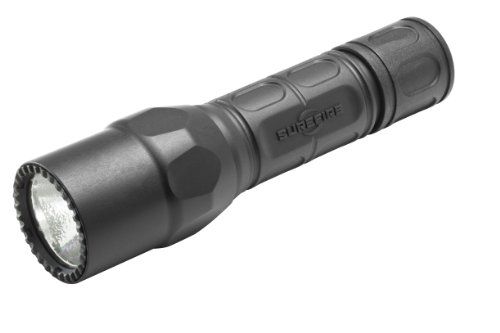
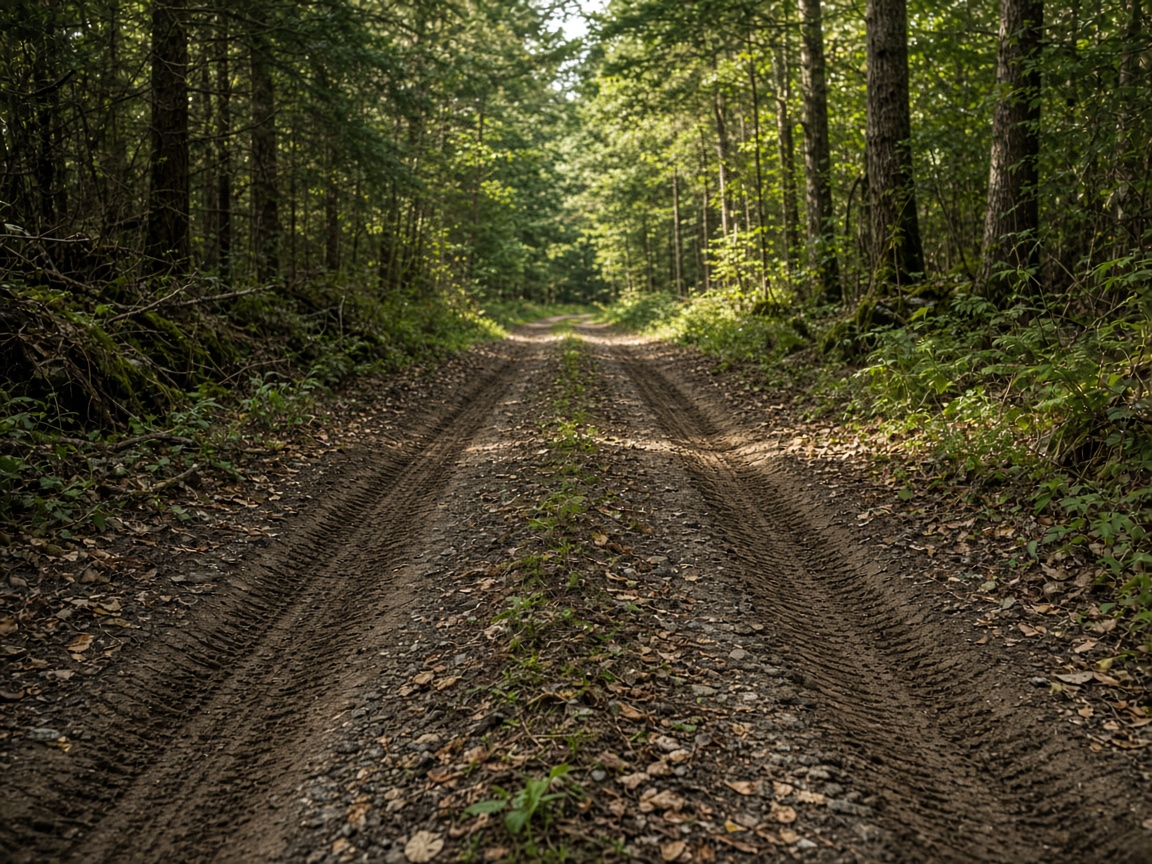
Get out and look
If you cannot see the exit, walk it. If the rut is deeper than your bumper looks happy about, walk it. Pride is staying in the seat. The first dent is usually a rock you would have seen from three feet away.
Agree on hand signals before the first obstacle. “A little left” shouted over a motor is how people hit the thing they were avoiding.
Slow is the technique
Idle over the thing. Do not punch it and hope. Spinning is a hole. Four-high for easy dirt. Low range for a crawl. If you need speed to make a climb, you may be on the wrong hill for day one.
Keep thumbs outside the wheel on uneven ground if that is how you were taught — a kick can break a thumb. Seatbelts on. The rollover you “did not expect” still meets the belt.
People, dogs, and the last truck
Count trucks. The last driver is the one who gets left without a pull. Radios help. A lamp on a walk-around at dusk is how you find the leak before camp. The SureFire G2X LE is the light we name. Check the live listing.
Dogs under trucks are a tragedy that starts as cute. Kids do not ride the running boards. overland camp kit if the night is a camp, not a hill.
Newbie-ready is patient
Walk it. Go slow. Reverse is a plan. Air down a little, air up before the highway. We skipped a fake winch ASIN. Check live prices on a lamp. We do not invent numbers.
Spotting is a language, not a vibe
Agree on hand signals before the first ledge. One spotter. The driver watches the spotter, not the three friends with phones. If you cannot see the spotter, stop. A newbie truck that creeps while three people yell different things is how plastic bumper covers become souvenirs.
Walk the line when the dirt looks like a maybe. Tires, a hole, a rock that will kiss oil. The walk is not a lack of courage. It is how people still have oil. Pressure is a tool on that walk. So is the decision to skip the optional ledge on day one.
Night trails are a graduate course. If you cannot read ruts in daylight, you cannot read them in LED glare. A lamp in the pocket helps you look under the truck. It does not make a new trail honest after dark.
The group will try to write your day
A faster driver is not a better driver. A group that will not wait at the fork is not your group. Say the turnaround time at the trailhead. Say the skill you do not have. If the answer is laughter, leave. The dirt will still be there with people who like their oil pans.
Guests in the cab need the same briefing as a boat: stay seated, doors shut, no hands outside when you are next to brush. Kids on a tailgate in motion are a no. The photo can wait until the wheels stop. Dogs on dirt need a plan that is not “he’ll jump back in.”
Radios help if you already know how to use them. A channel nobody is on is a prop. Phones in a canyon are a hope. The newbie kit is a meeting point and a time, then the toys.
The truck you have, not the truck on the video
Stock height on a line cut for a long-travel toy is how control arms meet rocks. Know your angles. Know your spare. A doughnut is not a dirt spare. A worn all-season is not a mud tire no matter what pressure you pick. Stay on routes that match the machine. Ego is not an upgrade.
Fluids, belts, and a jack that will sit on dirt with a base are more useful than a sticker. Recovery gear you have never laid out in the driveway will not lay out better on a shelf road. Practice once on flat ground. Then you may take it seriously.
After the trail, look at the tires, the undercarriage, and the smell. A new tick or a wet leak is information. The highway home is not the place to discover a cut sidewall you earned on the last ledge you should have walked.
The land is not a set
Stay on the track. Widening a muddy line is how trails close. Mud holes that have a go-around exist for a reason. The go-around is the line if the hole is a soup that will take you to the frame. Do not invent a third line through the meadow.
Gates and seasonal closures are the law of the place. A pin on a feed is not permission. Pack your trash. Quieter exhaust on a Sunday morning near camps is manners. Camp manners apply at the trailhead too.
Recovery you will actually use on day one
A shovel, a jack with a base that will not sink, and a strap with rated ends you have read. That is enough for a first season if you stay off the optional ledges. A winch you have never powered in the driveway is a sculpture. Practice the strap on a lawn with a second driver who knows a straight pull. No hitch balls. No shock if you have not trained it.
When you are stuck, stop digging with the throttle. Get out. Look. Air down if you still have room and the bead is safe. Clear the sidewalls. A second vehicle that can pull straight is better than five people pushing a bumper they will crack. Sand recoveries use the same brain. The dirt version still starts with the stop.
After a pull, look at the truck before you celebrate. A new leak, a folded flap, a smell. The newbie move is to drive into the next hole on adrenaline. Sit. Recalculate. The trail will wait.
Weather changes the same trail
A dry two-track in June is a clay trap in a July storm. If you do not know the dirt when it is wet, you do not know the trail. Turn around at the first greasy hill that is optional. Ruts you did not make are a letter from last weekend. Do not deepen them for a photo.
Snow and ice are a different sport. A newbie day in a thaw-freeze crust is how control arms meet surprises. Stay on roads you can reverse. A lamp helps you see ice. It does not add traction. Cold skin is the passenger problem while you argue with a hill.
Night plus weather plus a new trail is three variables. Change one. The people who last in this sport collect a lot of turned-around afternoons and almost no stories that start with “we almost made it.”
Homework that is not a YouTube binge
Know how to unlock hubs if you have them. Know where the jack points are. Know the spare. Inflate it at home once. Know how to use the compressor you packed. A Saturday in a parking lot with a gauge is a better class than a highlight reel.
Read the land-use map for the unit you will drive. Closures move. A pin from 2019 is a rumor. The newbie who checks the current map is already ahead of the truck with the lift and the old screenshot.
Write three lines after the trip: what you walked, what you should have walked, what broke. That notebook is how a newbie becomes someone other people will follow. The feed is how you become someone other people have to tow.
Day-one rules you can say out loud
One spotter. Walk the maybe. Stay on the track. Air down with a gauge, air up before the highway. A turnaround time at the lot. A person who knows the road. No optional ledges on a truck you have not met from below. No night plus weather plus a new pin. That is the newbie card. Tape it if you have to.
The group does not get to write your oil pan. A laugh at a no is a different group. The land-use map for this year beats a screenshot from a feed. Closures move. So do ruts. If the dirt is a soup you did not come to deepen, the go-around is the line or the day is a drive home.
After the trail, look. Tires, smell, undercarriage. Write what you walked and what you should have walked. That notebook is how a first season stays a first season and not a first bill. Pressure and trailhead manners are the other two cards in the same glove box.
A lamp in the pocket helps you look under the truck. It does not make a graduate trail honest. Save the SureFire we name for the walk-around, not for a night run you should not take. Check live prices. We do not invent numbers. The skill is still the walk.
Know the spare, the jack point, and whether the hubs are locked before the first ledge, not during it. Inflate the spare at home once so it is not a rumor. A Saturday in a lot with a gauge is a better class than a highlight reel. If the forecast is a storm on clay you have only driven dry, pick a different unit or a walk. The people who last in this sport collect turned-around afternoons. Be one of them on purpose. The optional ledge will wait until you have seen this truck from below and still liked the story.
Radios help if you already know the channel. Phones in a canyon are a hope. The meeting point and the time are the kit. Guests in the cab get the same briefing as a boat: seated, doors shut, no hands in the brush. Kids on a tailgate in motion are a no. The photo waits until the wheels stop. That is how a newbie day stays a day you will repeat.
Also in the magazine
Keep going with tire pressure off pavement, overland essentials, sand prep, and diesel upgrades can wait. We only link pages that already live here. Check live prices. We do not invent numbers.
Frequently asked questions
What is the first newbie off-road habit?
Get out and look. If you cannot see the exit, walk it.
Should I air down?
A little on dirt, more on sand. Air up before pavement. See the tire-pressure page.
Do I need a lift and lockers on day one?
No. Slow and a walk beat a catalog truck.
Why a flashlight?
Walk-arounds happen at dusk. We name a lamp we already use.
What about a winch?
Useful if you have practiced. We will not invent a winch ASIN here.
Can kids ride on the side?
No. Belts on, bodies inside.