
Ways to Avoid Vehicle Damage on Off-Road Trips
Written by John Wren|
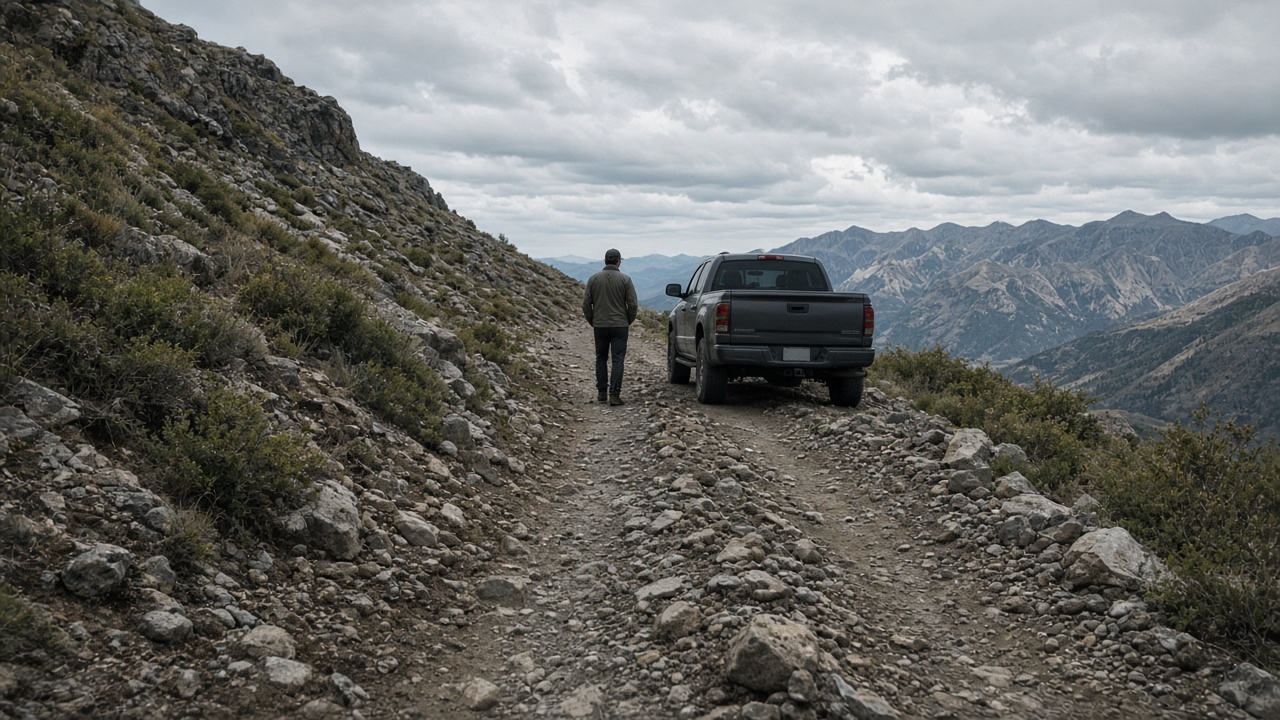
Walk rocks that will kiss the pan. Write tire pressure. Slow down in dust. Do not strap a hitch ball. Look before the highway.
Key takeaways
- Walk the maybe.
- Taller is not smarter.
- Pace breaks windshields.
- Look before the highway.
Off-road damage is usually a line you did not walk, a pressure you guessed, and a speed that felt like a video. In 2026 the useful prevention is still a walk, a gauge, a skid you already have, and the humility to skip the optional ledge on a truck you have not met from below.
Short version. Walk the maybe. Air down with a number you wrote. Stay on the track. walk-first dirt habits is the line essay. a written pressure is the gauge essay. We are not naming a compressor or a skid ASIN we have not verified live this week.
The underside is the bill
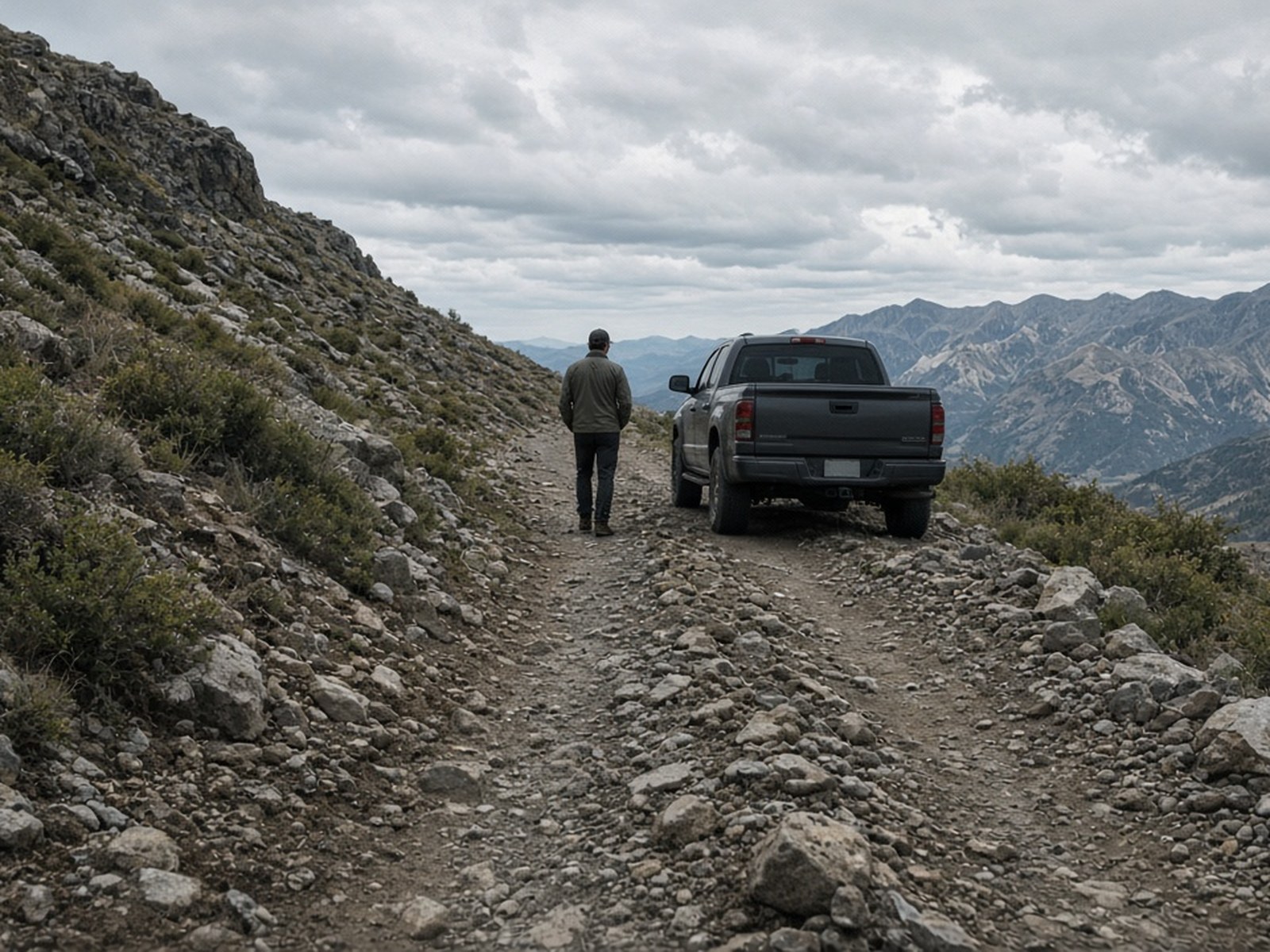
Oil pans, control arms, and a plastic bumper cover are the usual souvenirs. A rock you did not walk is a rock you paid for. Spotters, a stop, and a different line beat a lift you bought to feel taller. Taller is not smarter if you still will not get out.
After the trail, look. A wet spot, a folded flap, a smell. The highway home is not the place to discover a cut sidewall. salt is a different damage if the damage you want to avoid is salt and a drowned hub.
Speed, ruts, and the body
Whoops at a video speed are how racks and windshields meet rocks. Dust that hides a hole is a slow-down. A rut you straddle wrong is a pinch. The body damage people blame on “the trail” is often pace. the truck under the line if the truck under the line is the other half.
stay on the track if the damage you also want to avoid is a closed trail because you widened a mud hole for a photo.
Recovery that does not add a second bill
A strap on a hitch ball is how people buy a ball with a bumper attached. Rated ends, a straight pull, no snatch if you have not practiced. The recovery that saves the truck and breaks the truck is a classic. Stop digging with the throttle.
end with oil in the pan if the day should end with beads on the rims and oil still in the pan.
Look before you leave pavement and after you return
A pre-trip walk: tires, leaks, a spare that has air, a jack that will sit on dirt with a base. A post-trip walk: the same plus the smell and the underside. Ten minutes. The people who skip it are the people who buy oil pans and explain the highway to a wrecker. Air up before the highway is the other half of the look.
A windshield chip from a video pace is a chip you earned. Slow down when the truck ahead is throwing rock. Distance is cheaper than glass. One spotter on the ledge you should have walked.
Do not strap a hitch ball. Do not use a tow hook you have not looked at. A recovery that adds a second bill is the usual story. Rated ends. Straight line. Stop the throttle in the hole.
Body, racks, and the load
A roof rack that is a sail in a crosswind on a dirt grade is a rack you will meet again as a crease. Tie it like you mean it. A shovel that becomes a spear in a hard stop is a pack job. Pack so it cannot fly.
Plastic valances and fog lights are souvenirs. Know your angles. A lift that you bought to ignore angles is a more expensive souvenir. The prevention is still the walk.
Stay on the track. Widening a hole is damage to the trail and a reason units close. That is damage you share. The photo is not worth a closure. Manners include the dirt.
The no-damage card
Walk the maybe. Written pressure. Slow in dust. Look after. No hitch-ball straps. Stay on the track. That is the card. We did not invent a skid ASIN. The skill is getting out of the truck.
Speed, dust, and the parts that always lose
Valances, fog lights, rocker panels, and a spare that hangs low are the parts that meet the trail first. Know your lowest point. A lift that you bought and then still drive like a video is a more expensive lowest point. The prevention is pace and a walk. We will not invent a skid ASIN to replace getting out. Dust that hides a hole is a slow-down. So is a rutted clay after a storm. If you do not know the dirt wet, you do not know the trail. Turn around at the optional soup. Widening it is damage to the unit. Newbie habits start with that no. A windshield lives longer if you leave space behind the truck that is throwing rock. Distance is cheaper than glass. A chip you ignore is a crack you will meet on the highway home. Look after the trail. Air up before that highway.
Recovery: rated ends, straight pull, no hitch ball, no extra throttle in the hole. The second bill is the usual story. A strap you have never laid out in the driveway will not lay out better on a shelf road. Pack so a shovel is not a spear. The four ways apply on dirt too. A cooler that becomes a missile is damage you did in the driveway. Salt beach and mountain dirt are different bills. Rinse the first. Look under the second. Sand eats hubs. Rocks eat pans. Both start with a walk you skipped. Write what you hit. The next trip starts with that rock in mind. A notebook on the door tape is cheaper than a new valance you will hit again. A pre-trip walk: tires, leaks, a spare that has air, a jack that will sit on dirt with a base. A post-trip walk: the same plus the smell and the underside. Ten minutes. The people who skip it are the people who buy oil pans and explain the highway to a wrecker. Whoops at a video speed are how racks and windshields meet rocks. The body damage people blame on “the trail” is often pace.
Air, lockers, and the mile that is still pavement
Dump air for the dirt you will actually drive, not for the photo. Write the highway number on tape so you air up before the blacktop. A sidewall that is soft on a washboard at fifty is a sidewall you chose to fold. Pressure is a tool. It is not a personality. Recheck after the first mile. The first mile is where the trip is still sloppy. Sloppy is expensive.
A locker you have not used yet is a locker you should understand in a driveway, not on a ledge. If you cannot say what it will do to the steering, you do not turn it on in a rutted clay after a storm. Walk the optional soup. Widening it is damage to the unit. Newbie habits start with that no.
Washboard: there is a speed that skips and a speed that chatters your fillings and your steering rack. Find the skip if the road is long and the vehicle is healthy. If the vehicle is a daily driver with tired bushings, stay slow. A blown shock on day one is a motel night and a parts-store morning. That is damage you chose with your right foot.
Water, sand, and the movie you should not film
If you cannot see the bottom and you do not know the crossing, walk it or skip it. Depth that covers the hubs is a different trip than depth that covers the intake. Know where your air intake lives. A cheap snorkel sticker on the hood is not a snorkel. Turn around. The magazine would rather you be late than towed. After any crossing: brakes will be wet. Dry them with light pressure on a straight. Check the lights. Small crossings still hide the rock that folds a steering rod.
Sand is its own essay. Airing down helps. Airing down and then driving like a video does not. Stay in the tracks that are already there when they are the legal ones. Widening a dune is damage you share. Rinse the salt. Look under the hubs. Rocks eat pans. Salt eats everything. Both start with a walk you skipped.
Recovery: rated ends, straight pull, no hitch ball, no extra throttle in the hole. The second bill is the usual story. A strap you have never laid out in the driveway will not lay out better on a shelf road. Pack so a shovel is not a spear. The four ways apply on dirt too. A cooler that becomes a missile is damage you did in the driveway.
The gas-stop walk
Fluids, belts, one walk around, tire temps with the back of a hand if you do not have an iron. Look at the spare. Look at the roof. Look at the hitch if you towed. Gas stops are where you catch the slow leak before it is a campsite jack session. Five minutes. Every time. The people who skip it are the people posting a folded sidewall at dusk. Do not be the photo. We did not invent a skid ASIN. The skill is getting out of the truck.
Write what you hit. The next trip starts with that rock in mind. A notebook on the door tape is cheaper than a new valance you will hit again. Stay on the track. The photo is not worth a closure. Manners include the dirt.
A rope and a gauge that earn a card
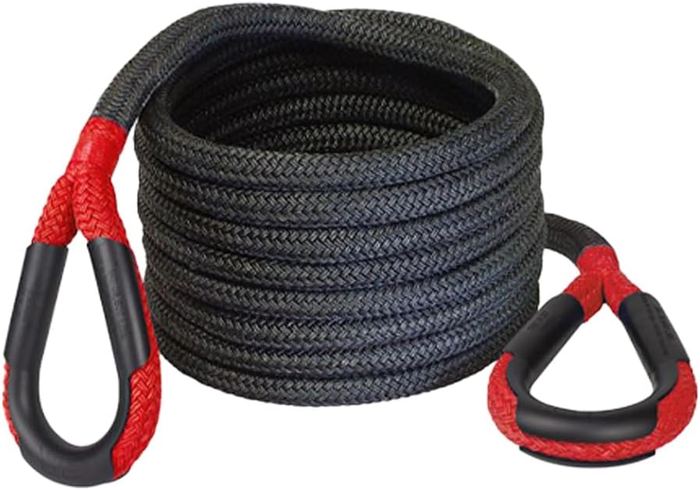
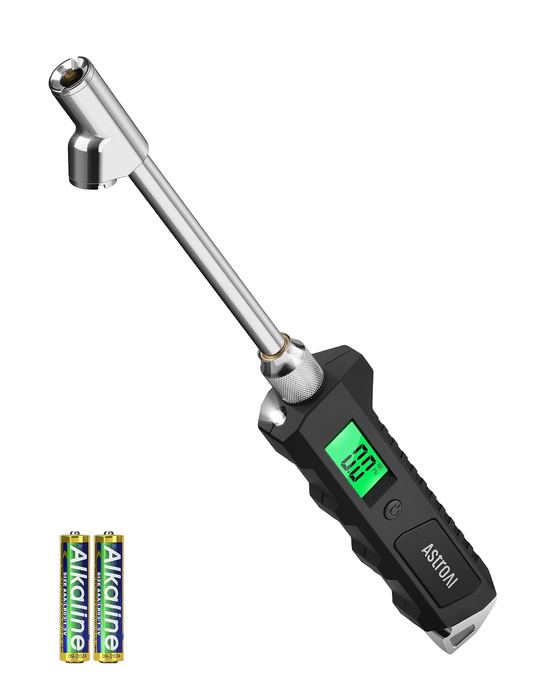
The Bubba Rope 30-foot 7/8-inch kinetic is the recovery we verified live — rated ends, a straight pull, no hitch-ball stunt. The AstroAI 0–230 gauge is the written pressure. Check live prices. We do not invent numbers. Walk the maybe. Air to a number you wrote. Stay on the track. A strap you have never laid out in the driveway will not lay out better on a shelf road. That is the whole prevention if you only remember two objects.
Look after the trail and before the highway. Air up. Smell the underside. A slow leak you catch at a gas stop is a five-minute job. A folded sidewall at dusk is a photo you do not want. Stay on the track. The photo is not worth a closure. We still will not invent a skid plate ASIN. Getting out of the truck is the other product.
Kit that belongs here
Named tools only. Check live prices. We do not invent numbers. Disclosure lives on affiliate disclosure.
Also in the magazine
Keep going with newbie off-road, air down, air up, snow is a different bill, and a load that does not smash glass. We only link pages that already live here.
Frequently asked questions
How do I avoid the usual off-road damage?
Walk the maybe. Written tire pressure. Stay on the track. Slow down when dust hides the hole.
Is a lift the prevention?
No. Taller without a walk is a more expensive oil pan.
Do you name a skid or compressor?
No. We will not invent those ASINs this week. The skill is the walk and the gauge.
What do I check after the trail?
Tires, smell, underside. A cut sidewall is a highway no.
What recovery mistake adds a bill?
A strap on a hitch ball, a snatch you have not practiced, and more throttle in a hole.
Does widening a mud hole count as damage?
It damages the trail. Trails close. That is a bill you share with everyone.