
Spring Creek Trout After Runoff: Fishing the Window Most Anglers Skip
Written by John Wren|
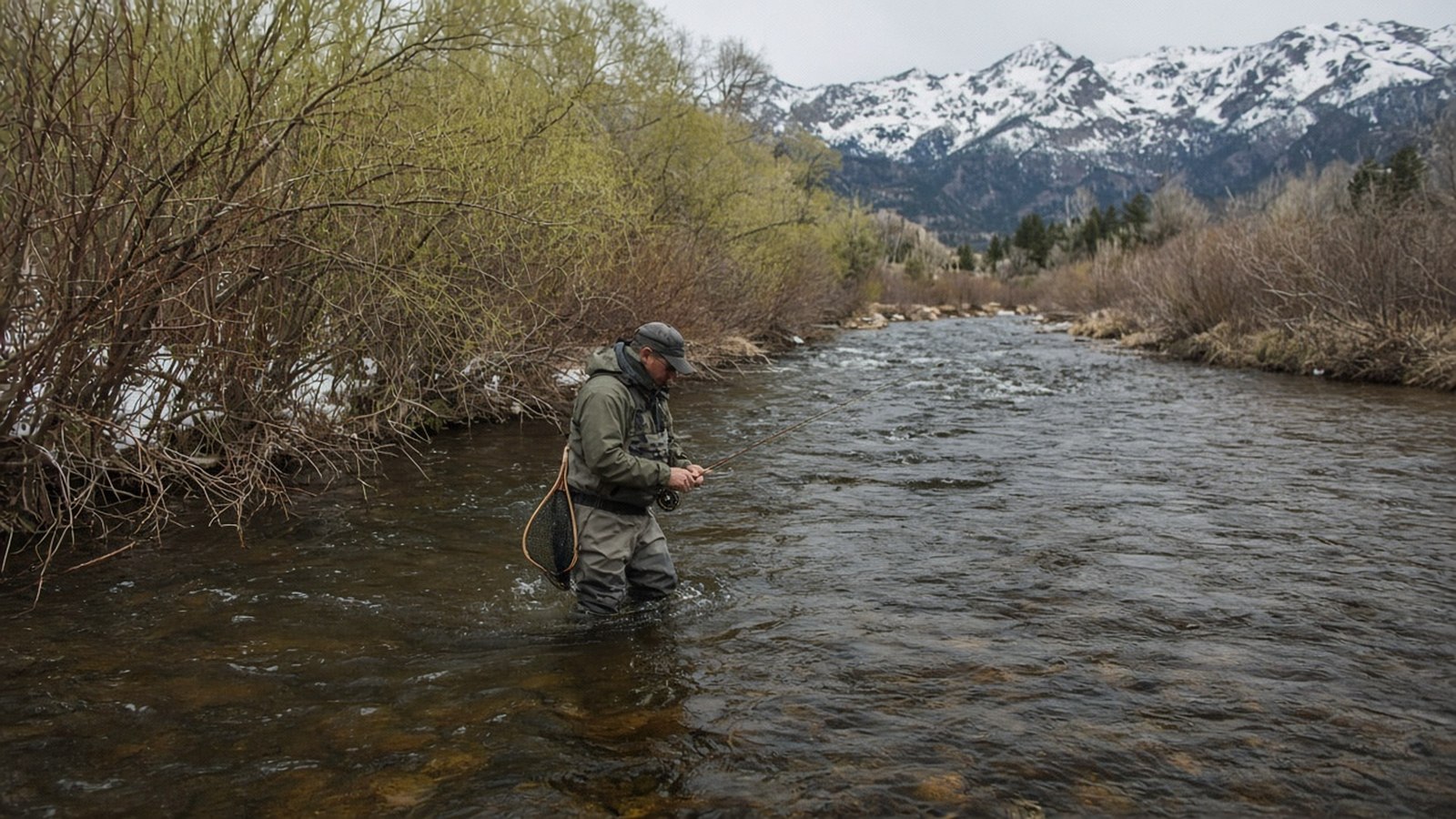
Fish the falling limb of runoff, not the rising one. Target slow inside bends, eddies, and current seams with a heavier nymph rig and stronger tippet than you'd use in clear water, and check a flow gauge before you drive.
Key takeaways
- The falling limb of runoff, not the rising one, is the window to fish.
- Target slow inside bends, eddies, and current seams first.
- Fish subsurface with more weight than feels natural until visibility improves.
- Step up tippet strength for debris and bigger post-runoff fish.
Spring creek trout right after runoff are eating, but not where you fished them last October. The short answer: fish the clearing seams and slower inside bends first, run a heavier nymph rig than you think you need until the flow drops, and expect the bite to click on fast once the water starts to clear rather than fading in gradually. Runoff is not a dead period — it is a two-to-three-week window most anglers skip, and the fish left rising through it have not seen a fly in weeks.
Short version. Fish subsurface with weight until visibility improves past a foot or so. Target the inside of bends, back eddies, and any structure breaking the main current, not the fast center channel. Step up leader and tippet strength because you are fishing water with more debris and bigger, more aggressive post-runoff fish. Pair with a stocked nymph box and a refresher on reading water if the high, off-color flow has you second-guessing your normal spots. Check live prices.
Runoff timing varies by watershed and snowpack year, but the pattern is consistent: as snowmelt peaks, flows rise and color out; as flows recede over one to three weeks, trout push to the margins and feed heavily to recover calories lost during the high-water push. Fish that window correctly and you will find some of the least-pressured, most aggressive trout of the whole season.
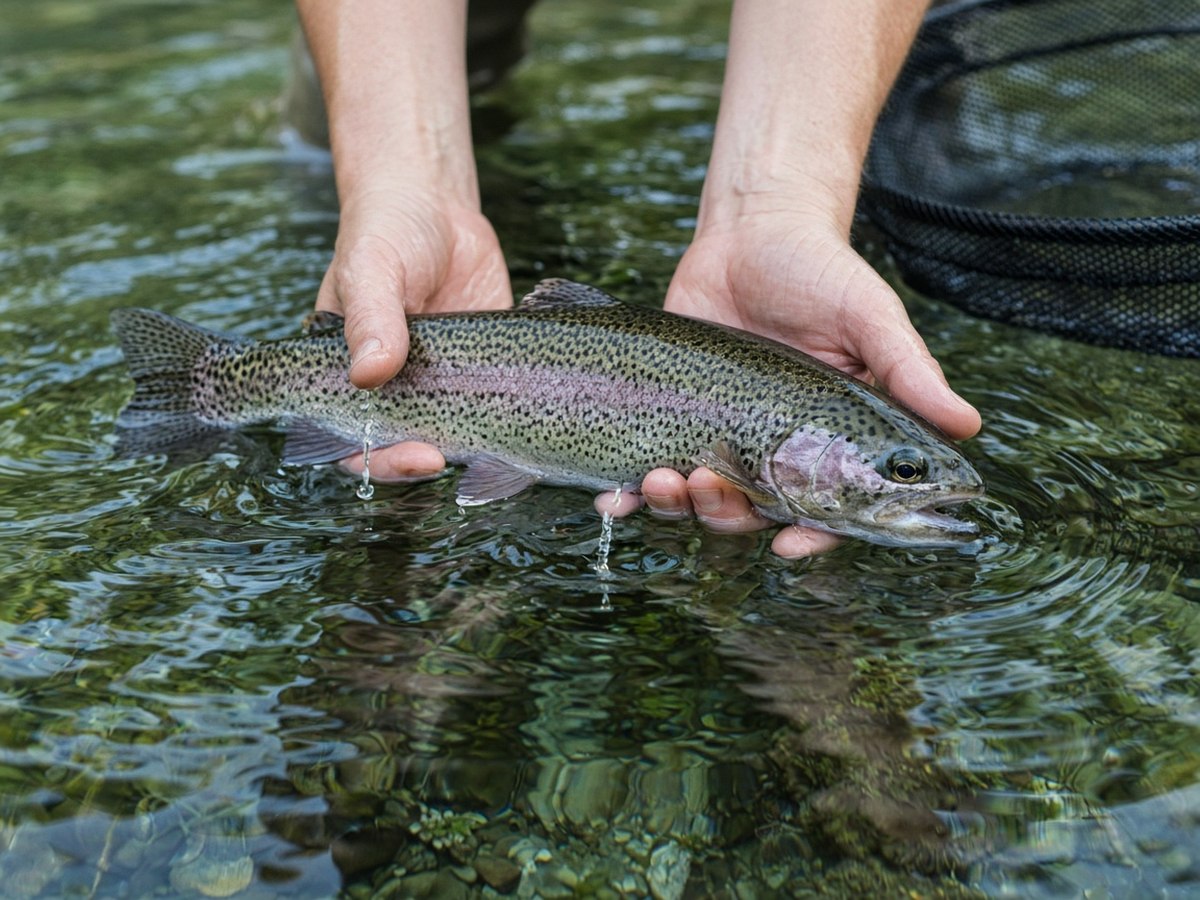
Reading a creek that is higher and dirtier than normal
The first adjustment after runoff is mental: stop looking for the pools and runs you fished in September, because the water has reshaped some of them and buried others under a foot of extra flow. Instead, read the creek by current speed and color. The main channel will be fast and off-color longest. Inside bends, current seams where fast water meets slow, and any eddy behind a rock or downed log will clear first and hold fish that have moved out of the punishing main current to conserve energy.
Look specifically for the visible seam — the line where cloudy, fast water meets clearer, slower water along a bank or behind an obstruction. Trout stack up right on that seam, feeding on whatever the high water is dislodging and washing past, while staying out of the main current's energy cost. A seam that is barely visible from the bank is often the single most productive foot of water on the entire run during a runoff window.
Fishing subsurface with more weight than feels right
Elevated, off-color flows call for getting your fly down fast and keeping it in the strike zone longer than you would in clear, low water. Add more split shot than you think you need, and be willing to re-rig your depth several times through a run as you dial in where fish are actually holding. A nymph drifting six inches above the fish's head in dirty water might as well not exist — depth precision matters more during runoff than fly pattern selection.
Pattern selection should lean toward larger, higher-contrast flies that fish can find in reduced visibility — a size 10 or 12 stonefly or worm pattern will out-produce a size 18 midge when visibility is measured in inches rather than feet. As the water clears through the runoff window, gradually size down and add more natural, subtle patterns to match the improving conditions. Our fly assortment breakdown covers building a box that spans both ends of that range.
Stepping up leader and tippet strength
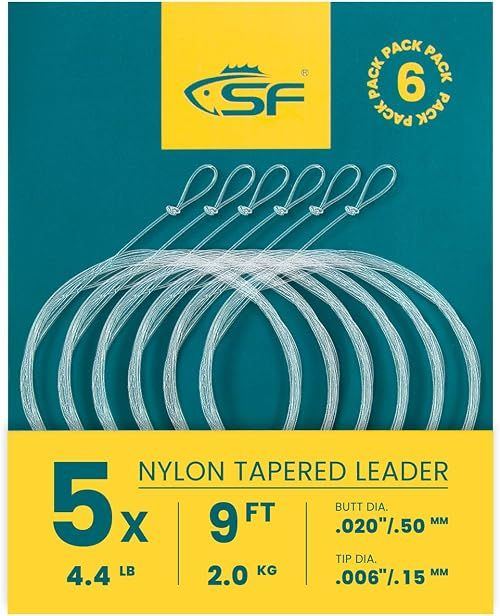
Post-runoff trout are often larger on average — not because more big fish exist, but because bigger, more aggressive fish are more willing to fight the higher flow and heavier debris load to feed, while smaller fish hold in slack water and feed less. Combine that with debris in the water column and a heavier-than-normal nymph rig, and 5X tippet that was perfectly fine in low, clear September water becomes a liability. Step up to 3X or 4X during and immediately after runoff, and you will land more of the fish you hook instead of losing them to a submerged branch or a genuinely strong fish.
Timing the window: rising, peak, and falling limb
Rising flows during active snowmelt are usually the toughest fishing of the whole cycle — visibility drops fast, and fish have not yet settled into a post-runoff feeding pattern. Peak flow is often unfishable or unsafe to wade at all on smaller creeks. The falling limb — the one-to-three-week stretch after peak flow as the creek drops and clears — is where the opportunity actually lives, and it rewards anglers who check flow gauges daily rather than fishing on a fixed weekend schedule regardless of conditions.
USGS and state stream-gauge data, where available for your watershed, turns this from a guess into a plan. A creek dropping steadily day over day with rising visibility is telling you the window is opening. A creek that spikes again after a warm afternoon or a fresh rain event has reset the clock — fish the seams again rather than assuming yesterday's spot is still holding fish today.
Wading safety in elevated, cold flows
Runoff-elevated creeks are colder and pushier than the same water in July, and wading mistakes that would be minor in low water become serious in a fast, cold, chest-high current. Wade with a wading staff, cross at the shallowest, slowest point you can find rather than the most direct line, and never wade a run you cannot see the bottom of clearly. A creek that looks familiar from a hundred previous visits can hide a scoured-out hole or a new logjam after a big runoff year.
Cold-water immersion is a real risk during this window even in relatively small creeks. Layer for the water temperature, not the air temperature, and consider a wading belt on your waders to reduce water intake if you do go in. This is not a season to wade alone in unfamiliar, elevated water — bring a partner or at minimum tell someone your specific stretch and your return time.
Rod and line for high, heavy nymph rigs
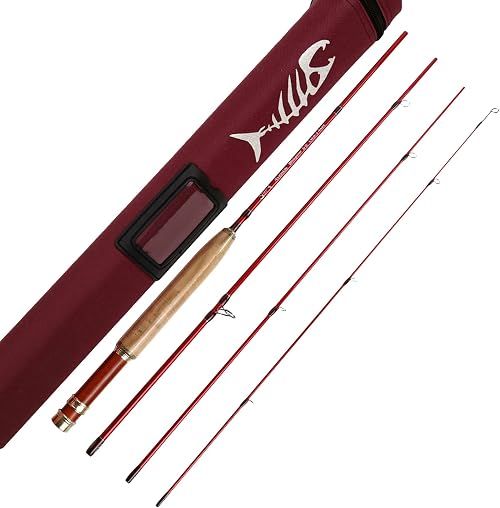
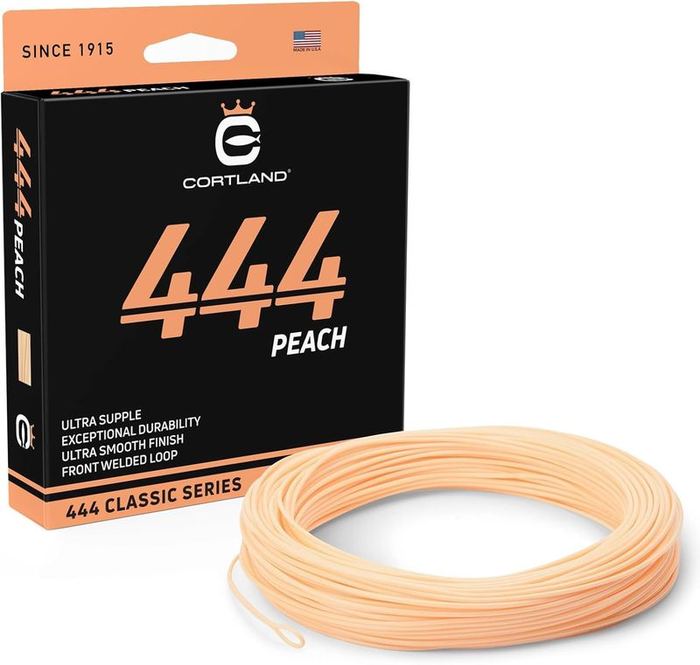
A 5-weight rod is still the honest default for most spring creek trout work, including the heavier nymph rigs runoff conditions demand — it has enough backbone to turn over extra split shot and a strike indicator without becoming a club on smaller fish once conditions normalize. A beginner-friendly 5-weight setup paired with a weight-forward floating line handles both the heavier nymph rigs of runoff season and the delicate dry-fly presentations that follow once the water clears.
Hatch timing shifts after a high-water year
Runoff resets the aquatic insect clock on a spring creek. Caddis and stonefly hatches that would normally appear on a predictable calendar date can shift a week or two later after a heavy snowpack year, because water temperatures take longer to climb into the range that triggers emergence. Do not fish a hatch chart blindly the first season after a big runoff year — watch the water temperature and the bugs actually on the water rather than the date on last year's calendar.
As flows drop and clear, midges are often the first reliable hatch to reappear in the slower, clearer margins, followed by baetis and caddis as water temperatures climb through the 40s and into the 50s. Carry a thermometer if you are serious about timing this transition — a two- or three-degree jump in water temperature over a few days is often the trigger that turns a subsurface-only bite into a dry-fly afternoon.
Freestone creeks versus true spring creeks after runoff
Not every "spring creek" behaves the same way after runoff. True spring creeks, fed largely by groundwater rather than snowmelt, often clear faster and run more stable in temperature than freestone creeks that are directly fed by snowmelt tributaries. If you have both types of water within range, a true spring-fed system is usually the better bet in the first week or two after a big runoff event, since it was never as blown out as the freestone water to begin with.
Tributary confluences are worth checking specifically. A clear spring-fed tributary entering a still-murky freestone creek creates a visible plume boundary, and trout will often stack right at that boundary to feed in the clearer water while staying close to the food the murkier main stem is delivering. That confluence water can fish exceptionally well even while the water fifty yards upstream or downstream is nearly unfishable.
| Water condition | Where to fish | Rig adjustment |
|---|---|---|
| Rising, off-color | Slowest inside bends and eddies only | Heavy nymph rig, larger high-contrast fly |
| Peak flow | Consider skipping — often unsafe to wade | N/A — wait for the falling limb |
| Falling, clearing | Visible current seams, structure breaks | Reduce weight gradually as visibility improves |
| Cleared, normalized | Standard runs and riffles resume | Return to normal tippet and fly size |
Our take: fish the falling limb, not the rising one. Target seams and slow inside water with a heavier nymph rig than feels natural, step up your tippet strength, and check a flow gauge before you drive. That combination puts you on some of the least-pressured trout of the entire season. Check live prices.
Etiquette on a recovering creek
A creek just past peak runoff is under real biological stress — banks are saturated and easily damaged, redds from earlier spawning fish may be more exposed or vulnerable, and fish are already working harder than normal against the current. Handle any fish you land quickly, keep it wet, and avoid high-stress fights in already-taxing water temperatures. This is not the season to target big fish repeatedly in the same run; spread your pressure out and let individual fish recover between encounters.
Stay off saturated banks where your boot prints will collapse undercut structure that took years to form. A little extra care during the runoff window keeps the creek fishing well for the rest of the season, instead of turning a productive spring-fed run into a blown-out bank by August.
Check your state's regulations for any runoff-specific closures or hoot-owl restrictions before you plan a trip — some watersheds close catch-and-release access during peak spawning stress or extreme flow events, and a closure is not optional just because the fishing report sounds promising. A short phone call or a check of your state wildlife agency's website before you drive is cheap insurance against a wasted trip or a citation, and it takes less time than tying a single nymph rig at the tailgate. A creek that is legally open but biologically stressed is still worth a lighter touch — fewer fish landed, shorter fights, and a quicker release than you'd allow yourself in the stable flows of midsummer.
Frequently asked questions
Can you catch trout right after spring runoff?
Yes, especially on the falling limb as flows recede and clear over one to three weeks. Fish slow inside bends, eddies, and current seams with a heavier nymph rig than you would use in low water.
What flies work best in high, off-color water?
Larger, higher-contrast patterns like size 10-12 stoneflies or worm patterns that fish can find in reduced visibility. Size down as the water clears through the runoff window.
How much weight should I add to my nymph rig during runoff?
More than feels natural. Getting the fly down fast and keeping it in the strike zone matters more than fly pattern selection when visibility is limited.
Should I use heavier tippet during runoff?
Yes. Step up to 3X or 4X. Debris in the water and larger, more aggressive post-runoff fish make lighter tippet a liability during and right after high water.
Is wading dangerous during runoff?
Yes, more than usual. Elevated, cold flows raise the stakes of a normal wading mistake. Use a wading staff, cross at the shallowest point, and never wade alone in unfamiliar high water.
How do I know when the runoff window is opening?
Check a flow gauge for your watershed. A creek dropping steadily with improving visibility over several days is the falling-limb window worth fishing.