
How Old Fuel Can Damage Your Water Vessels
Written by John Wren|
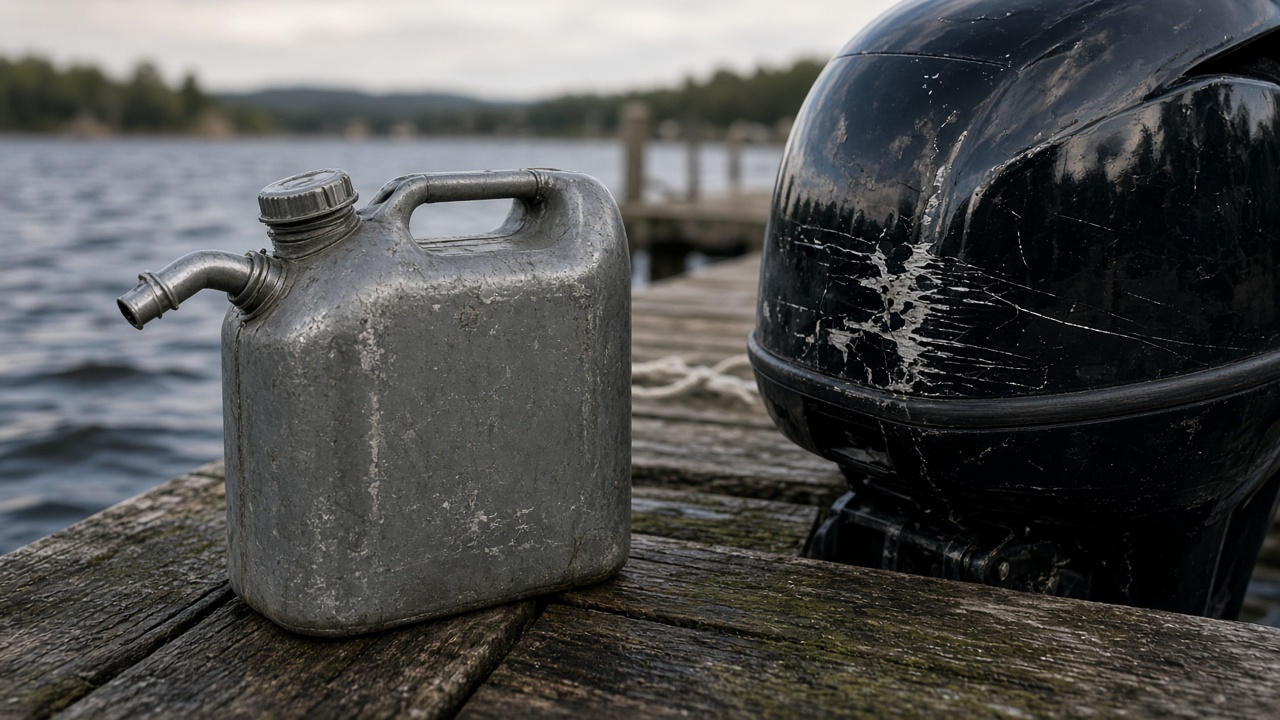
Ethanol pulls water. Phase separation will not stir back. Burn, treat and circulate, or drain. Do not crank varnish into the water.
Key takeaways
- A month in a hot tank is already a risk.
- Phase separation will not stir back.
- Do not pour fresh on bad.
- Date the spare can and rotate it.
Old fuel does not announce itself with a label. It smells wrong, it gums a carburetor, it starves an injector, and it leaves you drifting with a full tank of something that used to be gasoline. In 2026 ethanol blends still do this to boats that sit. The damage is the clean-out, the tow, and the Saturday you spent on a job that was a can of stale mix.
Short version. Do not store a tank of mystery gas over a season and hope. Use the fuel or treat it and run it through. Drain what you will not burn. what a skipped ski season costs if the ski already taught you this. the electrical half of a no-start if the electrical side is the other half of the no-start. We are not naming Amazon fuel treatments here. A bottle you cannot verify on a live page is not a recommendation.
This is not a chemistry paper. It is why a boat that sat is not a boat that starts.
What "old" means on a boat
A month in a vented tank in heat is not the same as a month in a sealed can in a cellar. Ethanol pulls water. Water grows phase separation. Phase separation is a layer that will not burn and a layer that will corrode. You cannot stir that back into "fine."
Two-stroke mix that sat is a second problem. Oil and gas that separated or varnished are not a rich mixture. They are a clog.
Where the damage shows
Carbs get amber varnish in the bowl. Needles stick. Jets shrink. Injectors get lazy. Filters load with rust and crumb. A bulb that will not get firm is sometimes a leak and sometimes a tank of gum. The primer is telling you the fuel path is no longer a path.
The cheap prevention
Burn the tank down before storage if you can do it safely. Or fill it and treat it the way the engine maker says, then run the treated fuel through the bowls so the carb is not holding untreated mix. Stabilizer in a tank you never run is a story you tell yourself.
A spare can that sat in the sun on the dock is not emergency fuel. It is a science experiment. Date the can. Rotate it. Dump it into a car that will burn it this week if the boat will not.
The expensive repair
A carb rebuild is cheaper than a new outboard and more expensive than a winter of attention. Injector cleaning on a modern four-stroke is a shop job. A tank that grew rust from water is a drop and a clean, not a new squeeze bulb.
a first-year winter plan if the first-year boat still does not have a winter plan. the day you did not want a dead engine if you were going to learn this on a windy day with a dead engine.
Do not add fresh on top of bad
A splash of new gas on a tank of phase-separated fuel does not fix the water layer. It makes a bigger tank of the same problem. Drain, dispose legally, start clean. If you cannot drain it in your driveway, that is a yard conversation, not a YouTube shortcut.
Smell and start are data
If it smells like varnish, do not keep cranking. Cranking washes the cylinders with a solvent that will not fire and loads the water with raw fuel. Diagnose the fuel before you diagnose the spark. a water day that stays a water day if the day was supposed to be water, not a tow.
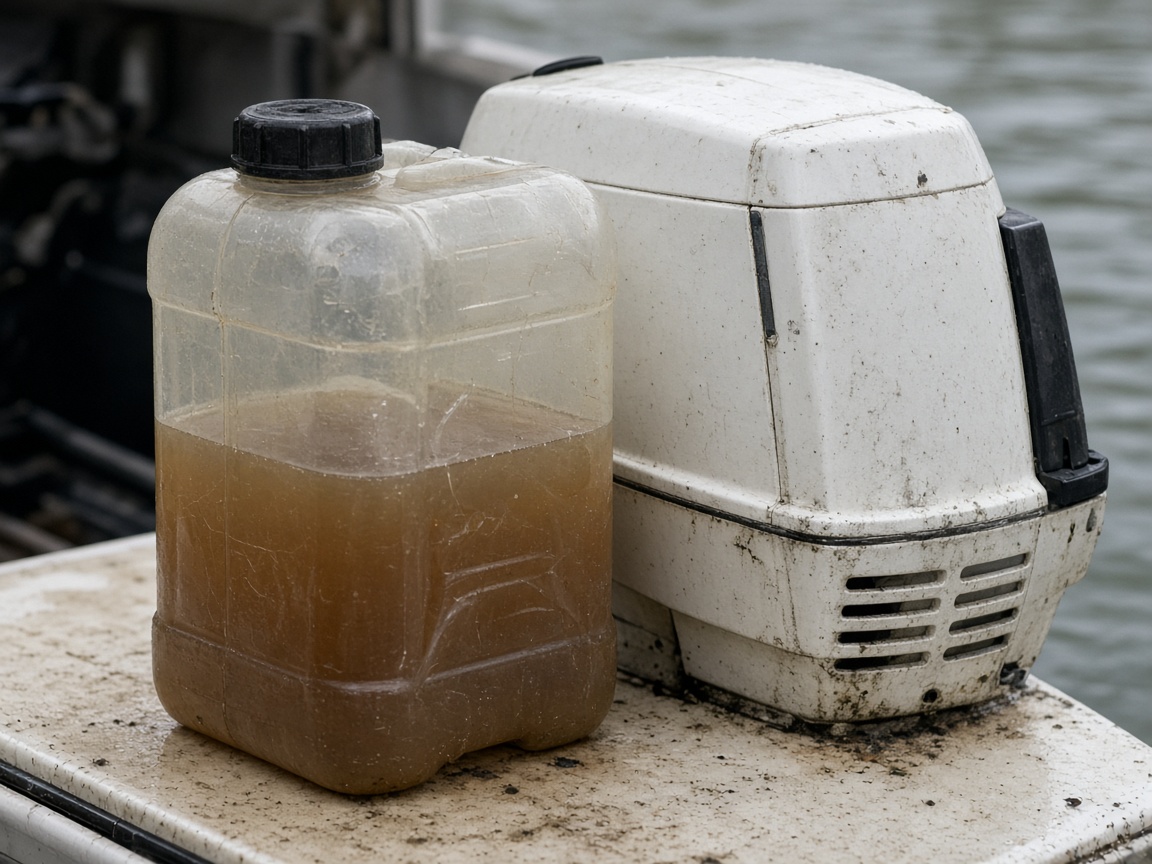
Old fuel is a storage problem you can see coming. Treat the season as a season. The engine already did.
Ethanol is a water magnet, not a rumor
A vented tank in a hot slip pulls air that then drops water into the ethanol. The mix can hold some water. Then it cannot. The layer that falls out will not burn and will rust what it sits on. You cannot “add a little fresh” and stir that into gasoline. You can make a bigger tank of the same problem.
Small tanks and portable cans see this faster than a full, treated, run-through house tank. Date the can. Keep it out of the sun on the dock. A black can on a hot board is an experiment. Rotate into a car that will burn it this week if the boat will not.
Mix that sat is a clog with a ratio
Two-stroke oil and gas that sat will varnish a carb that was fine in June. The bulb that will not get firm is sometimes that varnish. Do not keep squeezing until you flood the case. Drain. Dispose. Start clean. A shop that has seen this will not mock you. They will invoice you. That invoice is cheaper than a scored cylinder from a lean, gummy mix.
If you only run the ski four weekends a year, the maintenance calendar is the fuel calendar. Skipped ski service and old fuel are the same Saturday.
The filter is trying to help
A bowl full of rust crumb and water is the tank talking. Replace the element. Find the water. A new squeeze bulb on a dirty tank is a costume. Drop the tank if the inside is a science fair. That is a yard job. Pretending it is a ten-dollar bulb is how you buy the bulb three times.
Smell varnish, stop cranking. Raw fuel in the water is a ticket and a mess. Diagnose fuel before spark. Electrical order still matters, but a strong spark will not light a water layer.
Winter is when you decide next April
Burn it down, or fill, treat, and run the treated fuel through every bowl and injector path the book names. Stabilizer you pour and never circulate is a story. Fogging and fogging oil are a different chapter. Fuel is this chapter. Do both if the engine sits.
In spring, do not assume. Smell. Drain a sample into a glass. If it layers, you already know. The first launch is a terrible time to learn. Do it in the driveway with a can you can take to the disposal site that actually takes gas.
Cans, bulbs, and the dock science experiment
A spare can that sat in the sun is not emergency fuel. Date it. Rotate it. If the boat will not burn it this month, a car might. Do not pour a mystery can into a carb you just cleaned. Smell first. A glass jar sample will show a layer if the layer is there. That is the whole lab.
Primer bulbs crack and also tell the truth about a gummy path. A bulb that will not get firm after you replaced the bulb is the tank or the line. Stop buying bulbs. Diagnose the path. A clip on a hose that has been heat-cycled for years can suck air and fake a fuel problem. Look. Then replace the hose if it is the hose.
Keep gas out of the water. A spill at the ramp is a report and a smell that lasts. Fill on the trailer if that is the rule. A rag on the vent. The adult move is boring. The other move is a fine and a dead lawn of weeds at the waterline.
When the shop is cheaper than another Saturday
A carb that is amber in every bowl is a rebuild. An injector rail on a modern four-stroke is a shop. A tank with rust scale is a drop. Know which of those you are. A YouTube “just dump seafoam in it” on a phase-separated tank is how people ride a wrecker and still have a dirty tank.
Tell the shop the truth: how long it sat, what you poured, whether it layered. They can work faster. First-year winter plans exist so you are not this customer every April.
We still will not name a stabilizer ASIN from a blocked page. Use what the engine maker lists. A bottle we cannot verify is not a recommendation. The cheap prevention is still burn, treat and circulate, or drain.
The day you wanted to leave the dock
Old fuel plus wind is a drift. The go / no-go still applies. A dead engine in a shipping lane is a different urgency than a dead engine in a slip. Jackets on. A way to call. Do not keep cranking a varnish smell into the cove.
If you smell it at the ramp, do not launch. That sentence saves the weekend you would have spent on a tow. The lake will still be there when the tank is honest. A water day that stays a water day starts with fuel you would put in a glass and still like.
Write the date you filled and the date you treated on tape on the tank or the can. Future you is tired and will lie. Tape does not lie.
The fuel card for the week you store the boat
Burn it, or fill, treat, and run the treated mix through every bowl and injector path the book names. Date the can. Keep it out of the sun. Do not pour fresh on a water layer. Smell varnish, stop cranking. A glass sample will show a split if the split is there. That is the card.
Two-stroke mix that sat is a clog with a ratio. Ethanol in a hot vented tank is a water magnet. Filters full of crumb are the tank talking. A new bulb on a dirty tank is a costume. The ski that sat and the outboard that sat are the same April.
If you cannot drain it in the driveway, that is a yard conversation, not a forum shortcut. Dispose where gas is legal to take. The first launch is a terrible lab. Do the jar in the driveway. If it layers, you already know. The lake will wait for an honest tank.
We do not name a stabilizer from a blocked page. The maker’s bottle wins. Check live prices on nothing here — this page is a habit, not a kit card. Write the fill date on tape. Tired you will lie. Tape will not.
A month in a hot vented tank is already a risk. A season of untreated gas is a clog waiting for a Saturday. If the primer stays soft after a new bulb, stop shopping bulbs and look at the path. Heat-cycled hose and a tired clip can suck air and fake a tank problem. Look once. Then decide. The expensive repair is the rebuild you earned by hoping. The cheap prevention is the date on the tape and the fuel you would still put in a glass.
Kit that belongs here
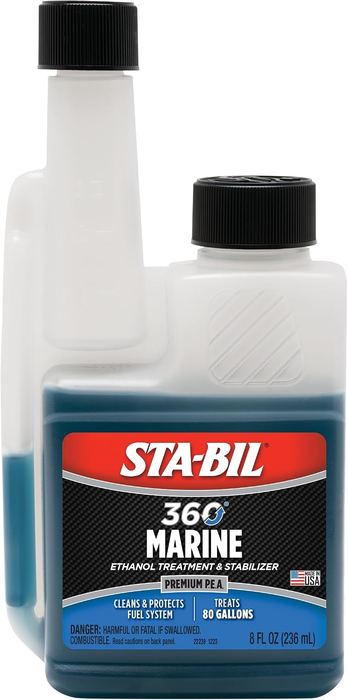
Named tools only. Check live prices. We do not invent numbers. Disclosure lives on affiliate disclosure.
Also in the magazine
Keep going with what a skipped ski season costs, the electrical half of a no-start, a first-year winter plan, and a water day that stays a water day. We only link pages that already live here.
Frequently asked questions
How old is too old for boat fuel?
A month in a hot vented tank is already a risk with ethanol. A season of untreated gas is a clog waiting for a Saturday.
What does phase separation mean?
Ethanol pulled water. The mix split. You cannot stir it back into gasoline that will burn clean.
Should I add fresh gas on top of old?
No. That makes a bigger tank of the same problem. Drain and start clean.
Do you name a stabilizer ASIN?
No. Use what the engine maker lists. We will not invent a bottle from a blocked Amazon page.
Why does a primer bulb stay soft?
Sometimes a leak. Sometimes a tank of gum. The bulb is telling you the path is no longer a path.
What is the cheap prevention?
Burn it, or treat it and run it through the bowls. Stabilizer you never circulate is a story.