
Ways To Protect Your Camera From Damage on a Hike
Written by John Wren|
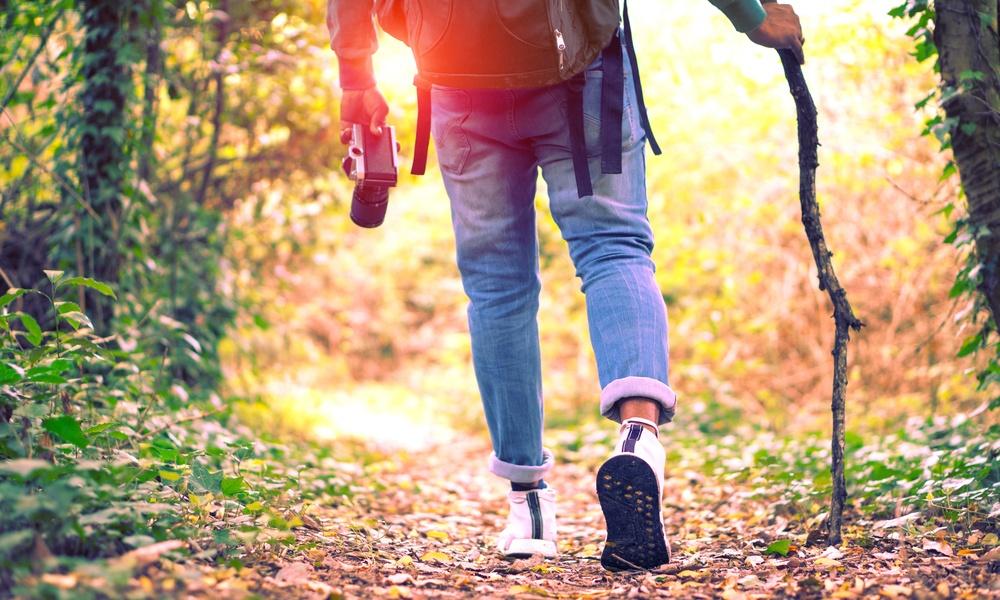
As a way to remember the incredible sights, many hikers will bring their cameras and capture the beauty of the trees, critters, sky, and beyond. Photography is relatively low risk, but an outdoor adventure calls for tough terrain and potentially harsh weather that may strain your
Key takeaways
- A weather-resistant camera bag will shield your device from rain, dust, and extreme temperatures. Choose a padded bag with water resistance for extra protection.
As a way to remember the incredible sights, many hikers will bring their cameras and capture the beauty of the trees, critters, sky, and beyond. Photography is relatively low risk, but an outdoor adventure calls for tough terrain and potentially harsh weather that may strain your equipment. Protect your camera from damage as you hike through scenic landscapes with these tips on bringing proper equipment, being mindful of your surroundings, and more.
Use a Weather-Resistant Camera Bag
Weather can change in an instant outdoors, especially in the mountains. Keep an extra rain cover or waterproof sleeve in your backpack to prevent any water damage when you notice dark clouds looming overhead.
A weather-resistant camera bag will shield your device from rain, dust, and extreme temperatures. Choose a padded bag with water resistance for extra protection.
Pack Protective Covers
Aside from a sturdy travel bag, lens and camera body covers protect your equipment from dings, scratches, and exposure to harmful elements. Keep these on whenever your camera is not in use to prevent your fragile components from breaking.
Avoid Exposure to Extreme Temperatures
Expansive hiking trails can lead to extreme conditions at different elevations. If it’s especially hot or cold, avoid prolonged exposure to the elements by keeping your camera in your bag when you’re not taking a shot. Storing your equipment properly regulates the high-voltage converter temperatures and other components in your flash camera.
Invest in a Camera Strap
A sturdy camera strap keeps your device secure around your neck or shoulder as you climb rocky trails. This minimizes any chance of it falling or bumping against hard surfaces. A strap with adjustable lengths and a nonslip grip will protect your camera from damage on a hike.
Stay Aware of Your Surroundings
Never rest your camera on uneven or damp surfaces like logs, rocks, or directly on the ground. Instead, invest in a portable tripod that’s stable and lightweight. This way, your device won’t topple over or get dirt in its nooks and crannies. Moreover, staying aware of the area will guard you and your equipment from accidents while you track and observe the wildlife around your campsite.
With your camera functioning properly, you can capture landscapes and wildlife in their most breathtaking forms. Remember to take your time and be patient to walk away with stunning visual mementos from your outdoor adventures.
Kit that belongs here
Named tools only. Check live prices. We do not invent numbers. Disclosure lives on affiliate disclosure.
Also in the magazine
Keep going with Ways to Avoid Vehicle Damage on Off-Road Trips, How Old Fuel Can Damage Your Water Vessels, Looking For Hiking & Walking Gifts? 25 Ideas for The Hiker in Your Life, and Why You Can’t Hike Without a Canteen: Uncover the Essential Benefits! — the kit and the field notes that sit next to this one. We only link pages that already live here. Check live prices. We do not invent numbers.