
Igniting Adventures: An In-Depth Look at Fire Starters
Written by Ben Jackson|
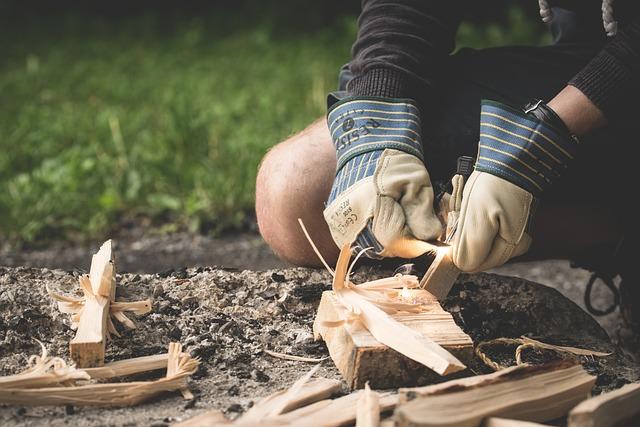
Hello, fellow adventurers, it’s Ben Jackson here. Today, we’re venturing into a crucial topic in our outdoor explorations – fire starters. As a longtime lover of the great outdoors, I’ve had the privilege and pleasure of trying my hand at various fire star
Key takeaways
- Cons: However, they struggle in wet or windy conditions, and the flame is rather fleeting.
- Pros: These matches are the epitome of resilience and work reliably in almost all weather conditions.
- Cons: On the downside, they’re a bit bulkier and costlier than their simple counterparts.
Hello, fellow adventurers, it’s Ben Jackson here. Today, we’re venturing into a crucial topic in our outdoor explorations – fire starters. As a longtime lover of the great outdoors, I’ve had the privilege and pleasure of trying my hand at various fire starters under diverse weather conditions. From the traditional matches to the rugged flint and steel, each has its unique charm and functionality. Let’s dive in, shall we?
The Simple Yet Mighty Match
Matches: Our journey begins with a time-honored classic – the matchstick. This fire starter comes as a small wooden stick, one end of which is coated with a material that bursts into flames upon striking a rough surface. ‘Strike anywhere’ matches offer a slightly more flexible option, as they can ignite upon striking any abrasive surface.
Pros: Compact, lightweight, and easy to use, these are a staple in any adventurer’s pack.
Cons: However, they struggle in wet or windy conditions, and the flame is rather fleeting.
Weathering the Storm: Stormproof Matches
Stormproof Matches: For those tougher, stormy days, I rely on stormproof matches. Similar to standard matches, these versions boast added elements to make them wind and waterproof. They’re a beacon of hope in even the most challenging weather.
Pros: These matches are the epitome of resilience and work reliably in almost all weather conditions.
Cons: On the downside, they’re a bit bulkier and costlier than their simple counterparts.
The Handy Lighter
Lighters: This everyday item takes a deserving spot in our fire starter lineup. Housing pressurized flammable gas encased in plastic or metal, lighters have often been my go-to fire starter.
Pros: Reusable, lightweight, and very reliable, lighters make starting a fire a breeze.
Cons: However, their performance can falter in cold, windy conditions, and the fuel tends to evaporate over time.
Back to Basics: Flint and Steel
Flint and Steel: This method takes us back to our roots. Striking a hardened steel striker against a piece of flint generates sparks to ignite your tinder. It’s as raw and as real as it gets.
Pros: Flint and steel are waterproof, windproof, and near-indestructible, making them a rugged companion for any outdoor adventure.
Cons: This method does require some practice to master.
The Ferrocerium Rod: A Survivor’s Choice
Ferrocerium Rods: Also known as “ferro rods,” these have found favor amongst survivalists. Scraping these rods with a steel scraper or knife produces hot sparks that can ignite even in adverse weather.
Pros: Compact, lightweight, and unfailingly reliable, ferro rods have earned their place in any survival kit.
Cons: However, directing the sparks onto your tinder calls for a certain skill level.
Fire Starter Squares: The Modern Take
Fire Starter Squares: These squares are composed of flammable materials like wood chips, wax, or paper. They’re a modern convenience that many outdoor enthusiasts appreciate.
Pros: They’re easy to use, burn for an extended duration, and can resist moderate wind and moisture.
Cons: However, their bulkier size can take up a bit more space in your pack, and they do need an initial spark or flame to ignite.
Safety First: Fire Starter Usage and Precautions
Regardless of the fire starter you choose, safety should always be a priority. Ensure you’re away from flammable material when you strike your fire, and keep your fire controlled at all times. Extinguish it thoroughly before you leave your site.
Also, remember to check the local regulations about fire-making, as some areas may have restrictions, especially during dry seasons. Having alternatives such as a camping stove can be handy for these situations.
Amazon Best Sellers
If you’re eager to start experimenting, here are some of the best-selling fire starters on Amazon that you might consider trying out.

My Personal Recommendations
From my numerous encounters with nature’s unpredictability, I’ve grown fond of two fire starters: stormproof matches and the ferrocerium rod. The matches offer swift and reliable results, especially in inclement weather. The ferrocerium rod, on the other hand, impresses with its durability and reliability under any circumstances.
However, the best fire starter for you may vary depending on your adventure, your skill level, and the weather conditions you anticipate. I encourage you to test a variety of fire starters. After all, part of the adventure is in the learning!
Let the sparks of knowledge lead you to warm, safe, and sustainable fires on your journeys. See you on the trails, friends!
Kit that belongs here
Named tools only. Check live prices. We do not invent numbers. Disclosure lives on affiliate disclosure.
Also in the magazine
Keep going with How You Can Help Prevent Wildfires from Occurring, Secure Your Firearms with the Latest Bluetooth Gun Safes!, Survival Tips To Keep You Safe During a Wildfire, and The Dire Consequences of Frequent Wildfires — the kit and the field notes that sit next to this one. We only link pages that already live here. Check live prices. We do not invent numbers.