
Light My Fire Scout vs Exotac nanoSTRIKER
Written by John Wren|
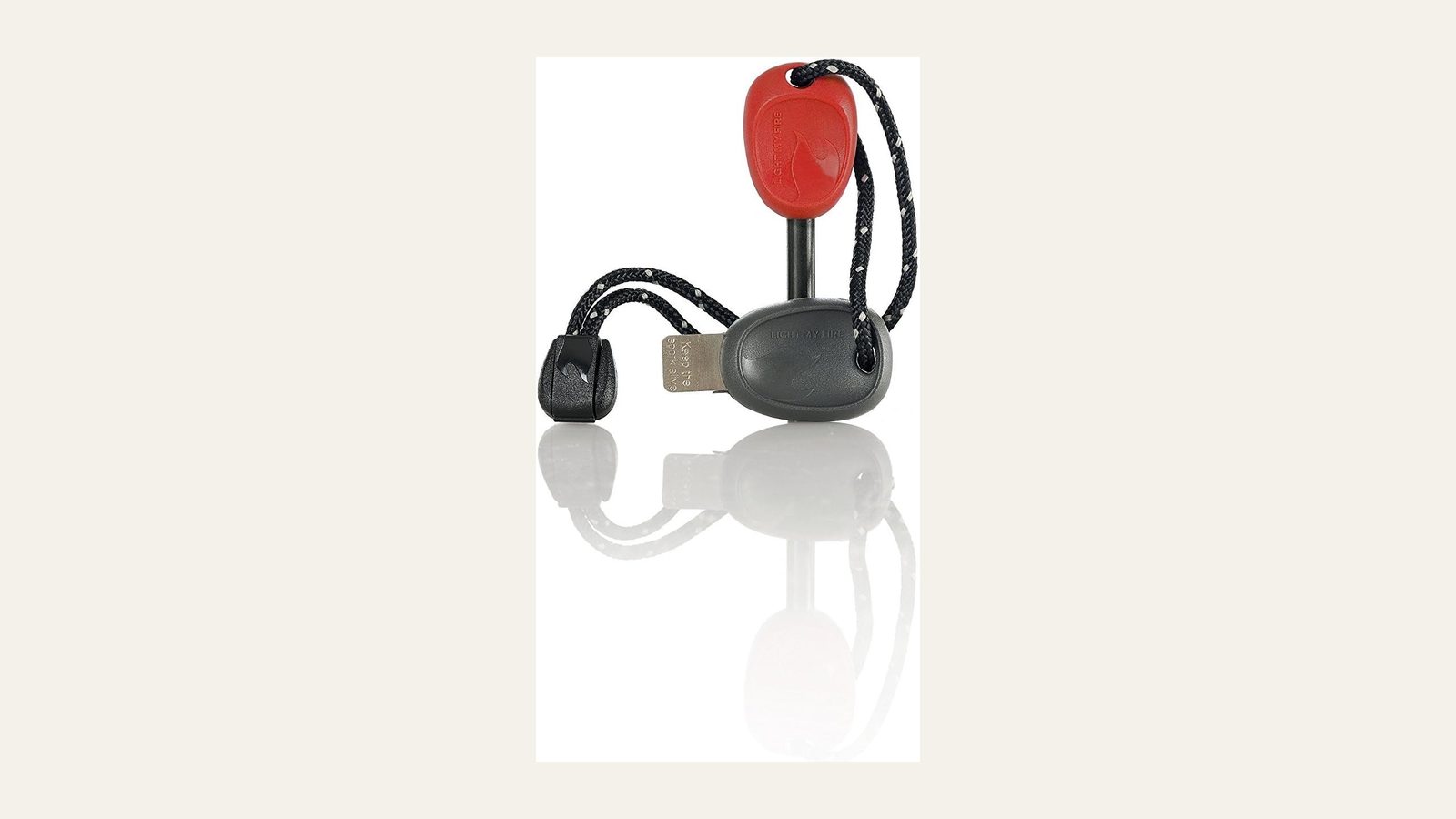
Choose the Light My Fire Swedish FireSteel 2.0 Scout for the larger striker, about 3,000 strikes, and a whistle in the handle. Choose the Exotac nanoSTRIKER for a small waterproof body with a replaceable rod. Sparks still need dry tinder.
Key takeaways
- Scout 2.0 is the 3,000-strike rod with a whistle, not the Army model.
- nanoSTRIKER is one waterproof piece with a replaceable rod.
- Gloves favor the Scout. A keychain favors the nanoSTRIKER.
- A wet log is not tinder. Practice in the yard.
Light My Fire Swedish FireSteel 2.0 Scout, or the Exotac nanoSTRIKER, is a ferro-rod choice. Buy the Scout if you want the larger rod, a striker with a whistle in the handle, and a tool you can use with a cold hand. Buy the nanoSTRIKER if you want one small waterproof body on a keychain, with the rod stored inside and a carbide scraper. Neither one lights a wet log by itself. Both throw sparks into tinder you already prepared. Confirm you are buying the Scout, not the bigger Army FireSteel, and the nanoSTRIKER, not a different orange cylinder that only looks similar.
Short version. Fire starters as a kit still include tinder, not just a rod. A knife makes the tinder. A filter is the other half of a bad night, and a compass does not care whether the fire started. Check live prices. Practice in the yard before you trust either rod.
The Scout card is the 2.0 with the emergency whistle and the 3,000-strike rod in the listing title. The Army model is the heavier FireSteel with a much longer rod life. If the package says Army, you bought the other one. The nanoSTRIKER card is the blaze-orange ferrocerium starter with the rod inside the body. An XL with a different size is a different tool. Read the name on the side.
| Job | FireSteel 2.0 Scout | nanoSTRIKER | Our call |
|---|---|---|---|
| A rod you can strike with gloves on | Separate handle and a real striker | Small carbide edge in the cap | Scout |
| A keychain that stays one piece | Two pieces that can knock together | Rod stored in the body, cap on | nanoSTRIKER |
| A whistle in the same tool | Whistle built into the striker handle | Not a whistle | Scout |
| Wet, windy, high camp | Sparks still come off a wet rod | Waterproof body, sparks still need dry tinder | Either rod, plus tinder you kept dry |
| Lighting a soaked log with no tinder | Will not | Will not | Make tinder first |
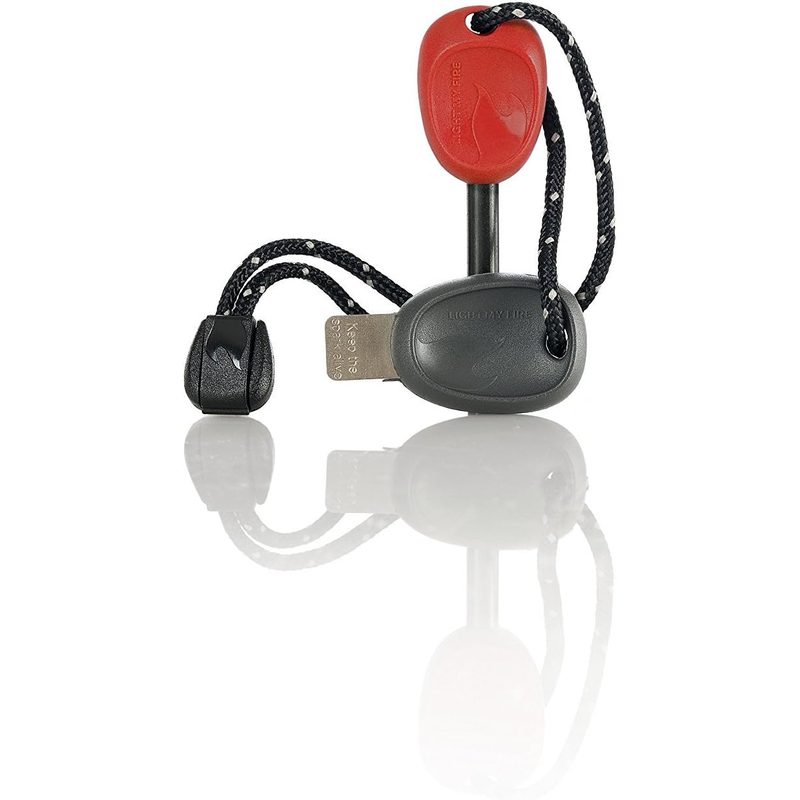
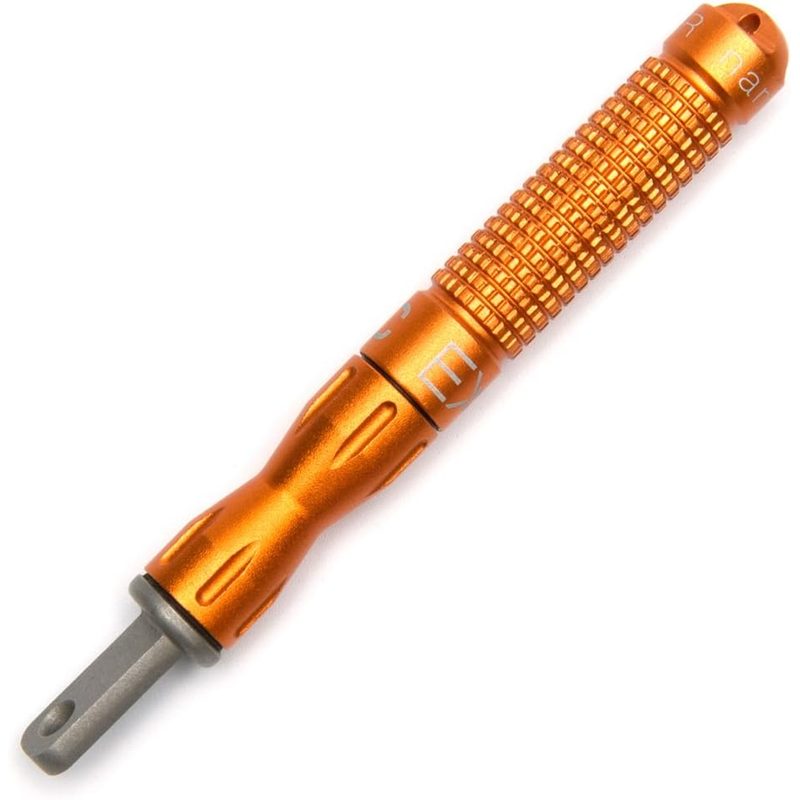
The Scout listing is the 3,000-strike 2.0 with a whistle. The Army FireSteel is a longer-lived rod and a different buy. The nanoSTRIKER is the small sealed starter, blaze orange on this card.
Who should buy the Scout, and who should buy the nanoSTRIKER?
Buy the Swedish FireSteel 2.0 Scout if the fire kit lives in a pocket or a lid, and you want a rod you can hold like a tool. Light My Fire's Scout 2.0 listing promises on the order of 3,000 strikes and a spark around 3,000 degrees Celsius, and it works when the rod is wet. The striker handle has a whistle in it. That whistle is not a rescue plan by itself. It is a loud noise you already have in your hand when you are lighting the stove or the tinder bundle. The handles are shaped so the rod and the striker sit together. They are still two pieces. In a loose pocket they click. That click is the complaint people solve by moving to a one-piece tool, or by keeping the Scout in a small pouch.
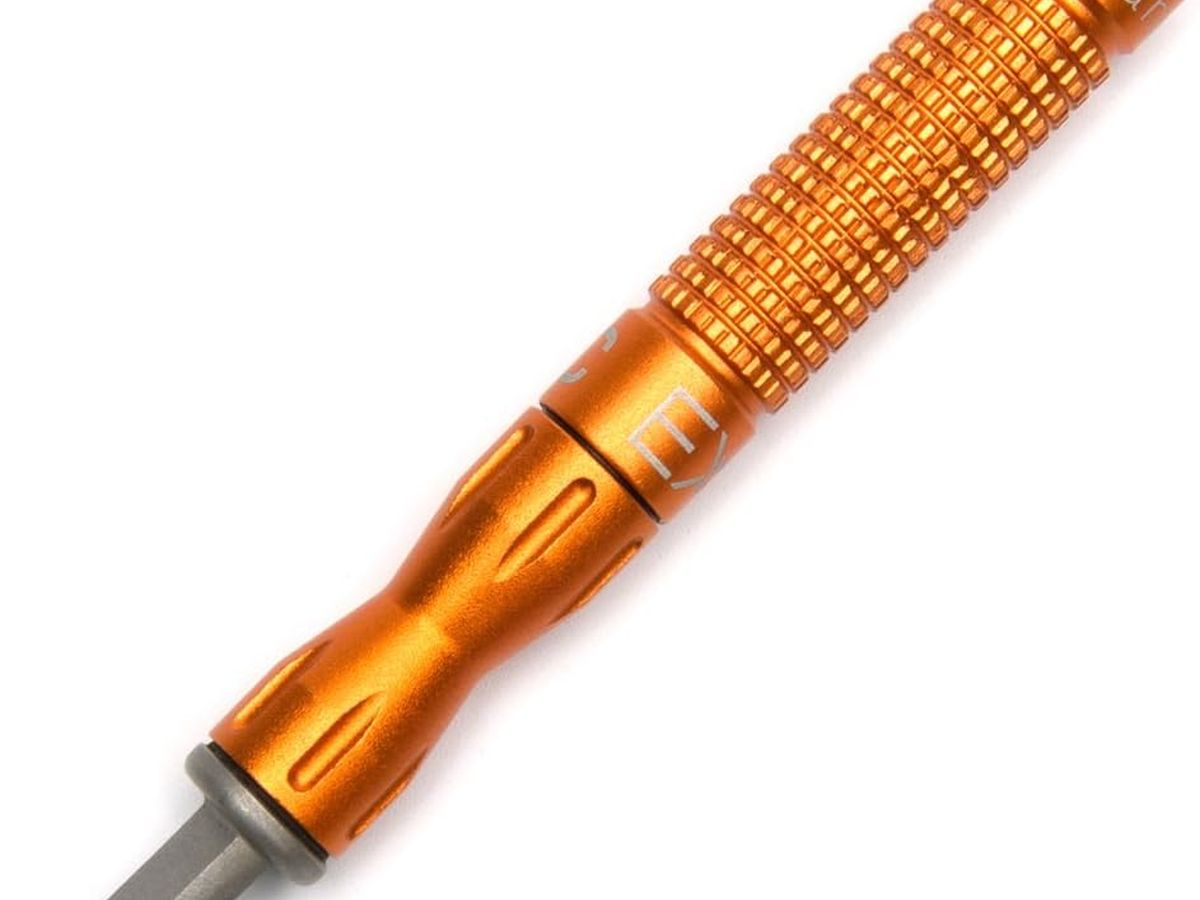
Buy the Exotac nanoSTRIKER if the fire starter has to live on a keychain or in a tin and you are tired of two pieces. The rod sits inside the body. The cap carries a carbide scraper. The listing describes it as a waterproof, self-contained ferrocerium starter with a replaceable rod. Blaze orange is the color on this card so you can find it in the duff. It is small. Small is the point, and small is the limit. A cold, gloved hand has less scraper to push. If you only practice in a warm kitchen, the nanoSTRIKER feels clever. If you practice with gloves, you will learn whether the Scout's larger striker was the one you wanted.
Buy both only if one stays in the pack and one stays on your person. A fire kit in the pack does not help when the pack is on the other side of a creek. One rod in a pocket, tinder in a bag, and a knife you can open is the minimum that matches how people actually get separated from their main kit.
What the FireSteel Scout 2.0 is actually for
The Scout is the smaller of Light My Fire's two famous rods. The Army model is the one people buy when they want a rod that survives a knife edge and a lot of years. The Scout is the one you can clip to a zipper pull and still strike with the included scraper. The listing's 3,000-strike figure is a life rating, not a promise that strike number 2,999 is as fat as strike number one. You use sparks, you use up rod. A knife used as the scraper eats a Scout faster than the included striker does, because a sharp edge takes a deeper bite. Use the striker that came with it unless you have a reason and a bigger rod.
The spark is the product. It lands on tinder and the tinder has to be fine enough to catch. Dry grass, fatwood dust, a cotton ball with a little petroleum jelly, birch bark, or a commercial tinder tab. A wet log is not tinder. A paper towel from lunch is tinder until it is wet. Keep a small tinder bag dry. The rod will throw sparks in the rain. The tinder will not catch if you left it in the rain too.
Do: scrape away from your fingers, onto the tinder, with the rod close to the bundle. Don't: strike toward a fuel canister, a stove that is already leaking, or your own leg. Sparks are small and they are enough to light gas fumes. Do: blow gently once the tinder glows, then add pencil-size wood, then finger-size wood. A ferro rod is the match. It is not the fire lay.
What the nanoSTRIKER is actually for
The nanoSTRIKER is the pocket version of the same idea: ferrocerium, a sharp scraper, a body that keeps the rod out of the weather and out of your pocket lint. Exotac's listing calls it waterproof and self-contained, with a replaceable rod and a tungsten-carbide striker. You take the cap, secure the lanyard so the small handle does not vanish into the leaves, and scrape. The rod is short because the whole tool is short. That is a fair trade when the tool has to disappear onto a key ring. It is a poor trade when you want a long, easy shower of sparks onto a wide tinder bundle in a real wind.
Replaceable matters. A Scout is a rod you use until it is a nub. A nanoSTRIKER is a body you keep and a rod you can swap. Buy the replacement rod before the original is gone, not after you are standing in a trailhead parking lot discovering the nub. The orange body is how you find it. A black fire starter in brown leaves is a lost fire starter. This card is the blaze-orange one for that reason.
Do: wrap the lanyard around a finger so the scraper stays in your hand. A tiny striker in the leaves ends the drill. Don't: store it open in a pocket full of grit. The carbide edge and the rod both suffer, and grit in the body is how a "waterproof" tool stops sealing. Do: pair it with tinder that has a lot of surface. The spark from a short rod is plenty if the tinder is fine, and useless if the tinder is a chunk of pine.
Sparks are not a fire
Both tools fail the same way when the tinder is wrong. Make a bundle before you need the rod. In a deciduous woods, scrape inner bark, find dry twigs under a log, and keep them in a pocket so your body dries them. In a wet conifer woods, look for fatwood in a stump, or carry tinder you packed at home. The longer fire-starter piece is about that kit. A rod without tinder is a sparkler. A tinder tab without a way to light it is a square of hope. Carry both.
A knife makes better tinder than a ferro rod does. A folding tool you already carry will scrape a fuzz stick if you practice. Do the practice at home, over a patio, with a pot of water next to you. The first time you try to make a feather stick should not be the time your hands are cold. The Scout's included striker is safer for the rod than a knife edge. The knife is for the wood.
Wind and rain are the rest of the lesson. Build the fire on the lee side of a rock or your body, not in a puddle. Spark the tinder in a sheltered corner of the lay, then move the glowing bundle into the kindling. People who strike a rod at a pile of wet sticks and then declare ferro rods a gimmick skipped the tinder. The rod did its job. The lay did not.
How to strike without learning it on a bad night
Hold the rod still and close to the tinder. Move the scraper, not the rod, if you can. A moving rod walks the sparks off the bundle. Push hard enough to shave metal. A timid scrape polishes the rod and throws nothing. You should see a spray, not a single speck. Point the spray into the tinder, then stop and blow if you see a glow. More sparks on a glowing bundle can blow the ember apart if you are wild with them. One good scrape, then air, then wood.
Gloves change the grip. Practice once with the gloves you actually hike in. The Scout is easier there. The nanoSTRIKER asks for a more precise pinch. If you cannot do it with gloves in the yard, you will not do it beside a creek in October. That single test is the whole buying decision for a lot of people, and it costs nothing but a tinder tab.
The whistle on the Scout is a separate skill. Three blasts, then listen, is the old signal. It does not replace telling someone where you went. It does replace shouting until you are hoarse. Blow it clear of the fire so you are not inhaling smoke, and do not blow it next to someone's ear in camp. It is loud because it is supposed to be loud.
What actually fails
The rod fails when it is used up, or when a knife has gouged it into a shape the striker skips off. The scraper fails when the edge is rounded or packed with metal dust. Wipe it. The whistle fails when it is full of pocket crud. Rinse it. The nanoSTRIKER's seal fails when the O-ring is cut or the cap is cross-threaded. Look at the ring once a season. A tool that rattles open in the pack is not waterproof anymore.
The other failure is storage next to a stove canister or inside a cook pot with a lighter that leaks. Ferro rods do not explode. Fuel fumes and a spark do. Keep the fire kit in a pocket or a tin, and keep fuel where a stray spark cannot find it. A canister stove is lit with its own piezo or a lighter, outside, with the pot on it. A ferro rod is for tinder and for a stove you are lighting on purpose, not for a puddle of fuel.
What this fight is not
It is not a lighter, a box of matches, or a magnesium block with a flint glued on, though any of those can live beside a rod. Redundancy is the point of a pocket kit. One method gets wet, the other still works. It is not a compass and it is not a water filter. A fire without water, or a fire when you are lost and walking the wrong drainage, is a camp you did not mean to keep.
It is not the Army FireSteel and it is not a four-inch novelty rod from a bargain bin with no striker worth the name. The Scout card is the 2.0 with the whistle. The nanoSTRIKER card is the orange Exotac. If the package does not say those names, you are holding a different spark.
So which ferro rod should you buy?
Buy the Light My Fire Swedish FireSteel 2.0 Scout if you want the larger grip, the whistle, and a rod you can strike with cold hands. Buy the Exotac nanoSTRIKER if you want one waterproof piece on a keychain and you will practice with the small carbide scraper before you need it. Carry tinder either way. Confirm Scout versus Army, and confirm the orange nanoSTRIKER versus a different cylinder. Then light a bundle in the yard, put the fire out with water, and pack the rod where you can reach it when the pack is not on your back.
Frequently asked questions
Light My Fire Scout or Exotac nanoSTRIKER?
Scout 2.0 if you want the larger grip, the whistle, and an easier strike with gloves. nanoSTRIKER if you want one small waterproof piece on a keychain.
Is the Scout the same as the Army FireSteel?
No. This card is the Scout 2.0, the smaller rod rated around 3,000 strikes, with a whistle in the striker. The Army model is the heavier, longer-lived rod.
Does a ferro rod light a wet log?
No. It throws sparks into fine, dry tinder. Make the bundle first. The rod works wet. The tinder does not.
Can I scrape the Scout with a knife?
You can, and a knife edge eats the Scout faster than the included striker. Use the striker that came with it.
Is the nanoSTRIKER waterproof?
The listing calls it a waterproof, self-contained starter. Keep the cap seated and the seal clean. An open, gritty body is no longer that tool.
What else belongs in the fire kit?
Dry tinder, and a knife you have practiced with. A rod without tinder is only a spark.