
Suunto MC-2 vs Silva Ranger 2.0
Written by John Wren|
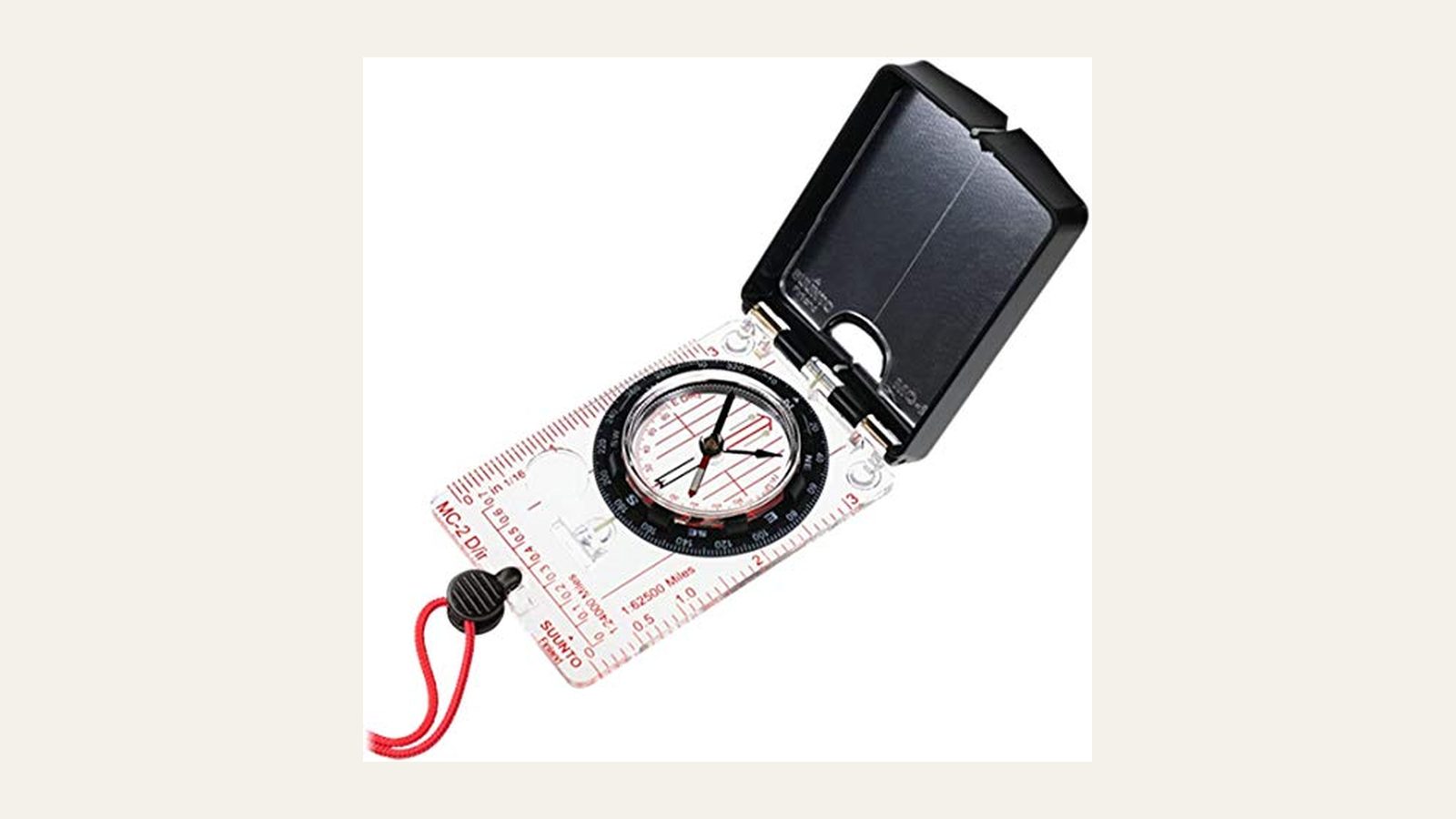
Choose the Silva Ranger 2.0 for a mirror compass with 1:24,000 scales and luminous marks. Choose the Suunto MC-2 after you confirm a Global or northern capsule and a baseplate that matches your map.
Key takeaways
- Ranger 2.0 lists 1:24,000 scales and about 86 grams.
- Confirm the MC-2 capsule: Global or northern.
- Set declination or the long leg walks off.
- A phone is not a substitute when the battery dies.
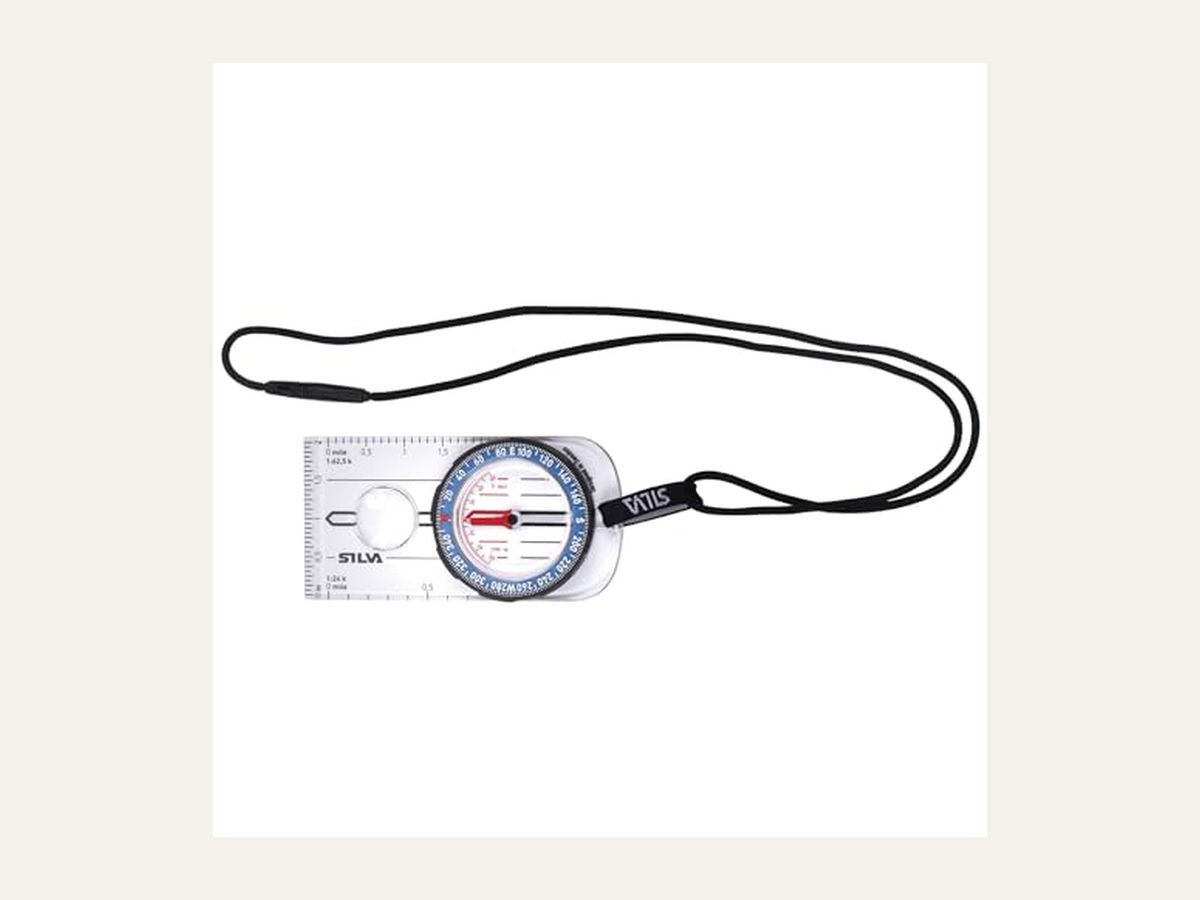
Suunto MC-2 vs Silva Ranger 2.0 is a mirror-compass fight for a map, not a phone fight. Both are baseplate compasses with a mirror, a declination adjustment, and a clinometer. The MC-2 is Suunto's metal-hinged sighting compass, and the capsule in front of you has to say whether the needle is a Global needle or a northern-hemisphere needle. The Ranger 2.0 is Silva's current advanced mirror compass: about 3 ounces, DryFlex grip, a clinometer, rubber feet, a magnifier, luminous marks, and scales that include 1:24,000. If you want the sighting mirror and you will set declination once for the map you actually carry, buy either and then learn it. If you want the one whose listing is specific about USGS-style scales and a slope card, buy the Ranger 2.0. If you travel both hemispheres, buy the MC-2 only after you confirm the capsule says Global.
Short version. A water filter does not point north. A multitool does not replace a bearing. A satellite messenger is a different failure, the one where you are already lost and the phone is dead. A 72-hour kit still needs one compass you have used in the daylight. Check live prices.
This comparison is two sighting compasses. It is not a button compass on a zipper pull, and it is not a watch. Confirm the MC-2 scales printed on the baseplate you receive. Inch scales and a 1:24,000 ruler are the USGS plate. Millimeter scales are the metric plate. A sticker on the outside of the package has disagreed with the plate inside for some buyers. Read the plate. Confirm the Ranger 2.0, model scales that include 1:24,000, not a Ranger from a decade ago and not the orange Quad if you meant the black 2.0.
| Job | Suunto MC-2 | Silva Ranger 2.0 | Our call |
|---|---|---|---|
| A USGS 7.5-minute map in the United States | Only if the plate is the inch / 1:24,000 version | Listing includes 1:24,000 | Ranger 2.0 unless the Suunto plate matches |
| Travel in both hemispheres | Global capsule, if that is what shipped | A northern needle dips in the south | MC-2 Global, confirmed |
| A slope, an avalanche path, a steep trail | Clinometer in the hinge | Clinometer plus a slope card | Either, if you practice |
| Night, a trail you already missed | Sight the mirror, luminous marks vary by model | Luminous marks, about four hours after a charge of light | Ranger if the night is the point |
| A phone with a map download | Still bring the compass | Still bring the compass | Both. The phone dies. |
Declination is a screw, not a vibe. Set it for the map and the year. A compass left at zero declination in the western United States walks you off a ridge on a long leg. Look up the declination for the sheet. Write it on the map. Then set the compass.
Who should buy the MC-2, and who should buy the Ranger 2.0?
Buy the Ranger 2.0 if your maps are USGS quads and you want the scales, the slope card, and the lanyard that Silva prints for that job. Buy the MC-2 if you want Suunto's mirror and hinge, and you have confirmed the needle and the ruler. Buy a Global capsule if the trip crosses the equator or you will not own two compasses. Buy a northern capsule if you live in the northern half of the continent and the plate matches your maps. A southern needle in Montana is the wrong tool. A northern needle in Patagonia is the wrong tool. The word Global on the capsule is the one that refuses that trap.
A mirror compass is slower than a basic baseplate and more honest when you need a bearing you can walk. You sight the landmark in the mirror, the needle in the vial, and you turn your body until they agree. If you have never done that in a parking lot, you do not own a compass yet. You own a pendulum. Practice before the trip. A kit full of unused tools is a heavier pack, not a plan.
What the MC-2 is actually for
The MC-2 is Suunto's sighting compass with a mirror lid, a clinometer for slope, and a declination adjustment. The baseplate is the part that must match the map. USGS plates speak inches and 1:24,000. Metric plates speak millimeters and a different scale. The needle is the other half. A balanced northern needle sits level in the north and dips as you go south, until it drags on the capsule and lies. A Global needle is Suunto's answer for people who will not buy a second compass. The listing photo and the plate in the box have not always been the same object. That is a known annoyance with this model on a big retail site. Open the package when it arrives, read the capsule, and return it if the needle zone or the ruler is not the one you ordered. Do not "make it work" with a conversion you will forget on a cold morning.
The hinge and the mirror are why the MC-2 has a reputation with people who navigate for work. You can take a bearing on a peak and read the dial without dropping the map in the mud, if you have done it ten times at home. The first time on a windy ridge is a bad classroom. The clinometer reads slope when you turn the compass on its edge. Slope is how you decide a sidehill is steeper than it looks, which matters on snow and on a loose scree field. A number you have not practiced is a number you will not trust.
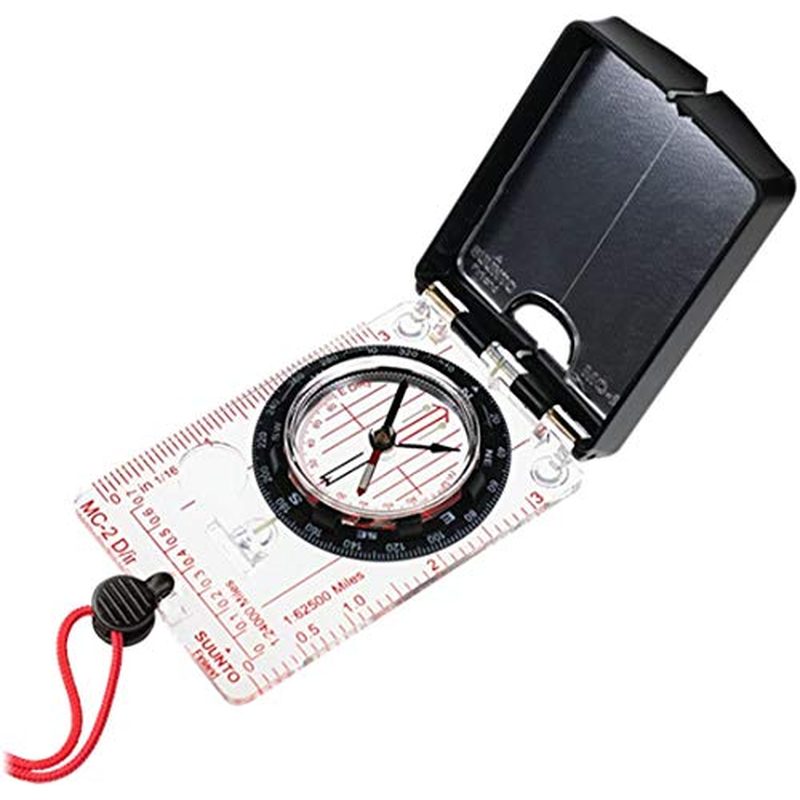
Do: set declination with the screw, then check it against a known bearing in town. Don't: store the compass next to a magnet, a phone speaker, or a truck dash full of electronics and then trust the needle. Don't: assume every MC-2 is Global. Read the capsule.
What the Ranger 2.0 is actually for
The Ranger 2.0 is Silva's mirror compass for people who already know what a bearing is. The listing's own spec block is unusually complete: about 86 grams, about 3 ounces, folded about 2.4 by 4.3 by 0.8 inches, a sapphire jewel bearing, a mirror sight, a clinometer, a declination adjuster, a magnifier, rubber friction feet, DryFlex grip, and scales on the plate for 1:25,000, 1:50,000, millimeters, inches, and 1:24,000. Luminous marks are rated about four hours after you charge them in light. The lanyard is a measuring tool, not just a leash, with scales you can lay along a route. A slope card comes with it so a steep line on the map becomes a number you can compare to the clinometer.
Accuracy on that same block is about 2 degrees. That is a lab claim. Your error will be larger if the needle is sticking, if you rushed the sight, or if declination is wrong by 10 degrees. Two degrees is not the thing that gets you lost. Skipping declination is.
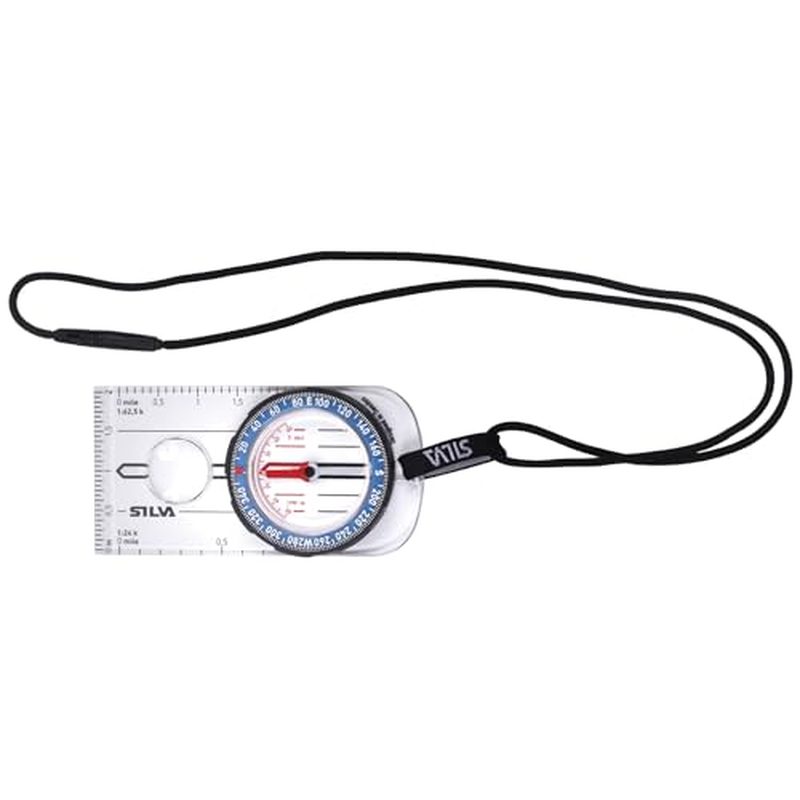
Do: charge the luminous marks under a headlamp before a night leg, and do not expect them to glow at 3 a.m. if you packed the compass in a dark pocket at noon. Don't: use the 1:50,000 scale on a 1:24,000 map and then wonder why the lake arrived early. The scale on the ruler has to be the scale in the map's legend. Don't: confuse this black Ranger 2.0 with the orange Quad. Read the model.
A compass without the map's scale is a decoration.
Lay the side of the plate along the route. Read the distance with the scale that matches the map. On a 1:24,000 USGS quad, one inch on the map is about 2,000 feet on the ground. That is why the inch ruler and the 1:24,000 marks exist. A metric ruler on that map makes you do math you will get wrong when you are cold. This is the whole reason to confirm the MC-2 plate, and the whole reason the Ranger 2.0's published scales are the easier buy for a US quad.
Take the bearing from the map to the land, or from the land to the map, and write it down. A bearing you remember is a bearing you will round. Walk it. Look up. Sight again. A compass course that never looks at the terrain walks into the creek the map already drew. The mirror is for the sight. The terrain is for the correction.
A headlamp belongs in the same pocket on a night leg, because luminous marks are a backup, not a room light. If that lamp is a camp lamp and not the one on your head, you will still want your hands free for the compass.
Declination is the step people skip.
Magnetic north and map north are not the same line. The difference is declination, and it changes by place and by year. Both of these compasses have an adjustment so you can set that difference and then forget the arithmetic while you walk. If you leave it at zero, every bearing is off by whatever the local declination is. In parts of the western US that is double digits. On a two-mile leg, double digits is a different drainage.
Set it. Check a known line, a road or a fence on the map that you can see. If the compass and the fence disagree by a lot, the set is wrong or the needle is being pulled by the watch on your wrist, the phone in your chest pocket, or the hood of the truck. Step away from metal and try again. A compass that will not settle is not mysterious. It is next to a magnet.
What actually fails on a mirror compass?
The needle sticks because the capsule was left in a hot car or because a bubble grew in the fluid. A small bubble in the cold is common and often shrinks when the compass warms up. A bubble that lets the needle hang is a dead compass. The mirror cracks if you sit on the pouch. The declination screw strips if you force it with the wrong tool. The lanyard on the Ranger is part of the measuring kit, so a snapped lanyard is not just a lost compass. It is a lost scale. Tie it to a zipper you do not lose.
A compass that arrives with the wrong scales is not a failure of the instrument. It is the wrong instrument. Send it back. Navigating on a ruler that does not match the map is how careful people get lost.
What this fight is not
It is not an inReach. A messenger tells someone where you are after you admit you need help. A compass tells you where to walk before that. It is not a filter and it is not pliers. It is not a button compass. A zipper-pull compass will point north in a general way and will not take a bearing you can follow for a mile. It is not a kit in a tin unless the tin includes a compass you have opened.
A GPS app is allowed to exist. It is not a substitute for the plate in your hand when the battery dies, the trees kill the signal, or the download was the wrong park. Carry both. Trust the one that does not need a battery, and check it against the one that does while both still work.
So which compass should you buy?
Buy the Silva Ranger 2.0 if you carry USGS maps and you want 1:24,000 scales, a clinometer, a slope card, and luminous marks you can charge. Buy the Suunto MC-2 if you want that mirror and hinge and you have confirmed the capsule: Global if you need both hemispheres, and a baseplate whose ruler matches your map. Set declination. Practice a bearing in town. Check live prices. A compass you have not used is a paperweight that points north for someone else.
The rest of a serious kit is water, warmth, and a way to tell someone you are late. The compass is how you avoid needing that call.
Frequently asked questions
Suunto MC-2 or Silva Ranger 2.0?
Ranger 2.0 if you want 1:24,000 scales and luminous marks for USGS maps. MC-2 if you confirm the capsule and the baseplate ruler match the maps you carry.
What is a Global needle on an MC-2?
A Global capsule is the one meant for both hemispheres. A northern-only needle dips as you go south. Read the capsule. Do not assume every MC-2 is Global.
Why does declination matter on a compass?
Map north and magnetic north differ. Set the declination screw for your map or every long leg walks off the line.
Can a phone replace a mirror compass?
No. Use the phone while it works, and carry the compass for when it does not. Practice a bearing before the trip.
What scales does the Ranger 2.0 include?
The listing includes 1:24,000, 1:25,000, 1:50,000, inches, and millimeters. Use the scale that matches the map's legend.
Is a button compass enough for a map?
No. A zipper-pull compass will not take a bearing you can follow. These are mirror compasses. Practice the sight.