
ESEE 6 Survival Knife Review (2026)
Written by John Wren|
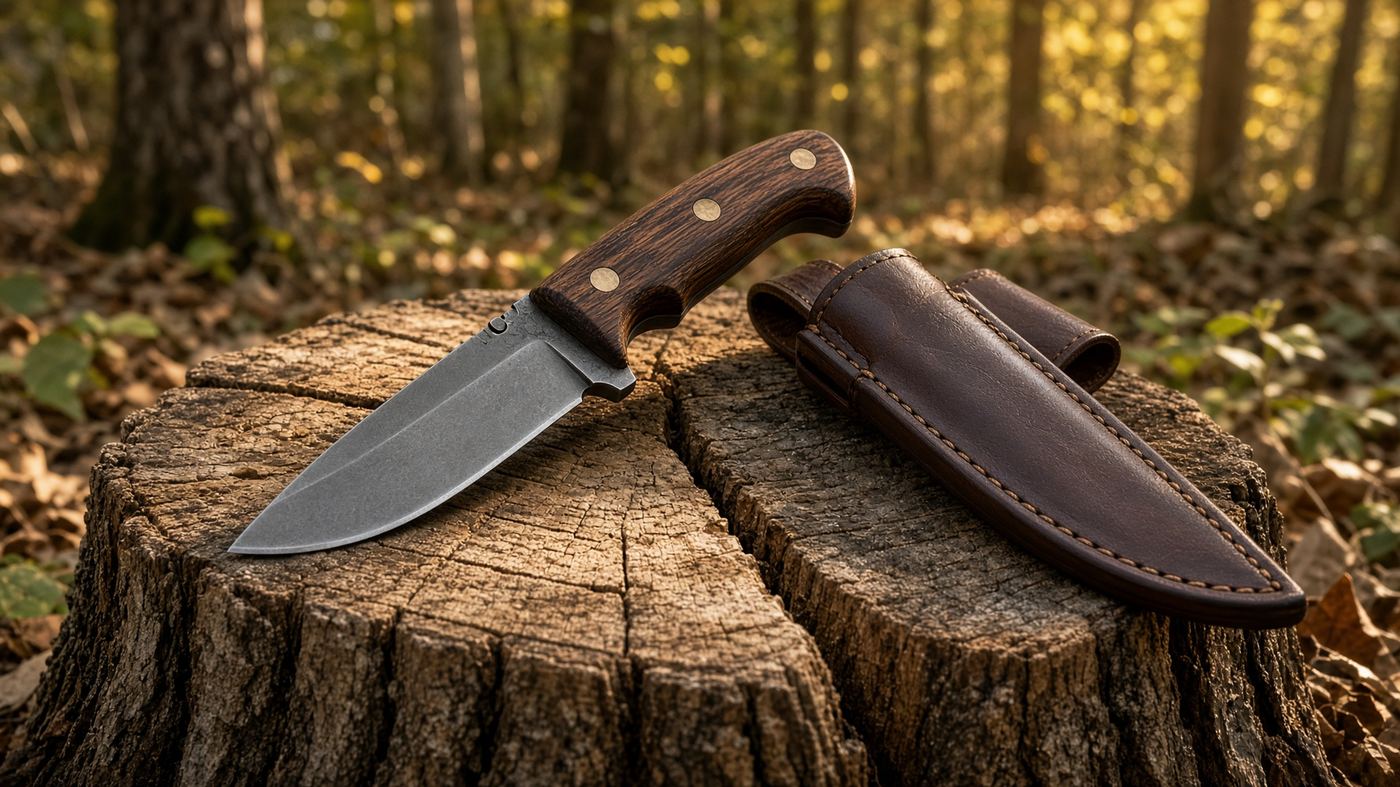
Buy an ESEE 6 if you want a mid-size 1095 survival and camp knife you will actually oil. Choose the ESEE 3 if you want less weight on a belt. It will stain. That is the steel.
Key takeaways
- Full tang 1095, not stainless jewelry.
- Sheath retention matters more than a pommel trick.
- The 3 is the all-day belt fork.
- Rust is storage, not mystery.
The ESEE 6 is a 1095 high-carbon full-tang working knife: about six inches of blade, a glass-breaker pommel on many SKUs, a sheath you can actually wear, and a company that has a reputation for replacing knives you used hard. It is not a folder. It is not a kitchen flex. It is not a mall dagger. In 2026 it is still the survival-and-camp fixed blade we send people to when they want one knife that will baton a little, make fuzz sticks, and not fold in a hinge they do not have.
Short version. Buy an ESEE 6 if you want a mid-size 1095 camp/survival knife and you will oil it. Buy the ESEE 3 if you want less blade on a belt you already complain about. Buy a folder for pockets and steak. Pair with a light you have clicked and a brain about rust. Check live prices. We do not invent numbers.
1095 stains. That is the steel working, not a defect. A stainless that never spots is often a stainless that never quite bites the same. A survival kit without a knife you have used is a tin of optimism. An axe is the splitting tool. The 6 is the carving and the feather-stick tool.
What the 6 actually is
Rowen-made 1095, powder coat or similar finish depending on SKU, canvas Micarta or similar scales, a sheath that has been through as many revisions as the forums. Length is the point: enough blade to process wood without being a sword on your belt. A 6 on a day hike is extra until you use it. A 6 in a truck kit is how you stop opening moving boxes with a house key.
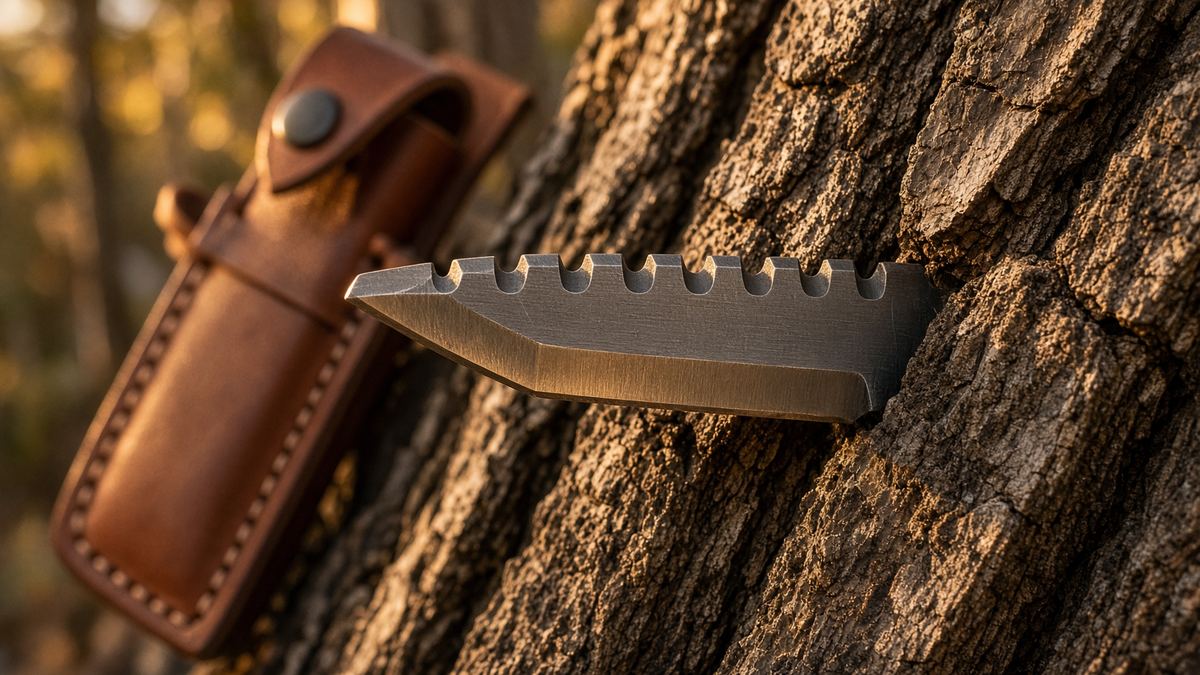
Geometry: a fairly tough camp grind, not a paper-thin slicer and not a pry-bar chisel. You can baton small rounds. You should not open 55-gallon drums or dig rocks. ESEE’s warranty folklore exists because people abuse these and mail them in. Do not be the story that needed a lawyer. Be the story that needed a stone.
ESEE 6 — the working SKU
Listings rotate. Some boxes say ESEE-6, some say a retailer bundle with a firesteel. The knife is the 1095 slab. If the scales feel cheap in photos, you are looking at a different knife. A genuine 6 is thick enough in the spine that you notice it in hand. That weight is the baton tax. If you wanted a 3-ounce neck knife, you wanted an ESEE 3 or Izula, not this page.
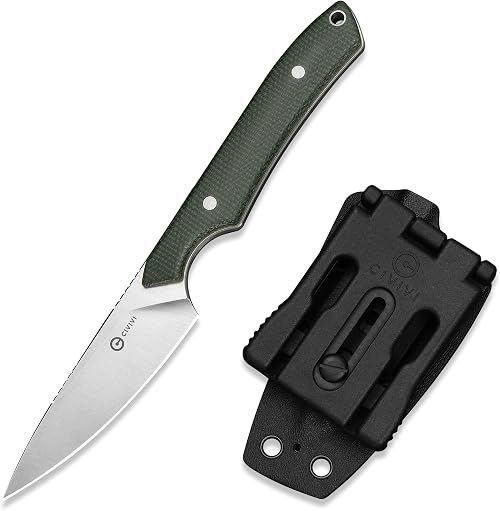
Sheath: wear it and sit in a car before you trust a trip. A dropped 6 in a creek is a $100+ donation and a bad afternoon. Retention that is only friction will surprise you in brush. A dangler that slaps your thigh for eight miles will come off the belt and live in the truck. That is allowed. A truck knife still has to be a knife.
Light, rust, and the rest of the kit
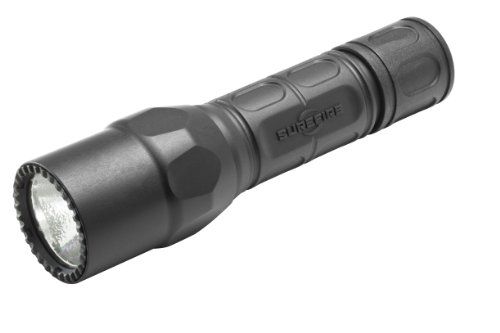
A SureFire G2X in the same pouch is how you stop using the 6 as a pry on something you cannot see. Oil the 1095. Vinegar and mustard will stain it on purpose if you like a working patina; neglect plus a wet sheath will pit it in a way you will not like. Dry the sheath. Do not store a wet 6 in kydex against the coat for a month.
| Item | Best job | Watch-out |
|---|---|---|
| ESEE 6 | Mid-size 1095 camp/survival | Rust. Weight on a day hike. |
| ESEE 3 (other page) | Smaller belt knife | Less baton, easier to wear |
| SureFire G2X | See what you are cutting | A knife is not a light |
Our pick: ESEE 6 in a truck or a real camp kit, oiled, sheathed so it cannot launch. ESEE 3 if the belt is already full. Check live prices. We do not invent numbers.
What ESEE-6 mistakes look like a snapped tip in a fire ring?
Prying rock, digging a cat hole as if it were a trowel, batoning through a knot like the knife is a maul. 1095 is tough. It is not stupid-proof. A rolled edge you can stone. A snapped tip is a shipping label and a lecture. An axe splits. A folding saw cuts rounds. The 6 carves and feathers and processes small wood. Stay in its job.
A wet leather or nylon sheath for a month. 1095 will pit in the dark. Wipe. Oil. Crack the sheath when you get home. A kydex sheath that holds water against the coat is the same lecture in plastic. The 3 has the same steel and the same rust rules in a smaller package.
Wearing a 6 on a 12-mile day hike because a video said “one tool.” You will take it off at mile four and leave it in the car. That is fine. Make the 6 a truck and camp knife and wear a smaller blade on the trail if you must wear one. Ego length is a bruise on the hip.
A camp night that actually uses the 6
Feather sticks. A notch. A pot hanger if you are that person. Food prep on a board, not on the blade over your knee. A light so you are not cutting in silhouette. The G2X is the pair. A fire you did not need a 6 to start is still a fire. Ferro is optional. Matches that work wet-ish are allowed. Do not fail a night because the kit was a catalog.
Sharpen: a stone in the kit, not a hope. 1095 takes an edge with basic tools. A steeper working edge survives camp. A razor you cannot keep will disappoint you on the second stick. A kit without a stone is a kit that goes dull on purpose.
Legal: a six-inch fixed blade is a problem in some parks and some cities. Know the length rule before you clip it under a jacket as if the pommel made it invisible. A truck box is legal in more places than a belt. That is not legal advice. That is a pattern.
When to skip the 6: if you will not oil steel, if you wanted a slicer for deer, if the belt cannot take the weight. When to buy it: camp, truck, a kit you will actually open. Check live prices. We do not invent numbers. A 6 that lives in a drawer in bubble wrap is a paperweight with a serial number. Scuff it. That is the point of 1095.
Two-knife kits are honest: 6 in the truck, a folder in the pocket. That is not excess. That is matching the day. A single 6 you force into every job is how tips snap and hips bruise.
A truck kit that is not a YouTube survival video
The 6 lives where you will actually open it: a truck box, a camp crate, a shed kit, not a display plaque. A folding saw, a small axe if you process wood, a light you have clicked, a stone, a way to make a fire that is not a ferro-rod personality. The G2X is the pair so you are not cutting in silhouette. An axe splits. The 6 carves, feathers, and processes small wood. A kit that is only a 6 is a kit that will try to be an axe and then need a shipping label.
Wear-test before a trip: sheath on the belt, sit in the truck, walk a block, sit again. A dangler that slaps your thigh for eight miles will come off and live in the cab. That is allowed. A 6 on a 12-mile day hike is extra until you use it. Ego length is a bruise on the hip. Make the 6 the truck and camp knife. Wear the 3 or a folder on the trail if you must wear steel. Two-knife kits are honest. A single 6 you force into every job is how tips snap.
Legal length: a six-inch fixed blade is a problem in some parks and some cities. Know the rule before you clip it under a jacket as if the pommel made it invisible. A truck box is legal in more places than a belt. That is not legal advice. That is a pattern. Counterfeits exist. Buy from a dealer you can return to. A genuine 6 is thick in the spine. If the scales feel like a toy in photos, you are looking at a different knife.
Food prep is a job the 6 will do on a board, not over your knee. A pot hanger if you are that person. Feather sticks if the fire is the night. Matches that work wet-ish are allowed. Do not fail a night because the kit was a catalog. Ferro is optional. A $8 ferro rod you have sparked in the yard beats a bundle you never opened. The 6 is the knife. The rest of survival is still fire, water, shelter, and a brain that will turn around.
When to skip the 6: if you will not oil 1095, if you wanted a slicer for deer, if the belt cannot take the weight, if a park will confiscate it. When to buy it: camp, truck, a kit you will actually open. Check live prices. We do not invent numbers. A 6 that lives in bubble wrap is a paperweight with a serial number. Scuff it. That is the point of 1095.
1095, oil, and the season the coat dies
Wipe. Oil. Crack the sheath when you get home. A wet leather or nylon sheath for a month is how 1095 pits in the dark. Kydex that holds water against the coat is the same lecture in plastic. Vinegar and mustard will stain it on purpose if you like a working patina. Neglect plus a creek is pits you will not like. Stain is the steel working. Pits are storage. A kit without a stone is a kit that goes dull on purpose. 1095 takes an edge with basic tools. A steeper working edge survives camp. A razor you cannot keep will disappoint you on the second stick.
Batoning small rounds is in the job. Opening 55-gallon drums and digging rocks is not. A rolled edge you can stone. A snapped tip is a lecture and, if you are lucky, ESEE’s warranty folklore. Do not be the story that needed a lawyer. Be the story that needed a stone. A skinner is thinner on purpose. The 6 will skin a deer if it is the only steel in the truck. You will wish it were thinner. Use it. Then buy a skinner for the next deer.
Powder coat chips. That is use. Bare 1095 under a chip wants oil. Do not treat a chip as a defect you mail back unless the knife failed a job it was built for. Prying a car door is not that job. Making fuzz sticks and a notch for a pot is that job. A glass-breaker pommel is a pommel. It is not a reason to wear a 6 into a building that does not want knives. Leave it in the truck.
Replace the 6 when the tip is a rumor you caused, when the scales are loose and you will not tighten them, when the sheath will not retain a walk through brush. A knife you lost in a creek is a donation. Paint the handle if you set it down in leaves. A truck 6 that rusted into a pit farm because it lived in a wet sheath is a storage failure, not a steel failure. Dry it. Oil it. Hunt or camp the last season as a backup if the edge is still an edge. Do not take a pitted 6 as the only knife on a paid week in the woods.
In 2026 the 6 is still the mid-size 1095 we send people to when they want one camp knife that will not fold in a hinge they do not have. Rowen, a sheath you sit-tested, a light in the same kit, a stone, oil in a tin. The ESEE 3 if the belt is already full. A folder in the pocket. That is a working kit, not a survival video. Check live prices. We do not invent numbers. Cut with it. That is the review.
Frequently asked questions
Is the ESEE 6 a good survival knife?
Yes, as a mid-size 1095 full-tang camp knife. It is not a folding multi-tool and not a tiny neck knife. Oil it. Do not pry rock.
ESEE 6 vs ESEE 3?
The 6 has more blade and more weight. The 3 is easier to wear all day. Buy the 6 for camp and truck. Buy the 3 for a belt you already hate.
Will 1095 rust?
Yes if you store it wet. Wipe, oil, dry the sheath. Stain is patina. Pits are neglect.
Can I baton with it?
Small rounds, yes. It is a camp knife, not a splitting maul. An axe exists for a reason.
Made in USA?
ESEE’s standard story is Rowen for these models. Read the current listing. Counterfeits exist. Buy from a dealer you can return to.
Do I need a firesteel bundle?
Only if you will use it. A $8 ferro rod you have sparked in the yard beats a kit you never opened.