
Best Deer Skinning Knives (2026)
Written by John Wren|
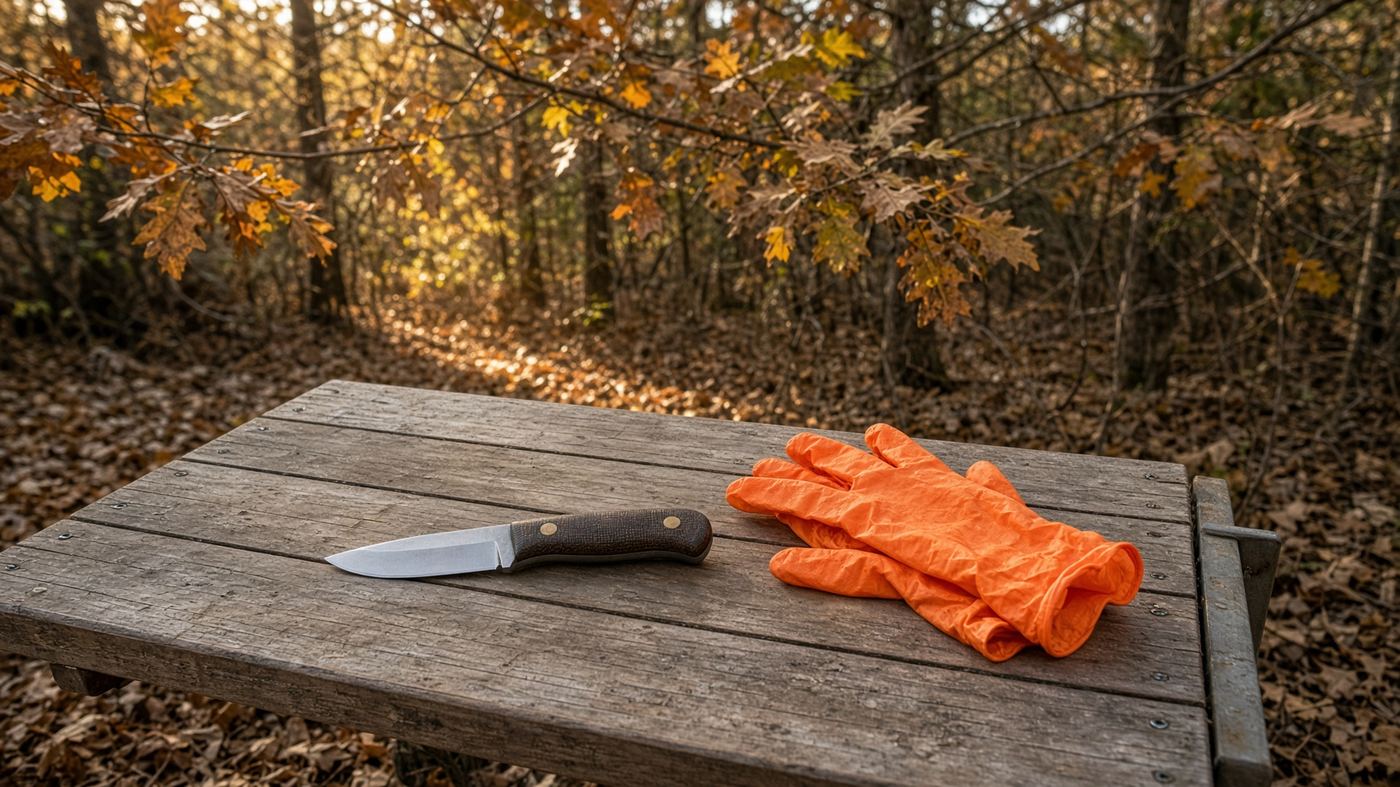
Buy an Outdoor Edge Razor-Lite if you want a fresh edge every deer without sharpening in the dark. Buy a Benchmade Hunt or Buck PackLite if you want steel you maintain. Carry extra blades or a stone. Slow cuts.
Key takeaways
- Replaceable vs sharpenable is the fork.
- Cap used blades.
- Small and thin beats a thick 'hunter.'
- A headlamp is part of the knife kit.
A deer skinning knife is a blade that starts cuts you can control, not a survival sword and not a kitchen santoku you will ruin. In 2026 the Amazon fork is still replaceable-blade (Outdoor Edge Razor-Lite, Havalon-class) versus a real steel skinner you sharpen (Benchmade Hunt, Buck PackLite). Replaceable blades are how you stay sharp at midnight on a tailgate. A Benchmade is how you own one knife you will still have in ten seasons if you stone it. Both beat a folding “hunter” that is actually a thick drop-point you cannot get under a hide.
Short version. Buy Outdoor Edge Razor-Lite if you want a fresh edge every deer without a stone in the dark. Buy Benchmade Hunt if you want a proper small skinner and you will maintain it. Buy Buck PackLite if you want a light field knife that still looks like a knife. Wear boots that fit and keep the orange gloves. Check live prices. We do not invent numbers.
Hunting knives is the wider roundup. ESEE 6 is a camp knife. Do not skin a deer with a 6-inch survival slab unless that is the only steel you own. You can. You will work harder.
Replaceable blades vs a steel you sharpen
Replaceable: always sharp, always a cut risk when you swap, always a pack of extra blades in a zip bag, never a romance about 1095. Outdoor Edge and Havalon built the category. Caps matter. A loose blade in a gut pile is a hospital. Steel you sharpen: one knife, a stone or a rod, an edge you understand, a failure mode that is “dull” not “the blade stayed in the deer.” If you process one or two deer a year, either works. If you process a pile, replaceable saves time and arguments.
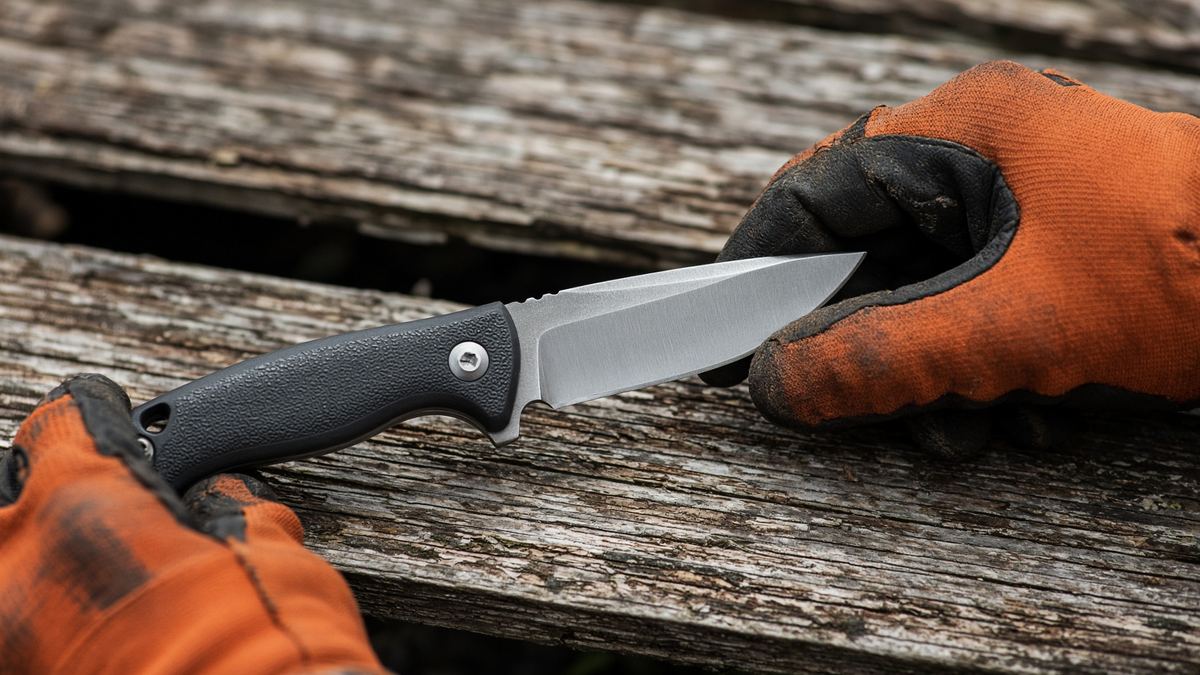
Gut hook: useful if you like it, a snag if you do not. Caping a head for a European mount wants a small, thin blade, not a hook. Quartering on the ground wants patience more than steel. Fillet logic is similar: thin and control, not macho thickness.
Outdoor Edge Razor-Lite and Buck PackLite
Razor-Lite is the folding replaceable-blade hunter a lot of people already own: extra blades in the handle or a pack, a shape that gets under hide, a lock you should still treat like a lock. PackLite is Buck being light: a field knife you will actually carry, not a safe-queen hunter with a six-inch clip. Neither replaces a bone saw or a hatchet when you are splitting a pelvis. Use the right tool. The knife is for hide and meat, not for being a pry bar on a joint.
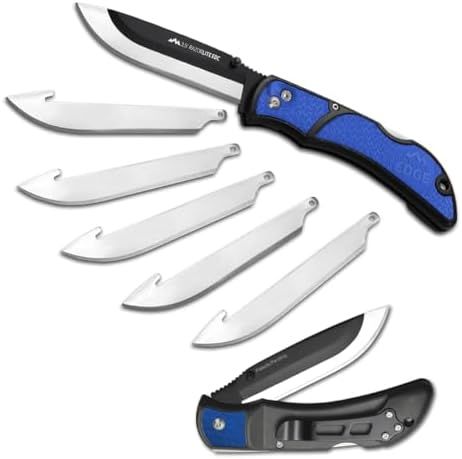
Cold hands: a fat handle you can hold with gloves. A tiny scalpel with a wet glove is a puncture. Practice a blade swap at home. Opening-night is a bad classroom. A headlamp is part of the kit. So is a way to wash.
Benchmade Hunt and the boots that got you there
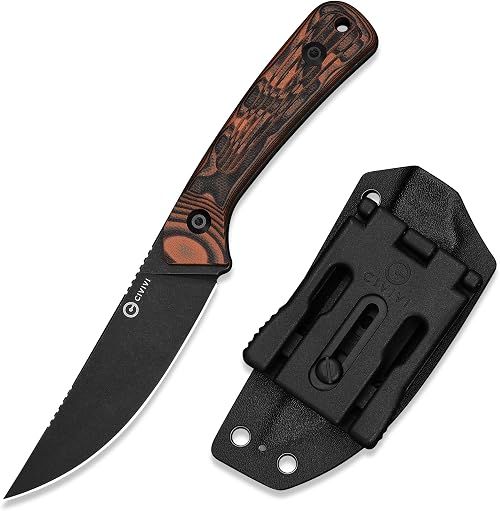
Benchmade’s small Hunt skinner is the “I will sharpen this” answer: thin enough to skin, expensive enough that you will not throw it in a truck bed with sand. If you lose knives, buy Outdoor Edge. If you keep knives, Benchmade or a simple Buck you already trust. Irish Setter Elk Tracker is here because the walk out with meat on your back is still a boot problem. A sharp knife and blistered heels is a long night.
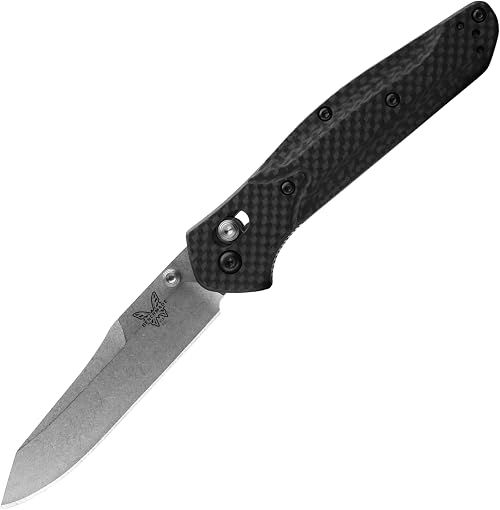
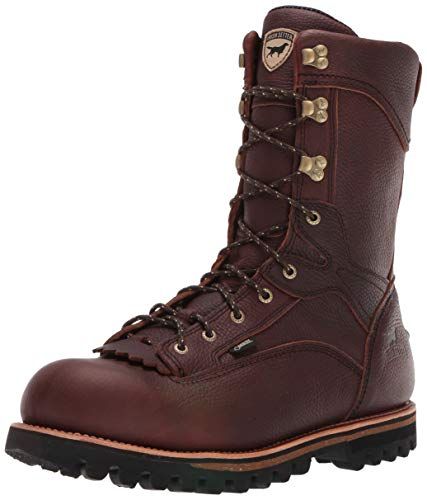
| Knife | Best job | Watch-out |
|---|---|---|
| Outdoor Edge Razor-Lite | Always-sharp replaceable | Cap the used blade. Pack extras. |
| Buck PackLite | Light steel you will carry | Still needs a stone |
| Benchmade Hunt skinner | Small real skinner | Do not lose it in leaves |
| Irish Setter Elk Tracker | The walk in and out | Break them in before opening day |
Our pick: Razor-Lite if you want sharp at 11 p.m. without a stone. Benchmade if you want one skinner for a decade. PackLite if the knife has to disappear in a pack. Check live prices. We do not invent numbers.
What skinning-knife mistakes look like a trip to urgent care at 11 p.m.?
A dull drop-point and a hurry. A blade swap with a bare wet hand. A gut hook yanked through a cape you cared about. Slow. Light. Gloves. Cap the used replaceable. A hunting knife that is too thick will make you push, and push is how people slip.
Using the skinner as a hatchet on a pelvis. Buy or borrow a saw. The knife is for hide and meat. Joints are leverage and patience, not a 3-inch blade you promised a forum you could “just pop.” A broken tip in a joint is a long night and a shorter knife.
No plan for the meat. A sharp knife and a cooler full of warm quarters is wasted meat. Ice. Shade. Time. Boots for the drag. A knife does not replace a pack-out plan. If you cannot get the animal out, you should not have shot it. That is older than this website.
A tailgate kit that is not a surgical theater
Knife or extra blades. Gloves. Headlamp. Water or wipes. A bag. A stone or a cap for used blades. Orange so you do not lose the handle in leaves. That is the kit. A 12-piece game-processing suitcase is allowed if you use it. It is not required for one deer on a Saturday.
Cold: fat handles, gloves that still grip, a blade you can open with a numb thumb. Replaceable folders that need two warm hands will fight you. Practice the swap at the kitchen sink. Florida heat is the opposite problem: gloves, flies, speed, ice. Same knife logic. Different clock.
When the knife is done: lock that rattles, a Benchmade you lost in a gut pile (it happens — paint the handle), replaceable handle that will not cap. Retire it. Check live prices. We do not invent numbers. Outdoor Edge if you want sharp at midnight. Benchmade if you keep steel. Buck if you want light. A survival 6 is the wrong skinner unless it is the only steel in the truck — in which case it will work, and you will wish it were thinner.
What we skipped: $400 custom skinners and Damascus that cannot see a rib cage. Pretty steel that you will not cut with is jewelry. This page is blood and hair and a tailgate. Buy a knife you will wash.
A field-dress sequence that is not a hurry
Tag. Photos if you want them. Then the work. Gloves on. Headlamp if the light is gone. Knife or extra blades where you can reach them without a search in leaves. Cut away from your hands. Slow is smooth. A dull drop-point and a hurry is urgent care at 11 p.m. A hunting knife that is too thick will make you push, and push is how people slip. Outdoor Edge if you want a fresh edge without a stone in the dark. Benchmade or Buck if you will maintain steel. Cap a used replaceable before it lives in a gut pile.
Gut hook: useful if you like it, a snag on a cape you cared about. Caping a head for a European mount wants a small, thin blade, not a hook and not a 6-inch survival slab. The ESEE 6 will do it if it is the only steel in the truck. You will work harder. Quartering on the ground wants patience more than steel. Joints are leverage, not a 3-inch blade you promised a forum you could “just pop.” A broken tip in a pelvis is a long night. Borrow or buy a saw.
Meat is the point. Ice. Shade. Time. A sharp knife and a cooler full of warm quarters is wasted meat. Boots for the drag. A pack-out plan before the shot. If you cannot get the animal out, you should not have shot it. That is older than this website. Irish Setter Elk Tracker is on this page because the walk out is still a boot problem. A blistered heel and a pile of meat is a long night of a different kind. Break the boots in before opening day. Blister logic does not change because the tag is filled.
Cold: fat handles, gloves that still grip, a blade you can open with a numb thumb. Replaceable folders that need two warm hands will fight you. Practice the swap at the kitchen sink. Florida heat is the opposite problem: gloves, flies, speed, ice. Same knife logic. Different clock. Orange on the handle so you do not lose a Benchmade in leaves. It happens. Paint it. A $200 skinner in a gut pile is a story people tell without laughing.
When the knife is done: a lock that rattles, a handle that will not cap, steel you lost, a PackLite you used as a pry. Retire it. Check live prices. We do not invent numbers. Outdoor Edge if you want sharp at midnight. Benchmade if you keep steel. Buck if you want light. A survival 6 is the wrong skinner unless it is the only steel — in which case it will work, and you will wish it were thinner.
Blood, rust, and the knife you actually wash
Wash. Dry. Oil carbon if that is the steel. Replaceable blades go in a cap or a trash you will not reach into later. A kitchen sponge and a deer knife can coexist if you wash both. Do not put a bloody Razor-Lite in a cupholder until Saturday. That is how trucks smell and how locks gum. A stone in the kit if you run Benchmade or Buck. A pack of extras if you run Outdoor Edge. Either way, a way to wash at the tailgate: water, wipes, or a creek you do not pollute with soap you should not use in a creek.
Tailgate kit that is not a surgical theater: knife or extra blades, gloves, headlamp, water or wipes, a bag, a stone or a cap for used blades, orange. A 12-piece game-processing suitcase is allowed if you use it. It is not required for one deer on a Saturday. Fillet logic is the same thin-and-control idea on a fish. Do not use a deer skinner as your only fish knife if you care about the edge, and do not use a fillet knife to split a pelvis.
Two-knife kits for a season: a replaceable in the pack for the night you are tired, and a Benchmade in the box for the deer you will take your time on. That is not excess if you process more than a couple. Most people need one knife they will wash. Pick the fork: always-sharp disposable edge, or one steel you stone. Havalon is the other replaceable name. This page cards Outdoor Edge because that is the SKU we can put on the card. Same idea. Cap the used blade.
What we skipped: $400 custom skinners and Damascus that cannot see a rib cage. Pretty steel you will not cut with is jewelry. This page is blood and hair and a tailgate. Buy a knife you will wash. Check live prices. We do not invent numbers. In 2026 the fork has not moved. Razor-Lite if you want sharp at 11 p.m. without a stone. Benchmade Hunt if you want one small skinner for a decade. PackLite if the knife has to disappear in a pack. Elk Trackers on your feet so the walk out is not the injury. Slow cuts. Light on. Gloves on. That is a deer knife you can defend to the person who has to sew you up, which should be nobody.
Opening-morning packing that is not a knife sermon: the knife you practiced, extras or a stone, gloves, a lamp, a bag, ice in a cooler that is actually cold, boots that already fit, a plan for the meat. The listing photograph is a listing photograph. The hide will be tougher than the photo. The night will be darker. A fresh blade or a stone you brought is the whole product. Everything else is a handle.
Frequently asked questions
What is the best knife for skinning a deer?
A small, controllable blade. Outdoor Edge Razor-Lite if you want replaceable sharpness. A Benchmade or Buck skinner if you will sharpen. Not a 7-inch survival knife unless that is all you have.
Are replaceable blade hunting knives good?
Yes for speed and a guaranteed edge. Cap used blades. Carry extras. They are not a heirloom steel story.
Do I need a gut hook?
Only if you like it. Many people skin fine without one. A hook can snag on a cape.
Havalon or Outdoor Edge?
Same idea: surgical-style replaceable blades. Buy the one whose handles and extra-blade pack you will actually carry. This page links Outdoor Edge because that is the SKU we can put on the card.
How do I not cut myself?
Slow is smooth. Cut away from your hands. Gloves help. A headlamp helps. A slippery knife on a wet hide is how people go to the ER opening night.
Can I use a pocket knife?
You can, if it is sharp and you are patient. A dedicated skinner or replaceable hunter is faster and safer for most people.