
What Kind of Waters Can You Use a Fish Finder On?
Written by John Wren|
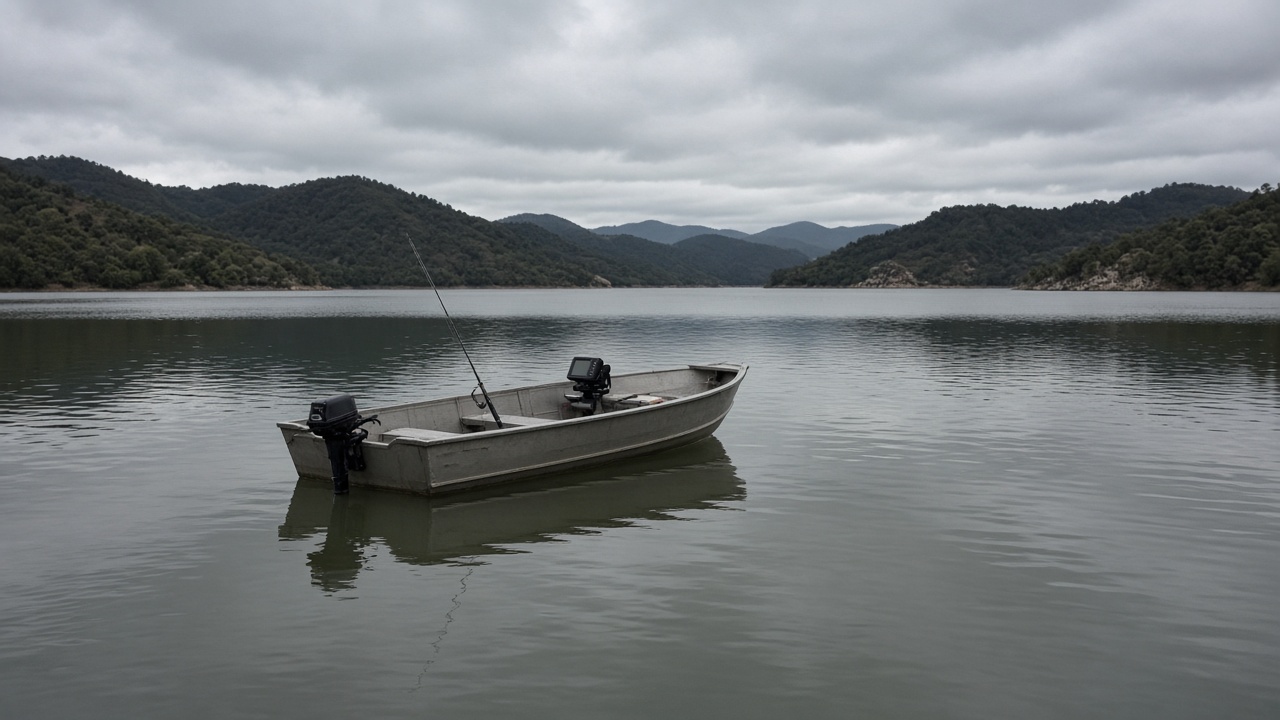
Use it where the transducer stays wet and aligned. Skinny flats are eyes. Salt needs a rinse. We did not invent a graph ASIN.
Key takeaways
- A column and a wet puck.
- Skinny water is eyes.
- Salt is a rinse job.
- Noise is often air, not a bad unit.
A fish finder is a sounder. It works in water that will return a ping — lake, reservoir, river that is deep enough, and salt if the unit and the transducer are honest about salt. It does not work as a magic map of fish in a puddle, in a skinny flat you are already poling, or in a soup of air bubbles behind a prop you never trimmed. In 2026 the useful question is still: is there a column, and can you keep the transducer wet and aligned?
Short version. Lakes and reservoirs are the classroom. Rivers need depth and a transom that does not ventilate. Salt needs a unit that will live in salt and a rinse. We are not naming a finder ASIN we have not verified live this week. a reservoir weekend if the lake is the weekend. a kayak that still has hands at hour six if the hull is a sit-on.
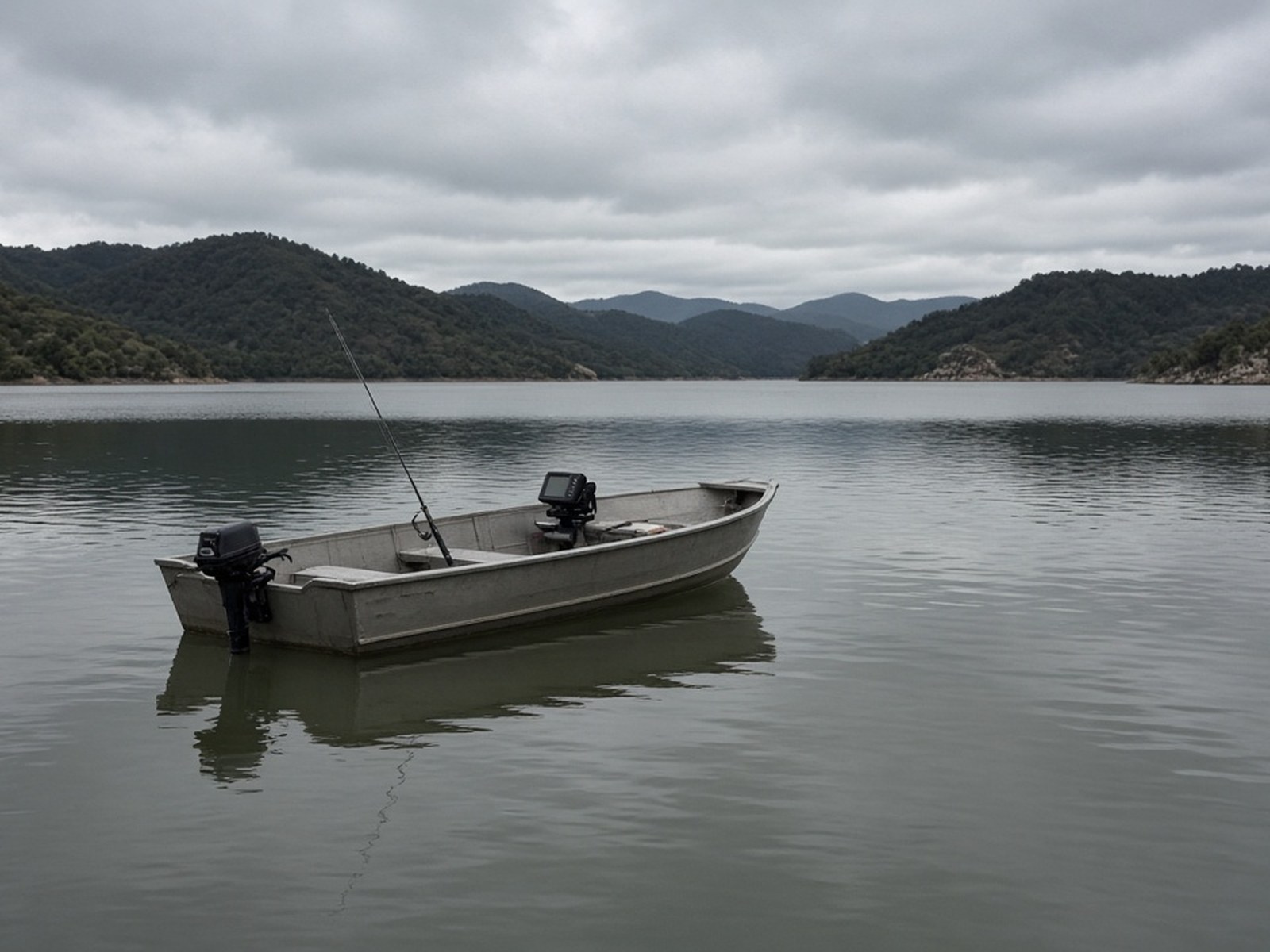
Still water is the honest start
A lake with a ramp and a depth you can count in feet is where you learn cone angle, clutter, and the difference between a tree and a fish. A finder on a pond you can see across is a toy. If you can pole the whole thing, your eyes are the finder.
Ice is a different mount and a different season. A flasher through a hole is still a sounder. The water is still water. The ice is the access problem, not the sonar problem.
Moving water and skinny water
A river that is three feet deep and standing waves will show you noise. A transducer that is out of the water on a plane is a blank screen and a story about “this unit is junk.” Slow down. Wet the puck. Read the column you actually have. Side imaging on a skinny flat is a marketing sentence. Down imaging on a ledge you can idle is a tool.
Kayak fishing wants a mount that does not become a sail and a battery you have charged. kayak-fishing hands if the other half of the day is your hands. We still will not invent a graph ASIN.
Salt
Salt eats what you will not rinse. A unit that says saltwater in the book, a transducer that is not a freshwater leftover, and a hose after the ramp. A finder that lived in a freshwater lake and then sat in a washdown you skipped is a year-two bill.
the wind go / no-go if the water you wanted is on the other side of an inlet — the finder does not make a closed bar open. wind limits if the day is a wind day and the screen is the least of your problems.
The puck is the product
A $3,000 screen with a transducer sucking air is a $3,000 clock. Mount it where it stays wet at the speed you actually fish. A kayak puck on a hull that slaps will lie. A transom mount that is too high will lie on plane. Read the book for that hull, not a forum for a different hull. We still will not invent a graph ASIN. The skill is the wet puck and the slow pass.
Batteries die at the moment you mark the fish. Charge at home. A spare that actually fits the unit is kit. A cigarette-lighter hope on a kayak is a story. Electrical order applies when the screen is dark and the battery is pretty.
Learn one frequency and one clutter setting before you buy a mapping card you will not use. The water column you have is the classroom. A lake with a public ramp is enough water to learn. A skinny flat you can pole is enough water to leave the unit in the bag.
Ethics and the other boat
A finder does not give you a right to sit on someone else’s hole. Public water is still manners. Idle around a person who was there first. The same brain as a campsite. A screen full of fish is not a permit to crowd.
Do not use a graph as an excuse to idle a no-wake or a swimming beach. The unit does not change the sign. Busy reservoirs already have enough boats that think the screen is a license.
Salt, rinse, and a cover. A unit that lives in a wet bag in the sun is a unit that will haze. The water you can use a finder on includes the water you will take care of the finder in.
The finder-water card
Column plus wet puck. Lakes first. Rivers if you have depth and a transom that does not ventilate. Salt if you rinse. Skinny flats are eyes. No invented graph ASINs. That is the card.
Brackish, stained, and the days you should bag it
Brackish water is still a column if the puck is wet. Stained water still returns a ping. A finder does not need gin. It needs depth and a transducer that is not in foam. A muddy flood pulse is a day you might still graph a ledge and still catch nothing. That is information, not a broken unit. Weeds that top out will clutter a down image into a salad. Learn what a weed edge looks like before you call every blob a fish. A lake you already know with your eyes is the classroom. A new reservoir at night with a mapping card you just bought is a poor classroom. Lightning is a bag-the-unit day. So is a closed inlet. The wind go / no-go still wins. A graph does not make a small-craft warning kind.
Kayaks and jon boats share the same rule: if the hull slaps and the puck breathes, slow down or move the mount. A used unit on an honest mount beats a new unit on a hope. We still will not invent the ASIN. The mount is the product more often than the brand. Rinse after salt. Dry the contacts. A cover for the sun. Skipped rinse is the same family of bill. Freshwater units that visit the coast without a rinse become the next essay about “it just died.” Teach a kid the difference between a tree and a fish on a calm lake before you take them to a river. The screen is a toy until it is a tool. A calm Saturday is how it becomes a tool. If you cannot say whether the transducer is wet at the speed you are going, you do not have a finder. You have a tablet. Slow down. Then decide if this water is finder water. Skinny water you can pole is still eyes. Batteries die at the moment you mark the fish. Charge at home. A spare that actually fits is kit. Electrical order applies when the screen is dark and the battery is pretty. Learn one frequency and one clutter setting before you buy a mapping card you will not use. The water column you have is the classroom.
Maps, waypoints, and the lie of a pretty lake
A mapping card is a picture of last year’s water. A drought year moves the break. A flood year hides the timber. Mark what you actually fished, not what the card painted as a “honey hole.” A waypoint you did not idle over is a rumor. Idle. Then mark. Then fish. The finder is a pencil. You are still the person who has to look at the water.
Public ramps have a traffic pattern. The graph does not give you the right to sit on the first boat’s spot. Idle wide. If the screen is full and the other boat was there, leave. The same brain as a campsite. A screenshot of arches is not a permit.
We still will not invent a graph ASIN. Brands change skins every year. The mount, the wet puck, and one clutter setting you understand are the product. A used unit on an honest transom beats a new unit on a hope. Charge at home. A spare that fits is kit. Start at the battery when the screen is pretty and dark.
Teaching a kid the screen
A child who only hunts cartoon fish will yell at every weed. Turn the icons off for an hour. Show a hard bottom. Show a tree. Show nothing. The lesson is the water column, not a video-game chime. A calm lake you can read with your eyes is the classroom. A river in a stain is a later day.
Lightning is a bag-the-unit day. So is a closed inlet. The wind go / no-go still wins. A graph does not make a small-craft warning kind. If the kid is cold and the screen is the only entertainment, you planned the wrong day. Fish a bank you can see. Leave the finder in the bag. That is allowed.
Kayaks: a hood or a matte screen, wiring out of the paddle path, a transducer that stays wet when you lean. A finder you cannot see from the seat is ballast. If you only fish ponds you can read, you may not need one. The magazine will survive the honesty. Rinse after salt. Dry the contacts. A cover for the sun. Skipped rinse is the same family of bill.
The water you should skip
Skinny clear flats you can pole. A swimming beach. A no-wake you would only idle to “just look.” A flood so muddy the transducer is painting soup. Those are eyes days, or they are go-home days. The finder is a tool. Tools can stay in the bag. The water does not care that you own one.
If you cannot say whether the puck is wet at the speed you are going, you do not have a finder. You have a tablet. Slow down. Then decide if this water is finder water. Lakes first. Rivers if you have depth and a transom that does not ventilate. Salt if you rinse. That is the whole map.
A named graph when the water has a column
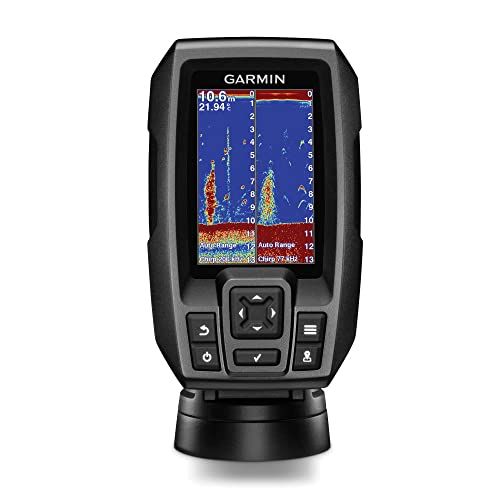
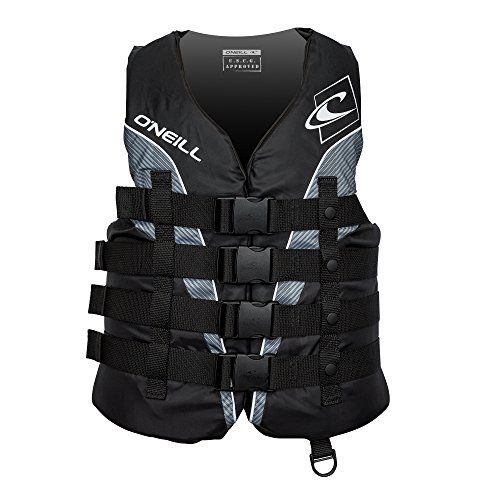
When the water is actually finder water — a lake with depth, a river that holds a wet puck, a salt bay you will rinse — the Garmin Striker 4 with transducer is the graph we already name on the under-$300 page. It is not a mapping cathedral. It is a small GPS fishfinder with CHIRP and a puck you can keep wet. Check live prices. We do not invent numbers. The O’Neill Superlite is the jacket for the same boat. A screen does not float you.
If the hull slaps and the puck breathes, slow down or move the mount before you blame the brand. A used unit on an honest transom still beats a new unit on a hope. Charge at home. Learn one clutter setting. Then decide if this water is finder water. Skinny flats you can pole stay eyes. A swimming beach stays a beach. The graph can stay in the bag.
Kit that belongs here
Named tools only. Check live prices. We do not invent numbers. Disclosure lives on affiliate disclosure.
Also in the magazine
Keep going with Lake Conroe days, a hull you actually rinse, the electrical half of a blank screen, and a water day that stays a water day. We only link pages that already live here.
Frequently asked questions
Where does a fish finder actually work?
In a water column you can keep a transducer wet and aligned: lakes, reservoirs, deeper river holes, and salt if the unit is honest about salt.
Will it work on a skinny flat?
Your eyes work better. A ventilated transducer on plane is a blank screen.
What about ice?
Still a sounder through a hole. Ice is the access problem.
Do you name a finder ASIN?
No. We will not invent a graph we have not verified live this week.
Does salt need a different unit?
It needs a unit and a transducer that will live in salt, plus a rinse. Freshwater leftovers become bills.
Why is my screen noise in a river?
Standing waves, air, and a puck that is not wet. Slow down before you shop a new unit.